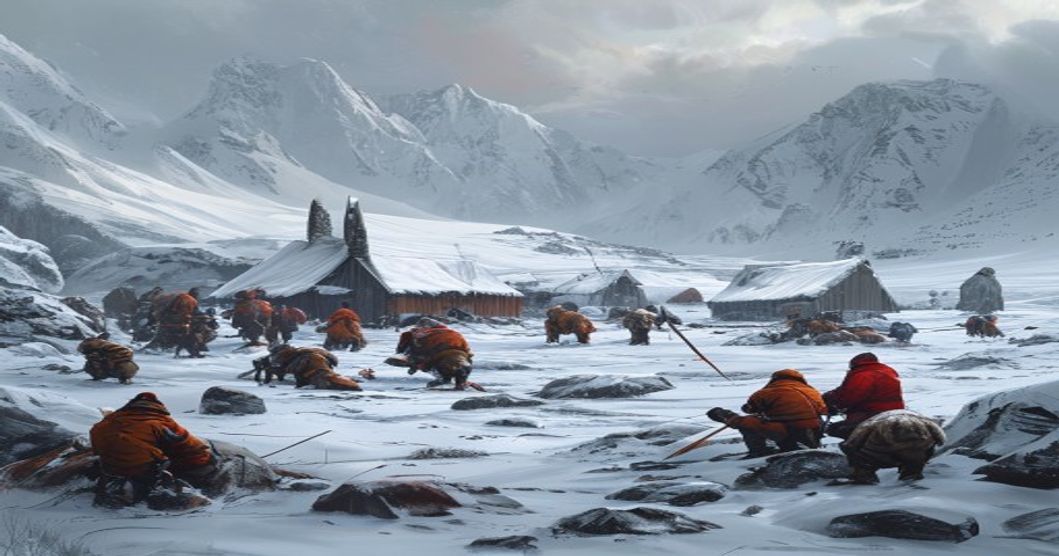
The Art of Arctic Survival in Sami Communities: A Comprehensive Guide
The Sami people have sustained generations across the circumpolar north through meticulously adapted survival strategies that integrate ecological observation, material craftsmanship, and intergenerational knowledge transfer. Central to this resilience is the systematic management of reindeer herds, which function as mobile resources for transport, milk, meat, hides, and sinew. Herders follow strict seasonal migration patterns dictated by lichen availability, snow depth, and predator activity, maintaining herd cohesion through whistles, traditional dog breeds, and acoustic signaling across vast tundra landscapes.
Thermal regulation in subzero environments relies on layered clothing systems constructed from reindeer fur. The outer gákti garments utilize split-skin hides with the hair facing outward to create insulating air pockets, while inner layers trap body heat without restricting movement. Footwear incorporates rawhide soles treated with seal or fish oil to prevent moisture penetration and improve traction on ice. Shelter construction employs conical frameworks of birch poles covered with reindeer hides or woven grass mats, designed to retain warmth from centralized hearths while allowing controlled ventilation through top openings.
- Navigation: Orientation depends on solar positioning, auroral patterns, wind erosion marks on rock faces, and the structural integrity of snowdrifts. Skilled practitioners read ice thickness through acoustic resonance when striking surfaces with wooden poles.
- Food Preservation: Meat undergoes natural air-drying in cold winds or fermentation in sealed hide pouches. Bone marrow and blubber are rendered into high-calorie oils stored in hollowed antlers for winter scarcity periods.
- Toolcraft: Duodji artisans shape knives, sled runners, and fishing hooks from antler, bone, and iron using friction-based grinding techniques. Every component serves dual purposes, minimizing weight while maximizing durability across extreme temperature fluctuations.
Contemporary Sami communities maintain these practices alongside modern infrastructure, applying traditional ecological indicators to monitor climate shifts affecting pasture quality and migration corridors. Knowledge transmission occurs through practical apprenticeship rather than formal documentation, ensuring adaptive capacity remains responsive to environmental variability. This enduring system demonstrates how localized expertise directly sustains human viability in some of the planet’s most restrictive biomes.
Foundational Principles of Traditional Arctic Living
The operational framework of traditional Sami Arctic existence depends upon a highly calibrated relationship between human activity and environmental limits. Reindeer management forms the structural core of this system, requiring herders to monitor herd distribution across thousands of hectares while tracking subtle shifts in pasture quality. Seasonal migration routes follow historical paths validated by centuries of observation, optimizing grazing cycles to prevent vegetation depletion and maintain soil stability.
- Resource Maximization: Every reindeer component undergoes systematic utilization. Hide processing yields insulated boots and winter garments. Antlers transform into needles, hooks, and cooking implements. Fat renders into lamp oil and preservation agents. Sinew provides durable stitching for heavy textiles.
- Environmental Reading: Navigators interpret terrain through lichen density, snow compaction levels, and wind erosion patterns. Ice thickness on frozen waterways determines safe crossing points, while bird flight paths signal shifting weather fronts or available hunting grounds.
- Seasonal Labor Allocation: Winter operations prioritize herd consolidation, trap maintenance, and firewood collection. Spring focuses on calving supervision and textile preparation. Summer centers on pasture rotation and tool forging. Autumn demands meat preservation through natural freezing and smoking techniques before deep winter sets in.
Knowledge transmission occurs through direct field instruction rather than written documentation. Elders demonstrate hide curing methods, snow cave construction, and emergency fire starting using traditional friction tools during active herding seasons. This experiential pedagogy ensures survival techniques remain contextually accurate and immediately applicable.
Material preparation requires precise temperature control and humidity management. Hide stretching boards maintain consistent tension during drying. Bone boiling extracts collagen for adhesives used in tool binding. Fish bones sharpen into cutting edges when heat-treated. These processing stages demand accurate timing aligned with seasonal daylight cycles and atmospheric pressure changes.
Emergency response protocols prioritize immediate mobility over fixed shelter construction when wind velocity exceeds safe thresholds. Layered clothing systems adjust rapidly through venting and strap adjustments to prevent sweat accumulation that accelerates heat loss. Group positioning during whiteout conditions maintains visual contact while distributing fatigue across multiple participants. These coordinated movements preserve operational capacity until stable weather returns.
Historical Context and Cultural Transmission
The survival strategies of Sámi communities emerged from centuries of continuous adaptation to subarctic and arctic ecosystems across Sápmi. Knowledge transfer operated through direct experiential learning rather than formal documentation. Elders guided youth during seasonal migrations, teaching route navigation by terrain features, animal behavior patterns, and weather indicators long before modern meteorological tools existed. Reindeer husbandry required precise understanding of lichen growth cycles, calving grounds, and predator avoidance techniques passed down through generations of herders. Each family unit maintained specialized expertise in specific ecological niches, creating a decentralized network of survival knowledge that scaled across vast territories.
- Migratory route memorization utilized natural landmarks, wind patterns, and celestial alignments to maintain directional accuracy during polar nights.
- Snow and ice assessment techniques distinguished between safe travel crusts and hidden water channels through sound testing and depth probing.
- Petroleum-based fire starters replaced traditional birch bark rosin during resource shortages while preserving core ignition methods.
Cultural transmission relied heavily on oral frameworks and communal practice. Narrative structures encoded survival data: migration paths, safe crossing points during thaw periods, medicinal plant locations, and emergency shelter construction methods. Joik traditions functioned as mnemonic devices, embedding geographical coordinates and seasonal warnings within melodic patterns that could be recalled across vast distances. Hands-on apprenticeship formed the core mechanism of skill acquisition. Children learned snow-shoe weaving, bone carving, fish net mending, and fire-starting using preserved materials alongside their parents. These techniques demanded tactile precision and environmental awareness that could not be replicated through theoretical instruction alone
Elder Mentorship and Intergenerational Knowledge Transfer
Within Sami communities, survival expertise does not travel through textbooks or digital archives. It moves through direct observation, shared labor, and repeated correction across generations. Elders serve as living repositories of environmental data that took centuries to compile. Children learn to read snow conditions by watching how elders probe drifts with reindeer antlers, noting wind direction and ice density before a single step is taken.
Practical instruction follows a deliberate sequence. Novice herders first master tool maintenance, then animal behavior, followed by route planning during extreme weather. Each skill requires physical repetition until muscle memory replaces hesitation. When a young person misidentifies a fog bank or mishandles a sled harness, elders do not offer abstract criticism. They adjust posture, realign grip, or demonstrate the corrected motion while explaining the environmental consequence of failure.
- Navigational techniques rely on terrain markers, star positions, and subtle changes in snow texture that indicate thin ice or hidden crevasses.
- Reindeer handling depends on vocal tonality, ear positioning, and herd movement patterns that shift with seasonal grazing requirements.
- Weather prediction combines barometric pressure readings, animal restlessness, and cloud formation speed observed over decades of continuous exposure.
This transmission method creates cognitive resilience. Learners internalize cause-and-effect relationships before encountering crises alone. The mentorship model also embeds ethical frameworks around resource use, ensuring that harvesting practices remain within ecological limits. When elders share stories during long nights, they are not merely entertaining. They encode risk assessment protocols, historical climate shifts, and community obligations into memorable narratives. This narrative structure improves recall under stress, allowing survivors to retrieve critical information without relying on linear instruction.
Modern pressures test this system. Climate volatility accelerates environmental changes faster than traditional observation cycles can track. Digital mapping tools and GPS devices introduce new variables into route planning. Yet Sami knowledge keepers adapt by cross-referencing satellite data with ancestral indicators, teaching younger generations to validate technology against lived experience. The core mechanism remains unchanged: survival competence transfers through proximity, patience, and accountable practice. Young herders now document seasonal anomalies in bilingual field logs, preserving both meteorological metrics and traditional diagnostic methods for future reference.
Reindeer Herding Dynamics and Seasonal Migration Routes
Sami reindeer husbandry functions as a precision ecological system where migration timing depends on snow metamorphism rather than calendar dates. Winter pastures require a specific snow crust formation known as riista or saiva, which forms when wind exposes ground lichen (Cladina stellaris and C. rangiferina) to grazing access. Herders monitor temperature fluctuations and freeze-thaw cycles across decades-old landscape knowledge to predict when this crust stabilizes. The seasonal routes follow natural topographical corridors that minimize energy expenditure for both animals and handlers. Autumn drives move herds from highland summer grounds toward boreal forest zones, a transition spanning 150 to 300 kilometers depending on siida territory size.
Spring migration reverses the trajectory as snowmelt exposes fresh vegetation in mountainous tundra. Herders manage grazing pressure by dividing large herds into smaller units called bargu, allowing targeted movement across sensitive lichen fields that require decades to regenerate after overgrazing. Navigation relies on reading reindeer behavior, wind patterns, and terrain markers passed through generations. Modern tools like GPS tracking collars and satellite vegetation indices supplement traditional route planning, yet human observation remains the primary decision-making framework.
- Winter Pasture Selection: Forested areas with dense canopy reduce snow accumulation, preserving lichen availability during polar night conditions.
- Summer Grounds: Coastal and alpine zones provide insect-free environments crucial for calf development and fat storage before autumn drives.
- Route Corridors: Historical pathways align with drainage patterns, bedrock formations, and traditional grazing boundaries established through communal land-use agreements.
Climate variability disrupts established migration rhythms when rain-on-snow events destroy crust formation or when unseasonal warmth delays snowmelt. Herders adapt by altering drive schedules, redistributing herd density across alternative pastures, and adjusting slaughter timing to maintain population balance. The continuity of these routes sustains both ecological resilience and cultural practice, requiring coordinated management across international borders where Sami territories span Norway, Sweden, Finland, and Russia.
Mapping Pastures Across Frozen Terrains
The Sami reindeer herding system relies on a meticulous understanding of landscape dynamics that shift with every freeze and thaw. Traditional mapping does not depend on paper charts or digital coordinates alone. Herders read the terrain through centuries of accumulated observation. Snow depth determines whether livestock can reach lichen beneath ice crusts. Wind patterns carve snow drifts that either block access or expose vital forage. River crossings require precise timing; early freeze makes traversal impossible, while late thaw creates dangerous slush zones. These natural markers form an invisible grid passed down through generations.
Seasonal movement follows a strict rotational pattern. Winter pastures typically lie in northern taiga zones where dense conifer canopies reduce wind chill and preserve snow structure. Summer grounds shift toward open tundra or coastal areas where warmer temperatures accelerate plant growth. Migration corridors connect these zones, often spanning hundreds of kilometers. Herders monitor vegetation cycles closely. The emergence of specific moss species signals optimal grazing windows. Animal behavior provides real-time feedback; restless herds indicate depleted forage or unstable ground beneath the snowpack.
- Traditional indicators include rock formations, river bends, and historical burial sites that remain constant across decades.
- Modern integration combines GPS collar data with satellite vegetation indices to map lichen density and snow hardness before herd movement.
- Climate adaptation requires adjusting migration timelines, expanding rotation zones, and documenting ice stability through community-led monitoring protocols.
Digital tools cannot replace ground truthing. Herders still visit waypoints manually to verify ice thickness, snow compaction, and forage availability. Climate volatility disrupts established patterns; warmer winters produce rain-on-snow events that create impenetrable ice layers, while shifting wind regimes alter snow distribution unpredictably. Infrastructure development fragments traditional corridors, forcing herds into suboptimal grazing areas. Communities respond by modifying route selection, implementing flexible grazing schedules, and preserving environmental knowledge through structured apprenticeship programs. Long-term viability in these extreme conditions depends on continuous observation and adaptive management.
Symbiotic Relationship Between Herders and Reindeer
The bond between Sami herders and reindeer operates as a finely tuned ecological circuit rather than conventional livestock management. Reindeer supply meat, rich milk, durable hides, and antlers that sustain traditional economies, while herders deliver continuous spatial guidance, disease monitoring, and seasonal protection. This reciprocity demands acute environmental literacy. Herders read snow crust formation, lichen regrowth rates, and birch flowering patterns to determine migration timing. Reindeer behavior simultaneously acts as a real-time ecological indicator. Shifts in herd spacing, altered feeding postures, or sudden directional changes often precede weather deterioration or resource depletion.
- Migratory Synchronization: Herders align calving windows with peak lichen accessibility and predator activity cycles, ensuring calf survival rates remain stable across tundra ecosystems.
- Resource Monitoring: Traditional knowledge tracks subsoil moisture and vegetation recovery, preventing overgrazing while maintaining soil microbiome integrity across grazing territories. Herders calculate carrying capacity using historical yield data, adjusting herd sizes to match lichen biomass regeneration timelines.
- Tech-Tradition Integration: GPS tracking collars and drone surveys now complement generational route mapping, allowing precise intervention during extreme weather events without disrupting natural herd dynamics.
Cultural continuity remains inseparable from this partnership. Joik vocalizations, antler tool carving, and milk preservation techniques encode survival strategies that adapt to shifting climate baselines. Antler growth cycles dictate seasonal processing schedules, while milk fermentation methods preserve nutritional value during months when external trade networks remain inaccessible. When land fragmentation or grazing restrictions threaten migration corridors, herders advocate for ecological pathways that preserve both reindeer autonomy and human livelihoods. The system functions on mutual dependency: reindeer require strategic oversight to navigate fragmented landscapes, while herders depend on herd health metrics to sustain traditional practices. This interdependence maintains tundra stability, regulates plant succession, and preserves a living knowledge framework that modern conservation models increasingly reference.
Community Coordination During Extreme Weather Events
Sami survival protocols during whiteout conditions or sudden Arctic storms rely on decentralized communication networks that function independently of digital infrastructure. When visibility drops below ten meters or wind speeds exceed seventy kilometers per hour, coordination shifts to acoustic signaling and terrain-based navigation. Reindeer herders utilize distinct whistle patterns and traditional drum rhythms to direct livestock across frozen plains, while snowmobile teams maintain contact through low-bandwidth radio mesh networks that bypass satellite latency. Resource allocation follows strict kinship-based frameworks before weather windows close. Households distribute dried reindeer meat, lichen feed, and paraffin supplies according to established mutual aid obligations. Elder knowledge holders reference historical ice thickness records and wind erosion patterns to designate emergency shelter coordinates across the tundra landscape.
- Acoustic Signaling Systems: Herders deploy frequency-modulated whistles calibrated to travel further in dense snowfall, while drum sequences communicate migration route adjustments without visual contact. These methods remain essential when electronic devices fail under extreme cold or moisture intrusion.
- Decentralized Resource Caches: Pre-positioned supply depots along traditional reindeer corridors use topographical markers rather than GPS coordinates, ensuring accessibility when digital navigation fails during magnetic anomalies or heavy static interference from geomagnetic storms.
- Rotational Watch Protocols: Youth and adults alternate three-hour shifts monitoring snow drift accumulation, wind direction shifts, and ice fracture sounds along river crossings. Early detection triggers immediate livestock redirection before whiteout conditions solidify or avalanche thresholds are breached.
- Inter-Village Relay Networks: High-frequency transceivers transmit meteorological updates between remote settlements using line-of-sight propagation. Data prioritizes ice stability reports, fuel reserves, and medical supply levels across the dialect region, maintaining operational continuity when cellular infrastructure goes offline.
Modern adaptations integrate livestock GPS collars with community monitoring dashboards, but operational authority remains localized. Decision-making processes prioritize intergenerational knowledge transfer over automated weather alerts. When storms exceed forty-eight hours, coordination defaults to silence protocols where non-essential movement ceases and households maintain emergency radio watches on designated frequencies. This structured yet adaptive framework ensures survival through distributed responsibility rather than centralized command structures, preserving cultural continuity alongside physical safety.
Traditional Textile Engineering for Subzero Temperatures
The Sami adaptation to extreme Arctic conditions relies on a meticulously engineered textile system that transforms raw reindeer resources into highly functional cold-weather gear. Unlike modern synthetic insulation, traditional garments utilize the natural thermoregulatory properties of reindeer hide, wool, and fur through precise layering strategies and anatomical patterning.
Inner moisture management begins with unspun reindeer wool, which retains up to thirty percent of its weight in water without feeling damp. This wool is layered directly against the skin or placed between hide panels to wick perspiration away from the body during high-exertion activities like snowshoeing and herding. The middle insulation layer consists of split leather with dense underfur facing inward, creating trapped air pockets that reduce convective heat loss. Outer shells employ full-grain hide with guard hairs oriented outward, shedding precipitation while resisting wind penetration.
- Seam architecture: Garments utilize flat-felled seams reinforced with sinew thread, minimizing friction points and preventing snow ingress through stitch holes.
- Fur orientation protocols: Critical zones like the chest, back, and soles receive reversed fur placement to maximize thermal reflection and traction.
- Gusset integration: Triangular leather inserts at the shoulders and knees preserve joint mobility without compromising the windproof barrier.
Tanning processes rely on controlled brain-fat curing and prolonged air-drying, which cross-link collagen fibers to create a stiff yet flexible matrix. This method eliminates chemical degradation while producing hide that hardens into natural armor when exposed to moisture. Boot construction follows the luoppar blueprint, where uppers are cut from single hide pieces with the hoof naturally forming the toe cap and heel counter. The double-sole system combines coarse reindeer skin with compacted wool felt, providing thermal isolation from snow contact.
Garment silhouettes incorporate forward-curved hoods, elongated cuffs, and asymmetric closures to deflect prevailing winds. Elastic drawstrings woven from braided sinew allow micro-adjustments without breaking the insulating seal. The gákti tunic utilizes a drop-shoulder cut that permits full arm rotation while maintaining chest coverage during reindeer rounding operations. Every component reflects generations of material testing, where survival depended on predictable performance at minus forty degrees Celsius. Modern textile science continues to study these patterns for biomimetic insulation applications.
Fur Selection and Multi-Layer Garment Construction
Reindeer hide remains the cornerstone of Sámi winter attire, prized for its unique cellular structure that traps air while remaining remarkably lightweight. Hunters and herders carefully select pelts based on season, age, and geographic origin, knowing that summer hides offer flexibility for boots and mittens, while winter coats demand the dense underwool of cold-season skins. Beyond reindeer, wolf fur provides critical windbreak properties along outer seams, and arctic fox ruffs frame hoods to prevent moisture buildup around the face. Traditional preparation involves brain-tanning and smoking, processes that transform raw hides into supple, water-resistant textiles without synthetic coatings. The tanning liquor penetrates collagen fibers evenly, preserving natural lanolin content that repels melting snow during active movement.
Multi-layer construction follows a precise thermal logic designed for extreme polar conditions. The innermost layer consists of thin, smooth reindeer leather positioned with hair facing inward to wick perspiration away from the skin. A mid-layer of unprocessed wool or split hide adds bulk and still-air insulation, while the outer shell utilizes thick, windproof pelts oriented outward to shed snow and deflect blizzard gusts. Seam placement is deliberately strategic; stitches run along the spine or flank where hide thickness is uniform, reducing friction points during prolonged reindeer trekking. Layer overlap follows a downward cascade pattern, ensuring no gaps exist at the shoulders, hips, or wrists. Every component relies on hand-stitched sinew thread, which contracts when wet and seals micro-tears naturally.
- Base layer prioritizes moisture management through tightly woven inner hair alignment.
- Middle stratum relies on residual fat content and trapped loft for static heat retention.
- Outer membrane deflects wind shear while maintaining breathability during high-exertion travel.
The integration of these elements demonstrates how material science and environmental adaptation merged long before contemporary performance apparel existed. Each garment functions as a dynamic climate control system, calibrated through centuries of Arctic observation rather than modern thermal engineering. Tailors manipulate hide grain direction to align with natural body curves, minimizing bulk while maximizing mobility during reindeer migration routes.
Bone, Sinew, and Hide Tool Fabrication
The fabrication of tools from bone, sinew, and hide represents a highly specialized craft within Sami Arctic survival practices. Reindeer antlers and long bones served as the primary raw materials due to their structural density and availability across seasonal migrations. Artisans selected winter-fallen antlers or carefully extracted leg bones, then proceeded through a multi-stage preparation sequence. Initial shaping required serrated stone scrapers and copper-alloy knives to remove marrow and soften the tissue. Subsequent grinding on wet sandstone or granite stones refined the edges while maintaining precise angles for cutting, piercing, or hafting applications.
Sinew processing demanded meticulous timing and physical labor. Tendons harvested from reindeer hind legs were separated from surrounding tissue, dried completely, and then pounded into fibrous strands using heavy wooden mallets. Once dried, these fibers were twisted by hand to produce cords ranging from fine sewing thread to heavy-duty binding lashings. The tensile strength of sinew exceeded most natural plant fibers in cold conditions, making it indispensable for securing stone blades to wooden handles, reinforcing reindeer hide garments, and constructing tension-based structures like snow shelters.
- Bone Tool Categories: Harpoon heads, fishhooks, awls, sled runners, and decorative items carved from antler tines or split leg bones.
- Sinew Applications: Primary adhesive in composite tools, waterproof seam reinforcement for parkas and boots, and load-bearing straps for sled harnesses.
- Hide Preparation Techniques: Brain-tanning and smoke-curing processes preserved flexibility while creating water-resistant barriers essential for Arctic exposure.
Hide transformation followed a strict chronological protocol aligned with reindeer slaughter cycles. Fresh pelts were immediately fleshed to remove residual fat, then stretched on wooden frames where they underwent repeated wet-dry cycling. Artisans applied brain emulsions and tannin-rich birch bark solutions to break down collagen fibers, preventing stiffening during freezing temperatures. Smoking over controlled pine fires introduced chemical cross-linking that repelled moisture and deterred insect degradation. The resulting material formed durable containers, footwear soles, and protective sheaths for bone implements.
Composite tool construction integrated all three materials simultaneously. A typical Sami carving knife featured a polished antler blade secured with sinew lashing to a birch burl handle, stored in a smoked reindeer hide scabbard fitted with suspension loops. This tri-material approach optimized weight distribution, impact resistance, and thermal adaptability. Modern material science confirms that sinew binding creates self-tightening joints under stress, while tanned hide maintains structural integrity below minus thirty degrees Celsius. The technique relies on generational knowledge transfer rather than standardized manufacturing, ensuring each artifact reflects localized environmental conditions and seasonal resource availability.
Custom-Fitted Parkas and Reinforced Snow Shoes
Traditional Sámi parkas rely on precision tailoring and reindeer hide engineering to maintain thermal regulation in subzero environments. Each garment is cut to individual body measurements, eliminating air gaps that accelerate conductive heat loss. The outer shell utilizes full-grain reindeer leather processed through ancestral tanning methods involving brain emulsions and birch bark extracts, which preserve fiber flexibility while creating a natural moisture barrier. Stitching employs sinew thread pulled through pre-punched channels rather than standard needle perforations, reducing tear pathways during extreme wind exposure. The wide collar wraps around the neck to trap exhaled warmth, while extended cuffs seal at the wrist using adjustable leather ties that prevent snow ingress without restricting joint mobility.
Thermal efficiency depends on directional fur alignment. The inner lining positions hair follicles upward, trapping a static layer of air that insulates against radiative cold. Reinforced panels at the shoulders and knees incorporate double-layered hide with cross-stitched padding to withstand abrasion from pack straps and repeated kneeling on ice. Natural tallow applications replace synthetic waterproofing agents, allowing the material to breathe while shedding precipitation. Garments function as part of a layered system, with the outer parka serving as a windbreak that channels airflow along the body’s vertical axis rather than across the surface.
- Hollow-hair insulation properties provide superior heat retention compared to dense wool or synthetic fills, maintaining thermal equilibrium even when damp.
- Custom patterning accounts for metabolic variation, with wider cuts over the back and narrower taper at the waist to accommodate activity-driven temperature shifts.
- Reinforced snow footwear integrates split reindeer hide soles with fur directed downward, reducing friction against packed trails while preserving grip on crystalline ice.
- Leather binding techniques at stress points use overlapping seams and boiled sinew to prevent delamination during prolonged traversal of frozen terrain.
Snow travel requires footwear engineered for weight distribution rather than maximum insulation. Traditional Sámi snow shoes combine a curved wooden base with reinforced hide uppers that lock the ankle without restricting dorsiflexion. Bindings utilize braided birch root strips that contract in cold air, maintaining tension as temperatures drop. The sole incorporates a central channel carved to shed compacted powder, preventing snowball formation during extended marches. Reinforced toe caps receive additional hide layers treated with pine resin, which hardens into a flexible armor against sharp ice fragments. Mobility remains prioritized over static warmth, allowing sustained movement that generates internal heat while the outer parka manages external exposure.
Food Preservation Strategies in Permafrost Environments
Traditional Sami food preservation relies heavily on the thermodynamic properties of permafrost and sustained sub-zero climates. The permanently frozen stratum acts as a passive thermal mass, absorbing heat exchange while maintaining stable internal temperatures across seasonal cycles. Practitioners excavate storage chambers beneath the active layer or directly into the ice-rich permafrost table, exploiting natural stratification to buffer against diurnal temperature swings. These subterranean vaults prevent oxidative degradation and enzymatic hydrolysis that typically accelerate in fluctuating conditions.
Thermal preservation dominates long-term protocols. Reindeer caribou cuts, Arctic char, and waterfowl are mounted on elevated wooden frames within wind-shielded lean-tos. The hyper-arid atmosphere drives rapid moisture migration from tissue surfaces, inducing a natural freeze-drying mechanism that collapses cellular structures without thermal damage. Concurrently, sodium chloride application reduces free water molecules, depressing the freezing point and creating an osmotic barrier against psychrophilic microorganisms.
- Glacial Storage Pockets: Naturally formed ice hollows maintain temperatures between -8°C and -15°C, preserving lipid-rich meats while minimizing rancidity through limited oxygen diffusion.
- Biological Containment Systems: Reinforced stomach linings and cured bladder membranes function as semi-permeable barriers that restrict airborne contaminants while permitting gradual moisture equilibration.
- Airflow Dehydration Racks: Cross-ventilated timber structures position protein strips in laminar wind currents, accelerating surface desiccation without cellular collapse or nutrient leaching.
Controlled anaerobic processing complements freezing during transitional seasons. Practitioners exploit marginal thaw zones to initiate targeted microbial succession, leveraging indigenous lactic acid bacteria strains for predictable fermentation profiles. The resulting pH reduction stabilizes macronutrients while breaking down collagen networks, improving bioavailability during energy-deficient periods. These empirical methods anticipate contemporary hazard analysis frameworks, demonstrating how environmental parameters and moisture management inherently suppress spoilage pathways. Strategic stockpiling ensures caloric continuity across months of polar night conditions without reliance on imported preservation infrastructure.
Air Drying and Cold Smoking Techniques
The Sami people have relied on natural preservation methods for centuries to sustain themselves through extreme Arctic winters when fresh game or fish is unavailable. Air drying operates on evaporation principles adapted to subzero temperatures and low humidity. Hunters carve reindeer or caribou meat, salmon, or char into thin strips, exposing them to prevailing winds on wooden racks positioned away from direct sunlight. The process typically requires seven to fourteen days depending on ambient moisture levels. Salting precedes drying in many family traditions, drawing out residual water while enhancing microbial resistance through osmotic pressure.
Cold smoking introduces a secondary preservation layer without cooking the protein. Practitioners construct shallow earth pits or insulated wooden sheds where controlled fires remain isolated from the food chamber by three to four meters of distance. Birch wood, juniper branches, and dried moss generate clean smoke at temperatures strictly maintained below twenty degrees Celsius. The smoke deposits phenolic compounds and trace formaldehyde precursors onto the meat surface, creating an antimicrobial barrier that inhibits spoil
Natural Fermentation and Permafrost Cellaring
The Sami people have historically relied on two complementary preservation systems: controlled microbial fermentation and ge
High-Calorie Emergency Rations for Winter Expeditions
Traditional Sami winter expeditions demanded food sources that delivered maximum thermal and metabolic output while resisting freeze-thaw cycles during months of polar darkness. The core emergency ration relied on suovas, a cold-smoked reindeer meat preserved using juniper branches and dry Arctic air. This process concentrates protein and intramuscular fat, creating a calorie-dense provisioning system that weighs less than half its fresh equivalent yet sustains sustained physical exertion across frozen tundra. Accompanying the smoked meat was gáhkku, rendered reindeer fat stored in hollowed bone containers or cured hides. Pure lipid content delivers over nine calories per gram, making it indispensable for thermoregulation during sub-zero wind chills when carbohydrate stores deplete rapidly.
Dried fish, primarily Arctic char or cod prepared as klippfisk, provided essential omega-3 fatty acids and long-chain proteins that resist oxidative rancidity without refrigeration. Sami hunters layered these dried provisions with mustat, a concentrated cloudberry jam boiled down to remove moisture while preserving vitamin C and natural sugars. This combination prevented deficiency diseases during multi-week journeys through isolated valleys where fresh foraging remains impossible. The traditional duodji preparation methods ensured zero reliance on modern preservatives, utilizing mineral-rich salt from reindeer sweat glands and controlled fermentation to inhibit bacterial growth.
- Energy Density Optimization: Reindeer fat and dried meat deliver 4,500 to 6,000 calories per pound, enabling expeditions to carry fewer supplies while maintaining metabolic heat production during extreme cold exposure.
- Preservation Mechanics: Low humidity and subzero temperatures naturally cure meats without mold contamination, while cloudberries’ high anthocyanin content acts as a natural antioxidant barrier against lipid oxidation.
- Rapid Rehydration Protocols: Emergency rations are designed to dissolve or soften in boiling snowmelt within three minutes, allowing exhausted travelers to consume nutrients without expending additional fuel reserves.
Modern Arctic practitioners still replicate these caloric matrices using historically accurate ratios, recognizing that contemporary freeze-dried alternatives often lack the sustained release properties of traditional reindeer fat. The original Sami emergency system prioritized slow-burning lipids over quick sugars, aligning with the physiological demands of prolonged cold stress where insulin regulation and glycogen conservation dictate survival outcomes.
Ancestral Navigation Methods Across Arctic Landscapes
The Sámi people developed a sophisticated wayfinding system long before modern cartography or compass technology reached the far north. Their navigation relied on a deep integration of environmental cues, celestial observation, and generational knowledge passed through oral tradition. Rather than depending on fixed instruments, Sámi reindeer herders read the Arctic landscape as a living map. Wind direction, snow drift patterns, and the subtle curvature of fells provided continuous orientation markers during blizzards and prolonged periods of darkness.
Celestial navigation formed the backbone of winter travel. The position of the North Star remained a constant reference point, but Sámi navigators also tracked lunar phases and seasonal star clusters to estimate time and direction across frozen tundra. During summer months, when the midnight sun obscured traditional horizons, wayfinders utilized polarized light patterns. Historical accounts suggest the use of Iceland spar crystals, which filter sunlight polarization angles, allowing precise solar bearing determination even under overcast skies.
- Reindeer Migration Corridors: Herders followed established seasonal routes that naturally aligned with geographical features like river valleys and rock formations, ensuring reliable passage across shifting ice and deep snowpack.
- Topographical Memory: Every ridge, frozen lake, and birch grove served as a navigational waypoint. Knowledge of micro-terrain variations allowed travelers to anticipate safe crossings and avoid hidden crevasses or thin ice zones.
- Snow and Wind Reading: Sastrugi formations indicated prevailing wind direction, while snow depth gradients revealed exposure levels and potential avalanche risk, directly influencing daily route adjustments.
This ecological literacy required years of apprenticeship. Young navigators learned to interpret subtle environmental signals through direct field experience rather than theoretical study. The absence of written maps was compensated by highly developed spatial memory and contextual awareness. Modern GPS devices have supplemented traditional practices, yet the underlying principles remain vital for emergency navigation when technology fails in extreme polar conditions.
Reading Ice Formations and Snow Drift Patterns
Navigating frozen landscapes demands precise interpretation of snow and ice behavior, a skill refined over centuries by Sami reindeer herders. Wind direction dictates snow accumulation patterns, creating distinct drift formations that reveal surface stability. Leeward slopes typically hold deeper, wind-packed layers, while windward ridges expose harder crusts vulnerable to cracking. Observing sastrugi—wave-like grooves carved by persistent gusts—provides immediate clues about prevailing weather systems and upcoming storm trajectories.
Ice evaluation relies on visual and tactile indicators rather than modern instruments. Clear blue ice indicates slow freezing with minimal air pockets, offering reliable load-bearing capacity for sled travel. White or opaque ice contains trapped snow and air, signaling structural weakness near flowing water or thermal vents. Tap testing remains essential: a sharp ring confirms solid formation, while a dull thud reveals hollow sections or underlying currents. Seasonal progression alters ice composition significantly. Autumn freeze produces even thickness across shallow bays, whereas spring thaw creates dangerous honeycombing beneath the surface layer.
- Monitor pressure ridges along lake edges where shifting ice plates collide, creating unstable zones unsuitable for crossing.
- Track river ice dynamics by noting meltwater channels and slush pockets that form around boulders and vegetation lines.
- Use antler-tipped measuring rods to verify thickness before committing weight, maintaining strict intervals along travel routes.
- Observe reindeer herd movements near shorelines; animals consistently avoid thin ice and unstable crusts through generational instinct.
Traditional navigation over frozen terrain integrates celestial positioning with ground-level snow analysis. Herders align travel corridors with distant mountain peaks visible through winter storms, cross-referencing these landmarks with consistent snow drift patterns left by seasonal winds. This dual approach prevents disorientation during whiteout conditions and ensures efficient route planning across expansive tundra and archipelago ice fields. Understanding microclimates around rock formations and tree lines further refines route selection, as sheltered areas retain predictable snow depth while exposed ridges shift rapidly with temperature fluctuations.
Stellar Orientation and Magnetic Terrain Assessment
Navigating the vast Arctic expanse requires an intricate understanding of celestial cues and subtle geomagnetic variations. For generations, Sami herders have relied on precise stellar orientation to chart seasonal migration routes across frozen tundra and dense boreal forests. The North Star remains a fixed reference point during winter months, while specific star clusters guide summer passages when daylight conditions shift dramatically. These astronomical markers are not observed in isolation; they are cross-referenced with landscape features such as ridge lines, watercourses, and glacial deposits to establish reliable waypoints.
Magnetic terrain assessment operates on a parallel track. The region’s geology contains significant concentrations of magnetite and other ferromagnetic minerals that subtly alter local compass readings. Sami navigators historically learned to recognize these anomalies by observing how iron-rich bedrock influences needle alignment, then adjusted their course accordingly using natural landmarks rather than mechanical instruments alone. This empirical knowledge was transmitted orally through detailed route memorization and practical field exercises during extended reindeer drives.
- Seasonal star shifts require recalibration of bearing angles every forty days.
- Magnetic declination in northern Fennoscandia varies between three and six degrees depending on proximity to bedrock formations.
- Reindeer migration corridors historically align with magnetic north to minimize navigational drift during blizzards.
Modern survival techniques still integrate these traditional methods alongside digital tools. GPS devices provide baseline coordinates, but extreme cold rapidly depletes battery life, and satellite connectivity often fails beneath heavy snow cover or deep canyon walls. In such conditions, stellar positioning combined with magnetic terrain mapping remains indispensable. Practitioners scan the horizon for known constellations, verify cardinal directions against visible topographical markers, and account for declination shifts caused by localized mineral deposits. This layered approach ensures route continuity when technology becomes unreliable.
The integration of celestial and geomagnetic data also supports emergency navigation. When visibility drops to zero during polar storms, experienced travelers rely on muscle memory derived from repeated exposure to specific star-terrain alignments. Training programs in Arctic regions now formalize these practices, teaching participants how to calculate latitude through Polaris altitude while simultaneously mapping magnetic inclination gradients across varied soil compositions. This synthesis of observational astronomy and earth magnetism forms a resilient navigation framework that has sustained indigenous mobility for centuries.
Oral Mapping Systems and Landmark Recognition
Sami navigational expertise relies on a highly structured oral framework that encodes topographical data into rhythmic narratives and place-specific terminology. Rather than depending on abstract coordinate grids, traditional knowledge holders construct mental geographies through repeated ecological observation and lexical precision. Each geographical feature receives a distinct identifier capturing elevation gradients, soil composition, seasonal water availability, and established reindeer migration corridors. These identifiers function as interconnected nodes within a larger cognitive spatial network.
Landmark recognition operates through multi-sensory verification protocols. Practitioners identify convergence zones where multiple ecological indicators align simultaneously. Wind direction shifts, snow crust density, lichen colonization patterns, and avian flight trajectories provide continuous environmental feedback. Seasonal transitions dictate route recalibration; spring thaw converts river crossings into immediate hazards, requiring navigators to rely on exposed bedrock formations that remain visible beneath receding ice. Historical reindeer herding tracks function as living survey lines, where repeated seasonal passages reinforce specific waypoints across multiple generations.
- Vertical terrain analysis replaces horizontal distance measurement during whiteout conditions.
- Seasonal light angles alter visible landmarks, requiring continuous mental rotation of topographical features.
- Memory retention depends on contextual clustering; related waypoints are grouped within thematic narratives that mirror actual travel sequences.
This architectural approach prevents data fragmentation during high-stress movement scenarios. Navigation relies on comparative terrain assessment rather than isolated point references. Knowledge transmission follows a deliberate pedagogical sequence where novice learners memorize localized terrain descriptions before advancing to regional route planning. Mnemonic architecture utilizes melodic refrains and rhythmic cadences to encode directional sequences that remain stable despite linguistic evolution. The oral system inherently accounts for environmental volatility by embedding contingency paths within primary narratives. Modern cartography consistently flattens three-dimensional landscapes into two-dimensional projections, whereas indigenous spatial cognition preserves microclimates and resource distribution gradients that conventional surveys routinely omit.
Contemporary survival protocols integrate these traditional markers with digital navigation infrastructure. Emergency response operations across Finnmark and Tromsø utilize verified landmark databases cross-referenced against historical oral records. This synthesis prevents cognitive overload during extreme weather events while maintaining ecological accuracy. The persistence of oral mapping demonstrates adaptive resilience rather than static tradition, functioning as a dynamic spatial language calibrated to Arctic environmental parameters.
Spiritual Frameworks and Environmental Stewardship
The Sámi relationship with the Arctic landscape transcends mere subsistence; it operates within a deeply embedded spiritual architecture that dictates ecological balance. Central to this worldview is the concept of luondu, representing the living spirit inherent in rocks, waterways, forests, and wildlife. This animistic framework does not separate humanity from nature but positions people as active participants within a reciprocal network. Sacred sites known as sieidi functioned as physical anchors for spiritual negotiation with environmental forces. Communities would leave offerings of food or reindeer antlers at these locations to maintain harmony during hunting expeditions, fishing seasons, or harsh winter migrations. The practice was never transactional; it operated on principles of respect, restraint, and seasonal awareness that inherently prevented overexploitation.
Traditional Sámi cosmology divides the world into three interconnected layers: the upper realm accessed by birds and celestial bodies, the middle earthly domain inhabited by humans and domesticated reindeer, and the lower subterranean sphere governed by water spirits and ancestral entities. The noaidi, or spiritual mediator, navigated these strata through drum ceremonies to interpret omens, diagnose ecological imbalances, and guide pastoral routes. Environmental stewardship emerged organically from this cosmology. Reindeer herding patterns were not arbitrary; they followed ancient migratory corridors dictated by lichen growth cycles, snow conditions, and predator movements. Grazing lands were deliberately rotated, allowing vegetation to recover, while fishing grounds observed strict seasonal closures aligned with lunar phases and spawning periods.
This spiritual ecology directly informed resource management protocols that modern conservation science now validates. Traditional grazing restrictions during calving seasons prevented herd depletion. Snow hut construction utilized only deadfall wood, preserving living trees. Hunting adhered to the principle of taking only what was necessary for immediate community sustenance, with bones and hides fully repurposed to honor the animal’s spirit. Contemporary Sámi environmental activism draws precisely from these frameworks, framing land rights not as political claims but as spiritual obligations. The degradation of lichen pastures or disrupted migration routes is interpreted as a rupture in cosmological balance rather than merely an economic loss. Protecting wetlands, monitoring permafrost thaw, and resisting industrial extraction all stem from the same foundational belief: ecological health and spiritual integrity are inseparable dimensions of survival in the high Arctic.
Joik Traditions and Weather Spirit Communication
The joik operates as a sophisticated acoustic instrument within Sámi ecological knowledge systems rather than a purely artistic expression. Practitioners utilize precise vocal modulation to map atmospheric conditions across the tundra. Low-frequency drones simulate the approach of heavy snowfall, while rapid melodic sequences replicate wind shear patterns over frozen lakes. These vocal techniques function as early warning mechanisms, allowing herders to detect microclimatic changes before they become visible threats. Historical field recordings confirm that experienced practitioners consistently align their breath cycles with barometric pressure shifts, creating a biological monitoring system that predates modern meteorological tools.
- Vocal projection relies on diaphragmatic control and nasal resonance to carry sound across distances exceeding five kilometers in open terrain.
- Seasonal repertoires encode precise data regarding ice thickness, thaw progression, and reindeer migration corridors through structured melodic progressions.
- Educational transmission occurs exclusively through field immersion, where instructors pair vocal exercises with real-time environmental observation and navigation drills.
Communication with weather entities within this framework represents a disciplined practice of environmental attunement rather than mystical ritual. Practitioners train their auditory perception to distinguish between different precipitation types by analyzing how snowflakes interact with wind currents during vocalization. When navigating whiteout conditions or unstable glacier zones, specific variations serve as coordinated signals for group movement, hazard avoidance, and resource location. The tradition preserves critical survival intelligence through acoustic encoding, ensuring that adaptive strategies remain responsive to rapidly shifting polar conditions. Contemporary researchers integrate oral recordings with satellite weather data to validate historical accuracy, yet the foundational methodology requires direct sensory engagement with frozen landscapes. Developing proficiency demands sustained practice, as misaligned patterns can disrupt group coordination or lead to inaccurate environmental readings. The persistence of this acoustic heritage demonstrates how traditional knowledge systems directly enhance human resilience in extreme climates, maintaining functional continuity across generations of Arctic inhabitants.
Ritual Offerings for Safe Passage and Abundant Harvests
The Sámi concept of maintaining equilibrium between human activity and the Arctic environment relied on structured ritual offerings at designated sacred locations. These ceremonies functioned as spiritual infrastructure, enabling communities to navigate unpredictable weather patterns and secure essential resources across extreme seasonal shifts. Travelers, hunters, and reindeer herders approached sieidi stones or naturally formed rock formations with precise ceremonial protocols before initiating migrations or large-scale pastoral operations. The underlying framework operated on reciprocal exchange: practitioners deposited tangible materials into stone crevices or shallow depressions to establish spiritual contracts with environmental forces.
Offerings for safe passage targeted navigation hazards and weather volatility. Practitioners typically placed reindeer antlers, dried Arctic char, or hammered copper coins into fissures along sacred rock faces. These items directly addressed Bieggolmmái, the wind spirit governing atmospheric conditions and route safety. Antlers symbolized directional stability, while metal deposits represented economic value transferred to natural guardians. Communities seeking abundant harvests for reindeer herds directed their rituals toward Horagalles, the thunder deity associated with livestock fertility and ecological regeneration. Fresh milk poured onto stone altars, braided reindeer hides, and carefully selected wild grains formed the primary deposit sequence, representing immediate sustenance and future nutritional growth.
- Ceremonial timing aligned with critical seasonal transitions, particularly spring calving periods and autumn migration corridors
- Dietary restrictions and behavioral protocols governed approach procedures, including mandatory silence during deposition phases
- Regional material variations emerged through historical trade networks, introducing silver thread, glass beads, and imported textiles into traditional sequences
- Archaeological stratification at excavated sieidi sites consistently reveals layered organic remains and metal artifacts spanning multiple centuries of Arctic adaptation
Spiritual maintenance required continuous ritual reinforcement rather than singular interventions. Herding families tracked meteorological shifts through observed offering degradation patterns, adjusting future deposit quantities based on environmental feedback. This systematic approach transformed spiritual practice into a predictive ecological tool, allowing communities to calibrate their movement schedules and resource allocation strategies across one of the planet’s most demanding environments.
Contemporary Pressures and Heritage Preservation Efforts
Modern infrastructure expansion, extractive industries, and accelerating climatic shifts are systematically dismantling the ecological baseline required for Sami reindeer husbandry.
Atmospheric instability disrupts historical freeze-thaw patterns, generating ice crusts that sever lichen access during winter months. Herders now chart irregular migration corridors while negotiating spatial competition with wind turbine installations and mineral extraction zones across the Fennoscandian tundra.
- National land courts repeatedly approve commercial concessions over documented grazing pathways, forcing herders to absorb logistical costs from rerouted livestock movements.
- Formal education systems continue marginalizing duodji textile techniques and joik narrative structures, accelerating intergenerational vocabulary attrition in northern dialects.
Preservation mechanisms operate through coordinated legal strategies and community-driven knowledge networks. The cross-border Sami Parliament framework maintains centralized archival databases that map historical winter camps and summer pastures, providing empirical evidence during territorial adjudication processes. Immersion programs target children under eight, utilizing elder-led storytelling sessions to rebuild phonemic recognition and craft-specific terminology.
Adaptive technology bridges traditional observation with contemporary monitoring requirements. Herder collectives deploy GPS collars alongside satellite imagery analysis, cross-referencing digital vegetation indices against generational snowpack assessments. Academic institutions collaborate with regional families to draft climate-adapted grazing calendars, embedding customary ecological metrics into municipal land-use planning documents.
- Community-controlled craft enterprises direct licensing revenue toward youth mentorship grants and seasonal migration subsidies.
- Transnational policy coalitions advocate for agricultural recognition frameworks that classify nomadic livestock rotation as protected cultural infrastructure.
Long-term heritage continuity requires restructuring territorial governance models. When administrative systems acknowledge continuous customary occupancy, resource allocation permits mandate direct community consultation. Co-authored educational modules integrate field navigation protocols with historical land management records, establishing self-reinforcing knowledge loops that maintain operational viability while resisting cultural homogenization.
Climate Shifts Disrupting Traditional Migration Cycles
Traditional Sami reindeer herding relies on precisely timed seasonal movements across vast boreal landscapes. These migration cycles historically followed predictable climatic windows, dictating when herds moved to winter lichen pastures, spring calving grounds, and autumn gathering sites. Modern climate variability has fractured this ecological rhythm. Warmer autumns delay frost formation, leaving reindeer unable to dig through ice crusts to access ground vegetation. Spring thaws now occur weeks earlier, desynchronizing calf births from peak nutritional availability in emerging forage.
- Rain-on-snow events create impenetrable ice layers that block grazing entirely, leading to mass starvation during winter months.
- Permafrost degradation alters drainage patterns, flooding traditional lowland pastures and forcing herds into higher, less productive terrain.
- Vegetation phenology shifts compress the growing season, reducing lichen biomass that requires undisturbed snow cover to thrive.
These environmental disruptions force herders to abandon established transects. GPS tracking data from Finnmark and Sápmi regions show migration distances increasing by up to forty percent as families chase viable grazing corridors. The loss of predictable ice bridges over rivers complicates cross-border movements between Norway, Sweden, and Finland. Younger generations face compounded stressors: diminished herd viability reduces economic returns, while fragmented landscapes accelerate soil erosion and increase parasite loads in weakened reindeer populations. Traditional ecological knowledge, calibrated over centuries, now requires constant recalibration. Herders document shifting wind patterns, altered snow density, and unpredictable predator behavior to adjust routes dynamically. The historical baseline of stable snowpack depth no longer applies. Winter temperatures fluctuate wildly, preventing the formation of wind slabs that traditionally protected ground lichen species like Cladonia rangiferina. Without this insulating layer, lichen beds freeze solid or dry out completely. Infrastructure development—wind farms, mining concessions, and expanded road networks—further fragments these climate-compromised pathways, creating a compounding crisis for Sámi pastoral continuity. Settlement patterns shift as herding becomes economically unviable in marginal zones, accelerating cultural erosion alongside ecological degradation.
Legal Protections for Indigenous Land Use Rights
Indigenous land use rights in the Arctic have evolved from colonial dispossession frameworks into structured legal protections grounded in international human rights instruments and domestic legislation. The Norwegian Finnmark Act of 2005 established the Finnmark Estate, transferring ownership of approximately ninety-six percent of the county to its inhabitants and mandating joint management between the state and the Sami Parliament. This legislative shift directly addresses historical enclosure policies that restricted seasonal reindeer migration corridors and traditional foraging zones.
Norway and Sweden have ratified International Labour Organization Convention 169, which legally obligates governments to recognize customary land tenure systems and secure prior consultation before resource extraction projects intersect with ancestral territories. Finland maintains a segmented approach, limiting Sami reindeer herding rights to designated herding districts while excluding broader territorial sovereignty claims. Despite these jurisdictional variations, all three nations require environmental impact assessments that explicitly evaluate cumulative effects on traditional livelihoods when mining or infrastructure developments proceed.
- Finnmark Act Implementation Framework: Establishes co-management boards and recognizes non-title customary use rights across contested municipalities.
- ILO Convention 169 Ratification: Codifies free, prior, and informed consent protocols for commercial resource development.
- Sami Parliament Consultation Mandates: Legally binding administrative procedures requiring government agencies to negotiate land-use modifications before permitting.
- ECHR Precedential Rulings: European Court decisions reinforcing cultural survival and pastoral continuity as protected interests under Article 8 of the Convention.
Enforcement mechanisms remain constrained by competing industrial concessions and climate-driven ecological shifts that alter traditional resource availability. Courts routinely apply proportionality analysis when balancing economic development against indigenous land use, yet litigation timelines frequently outpace seasonal migration cycles. Recent regulatory amendments in Sweden now require mining permits to demonstrate zero net loss to reindeer pasture quality, while Norway’s Supreme Court has consistently upheld grazing rights as inherent property interests rather than discretionary privileges. These legal architectures directly sustain Arctic survival practices by securing territorial continuity, preventing unauthorized infrastructure fragmentation, and embedding traditional ecological knowledge into regulatory decision-making processes.
Digital Documentation and Youth Education Programs
Traditional Arctic survival techniques among the Sámi have long relied on oral transmission and direct environmental observation. Modern digital documentation bridges this knowledge gap by converting ephemeral ecological data into structured archives. Community-led initiatives utilize high-resolution photogrammetry to catalog reindeer tracking signs, ice thickness indicators, and seasonal foraging patterns. These datasets feed into interactive GIS platforms that map historical migration corridors against shifting climate conditions. Young learners access these resources through tablet-based modules developed in collaboration with regional Sámi councils. The applications feature augmented reality overlays that identify edible lichens, safe crossing points on thawing tundra, and weather prediction markers rooted in generations of meteorological observation.
- Audio-Visual Archiving: Elders record navigation chants, ice-breaking techniques, and emergency shelter construction methods. These files are tagged with geolocation metadata and linguistic glosses, ensuring precise contextual preservation for future reference.
- Mentorship Integration: School districts partner with herding families to structure semester-long field modules. Students log environmental data using calibrated sensors while practicing traditional craft techniques like duodji tool fabrication under direct supervision.
- Curriculum Development: Regional education boards embed survival mathematics, acoustics of wind patterns, and thermal insulation principles into standardized science frameworks. Digital assessments track competency progression without replacing hands-on field verification.
Digital literacy initiatives also address data sovereignty, ensuring communities retain full ownership of archived survival metrics. Mobile field applications sync encrypted logs directly to tribal servers, bypassing third-party cloud dependencies. Educational outcomes correlate strongly with sustained herding success rates and reduced winter emergency incidents across participating municipalities.
“`html
Frequently Asked Questions
What is The Art of Arctic Survival in Sami Communities?
The Art of Arctic Survival in Sámi Communities refers to the centuries-old indigenous knowledge and practices developed by the Sámi people of northern Scandinavia and the Kola Peninsula to thrive in extreme Arctic environments. This includes expertise in reindeer herding, crafting functional clothing from animal hides, building insulated dwellings such as lavvu tents, preserving food through drying and smoking, navigating vast frozen landscapes using natural landmarks, and understanding seasonal wildlife migration patterns. These survival techniques have been passed down orally across generations and represent a profound harmony between the Sámi people and their harsh yet beautiful Arctic homeland.
Key facts about The Art of Arctic Survival in Sami Communities
- The Sámi are Europe’s only officially recognized indigenous people, with a history spanning over 10,000 years in the Arctic region.
- Traditional Sámi clothing, called gákti, is made from reindeer fur and leather, providing exceptional insulation at temperatures as low as -40°C (-40°F).
- The lavvu, a conical tent similar to the Sami igloo, was constructed with wooden poles covered in reindeer hides and served as a portable, highly insulated shelter.
- Sámi survival relied heavily on reindeer herding, which provided food, clothing, tools, transportation, and trade goods essential for Arctic life.
- Food preservation techniques such as air-drying meat (suovas/smoked sausage), fermenting fish, and storing lichen-based foods enabled the Sámi to survive long, harsh winters with minimal fresh provisions.
- Navigational knowledge included reading snow conditions, wind patterns, animal tracks, and celestial bodies to travel safely across vast frozen territories.
- The Sámi language, which belongs to the Uralic family, contains dozens of distinct words for snow, ice, and reindeer, reflecting their deep environmental expertise.
- Modern Sámi communities continue to blend traditional Arctic survival knowledge with contemporary life, preserving this cultural heritage as an important part of Nordic identity.
“`
“`json
{
“@context”: “https://schema.org”,
“@type”: “FAQPage”,
“mainEntity”: [
{
“@type”: “Question”,
“name”: “What is The Art of Arctic Survival in Sami Communities?”,
“acceptedAnswer”: {
“@type”: “Answer”,
“text”: “The Art of Arctic Survival in Sámi Communities refers to the centuries-old indigenous knowledge and practices developed by the Sámi people of northern Scandinavia and the Kola Peninsula to thrive in extreme Arctic environments. This includes expertise in reindeer herding, crafting functional clothing from animal hides, building insulated dwellings such as lavvu tents, preserving food through drying and smoking, navigating vast frozen landscapes using natural landmarks, and understanding seasonal wildlife migration patterns. These survival techniques have been passed down orally across generations and represent a profound harmony between the Sámi people and their harsh yet beautiful Arctic homeland.”
}
},
{
“@type”: “Question”,
“name”: “Key facts about The Art of Arctic Survival in Sami Communities”,
“acceptedAnswer”: {
“@type”: “Answer”,
“text”: “
- The Sámi are Europe’s only officially recognized indigenous people, with a history spanning over 10,000 years in the Arctic region.
- Traditional Sámi clothing, called gákti, is made from reindeer fur and leather, providing exceptional insulation at temperatures as low as -40°C (-40°F).
- The lavvu, a conical tent similar to the Sami igloo, was constructed with wooden poles covered in reindeer hides and served as a portable, highly insulated shelter.
- Sámi survival relied heavily on reindeer herding, which provided food, clothing, tools, transportation, and trade goods essential for Arctic life.
- Food preservation techniques such as air-drying meat (suovas/smoked sausage), fermenting fish, and storing lichen-based foods enabled the Sámi to survive long, harsh winters with minimal fresh provisions.
- Navigational knowledge included reading snow conditions, wind patterns, animal tracks, and celestial bodies to travel safely across vast frozen territories.
- The Sámi language, which belongs to the Uralic family, contains dozens of distinct words for snow, ice, and reindeer, reflecting their deep environmental expertise.
- Modern Sámi communities continue to blend traditional Arctic survival knowledge with contemporary life, preserving this cultural heritage as an important part of Nordic identity.
”
}
}
]
}
“`