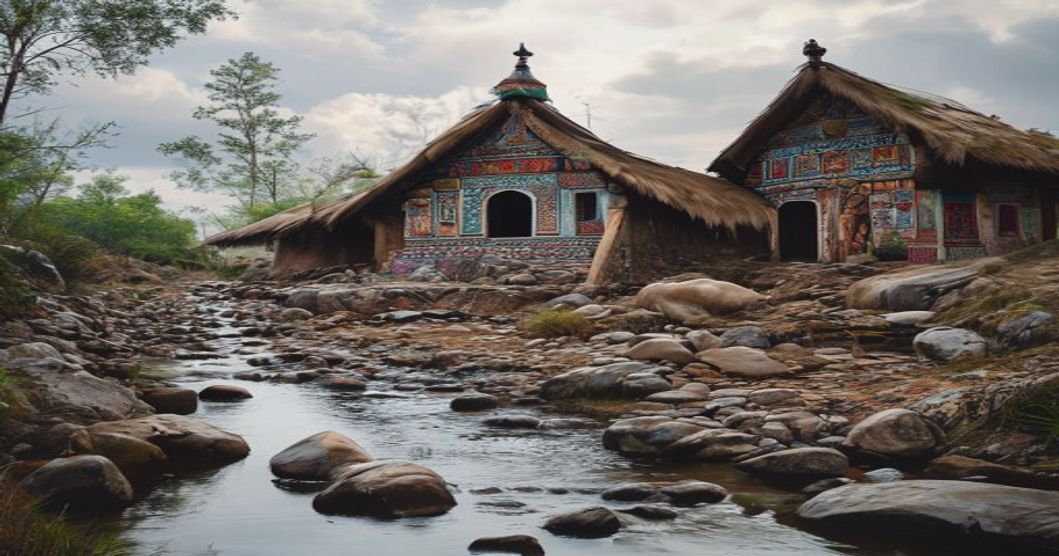
Discovering the Hidden Gems of Sami Culture Most Travelers Miss
Most visitors to northern Scandinavia focus on commercialized attractions and standard wildlife safaris, overlooking the profound cultural layers that define indigenous Sámi communities. The authentic experience lies in understanding the distinct regional variations across Sápmi, where Inland Sámi reindeer pastoralism diverges significantly from Coastal Sámi fishing traditions. Exploring these distinctions requires moving beyond designated tourist zones into rural municipalities like Kautokeino’s hinterlands, Tromsø’s lesser-known fjord communities, or Swedish Lapland’s interior parishes near Jukkasjärvi. Here, traditional craftsmanship remains a living practice rather than a souvenir trade. Handcrafted duodji items follow strict seasonal rhythms; reindeer antlers are processed in late autumn, while woven birch bark and silverwork align with spring thaw cycles. Participating in these processes demands direct engagement with local artisans who operate outside commercial centers.
- Joik performance spaces remain largely undocumented in standard travel guides. Traditional vocalizations are not staged for audiences but emerge during family gatherings, seasonal transitions, and spiritual rituals. Respectful observation requires visiting community-run cultural centers or accepting private invitations through verified local networks.
- Historical site mapping reveals pre-Christian burial mounds, rune-stone fragments, and seasonal migration routes that parallel modern reindeer herding paths. These landmarks function as open-air archives where oral history intersects with landscape geography.
- Authentic culinary practices extend beyond smoked fish to include preserved lemming meat, cloudberries foraged from specific microclimates, and traditional fermentation methods that require precise temperature control using natural snow insulation.
Engaging with these elements requires navigating strict ethical guidelines. Commercial tourism operators often package Sámi heritage as entertainment, which dilutes cultural authenticity and disrupts traditional livelihoods. Verified cultural exchanges occur through cooperatives like the Sámi Duoddi organization or locally managed homestay networks that prioritize knowledge transfer over performance. Seasonal timing dictates access; winter months restrict movement to established trails, while summer opens highland routes used for seasonal grazing. Travelers seeking genuine immersion must consult regional indigenous tourism boards, verify operator credentials against Sámi parliamentary standards, and commit to learning basic contextual vocabulary before visiting. The cultural depth available outside mainstream itineraries demands patience, respect, and direct community alignment rather than superficial itinerary planning.
Remote Reindeer Pastures and Traditional Duodji Artisans
The Arctic tundra and boreal forests stretching across northern Fennoscandia hold more than scenic landscapes; they sustain a centuries-old livelihood centered on seasonal reindeer migration routes. These remote pastures operate outside commercial tourism circuits, following ancient altitudinal patterns that shift with snow cover and lichen availability. Sami herders manage large migratory bands through precise ecological observation rather than fixed GPS coordinates, relying on generational knowledge of wind patterns, terrain navigation, and animal behavior. The grazing cycles directly dictate the rhythm of daily life, with calving seasons in spring demanding constant movement across fjell plateaus and winter pastures nestled deep within pine forests.
Duodji, the indigenous craft system deeply intertwined with this pastoral existence, transforms raw materials into functional art. Artisans source antlers shed naturally by reindeer, carve birch roots into durable containers, and work cured leather using bone needles that leave distinct stitching patterns unique to regional dialects of the craft. Each piece carries structural logic: ski bindings designed for specific snow conditions, knife handles balanced for right-handed butchery, or decorative silver thread woven along garment edges to denote clan lineage. The knowledge transmission occurs through apprenticeship rather than formal instruction, requiring years of material familiarity and patience.
- Sustainable Resource Management: Modern herding integrates satellite tracking with traditional lichen monitoring to prevent overgrazing while maintaining migratory corridors essential for herd genetics.
- Craft Preservation Techniques: Authentic duodji pieces utilize untreated natural finishes, air-drying methods, and hand-forged iron tools that replicate historical tempering processes.
- Ethical Engagement Protocols: Visitors should prioritize direct partnerships with certified Sami cooperatives, verify craft authenticity through origin documentation, and respect restricted grazing zones during seasonal movements.
The intersection of pastoral ecology and material craftsmanship creates an economic ecosystem largely invisible to conventional travel itineraries. Reindeer-derived resources supply the foundational materials for duodji production, while the craft itself generates supplementary income that reduces dependency on external markets. This self-sustaining model persists through strict quality standards and cultural continuity, ensuring that both grazing practices and artistic techniques adapt to environmental shifts without compromising historical integrity.
Undiscovered Winter Festivals and Ice Hotel Traditions
The Sami winter calendar revolves around Juovlavcca, a multi-day observance that typically spans late December into early January. Unlike commercial holiday markets, these gatherings center on ancestral survival strategies and seasonal transition. Communities converge near sacred stones or reindeer corrals to perform traditional joik singing, which historically functioned as both musical expression and navigational tool across frozen tundra. Participants exchange handcrafted duodji items, including antler carvings and woven wool textiles dyed with local lichens. The festival also marks the beginning of the winter trading season, where reindeer herders negotiate fur exchanges and share preservation techniques for meat storage during months when daylight hours shrink to near zero.
Ice architecture in Sápmi extends far beyond internationally marketed structures. Smaller communities across Finnmark, Troms, and Lapland maintain century-old snow cabin networks that rely on wind-packed snow walls rather than harvested ice blocks. Builders use reindeer antlers as structural supports and line interiors with thick caribou hides for insulation. These spaces operate on rotational schedules managed by local duodji councils, ensuring equitable access during peak aurora months. Visitors accessing these locations typically join guided cross-country ski routes that follow historical migration corridors, where rangers demonstrate traditional ice fishing techniques using wooden spears and teach participants how to read snow drift patterns for safe passage.
- Sámi Winter Markets: Held in Inari and Karasjok, these venues feature live processing of reindeer antlers, traditional bread baking on hot stones, and storytelling sessions about winter survival myths.
- Snow Lodge Protocols: Accommodations require advance booking through indigenous tourism cooperatives. Guests participate in dawn husky runs, learn lichen identification for natural dyes, and attend evening gatherings where elders share weather prediction methods based on cloud formations and animal behavior.
- Culinary Traditions: Meals center on suovas (smoked reindeer sausage), leipäjuusto heated over open fires, and fermented fish preserved in birch bark containers. Cooking demonstrations emphasize zero-waste techniques passed through generations of northern foragers.
Authentic engagement demands adherence to local guidelines regarding photography during sacred ceremonies and respectful distance from working reindeer herds. Many communities now offer structured educational programs that replace passive tourism with participatory learning, allowing visitors to contribute to snowpack monitoring while gaining insight into how indigenous climate adaptation strategies continue to influence modern sustainability practices in Arctic regions.
Ancient Joik Singing Circles and Oral History Sites
The Joik represents far more than a musical performance within Sámi communities; it functions as a living archive of ancestral knowledge, territorial memory, and ecological wisdom. Traditionally performed in circular formations around fire pits or snow shelters, these vocal gatherings served as the primary mechanism for transmitting genealogies, migration routes, reindeer herding calendars, and spiritual beliefs across generations before written records existed. Each Joik is intrinsically linked to a specific place, animal, or individual, functioning as an acoustic signature that preserves geographical and cultural coordinates through melody rather than text.
Authentic Joik circles remain active in remote Sápmi regions such as Karasjok in Norway, Kautokeino, and parts of northern Finland where intergenerational knowledge transfer continues without commercialization. These gatherings operate on strict cultural protocols: participants observe seasonal restrictions, maintain acoustic respect for sacred landscapes, and follow customary listening etiquette that prioritizes collective memory over individual performance. Travelers seeking access must prioritize guided experiences led by indigenous Sámi cultural practitioners who operate under community consent frameworks.
- Vocal Structure: Joik utilizes microtonal inflections, breath-controlled phrasing, and repetitive melodic loops that mimic wind patterns, reindeer movement, and glacial acoustics rather than following Western harmonic conventions.
- Oral Documentation Sites: Key transmission hubs include the Sámi Duodji centers in Inari, Finland, and the traditional winter gathering grounds near the Kvikkjokk river valley in Swedish Lapland, where seasonal encampments preserve performance continuity.
- Ethical Engagement Guidelines: Visitors should approach these spaces with documented consent protocols, avoid recording without explicit permission, and prioritize learning through established Sámi cultural organizations like the Sámediggi or local reindeer herding cooperative networks.
The preservation of these acoustic archives directly counters historical assimilation policies that suppressed indigenous expression throughout Scandinavia. Contemporary Sámi musicians and elders actively reconstruct fragmented Joik lineages using archival field recordings, kinship mapping, and seasonal migration patterns to restore disrupted cultural continuity. Accessing these sites requires understanding that the tradition operates as a sovereign knowledge system rather than a tourism product, with performance rights governed by customary law and community governance structures.
Lesser-Known Sami Museums and Cultural Archives
Most visitors focus on the well-trodden cultural centers along the Fennoscandian Lapland route, yet profound layers of Sámi heritage remain preserved in regional archives and specialized institutions. These facilities operate far from tourist corridors, maintaining meticulous records of indigenous land management, traditional craftsmanship, and linguistic evolution. The Duottar Museum in Kautokeino houses extensive collections documenting seasonal reindeer migration patterns through hand-drawn cartography and archival photographs dating back to the early twentieth century. Researchers and cultural practitioners utilize these materials to reconstruct historical grazing territories that predate modern administrative borders.
Archival repositories such as Lappborg in Sodankylä serve as critical depositories for Sámi parliamentary proceedings, land rights litigation files, and intergenerational correspondence. The institution safeguards thousands of documents detailing the development of indigenous legislation across Norway, Sweden, and Finland. Simultaneously, specialized research centers like Sámi Gáldu maintain audio-visual archives containing extensive recordings of yoik performances, dialect variations, and oral history interviews. These recordings capture phonetic nuances that standard linguistic textbooks fail to document, providing invaluable resources for language revitalization programs and academic linguistics.
- Regional Craft Archives: Dedicated collections preserve duodji tools, silverwork patterns, and textile weaving techniques through tactile specimens and master-apprentice training records.
- Historical Mapping Collections: Surveyor notes and community-drawn territory maps reveal pre-colonial settlement distributions and resource utilization strategies.
- Oral Tradition Repositories: Digitized interview series document elder narratives, ecological knowledge transmission, and community governance structures prior to modernization.
Accessing these institutions often requires advance coordination with regional cultural boards or university partnerships. Many facilities operate on limited funding yet maintain rigorous conservation standards for organic materials like reindeer hide, birch bark, and hand-forged metals. Visitors seeking authentic historical context benefit from requesting guided archival tours rather than relying on automated exhibits. These behind-the-scenes collections directly inform contemporary Sámi governance, educational curricula, and cross-border indigenous cooperation initiatives across the Arctic region.
Secret Fjord Trails and Coastal Fishing Villages
The remote fjord networks stretching along Norway’s northern coastline harbor walking routes that predate modern cartography. These paths were originally carved by Sami herders navigating between seasonal reindeer pastures and marine hunting grounds. The terrain demands precise route-finding skills, with narrow ridgelines dropping sharply into glacial valleys. Local guidebooks rarely document these corridors because they remain largely unmapped to preserve ecological fragility. Hikers must rely on topographical surveys and traditional waymarkers constructed from stacked stones and carved birch bark.
Coastal settlements tucked behind steep cliff faces operate as living archives of coastal Sami traditions. Communities in regions like Lofoten’s eastern shore and Finnmark’s outer archipelagos maintain centuries-old practices where salt-curing fish, crafting duodji tools from reindeer antler, and weaving wool textiles intersect with maritime survival techniques. Many dwellings feature reinforced turf walls designed to withstand Arctic gales while maintaining thermal efficiency. Seasonal festivals mark the transition between winter cod fishing seasons and summer salmon runs, accompanied by joik performances that historically guided navigation across fog-covered waters.
- Tromsø Outer Fjord Corridor: Unmarked trails connecting Kvaløy’s northern headlands to hidden coves where Sami fishermen once processed caught halibut using traditional bone hooks.
- Finnmark Coastal Archipelago Routes: Sea-kayak accessible pathways linking Skjálfing Bay islands to seasonal reindeer crossing points visible only during low tide.
- Lofoten Eastern Shelf Villages: Preserved fishing stations featuring rorbu structures with original net-drying racks and smokehouses operating on wood-fired traditional methods.
Navigation requires specialized preparation. GPS signals frequently fail due to magnetic anomalies in older bedrock formations, making compass bearing and landform recognition essential. Travelers should register route intentions with local tourism boards, as sudden weather shifts can isolate trails within hours. Summer months offer extended daylight for multi-day traverses, while winter routes demand ice axe proficiency and avalanche awareness. Local reindeer herders actively monitor trail usage to prevent pasture degradation, requesting visitors maintain a fifty-meter buffer from grazing zones.
Preservation initiatives focus on limiting vehicle access and promoting foot-only exploration. Municipal conservation grants fund trail maintenance through volunteer labor groups trained in traditional stonework techniques. Visitors purchasing regional textiles or cured seafood directly from households support sustainable livelihood models that reduce commercial tourism pressure. Documentation of these areas remains strictly controlled to prevent geological damage and cultural commodification.
Navigating Local Etiquette and Supporting Indigenous Communities
Respecting Sami traditions begins with understanding that Sápmi is not a museum but a living landscape governed by seasonal rhythms and ancestral land rights. Visitors must prioritize consent before documenting people or sacred sites. Photographing reindeer herders, lavvu tents, or ceremonial spaces without explicit permission violates both cultural norms and local regulations. Always ask first, and accept refusal without question. When participating in cultural experiences, distinguish between commercialized shows and authentic community-led exchanges. Genuine interactions occur through family-run farms, artisan workshops, and seasonal festivals like the Reindeer Owners’ Association gatherings.
Sustaining indigenous economies requires deliberate spending choices. Purchase duodji crafts directly from certified Sami artisans who hold official trademarks. These pieces are not souvenirs but functional art tied to regional identity and survival skills. Verify guide credentials through recognized organizations such as the Sami Guide Association, which mandates cultural competency training and land-use knowledge. Avoid operators promising unauthorized access to restricted grazing zones or sacred mountains (sieidi). Instead, book itineraries co-designed with local cooperatives that reinvest tourism revenue into language preservation and youth education programs.
- Consent-first documentation: Seek verbal permission before photographing individuals, dwellings, or cultural artifacts. Refusal is final and must be respected without negotiation.
- Authentic duodji sourcing: Look for the official Sami Duodji trademark stamp on handicrafts to ensure fair compensation reaches traditional makers rather than third-party resellers.
- Eco-conscious movement: Stay on designated trails during reindeer calving season (April–May) to protect fragile lichen pastures and avoid disturbing livestock migrations.
Practical etiquette includes learning basic Sami greetings like “Bures” (hello) or “Giitu” (thank you), dressing appropriately for rapid climate shifts in subarctic terrain, and maintaining distance from reindeer during calving season. Recognize that reindeer herding remains a livelihood, not an attraction. Stay on marked trails to protect fragile lichen pastures, respect road closures during livestock movements, and never feed wildlife or leave trace waste. Tourism becomes sustainable only when visitors operate as guests rather than consumers, prioritizing relationship-building over checklist tourism.
“`html
Frequently Asked Questions
What is Hidden Gems of Sami Culture Most Travelers Miss?
Hidden Gems of Sami Culture Most Travelers Miss refers to the lesser-known traditions, remote reindeer herding communities, sacred natural sites, and unique artisan crafts of the indigenous Sámi people across Norway, Sweden, Finland, and Russia. While many visitors focus on mainstream attractions like ice hotels or standard Northern Lights tours, these hidden cultural experiences offer a deeper understanding of Sami history, language, joik singing, duodji (handicrafts), and their profound spiritual connection to the Arctic landscape.
Key facts about Hidden Gems of Sami Culture Most Travelers Miss
The Sámi are Europe’s only indigenous people, with a population of approximately 80,000 spread across four countries. Their culture revolves around reindeer herding, which is not just an economic activity but a way of life deeply tied to their identity. Key hidden cultural elements include the ancient Sami sacred sites known as sieidi, traditional lavvu (tipee-like tents), the UNESCO-recognized joik vocal tradition, and seasonal migrations that follow centuries-old routes. Many of these experiences are only accessible through guided tours arranged with local Sami communities, and they remain largely untouched by mass tourism.
“`