The Origins and Territories of the Nomadic Sámi
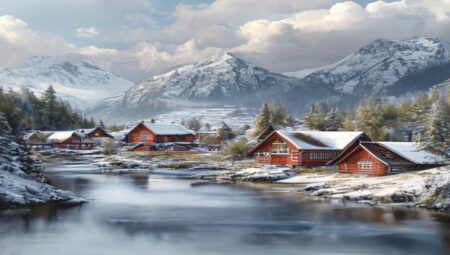
The Sámi people, recognized as the only indigenous population within the European Union, have inhabited the northern reaches of Fennoscandia for millennia. Historically defined by a deeply nomadic existence, their ancestral territories span across the Arctic and subarctic zones of Norway, Sweden, Finland, and the Russian Kola Peninsula. This vast region, often referred to as Sápmi, encompasses diverse ecological zones ranging from coastal fjords to dense boreal forests and treeless mountain plateaus. The Sámi nomadic lifestyle was fundamentally shaped by seasonal migration patterns, requiring profound geographic literacy and adaptive survival strategies long before modern border divisions fractured their traditional grazing lands.
Traditional Livelihoods and Reindeer Herding
The Symbiosis Between Herders and Reindeer
Sámi reindeer husbandry stands as one of the last large-scale nomadic pastoral systems in Europe. This practice is not merely an economic activity but a comprehensive ecological knowledge system passed down through generations. Herders rely on intricate understanding of lichen growth cycles, snow crust formation, and migratory corridors to maintain herd health. The seasonal transhumance of reindeer requires precise coordination between family units, specialized sleds, and traditional tracking methods that minimize environmental disruption while maximizing livestock survival rates.
Economic Adaptation and Modern Challenges
While approximately half of the Sámi population engages in reindeer herding, others historically supplemented their livelihoods through coastal fishing, bird hunting, and fur trapping. Contemporary pressures from mining operations, hydroelectric dam construction, and forestry expansion have severely restricted traditional grazing corridors. Legal frameworks across Scandinavian nations now mandate Sámi land rights consultations, yet conflicts over resource extraction versus indigenous sovereignty remain central to ongoing policy debates within Northern Europe.
Cultural Expressions and Artistic Heritage
The Ancient Practice of Joik
Joik tradition represents a unique vocal art form that predates written Sámi history. Unlike conventional songs, a joik does not describe a subject but rather embodies its essence through melodic patterns, rhythmic breathing, and tonal variation. Historically performed during rituals, storytelling sessions, and communal gatherings, the Sámi joik functions as an auditory signature connecting individuals to landscapes, animals, or ancestral lineages. Modern ethnomusicologists classify this practice as a critical component of oral heritage preservation, recognizing its role in maintaining linguistic continuity across generations.
Duodji and the Gákti: Functional Artistry
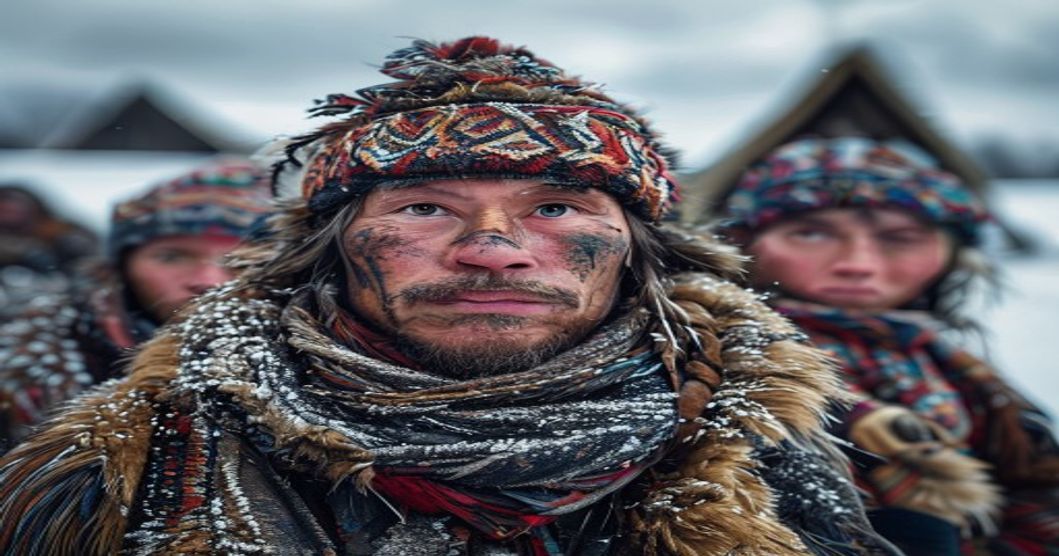
Duodji handicrafts encompass a highly specialized category of Sámi woodworking, metalworking, and leather crafting designed for both utilitarian purposes and cultural identification. Each region within Sápmi developed distinct visual dialects encoded in fiber weaving patterns, silver button placements, and color symbolism. The traditional gákti clothing system operates as a complex communication network; the cut, embroidery density, and regional color palette instantly signal the wearer’s home municipality, marital status, and economic standing. Contemporary artisans continue to utilize native materials like reindeer antler, birch bark, and wool from indigenous sheep breeds to maintain authentic production standards.
Spiritual Beliefs and Cosmology
Shamanism and the Sieidi Stones
Pre-Christian Sámi shamanism centered on an animistic worldview where natural phenomena possessed spiritual agency. The noaidi, or ritual specialist, utilized a carved drum to navigate spirit realms during trance states, seeking guidance for hunting success and community wellbeing. Sacred sites known as sieidi stones served as physical anchors for spiritual energy, often located at geographic thresholds like mountain passes, lake outlets, and ancient forest clearings. Missionary campaigns during the 17th and 18th centuries systematically suppressed these practices, forcing spiritual expressions underground and necessitating modern cultural revival efforts.
Ancestral Veneration and Ecological Ethics
Sámi cosmology emphasizes reciprocal responsibility toward the natural environment rather than human dominance over nature. Traditional ecological knowledge dictates strict seasonal harvesting limits, sacred grove protections, and respectful treatment of animal remains after hunting expeditions. This indigenous environmental philosophy aligns closely with contemporary conservation science, offering valuable frameworks for sustainable Arctic resource management and biodiversity preservation in rapidly warming northern ecosystems.
Modern Preservation and Cultural Revitalization
Political Advocacy and Language Rights
The establishment of the Sámi Parliament institutions across Norway, Sweden, and Finland marked a transformative shift toward indigenous self-determination. These representative bodies coordinate educational funding, linguistic documentation projects, and cultural policy implementation. With over a dozen Sámi language variants facing varying degrees of endangerment, intensive revitalization programs utilize immersion schooling, digital dictionaries, and broadcast media to reverse language attrition. Legal recognition of Sámi as official minority languages has enabled courtroom access, administrative correspondence, and municipal signage in native tongues.
Contemporary Art and Digital Heritage
Modern Sámi creators actively blend ancestral motifs with contemporary mediums, producing acclaimed works in visual art, literature, cinema, and electronic music. International recognition through UNESCO Intangible Cultural Heritage designations has amplified global awareness of Sámi artistic sovereignty. Digital preservation initiatives now catalog thousands of historical audio recordings, archival photographs, and genealogical records, ensuring intergenerational access to ancestral knowledge. Youth-led cultural festivals, traditional skills workshops, and cross-border Sámi academic networks continue strengthening indigenous identity while navigating the complexities of globalization.
Frequently Asked Questions: Indigenous Sami People of Northern Europe
What is Indigenous Sami People of Northern Europe?
The Indigenous Sami people of Northern Europe are the only officially recognized indigenous people within the European Union. They are the traditional inhabitants of Sápmi, a cultural region spanning the northern parts of Norway, Sweden, Finland, and the Kola Peninsula of Russia. The Sami have maintained a distinct language, culture, and traditional livelihoods—including reindeer herding, hunting, fishing, and duodji (handicrafts)—for thousands of years.
Key facts about Indigenous Sami People of Northern Europe
Key facts include: 1) They speak Uralic languages belonging to the Sami language family, which is distinct from the surrounding Nordic languages. 2) Their ancestral homeland is collectively known as Sápmi. 3) Reindeer herding remains a central economic, cultural, and spiritual practice for many Sami communities. 4) They have established their own Sami Parliaments in Norway, Sweden, and Finland to safeguard their cultural rights and self-governance. 5) The Sami flag, adopted in 1986, and the color purple are powerful symbols of their unity and identity.