
Ancient Foundations of the Seven-Day Cycle
The seven-day week origins trace back to early Mesopotamian civilizations, where Babylonian astronomers observed lunar phases and established a recurring cycle aligned with celestial movements. Unlike modern decimal systems, ancient timekeeping relied on septenary mathematics, dividing the month into four segments of seven days each. This structure emerged from systematic observations of moon waxing and waning, providing a predictable framework for religious rituals, agricultural planning, and civic administration.
Mesopotamian and Babylonian Beginnings
Babylonian scribes documented weekly cycles on clay tablets as early as the eighth century BCE, linking each day to one of seven visible celestial bodies: the sun, moon, Mars, Mercury, Jupiter, Venus, and Saturn. These assignments were not arbitrary but derived from precise astronomical tracking and astrological belief systems. The ancient rhythm for the digital age finds its mathematical ancestor in this septenary division, which balanced observational accuracy with administrative practicality.
Lunar Phases and Celestial Observations
The synchronization of calendar weeks with lunar quarters created a natural feedback loop between sky observation and human scheduling. Each new moon marked the beginning of a fresh cycle, while intercalary days maintained alignment with solar years. This dual-system approach prevented seasonal drift and established a template for future calendar reforms across Eurasia.
Cross-Cultural Transmission and Imperial Adoption
As empires expanded, septenary week structures diffused through trade routes, conquest, and diplomatic exchanges. Greek astronomers adopted Babylonian planetary day assignments, while Roman administrators initially resisted foreign timekeeping in favor of their market-day nundinal cycles. Political centralization eventually forced standardization, embedding the seven-day framework into imperial bureaucracy.
Greek and Roman Adaptations
Stoic philosophers and Hellenistic scholars translated Babylonian astronomical records into Greek, preserving planetary day associations through mathematical tables. Roman legal documents from the second century CE reveal a transitional period where both nundinal markets and seven-day cycles coexisted. Imperial decrees gradually prioritized septenary scheduling for tax collection, military mobilization, and religious festivals.
Constantine’s Decree and Christian Institutionalization
The Constantinian edict of 321 CE formally established Sunday as the official day of rest across the Roman Empire, merging solar worship traditions with emerging Christian Sabbath observance. This legislative move standardized the seven-day week throughout Europe and later influenced colonial calendar systems worldwide. The institutionalization process transformed an astronomical observation into a binding socio-economic rhythm.
Astronomical and Mathematical Rationalizations
Medieval scholars sought logical justifications for septenary timekeeping, developing complex systems to reconcile lunar months with solar years. Planetary hour divisions assigned each of the seven celestial bodies to successive hours within a day, creating nested temporal frameworks that influenced medieval chronology and modern computing architecture.
Planetary Hours and Astrological Frameworks
Astrological timekeeping divided daylight and nighttime into twelve unequal segments governed by planetary rulerships. The seven-day week origins in this system emerge from the sequential rotation of ruling planets, producing a repeating pattern that mathematicians later formalized through modular arithmetic. This celestial clockwork provided early models for periodic scheduling algorithms.
Decimal vs. Septenary Timekeeping Conflicts
During the French Revolution and subsequent metric reforms, decimal weeks faced institutional pushback due to entrenched cultural habits and commercial dependencies. Mathematical analyses demonstrated that septenary cycles align more naturally with human circadian recovery patterns and agricultural planting windows. Modern temporal studies confirm that seven-day intervals optimize cognitive rest without disrupting long-term project continuity.
The Seven-Day Rhythm in Modern Digital Workflows
Contemporary productivity systems inadvertently replicate ancient septenary structures through sprint cycles, weekly reports, and algorithmic scheduling. Digital platforms leverage cultural inertia to maintain predictable engagement patterns, while remote work architectures depend on standardized intervals for synchronization.
Psychological Recovery Cycles and Historical Continuity
Cognitive neuroscience validates that seven-day recovery periods match ultradian and infradian biological rhythms, reducing burnout and enhancing decision-making capacity. Historical timekeeping inadvertently preserved a neurologically optimal interval, demonstrating how ancient observational practices outlasted their original astronomical justifications.
Algorithmic Scheduling and Cultural Inertia
Machine learning models for workforce optimization continue to default to septenary patterns because historical data archives contain continuous weekly records. Platform economies reinforce this structure through subscription billing, content release schedules, and notification algorithms that exploit established behavioral loops. The ancient rhythm for the digital age persists not through astronomical necessity but through systemic path dependency.
The seven-day cycle dominates modern life, shaping work schedules, school timetables, and media releases. Yet the week itself isn’t a clearly defined natural unit. While years relate to the sun, months to the moon, and days to the Earth’s rotation, a week remains a human convention with no single astronomical anchor.
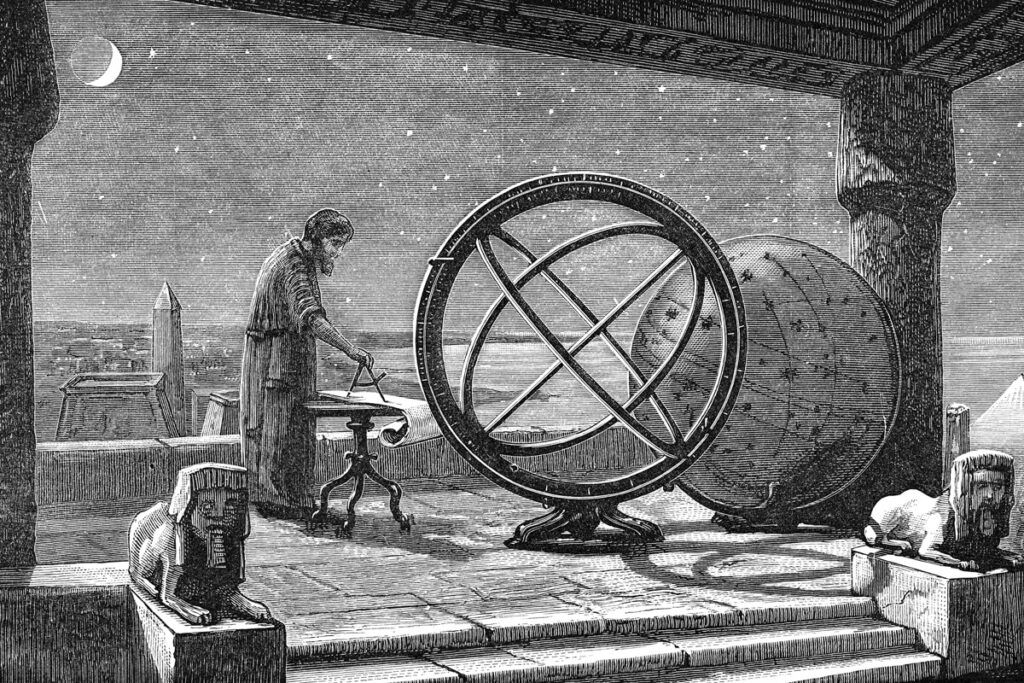
Why seven days rather than five, eight, or twelve? The answer lies in a blend of ancient observation, religious practice, and historical choices that gradually coalesced into today’s calendar system.
Looking back, many historians point to Mesopotamia as a key cradle for the week’s structure. The Babylonians tracked the heavens and assigned special significance to the number seven, noting seven major celestial bodies visible with the naked eye: the Sun, the Moon, and five planets. In that era, a lunar cycle of about 29.5 days could be divided into roughly four seven-day segments, suggesting a recurring rhythm that informed early timekeeping.
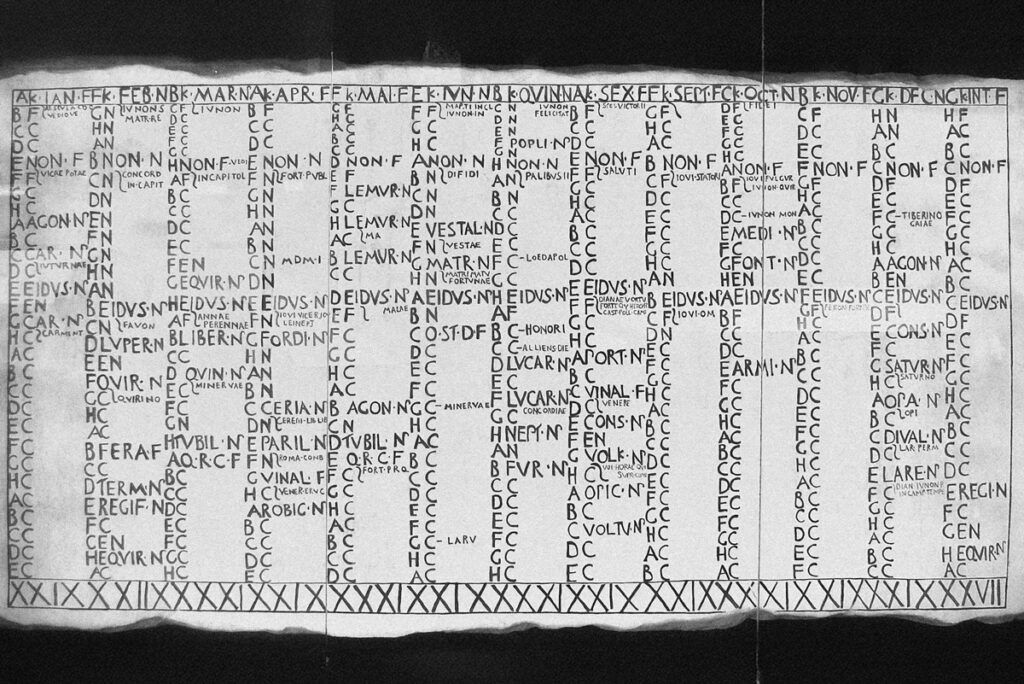
Nevertheless, the link between the modern week and Babylonian practice is debated. Some scholars emphasize the Jewish tradition as equally influential; the Genesis narrative frames a six-day creation followed by a Sabbath of rest, instituting a weekly rest day that persisted even as lunar calendars evolved. In contrast, Roman civil life originally lived on an eight-day market cycle, a scheme later reshaped by the spread of planetary naming and Christian and later cultural adaptations.