The Tavern and Inn Network: Alcohol-Driven Social Infrastructure
Broadly distributed across rural parishes and urban wards, medieval taverns and alehouses functioned as the primary nodes of non-ecclesiastical social interaction. Operating under municipal licensing or feudal manorial rights, these establishments served fermented beverages such as small beer, cider, and regional wines that were safer than untreated water. Beyond intoxication, taverns operated as information exchanges, where merchants negotiated tariffs, artisans shared workshop techniques, and itinerant laborers secured employment. Many inns doubled as temporary courthouses, hosting manorial courts and guild assemblies when civic buildings were unavailable.
Cross-Class Networking and Legal Functions
Tavern spaces facilitated vertical social mobility, allowing peasant producers to interface directly with merchant intermediaries and minor nobility. Records from fourteenth-century England and the Low Countries document alehouses hosting public readings of royal proclamations, debt settlements, and marriage contracts. The physical layout—typically a single great hall with communal long tables—forced sustained interaction among patrons of disparate economic strata, effectively functioning as informal civic forums where trade disputes were mediated before formal magistrates.
Monastic Complexes: Spiritual and Communal Crossroads
While ecclesiastical rules dictated strict liturgical routines, medieval monastery grounds operated as decentralized social infrastructure. The refectory, guesthouse (hospitium), and courtyard gardens hosted pilgrims, traveling scholars, merchant caravans, and displaced nobility. Monasteries maintained extensive correspondence networks that circulated agricultural innovations, medical treatises, and political intelligence across regional boundaries.
Scriptoria Courtyards as Knowledge Distribution Centers
Monastic scriptoria and cloisters functioned as early intellectual hubs, where scribes copied classical texts alongside contemporary chronicles. Pilgrimage routes deliberately converged at major abbeys, transforming religious sites into commercial and conversational crossroads. The almonry gates routinely distributed grain to urban poor during famine cycles, establishing charitable social networks that prefigured later municipal welfare systems. These complexes also housed traveling physicians, apothecaries, and master craftsmen who shared technical knowledge in exchange for lodging.
Market Squares and Guildhalls: Commercial and Civic Assembly Points
Urban market squares served as the economic and social arteries of medieval towns, operating on fixed weekly schedules that synchronized agricultural production with artisanal output. The physical marketplace was flanked by permanent stalls, weighing houses, and coin exchange counters, creating a high-traffic environment where gossip, contract negotiations, and political agitation occurred simultaneously.
Guildhall Chambers and Professional Stratification
Craft guildhalls functioned as exclusive social fortresses, regulating apprenticeship progression, wage standards, and mutual aid funds. Membership required substantial financial contributions, effectively filtering participants by economic status while fostering intense professional solidarity. Guild halls hosted feast days, political elections, and emergency municipal councils, operating as proto-parliamentary spaces where urban governance intersected with commercial interests. The architectural design—featuring raised daises for masters, tiered seating for journeymen, and dedicated storage for trade tools—physically reinforced occupational hierarchy while enabling structured debate.
Public Bathhouses and Thermae Revivals: Hygiene and Social Equality
Before the fourteenth-century plague cycles altered public health perceptions, communal bathhouses operated as highly regulated social equalizers. Urban centers from Constantinople’s influence zones to Germanic river towns maintained steam rooms, plunge pools, and massage chambers accessible to merchants, clergy, and skilled laborers on sliding fee scales.
Ritualized Interaction and Cross-Cultural Exchange
Bathhouse protocols enforced strict temporal segregation, with designated hours for women, married men, and unmarried youth, yet the shared environment naturally facilitated cross-class dialogue. Bathers exchanged trade ledgers, discussed agricultural yields, and debated theological interpretations in steam-warmed air. The facilities also housed herbalists who sold topical remedies and dietary consultants who prescribed bathing regimens alongside medicinal teas. When municipal authorities later restricted operations due to epidemic fears, the collapse of these neutral social spaces accelerated urban stratification, forcing interaction back into economically exclusive venues.
Cathedral Closeyards and University Quarters: Intellectual and Clerical Networks
The architectural footprint surrounding cathedrals created semi-autonomous intellectual zones where clergy, canon lawyers, and visiting theologians maintained continuous dialogue. Cathedral closeyards housed chapels, lecture rooms, and manuscript libraries that operated as early academic salons, predating formal university structures by centuries.
Student Lodging Halls and Scholastic Debates
Historically, European streets and rooms served as the real centers of social life long before coffee arrived. People gathered in familiar spaces to exchange news, trade, and socialize, using warmth and companionship to fill daily routines. In this era, caffeine was not a factor, and the social fabric depended on venues that offered conversation and community rather than a caffeinated beverage.
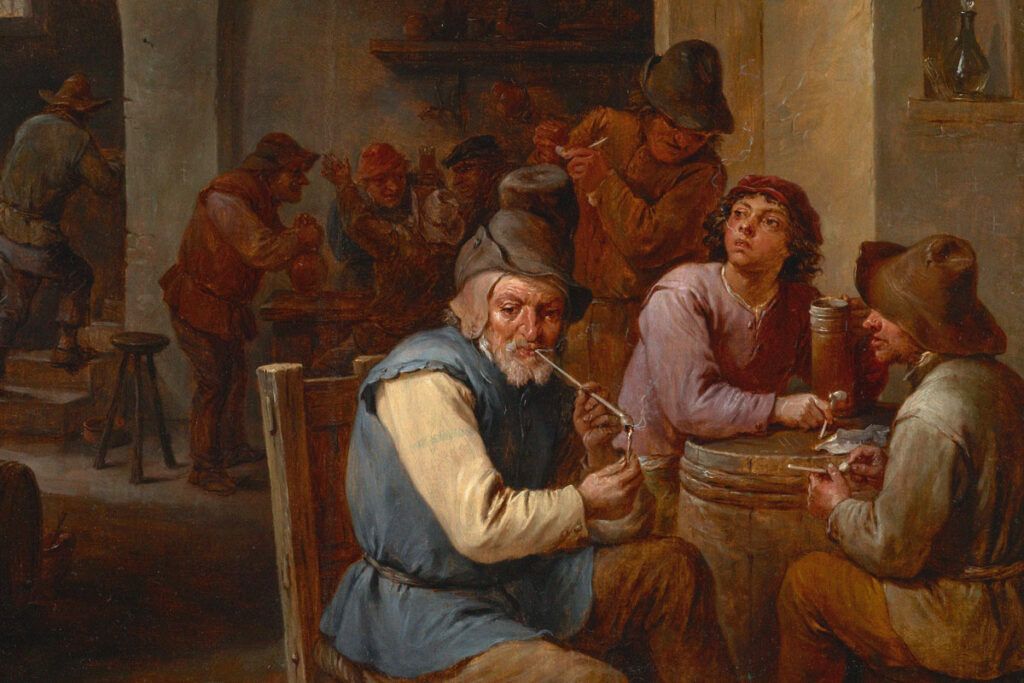
Across towns, taverns and inns stood as the primary meeting places. They welcomed travelers seeking food and lodging and locals looking to conduct business or share gossip. Alehouses, more common and accessible, catered to laborers and families alike with modest settings, affordable drinks, and a place to linger. Bathhouses complemented these hubs, especially in Central and Northern Europe, where people spent long hours relaxing, dining, and negotiating matters of daily life. Together, such spaces acted as medieval equivalents to modern third places, blending social life with practical functions.
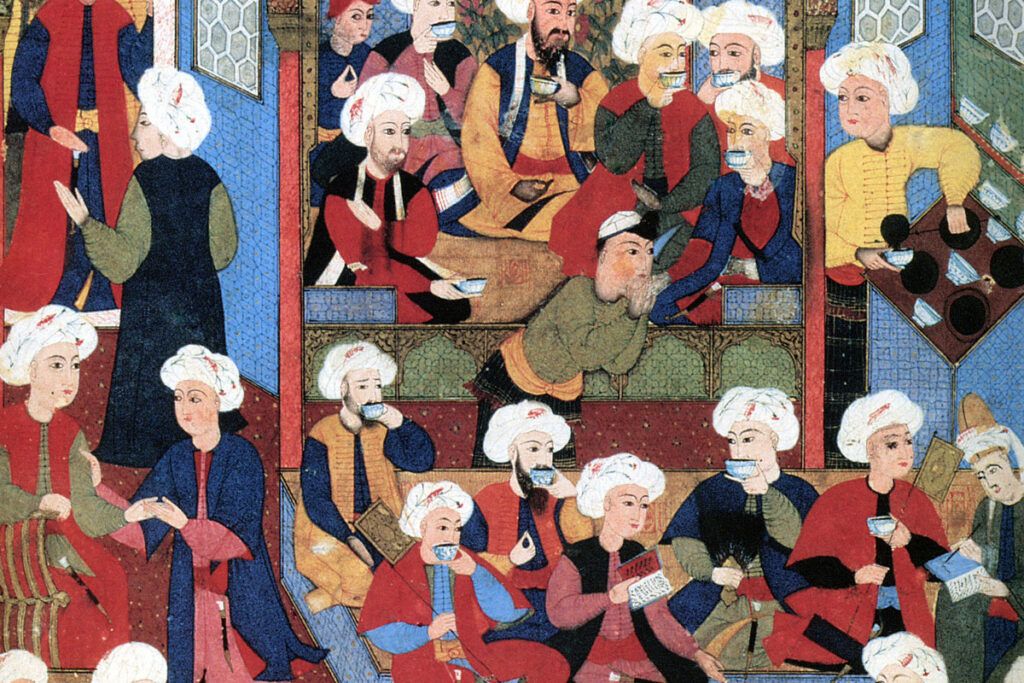
The shift toward a formal coffee culture began beyond Europe. In the Islamic world, coffeehouses—kaveh kanes—emerged as bustling centers where patrons could drink coffee, play games, listen to storytellers, and discuss politics. These establishments maintained egalitarian norms—any man could buy a cup—which sometimes drew the attention of rulers and led to periodic bans in some realms for stirring political debate.
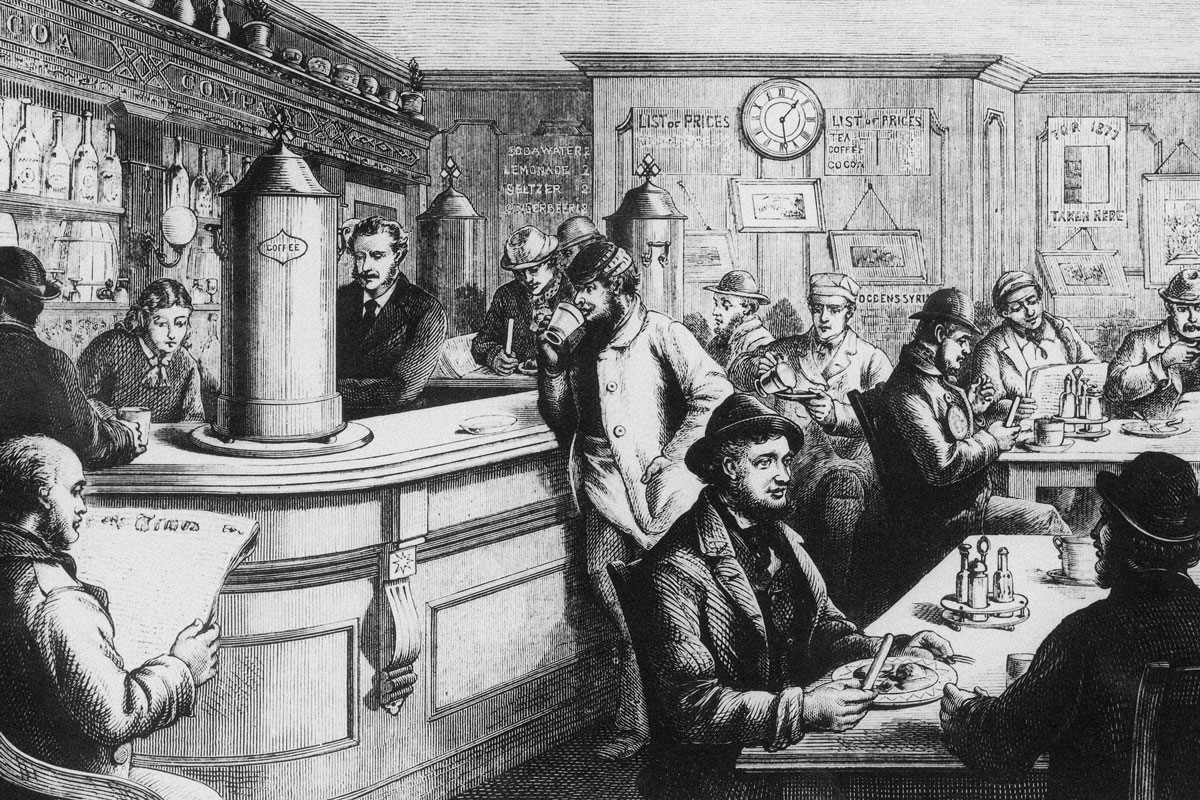
When coffee finally crossed into Europe in the 17th century, it did so in cities like Venice (1629), Oxford (1650), and London (1652). The new venues adopted a gentler, more contemplative atmosphere than traditional taverns. They emphasized conversation, news gathering, and networking; the infamous penny university in Oxford highlighted this idea—the price of a cup granted access to information and lively debate. Over time, European coffeehouses evolved into multifaceted spaces that even hosted early corporate life, from mailrooms to stock exchanges, and inspired the foundations of notable institutions.
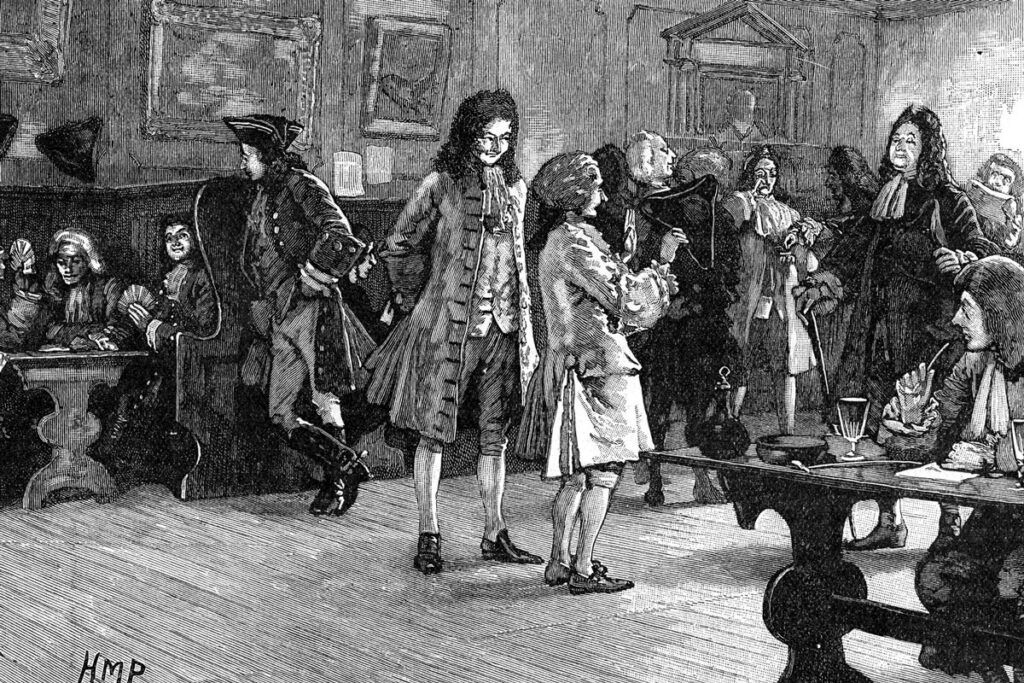
Despite later shifts toward tea and other social settings, the essence of the coffeehouse persisted. The enduring lesson is that long before coffee, communities already valued private and public gathering spots that fostered warmth, dialogue, and connection.