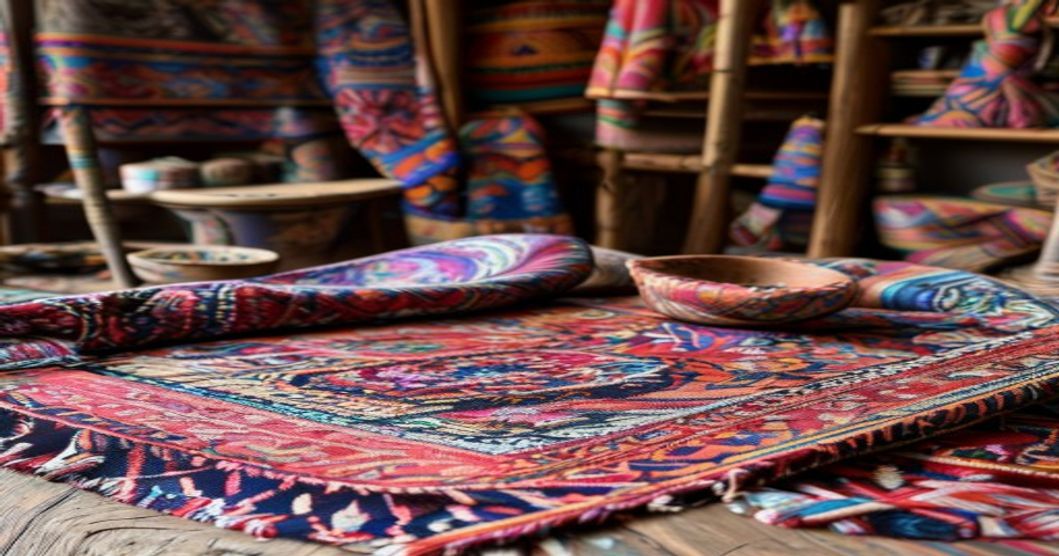
The Foundations of Sami Textile Art
The Sami textile art represents one of the most resilient indigenous crafting traditions in Northern Europe, rooted in centuries of adaptation to Arctic environments. Unlike mainstream European weaving movements, Sámi textile production remained tightly bound to nomadic reindeer herding lifestyles, seasonal migration routes, and communal knowledge transfer. Historically, these textiles served utilitarian purposes—weather protection, livestock management, and trade—while simultaneously encoding generational cultural heritage through precise structural rules and color palettes.
Historical Roots and Indigenous Knowledge
Sámi weaving techniques predate written records, with archaeological evidence pointing to textile production as early as the Iron Age. Elders transmitted loom mechanics, fiber preparation, and dye extraction methods orally, ensuring continuity despite colonial suppression policies in Norway, Sweden, Finland, and Russia. The craft survived through household reproduction, where children learned twining, tapestry weaving, and felted reinforcement before adolescence. Each region developed distinct technical signatures tied to local microclimates and reindeer herd genetics.
Essential Materials and Natural Resources
Traditional Sami textile art relies exclusively on locally sourced, renewable fibers. The primary components include domestic sheep wool (often crossbred with hardy Arctic strains), reindeer hair harvested during spring molting, and nettle fibers processed in summer months. Wool is graded by fineness: coarse outer hair provides structural durability, while fine underwool ensures thermal insulation. Natural dyeing processes utilize birch bark (yellow), bog myrtle (green), lichen species (orange-red), and fermented iron-rich soil (black-gray), creating pH-dependent colorfast pigments that resist Arctic UV degradation.
Traditional Weaving Techniques and Tools
The technical architecture of Sámi weaving diverges significantly from Mediterranean or Asian tapestry traditions. Artisans employ backstrap looms, vertical frame looms, and rigid heddle systems adapted to portable field conditions. The dominant structure is warp-faced tabby, where high-tension warps completely cover the weft, generating dense, windproof fabrics essential for reindeer-driving gear and winter garments.
Loom Construction and Warp-Face Structures
Sámi loom frames are typically carved from spruce or pine, with tension regulated by wooden wedges and leather straps. Weavers manipulate multiple heddle rods and shedding sticks to create complex interlacing patterns without mechanical assistance. The warp density exceeds 30 ends per centimeter, producing fabrics with a characteristic rigid handfeel. Pattern development relies on supplementary weft floating techniques, where colored threads are manually carried across the warp to form geometric bands.
Reindeer Hair and Wool Integration
The hybridization of reindeer hair and sheep wool defines Sámi technical innovation. Reindeer hair is scoured in running water, carded with bone combs, and spun using drop spindles weighted by stone or antler. When blended at 20–40% reindeer content, the resulting yarn exhibits superior moisture-wicking properties and static resistance. Weavers apply twist-locking methods to prevent fiber slippage during high-tension beating, ensuring decades-long durability for harness straps, sled runners, and ceremonial
Frequently Asked Questions
What is Sami Textile Art and Craftsmanship?
Sami Textile Art and Craftsmanship refers to the traditional weaving, embroidery, and textile techniques practiced by the Sámi people, the indigenous inhabitants of the northern regions of Norway, Sweden, Finland, and Russia. This art form is deeply intertwined with their cultural identity, utilizing natural fibers like wool and reindeer hair, and features distinctive patterns that often symbolize nature, spirituality, and community heritage.
Key facts about Sami Textile Art and Craftsmanship?
Key facts about Sami Textile Art and Craftsmanship include its use of sustainable, locally sourced materials such as wool and reindeer hair; the incorporation of symbolic motifs representing elements of the Arctic environment; the historical reliance on hand-weaving looms and traditional dyeing methods using lichen and berries; and its recognition as an important intangible cultural heritage that continues to evolve while preserving ancestral techniques.