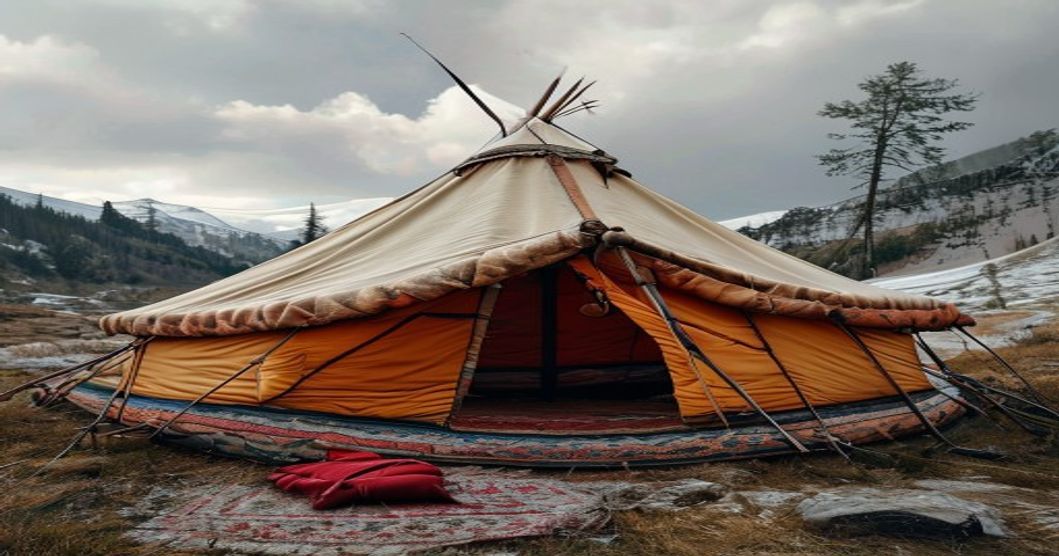
The Sámi Lavvu: Architecture of the Arctic Nomads
The Sámi lavvu tent represents one of the most resilient forms of traditional Indigenous architecture in Northern Europe. Designed specifically for the harsh Arctic climate, this conical shelter has served the Sámi people—a reindeer-herding indigenous community spanning Norway, Sweden, Finland, and Russia—for centuries. Unlike permanent structures, the lavvu embodies a mobile architectural philosophy that prioritizes rapid assembly, thermal efficiency, and complete compatibility with nomadic lifestyles.
Historical Roots and Cultural Significance
Sámi heritage is deeply intertwined with seasonal migration routes across Sápmi, the traditional Sámi homeland. The lavvu emerged as a practical response to extreme temperature fluctuations, heavy snowfall, and limited timber availability. Historically, these tents functioned as temporary family dwellings during reindeer herding cycles, ensuring that communities could follow grazing patterns without permanent infrastructure. Each lavvu was more than a shelter; it operated as a living space for storytelling, food preparation, and spiritual rituals centered on nature reverence.
Structural Design and Engineering Principles
The architectural integrity of the lavvu tent design relies on a precise tension-based framework. Approximately thirty to forty straight birch or pine poles are arranged in a conical formation, lashed together at the apex with reinforced cordage made from reindeer sinew or braided plant fibers. The base expands outward to create a stable footprint that resists high winds while allowing for rapid disassembly. Modern architectural studies confirm that this nomadic tent engineering distributes wind load efficiently across the entire structure, preventing collapse during Arctic storms.
Traditional Materials and Sustainable Building Practices
Sustainable resource utilization defines traditional Indigenous architecture in Sámi culture. Exterior coverings historically consisted of layered reindeer hides, sewn together with natural tallow for water resistance, while summer variants utilized birch bark or woven grass mats. Interior insulation relied on dried moss, reindeer fur rugs, and strategically placed snow blocks to regulate temperature differentials. Every component was biodegradable and harvested through rotational grazing practices that maintained ecological balance across fragile tundra ecosystems.
Geographic Adaptation Across Sápmi
Variations in Sámi lavvu construction reflect microclimatic differences across the Arctic region. Coastal communities developed wider base diameters to accommodate salt-laden winds, while inland herders optimized pole length for heavy snow load distribution. The Fennoscandian variant typically features a central hearth positioned directly beneath the apex vent, whereas Kola Peninsula models incorporate reinforced sidewalls to combat persistent subzero temperatures. These architectural adaptations demonstrate how Indigenous Arctic architecture evolved through localized environmental observation rather than standardized blueprints.
Seasonal Functionality and Climate Resilience
The Sámi lavvu tent operates as a dynamic climate control system. During winter months, snow accumulation on the exterior acts as an additional insulating layer, while the central fire generates convective airflow that prevents interior condensation. Summer configurations prioritize cross-ventilation through adjustable pole tension and removable hide panels. Engineers studying sustainable arctic shelter design note that the lavvu’s thermal performance rivals modern insulated cabins despite utilizing only natural materials and zero mechanical systems.
The Lavvu in Contemporary Indigenous Architecture
Modern architectural discourse increasingly recognizes the Sámi lavvu as a precedent for eco-conscious design. Contemporary builders adapt its conical geometry using reclaimed timber, recycled canvas, and solar-compatible ventilation systems to create off-grid structures that maintain historical authenticity while meeting modern building codes. The tent’s modular framework has also influenced contemporary geodesic dome engineering, demonstrating how traditional Indigenous architecture provides actionable solutions for sustainable housing in extreme environments.
Preservation Efforts and Cultural Revival
Institutional documentation of Sámi nomadic architecture has accelerated through university-led ethnographic projects and Sámi cultural centers. Workshops teach younger generations traditional pole-lashing techniques, hide-tanning methods, and spatial orientation principles tied to celestial navigation. Architectural firms collaborating with Sámi communities now integrate lavvu-inspired spatial planning into public buildings, ensuring that Arctic heritage remains a living practice rather than a historical artifact.
Frequently Asked Questions
What is What Is a Sami Lavvu Tent??
A Sami Lavvu (also known as a lávvu) is a traditional conical tent used by the Sámi people of northern Scandinavia for centuries. It is typically constructed from wooden poles covered with canvas or reindeer hides, designed to withstand harsh Arctic conditions while providing warmth and shelter for nomadic lifestyles.
Key facts about What Is a Sami Lavvu Tent?
- Structure: Features a central fire pit with smoke holes at the apex, allowing ventilation while retaining heat.
- Materials: Traditionally made from locally sourced wood, reindeer hides, or heavy-duty canvas.
- Purpose: Historically used during reindeer herding migrations and seasonal camps.
- Cultural Significance: Represents Sámi heritage and sustainable, mobile living in extreme climates.
- Modern Use: Now popular for eco-tourism, glamping, and cultural demonstrations worldwide.