Historical Foundations of Sami Reindeer Racing
Origins in Indigenous Winter Traditions
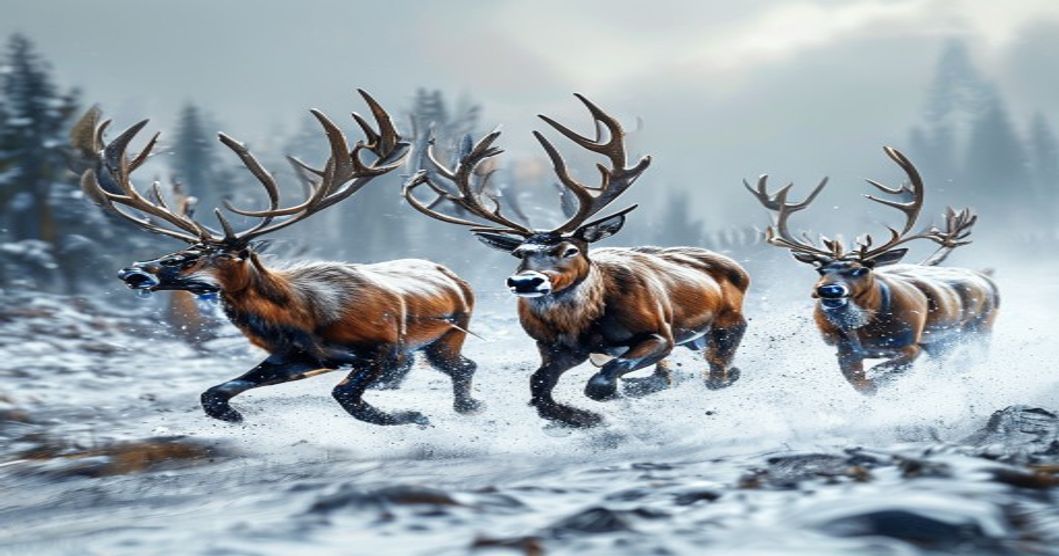
The Sami reindeer races trace their lineage to centuries-old practices of the indigenous Sami people across Fennoscandia. Historically, these events were not merely athletic contests but vital logistical tools for selecting fast, resilient animals for migration routes and winter survival. Early documentation from the 17th century reveals that seasonal gatherings served as both economic exchanges and cultural reunions, where reindeer herding traditions were tested through timed gallops across frozen tundra. The competitive format evolved organically from practical needs, ensuring herd mobility while reinforcing social hierarchies based on herding expertise.
The Architecture of Competition: Race Formats and Rules
Sprint Races and Distance Challenges
Contemporary Sami winter sports competitions categorize races into sprint distances, typically 1,500 meters, and endurance events spanning up to 15 kilometers. Riders, known as Sami horsemen though they mount reindeer, utilize traditional leather saddles called seahkka without stirrups or reins, relying solely on leg pressure and vocal commands. Judges evaluate speed, animal welfare, and rider technique, with penalties applied for excessive force or disqualification of animals showing fatigue. Modern rulebooks, standardized by the International Reindeer Racing Federation, mandate veterinary checks before each heat, preserving the ethical core of indigenous athletic traditions.
Cultural Symbolism and Community Cohesion
Rituals, Music, and Intergenerational Knowledge Transfer
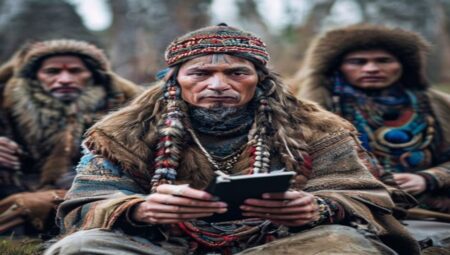
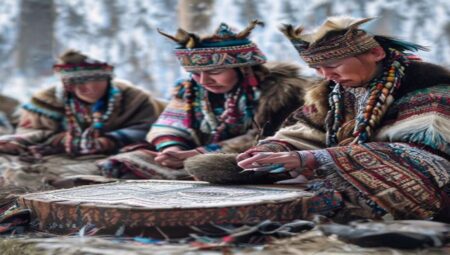
Beyond athleticism, these races function as living archives of Sami heritage. The opening ceremonies feature joik vocalizations that map ancestral migration paths, while woven Sami duodji crafts adorn starting gates and victory podiums. Elders pass down topographical navigation skills through race commentary, teaching youth how to read ice thickness, wind direction, and reindeer gait patterns. This oral transmission ensures that Arctic cultural resilience remains embedded in competitive frameworks, transforming stadiums into classrooms where linguistic revival and seasonal rhythm intersect.
Ecological Symbiosis: Reindeer as Livelihood and Landscape Managers
Sustainable Herding Practices and Climate Adaptation
The reindeer herding economy operates on a closed-loop relationship with boreal ecosystems. Races highlight animals selected for traits like thick winter coats, high metabolism, and territorial instinct, qualities essential for grazing beneath snow crusts and deterring predators. However, climate change impacts on Arctic pastures have forced adaptive breeding programs that balance speed with stress tolerance. Traditional ecological knowledge, documented through race-day herder interviews, informs modern sustainability models, demonstrating how indigenous environmental stewardship mitigates permafrost degradation and maintains lichen biodiversity across fragmented ranges.
Modern Revival and Global Recognition
International Festivals, Media Representation, and Cultural Preservation
The Sami Reindeer Cup and regional festivals in Tromsø, Rovaniemi, and Kiruna have professionalized the sport while resisting cultural commodification. Broadcast rights are negotiated through Sami broadcasting councils, ensuring authentic narration in North and South Sami languages. Academic partnerships now analyze biometric data from race-qualified herds to predict migration shifts, merging contemporary Arctic sports with climate science. UNESCO monitoring bodies recognize these events as safeguarding mechanisms for intangible cultural heritage, funding digital archives that record race histories, animal genealogies, and ritual protocols against erasure.
“`html
Frequently Asked Questions About Reindeer Racing in Sami Culture
What is Reindeer Racing in Sami Culture?
Reindeer racing is a traditional and culturally significant event among the Sami people, the indigenous inhabitants of northern Fennoscandia (Norway, Sweden, Finland, and Russia’s Kola Peninsula). In this event, riders compete on reindeer across snow-covered terrain, showcasing skills that have been passed down through generations. The race is not merely a sport but a celebration of the deep bond between the Sami and their reindeer, reflecting centuries of coexistence, survival, and cultural identity in the harsh Arctic environment.
Key Facts About Reindeer Racing in Sami Culture
- Reindeer racing has been practiced for centuries as part of Sami herding traditions and seasonal migrations.
- It is most prominently featured during the annual Sami Winter Festival (Saamelaisjääkäri) and other cultural gatherings in northern Scandinavia.
- The races typically involve both adult and youth categories, emphasizing the intergenerational transmission of Sami knowledge.
- Reindeer used in racing are specially trained and remain an essential part of the Sami livelihood, providing food, clothing, and materials.
- The event serves as a powerful symbol of Sami resilience and cultural revival amid historical pressures of assimilation.
- Reindeer racing is closely linked to the Sami calendar and marks the transition between summer pastures and winter grazing lands.
- Modern reindeer racing competitions also promote environmental awareness and the sustainable management of reindeer herds.
“`