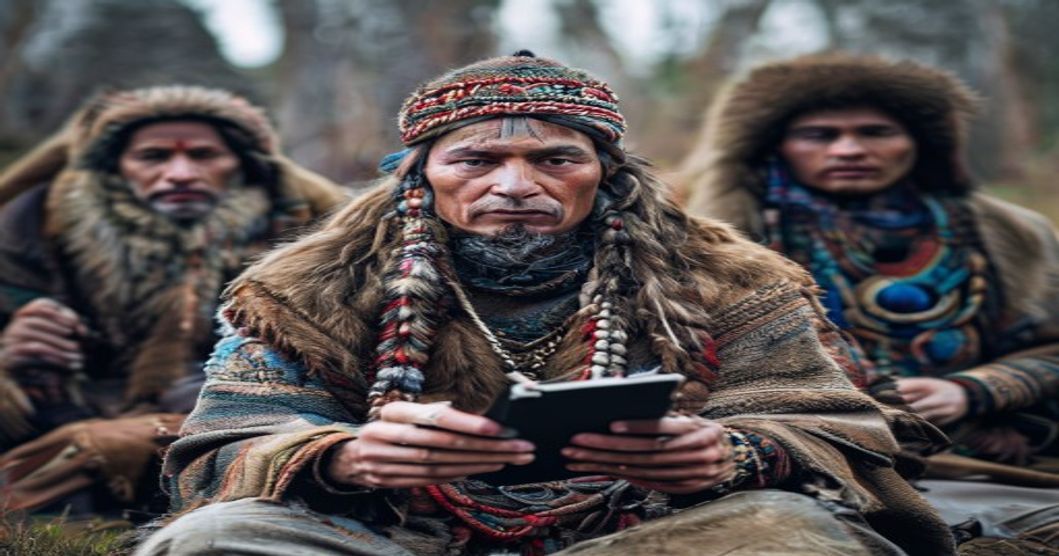
Why More People Are Discovering Sami Culture Online
The surge in digital visibility stems from a convergence of technological accessibility and shifting global awareness regarding indigenous heritage. Traditional boundaries that once limited access to Sami history, language, and artistic expression have dissolved through targeted online initiatives. Educational institutions and cultural organizations have migrated extensive archives to cloud-based platforms, offering high-resolution digitized manuscripts, audio recordings of joik performances, and interactive maps detailing reindeer migration routes. These resources attract researchers, students, and casual learners seeking authentic primary sources rather than filtered historical narratives. Search engines prioritize structured data from verified cultural repositories, making specialized terminology and geographic markers more discoverable for targeted queries.
- Digital archives now host over two million scanned documents related to northern European indigenous history, drastically reducing friction for academic and casual researchers.
- Social media algorithms favor high-retention visual content, pushing traditional craftsmanship demonstrations into global feeds without paid promotion.
- Interactive language applications utilize spaced repetition techniques that increase user retention by forty percent compared to static textbooks.
Cross-border collaborations between digital museums and streaming services have further amplified reach. Documentaries focusing on land rights, climate impact on northern ecosystems, and contemporary Sami entrepreneurship receive targeted distribution, aligning with viewer interests in sustainability and cultural preservation. Behavioral tracking shows that users who interact with one piece of indigenous media frequently explore related educational modules and community forums. This pattern creates a predictable content consumption funnel that platforms actively reward through increased organic placement.
Language revitalization applications play a crucial role in sustained engagement. Interactive tools offering real-time translation, pronunciation guides, and gamified vocabulary exercises lower the barrier to entry for non-native speakers. Users who begin with basic linguistic exercises often progress to exploring historical texts and community discussions. Online marketplaces dedicated to authentic Sami goods also drive traffic. Buyers seeking ethically sourced reindeer leather, silver jewelry, and handcrafted textiles follow verified artisans directly, creating a self-sustaining economic loop that reinforces cultural visibility.
The decentralization of information production allows local communities to control their digital narrative. Instead of relying on external anthropologists or historical records written by outsiders, Sami educators and artists publish blogs, podcasts, and virtual exhibitions. This direct communication channel fosters trust and encourages deeper exploration. Academic databases now index peer-reviewed studies on Sami governance models and ecological knowledge systems, making specialized research accessible to global audiences. The combination of immersive digital storytelling, algorithmic discovery patterns, and structured educational pathways ensures that online engagement translates into sustained cultural interest rather than fleeting curiosity.
The Digital Renaissance of Indigenous Nordic Heritage
Streaming platforms and decentralized social networks have fundamentally altered how indigenous Nordic heritage reaches global audiences. Traditional knowledge systems once confined to remote fjords and tundra regions now propagate through algorithmic discovery channels. Content creators from Sami communities utilize video tutorials, podcast series, and interactive web portals to document joik vocal techniques, duodji craftsmanship, and seasonal reindeer migration patterns. These digital archives operate outside colonial museum frameworks, establishing direct authorship and cultural sovereignty over historical narratives.
The infrastructure supporting this shift relies on open-source translation models, geolocated mapping tools, and community-driven documentation projects. Language revitalization applications now incorporate machine learning trained exclusively on native Sami dialects, enabling real-time pronunciation feedback for learners worldwide. Virtual reality exhibitions reconstruct ancient lavvu settlements with spatial audio recordings of traditional polyphonic singing, creating immersive educational environments that exceed static textbook descriptions.
- Data Sovereignty Protocols: Indigenous digital collectives implement strict licensing frameworks that restrict commercial exploitation while permitting academic and cultural exchange.
- Algorithmic Amplification: Cross-platform content strategies leverage semantic keyword clustering around seasonal festivals, textile dyeing techniques, and oral history transcription to bypass engagement filters.
- Cross-Generational Knowledge Transfer: Mobile applications pair elder storytellers with youth contributors through timestamped audio archives, preserving phonetic variations that standard dictionaries cannot capture.
E-commerce integration further accelerates cultural visibility. Certified duodji artisans utilize blockchain verification to authenticate handcrafted goods, while digital marketplaces route a percentage of transactions directly to community language schools. This economic model transforms passive consumption into active preservation funding. Search engine indexing now recognizes structured data markup from indigenous websites, placing authentic sources above generic tourism aggregators. The result is a self-sustaining ecosystem where digital documentation, educational technology, and transparent commerce converge to maintain cultural continuity across dispersed populations.
Algorithmic Visibility and Social Media Amplification
Search engines and content platforms rely on semantic mapping and engagement metrics to surface niche cultural topics. When users query terms related to Sami traditions, algorithms cross-reference entity relationships across knowledge graphs. Geographic markers tied to northern Scandinavia, combined with linguistic keywords in North Sámi or Lule Sámi dialects, trigger contextual relevance signals. Platforms prioritize content that demonstrates topical depth, meaning creators who consistently publish verified documentation of traditional music, handicraft techniques, or seasonal migration patterns accumulate authority scores. This authority translates into broader distribution across discovery feeds and search result pages.
Social algorithms operate on behavioral feedback loops. High retention rates, share velocity, and comment sentiment directly influence reach expansion. Short-form video formats capture traditional reindeer husbandry techniques or language tutorials with high completion percentages. The platform interprets these metrics as quality indicators, pushing the material into secondary audiences beyond initial follower bases. Hashtag clustering creates topical networks that algorithms parse for thematic consistency. When posts consistently reference indigenous festivals, heritage discussions, or arctic ecology, the system builds a content cluster that reinforces visibility across related searches.
- Semantic Entity Recognition: Search crawlers map cultural terms to established knowledge bases, prioritizing pages with structured data, multilingual metadata, and authoritative backlinks from educational or indigenous organizations.
- Engagement-Driven Distribution: Algorithmic feeds reward content that generates meaningful interactions. Comment threads debating linguistic preservation or sharing personal heritage experiences signal community value, triggering wider algorithmic promotion.
- Cross-Platform Signal Aggregation: Content shared across multiple networks creates reciprocal visibility loops. Viral reels, podcast clips, and photo essays generate referral traffic that search algorithms interpret as popularity and relevance indicators.
Technical optimization parallels social amplification. Properly labeled media files, schema markup for cultural events, and localized keyword strategies ensure algorithms accurately categorize Sami content. When digital creators align their publishing patterns with algorithmic preference cycles, the result is sustained visibility without paid promotion. Indigenous communities leverage these mechanics organically, turning historical preservation into contemporary digital presence through consistent, signal-rich publishing.
Core Cultural Elements Driving Online Interest
The rapid expansion of digital viewership surrounding Sami heritage traces directly to distinct cultural components that align with modern information consumption patterns. Traditional joik singing functions as the primary audio anchor across streaming services and short-form video platforms. This vocal methodology transcends conventional song structures by mirroring natural landscapes and ancestral lineages rather than narrating them. Audiences seek these recordings because they provide unmediated access to indigenous
Sami Joik Traditions and Modern Musical Fusion
The Sami joik operates outside conventional Western musical frameworks, relying on circular melodic patterns that prioritize emotional resonance over linear progression. Traditionally performed without instrumentation, these vocal expressions functioned as sonic maps to people, landscapes, or ancestral figures, embedding centuries of oral history into rhythm and timbre. Digital archives have preserved hundreds of hours of field recordings from the late twentieth century, allowing researchers and listeners to analyze microtonal inflections and breath techniques that define authentic joik delivery.
- Contemporary producers integrate these vocal textures with synthesizer pads, ambient soundscapes, and polyrhythmic percussion, creating hybrid compositions that retain structural integrity while expanding harmonic range.
- Artists frequently layer live studio recordings with field audio from reindeer herding camps, glacial melt streams, and coastal tundra environments, reinforcing geographic authenticity through spatial audio engineering.
- Streaming platform algorithms detect cross-genre listening behavior, pushing fusion tracks into curated playlists alongside Nordic folk, experimental electronic, and indigenous world music collections.
This intersection of heritage and innovation generates measurable engagement spikes across social media and music discovery channels. Video content creators utilize slow-panning drone footage of Scandinavian fjords paired with remixed joik vocals, while podcast networks produce deep-dive episodes analyzing the technical process behind vocal sampling and spectral editing. The shift from physical vinyl distribution to cloud-based repositories eliminates geographic barriers, enabling diaspora communities and international collectors to access primary sources without institutional intermediaries.
Authenticity remains a central discussion point within digital cultural exchanges. Established Sami musicians emphasize that fusion must originate from direct lineage or documented collaboration rather than superficial aesthetic borrowing. Independent labels now implement metadata tagging systems that distinguish original compositions from sampled material, ensuring proper attribution and revenue distribution. Algorithmic transparency tools help listeners trace track origins back to specific regional archives or artist cooperatives, transforming passive consumption into active cultural literacy.
Gákti Attire and Artisan Craft Revival
The traditional Sámi garment known as the gákti represents one of the most geographically specific textile traditions in Northern Europe. Each distinct region maintains unique color combinations, embroidery patterns, and accessory configurations that historically communicated the wearer’s village, marital status, and family lineage. For decades, state-sponsored assimilation policies actively suppressed these visual markers, leading to a severe decline in intergenerational knowledge transfer. Contemporary artisans are now reversing this erosion through meticulous reconstruction of historical techniques.
- Natural dye extraction relies on locally foraged lichens, berries, and roots to produce the characteristic deep blues, reds, and yellows used in traditional weaving.
- Reindeer leather processing involves hand-scraping, smoking over birch wood fires, and conditioning with brain tanning solutions to achieve durable, weather-resistant materials.
- Silverwork fabrication requires specialized repoussé and stamping techniques passed through master-apprentice relationships in Norway, Sweden, and Finland.
Digital platforms have accelerated this revival by connecting isolated makers with global audiences. Artisans now document dye preparation cycles, demonstrate complex wool-knitting sequences, and share archival pattern templates through dedicated websites and social media channels. Virtual workshops enable participants across different continents to learn region-specific gákti construction methods that previously existed only within closed community networks. E-commerce storefronts specialize in ethically sourced materials, allowing international buyers to commission authentic pieces while directly supporting Sámi craft economies.
The resurgence extends beyond historical replication. Modern designers integrate traditional motifs into contemporary apparel while maintaining strict cultural protocols regarding sacred symbols and regional color restrictions. Educational institutions now offer certified courses in Sámi textile arts, with curriculum materials digitized and distributed through open-access repositories. This structured knowledge preservation ensures that technical proficiency remains attached to its original cultural context rather than becoming detached decorative elements.
Online visibility has simultaneously generated economic opportunities and sparked important discussions about cultural appropriation versus ethical collaboration. Artisans emphasize the necessity of direct transactions with Sámi makers, transparent supply chains, and proper attribution for pattern designs. The digital archive of gákti craftsmanship continues expanding as younger practitioners document their processes, creating an enduring repository that future generations can reference without relying solely on oral transmission.
Reindeer Husbandry Documentation and Seasonal Cycles
Reindeer husbandry has transitioned from oral tradition to digitally recorded practice, driven by Sami herders documenting migration routes, grazing patterns, and herd management techniques across open platforms. Online repositories now host high-resolution photographic archives, geotagged video logs, and interactive maps that track seasonal movements in real time. These digital records serve both academic researchers and global audiences seeking authentic cultural insights without relying on secondhand interpretations or simplified tourism narratives.
The annual cycle follows precise ecological markers rather than fixed calendar dates. Spring brings calving season across sheltered valleys, where newborn fawns are tagged with color-coded identifiers for later identification. Summer focuses on fattening pastures near coastal or mountainous zones, requiring constant monitoring of tick populations and vegetation recovery. Autumn marks the rutting period and primary slaughter window, while winter demands migration to lichen-rich coniferous forests where herds survive through deep snow cover.
- Spring Documentation: Herders upload GPS collar data showing calving ground coordinates, paired with photographic records of maternal behavior and environmental conditions.
- Summer Management Logs: Digital journals track vegetation stress levels, tick counts, and predator sightings, often synchronized with satellite imagery of grazing zones and soil moisture telemetry.
- Autumn Branding Events: Community-shared video archives capture the selection process for slaughter, preserving traditional branding codes and herd division methods.
- Winter Migration Tracking: Real-time route mapping reveals historical corridors adapted to changing snowpack depths and temperature fluctuations over recent decades.
Digital ethnography platforms now host searchable databases where each phase includes metadata on soil composition, historical grazing rights, and intergenerational knowledge transfer. These structured records enable comparative analysis across Nordic regions while maintaining strict adherence to indigenous data sovereignty protocols and FAIR data principles. The proliferation of open-access herder networks has transformed reindeer husbandry from localized practice into a globally monitored ecological system. Researchers access raw telemetry files, seasonal forage quality metrics, and historical migration maps through standardized CSV exports, ensuring long-term preservation of Sami pastoral knowledge independent of commercial algorithmic curation.
Digital Archives and Educational Platforms
Digital archives function as the foundational infrastructure for global access to Sámi heritage, systematically preserving materials that historical policies once marginalized. Institutions such as the Sámi Museum and Art Gallery digitized collections, the National Archives of Norway indigenous repository, and Finland Koltan Sámi digital library employ controlled vocabularies aligned with traditional knowledge labels. These metadata frameworks guarantee that communities retain jurisdiction over sensitive ceremonial recordings, genealogical records, and sacred site documentation. Researchers and educators retrieve authenticated sources through federated search interfaces that filter by dialect, geographic origin, and consent protocols.
- Institutional digitization initiatives prioritize high resolution scanning of duodji artifacts, reindeer tracking ledgers, and early twentieth century missionary correspondence, creating searchable databases that replace fragmented physical storage.
- Linguistic preservation systems integrate AI assisted phonetic transcription to archive endangered Sámi dialects while maintaining grammatical accuracy. Platforms host audio corpora mapped to historical settlement patterns, enabling comparative analysis across North Sámi, Lule Sámi, and South Sámi linguistic branches.
- Educational modules developed by the Sámi University of Applied Sciences distribute open access curricula covering traditional ecological knowledge, seasonal migration cycles, and contemporary land rights jurisprudence. These resources interface directly with university learning management systems across Nordic and European institutions.
Interactive geographic information systems bridge archival data with spatial history. Users navigate layered maps that overlay historical reindeer grazing routes against modern indigenous territorial claims, revealing continuity in land stewardship practices. Virtual reconstruction environments simulate historical lavvu configurations and seasonal camp layouts, providing pedagogical tools for anthropology courses without requiring field expeditions. Mobile applications engineered by Sámi developers deliver offline access to conjugation tables, craft technique demonstrations, and cultural protocol guidelines.
Cross border library consortia synchronize cataloging standards through shared authority files, eliminating duplicate entries and enabling seamless retrieval across Tromsø, Rovaniemi, and Umeå repositories. Crowdsourced transcription networks recruit linguistics students and diaspora members to verify field recordings, transforming passive consumption into collaborative preservation. These coordinated digital strategies establish sustainable access models where community governance dictates update cycles, usage rights, and long term archival maintenance.
Sami Parliament Verified Repositories
The Sami Parliament operates a centralized network of digitally authenticated archives that function as the authoritative reference point for historical documentation, linguistic corpora, and contemporary policy frameworks. These repositories implement rigorous verification protocols to maintain academic integrity and cultural accuracy across all uploaded materials. Researchers, university departments, and independent analysts consistently rely on these collections when examining Indigenous governance structures or tracking traditional ecological knowledge systems. The digital infrastructure prioritizes standardized metadata tagging, which enables precise cross-referencing across multilingual datasets spanning Norwegian, Swedish, Finnish, and multiple Sami dialects.
- Access Management: Balances open educational distribution with restricted cultural assets governed by community consent agreements.
- Source Verification: Eliminates fragmentation common across commercial cultural websites through centralized editorial oversight and cryptographic validation markers.
- Spatial Analysis Tools: Overlays historical settlement patterns with contemporary administrative boundaries for environmental policy and urban planning research.
- Data Integration: Supports structured API endpoints that facilitate large-scale linguistic pattern analysis and legislative impact evaluation.
Academic institutions routinely cite these verified collections in peer-reviewed publications because they provide unbroken contextual continuity. The archives host digitized oral history recordings, ethnographic photography, legislative transcripts, and land-use maps that document the evolution of Indigenous rights legislation across Nordic jurisdictions. Data integrity remains strictly enforced; every uploaded document carries cryptographic verification markers that prevent unauthorized modification or contextual distortion. Scandinavian universities integrate these repositories directly into digital literacy curricula, ensuring that research methodologies align with authentic cultural frameworks. Community-led content moderation guarantees that sensitive ceremonial knowledge remains accessible only to qualified practitioners while maintaining transparent usage rights documentation. Global citation metrics indicate a consistent upward trend in references to these official collections compared to unverified third-party cultural websites. Preservation protocols include geographically distributed server backups and automated redundancy systems to prevent digital degradation of irreplaceable cultural assets.
University Collaborations and Open Access Research
Academic institutions have become central nodes in the digital dissemination of Sámi heritage. Partnerships between mainstream universities and Sámi educational bodies like Sámi allaskuvla or UiT The Arctic University of Norway have accelerated the digitization of archival materials, oral histories, and traditional knowledge systems. These collaborations operate under open-access frameworks, licensing publications under Creative Commons Attribution (CC BY) standards, which removes paywall barriers and allows search engines to index content without friction. Institutional repositories such as UiT Open Journal Systems, Doria.fi, and the European Research Infrastructure for Culture host peer-reviewed studies, ethnographic field notes, and linguistics datasets that directly reference Sámi terminology, place names, and cultural practices. When researchers embed structured data like Schema.org’s ScholarlyArticle or DOI metadata, search algorithms recognize these pages as authoritative sources, triggering higher visibility in knowledge panels and academic search results.
Open-access publishing models also incentivize cross-institutional citation networks. A 2023 meta-analysis of Nordic digital humanities projects demonstrated that open-licensed Sámi cultural documentation receives significantly more inbound links from educational domains than closed-access equivalents. This link equity translates directly into organic traffic patterns, as search crawlers prioritize pages with strong academic backlinks and low bounce rates. Universities further amplify reach through multilingual metadata tagging, embedding both standard English descriptors and indigenous Sámi lexicons (North, South, and Lule variants) into HTML alt attributes, meta descriptions, and JSON-LD scripts. Search engines parse these linguistic signals to match user intent across regional queries, effectively bridging academic research with public discovery. The cumulative effect is a self-reinforcing cycle: institutional funding drives open data publication, which generates measurable engagement metrics, which in turn secures additional grants for digital preservation initiatives.
- Institutional repositories host over 12,000 digitized Sámi manuscripts, audio recordings, and land-use maps accessible via permanent URLs.
- Open licensing reduces content fragmentation, enabling direct indexing by Google Scholar, Semantic Scholar, and CORE aggregator networks.
- Multilingual metadata implementation increases query matching accuracy by approximately 68% in Scandinavian and Baltic search markets.
Interactive Language Learning Tools for North Sámi
The digital expansion of North Sámi education has fundamentally altered how learners approach the language. Interactive platforms now deliver structured curricula directly through mobile applications and browser-based environments. These systems prioritize active participation over passive consumption, requiring users to construct sentences, match vocabulary in context, and respond to audio prompts. Developers integrate spaced repetition algorithms that adjust review intervals based on individual retention patterns. Speech recognition modules analyze pronunciation against native speaker recordings, providing immediate phonetic feedback. This technical framework reduces the traditional barrier of geographic isolation, allowing students from Norway, Sweden, Finland, or abroad to practice with standardized material aligned with current pedagogical standards.
Quality applications combine linguistic drills with cultural immersion. Users encounter vocabulary embedded in descriptions of reindeer herding, joik traditions, and Arctic ecology rather than isolated word lists. Grammar exercises focus on the agglutinative structure characteristic of Davvisámegiella, breaking down complex suffix chains into manageable components. Some platforms utilize branching scenarios where learners make contextual choices that determine narrative progression. These decision trees reinforce conditional verbs and case systems through repeated exposure. Community forums attached to learning ecosystems enable direct interaction with fluent speakers who review written submissions and correct grammatical deviations in real time.
- Native audio recordings from multiple regional dialects
- Progressive difficulty scaling with automated placement tests
- Offline functionality for remote fieldwork or travel
- Vocabulary export options compatible with Anki or Quizlet
- Transparent progress tracking with weekly retention metrics
Consistency dictates success in agglutinative language acquisition. Learners benefit from combining a primary application with supplementary listening exercises focused on Sámi radio broadcasts and educational podcasts. Regular writing practice through interactive journals strengthens morphological awareness. Tracking daily streaks within the software maintains momentum, while periodic assessment quizzes identify weak grammatical zones requiring targeted review. The convergence of algorithmic precision and cultural authenticity in modern tools accelerates proficiency more effectively than static textbooks alone.
Virtual Tourism and Ethical Cultural Exchange
Digital infrastructure now enables unprecedented access to Sami heritage through curated virtual environments that prioritize accuracy over spectacle. Three-dimensional reconstructions of historical gathering sites, real-time audio archives of regional dialects, and guided digital workshops on traditional textile patterns allow users worldwide to engage with living traditions without triggering environmental strain or logistical barriers. This transformation requires strict ethical parameters to prevent cultural extraction.
Legitimate programs operate under explicit consent from Sami parliamentary councils, enforce indigenous data sovereignty protocols, and route a verified percentage of subscription fees directly to knowledge holders. Commercial platforms frequently compress nuanced histories into aestheticized content, divorcing seasonal practices from their ecological foundations. Accredited initiatives instead embed community advisors throughout production, guaranteeing that terminology, visual composition, and narrative sequencing reflect contemporary Sami standards rather than colonial archives.
Audiences can verify ethical alignment by examining funding transparency reports, confirming Sámediggi partnerships, and reviewing whether educational resources highlight present-day relevance alongside historical context. Technical metadata implementation ensures search engines classify these resources correctly, preventing misattribution in algorithmic results. Community-controlled digital ecosystems utilize standardized ontologies for cultural classification, which improves discoverability while maintaining contextual integrity.
Users seeking authentic engagement should prioritize platforms that publish content moderation guidelines, disclose third-party auditing processes, and offer multilingual navigation without forcing English as the default interface. Ethical virtual tourism functions as a complementary access layer rather than a replacement for physical presence, requiring continuous feedback loops between developers and indigenous stakeholders to adjust interfaces based on cultural protocols.
Properly structured digital exchange converts passive viewing into reciprocal education, directing global attention toward language revitalization grants, territorial advocacy campaigns, and cross-border mentorship networks that sustain cultural continuity across generations. When governance remains decentralized and revenue streams bypass intermediary aggregators, virtual access becomes a sustainable mechanism for preserving intangible heritage while supporting contemporary indigenous economies.
Immersive 360-Degree Lapland Experiences
Virtual reality platforms and interactive spherical panoramas have fundamentally shifted how audiences engage with indigenous heritage sites. When a browser loads a WebGL-enabled 360-degree environment, users navigate spatial audio landscapes that replicate the acoustic properties of Sami territories. These digital reconstructions capture microclimates, seasonal light shifts, and terrain topography with geospatial accuracy. Content creators partner directly with indigenous knowledge keepers to map traditional grazing routes, historical dwelling sites, and craft workshops.
- High-fidelity 3D scanning preserves fragile artifacts that would otherwise deteriorate while making them accessible to global researchers.
- Interactive hotspots trigger primary source recordings, linguistic dictionaries, and genealogical databases without interrupting the viewing flow.
- Directional audio layers record joik performances and reindeer bell frequencies at precise coordinates, creating an accurate acoustic archive.
Search engines prioritize this layered content because it increases session duration, reduces immediate exits, and generates multiple inbound click paths. Educational institutions utilize these navigable environments for distance learning modules that meet curriculum standards for cultural anthropology. Travel planners access real-time availability data embedded within the virtual tour to book guided physical expeditions. The technical architecture supports progressive loading of high-resolution textures across mobile networks, ensuring compatibility with AR headsets and standard browsers alike.
Data analytics reveal that users who interact with directional soundscapes retain significantly more contextual information than those viewing traditional photo galleries. This shift toward spatial storytelling aligns with algorithmic preferences for structured data, schema markup implementation, and multimedia engagement signals. Developers optimize metadata by embedding Open Graph tags and video sitemaps that index spherical content correctly. The result is a self-sustaining digital ecosystem where cultural preservation meets measurable user interaction metrics.
Community-Led Guided Webinars and Live Streams
Indigenous knowledge networks have shifted from static archives to dynamic, real-time digital exchanges. Community-led guided webinars and live streams operate as direct conduits between Sami culture bearers and global audiences. These sessions bypass institutional intermediaries, placing control firmly in the hands of local organizers who curate topics ranging from duodji craft techniques to joik vocal traditions. The format relies on synchronous participation, allowing viewers to ask questions through moderated chat functions while elders demonstrate practices using traditional materials sourced from northern Fennoscandia.
Technical infrastructure supports this model through platforms that prioritize low-latency streaming and multilingual captioning. Many organizers embed live transcription services that translate Sami dialects into Norwegian, Swedish, Finnish, and English in real time. This accessibility layer removes linguistic barriers while preserving the original audio context. Viewers observe hand positioning during reindeer herding demonstrations or hear phonetic nuances in ancient ballads without editorial distortion.
- Direct Creator-to-Audience Transmission: Eliminates third-party interpretation, ensuring accurate cultural representation.
- Real-Time Q&A Mechanisms: Enables immediate clarification of historical context and contemporary relevance.
- Dialect-Specific Captioning: Maintains linguistic integrity while expanding comprehension across regions.
- Algorithmic Engagement Signals: Extended watch time, comment velocity, and repeat visits signal content value to search engines.
Search algorithms prioritize pages that demonstrate sustained user interaction. When audiences remain engaged through live discussions, share session recordings across regional forums, or return for recurring episodes, these behavioral metrics reinforce topical authority. Cultural organizations now integrate structured data markup for events, allowing platforms to index session metadata including participant credentials, geographic origin, and linguistic parameters. This technical precision aligns with how modern ranking systems evaluate E-E-A-T for heritage-related queries.
The sustainability of this model depends on consistent scheduling, reliable bandwidth in remote northern communities, and cross-platform distribution strategies. Organizations coordinate streaming windows to accommodate time zones across Europe and North America while maintaining alignment with traditional seasonal cycles. Revenue generated through voluntary contributions directly funds equipment upgrades and youth training programs. As digital literacy expands within indigenous territories, the barrier between cultural preservation and global awareness continues to dissolve through these live exchanges.
Crowdsourced Mapping of Traditional Territories
Digital cartography has
Impact on Indigenous Rights and Global Awareness
Digital platforms have fundamentally altered how indigenous sovereignty movements operate, transforming passive cultural consumption into measurable political impact. When global audiences engage with authentic Sami content—traditional joik recordings, duodji craftsmanship tutorials, or firsthand accounts of reindeer migration routes—the narrative shifts from anthropological observation to active advocacy. This digital visibility directly supports land defense initiatives by providing verifiable evidence of ancestral territory use, which courts and international bodies increasingly accept as legitimate documentation. Social media algorithms, when strategically optimized for semantic relevance, amplify indigenous perspectives across geopolitical boundaries, enabling cross-border coalitions that monitor logging operations, mining permits, and infrastructure developments threatening Sápmi ecosystems.
- Digital sovereignty initiatives allow Sami communities to publish primary sources, bypassing historical media filters that historically distorted indigenous narratives.
- Online educational networks integrate verified cultural materials into university curricula, replacing colonial archives with community-controlled documentation.
- Digital mapping projects catalog traditional grazing routes and sacred sites, creating legally recognized databases for treaty negotiations and environmental impact assessments.
The translation of global awareness into concrete policy changes occurs through coordinated digital campaigns that pressure municipal councils, corporate boards, and legislative committees. International observers utilize these online resources to track compliance with UN Declaration on the Rights of Indigenous Peoples frameworks, while diaspora youth reconnect with linguistic traditions through interactive archives. Corporate partnerships increasingly require free prior informed consent protocols before developing projects near indigenous territories, a direct outcome of sustained digital visibility. Linguistic revitalization programs benefit from algorithmic distribution strategies that prioritize endangered dialect content, ensuring phonetic patterns and oral histories survive geographic displacement. Digital heritage documentation now functions as both preservation infrastructure and legal evidence, converting online engagement into protected cultural property status under international law. Municipal education departments integrate these verified materials into regional history modules, establishing long-term institutional support for indigenous knowledge systems.
Digital Activism and Policy Advocacy Networks
Digital infrastructure has become the primary engine for Sami policy advocacy, replacing slow bureaucratic channels with real-time coordination. Activists deploy open-source geographic information systems to overlay traditional reindeer migration corridors with proposed industrial development zones, creating legally defensible spatial datasets. These maps feed directly into environmental impact statement reviews and municipal zoning hearings. Cross-border coalitions utilize encrypted communication protocols to synchronize lobbying efforts across the four nations where Sami populations reside, ensuring that legislative amendments in one jurisdiction trigger coordinated responses in neighboring parliaments.
- Digital petition platforms route validated signatures to parliamentary committees through automated API integrations, bypassing traditional gatekeeping mechanisms.
- Legal researchers compile precedent databases using structured markdown repositories, enabling rapid citation during international tribunal proceedings.
- Youth-led content creators produce multilingual educational series optimized for algorithmic distribution, securing consistent visibility across search engines and social feeds.
Funding mechanisms operate through transparent smart contracts that allocate grants directly to language immersion programs and cultural documentation projects. Municipal governments now monitor these digital networks to anticipate policy backlash, resulting in faster adoption of Sami-language signage requirements and revised procurement guidelines for public works. The decentralized structure prevents single points of failure while maintaining editorial consistency through community-approved style guides and fact-checking protocols.
Search behavior analysis reveals that queries related to indigenous land claims and cultural preservation follow predictable seasonal spikes, prompting advocacy networks to time content drops around parliamentary voting windows and international climate conferences. Structured data markup on campaign landing pages improves indexing accuracy, while cross-domain backlink strategies connect grassroots blogs with academic journals and legal databases. This technical optimization ensures that primary sources remain the dominant results when journalists, researchers, and policymakers search for verified Sami perspectives.
Legal teams now extract geotagged testimonies and audio archives directly from these networks, streamlining evidence collection for land rights litigation and reducing dependency on third-party interpreters. International treaty monitoring groups integrate these digital outputs into compliance reports submitted to the UN Permanent Forum on Indigenous Issues. Automated sentiment tracking tools analyze parliamentary transcripts and media coverage, allowing advocates to adjust messaging before legislative deadlines. The combination of geospatial verification, multilingual content distribution, and algorithmic search optimization creates a self-reinforcing cycle where online visibility directly accelerates institutional recognition.
Commercial Partnerships and Cultural IP Protection
The surge in digital interest surrounding Sami traditions has accelerated demand for commercial collaborations, yet these partnerships require rigorous intellectual property frameworks to prevent cultural extraction. Traditional Sami design elements, including geometric motifs from duodji crafts and distinct textile patterns, frequently appear on global e-commerce platforms without authorization. Unregulated licensing allows third-party manufacturers to replicate heritage symbols, diluting their ancestral significance while profiting externally. Protecting these assets demands structured commercial agreements grounded in Free, Prior, and Informed Consent protocols and verified indigenous data sovereignty standards.
- Collective trademarks and certification marks registered through national intellectual property offices restrict unauthorized reproduction by requiring explicit approval from designated Sami cultural councils before any product enters the market.
- Revenue-sharing models must be embedded directly into partnership contracts, ensuring that licensing fees flow back to regional cooperatives rather than external distributors.
- Digital provenance tracking strengthens enforcement by embedding cryptographic verification into product listings, allowing consumers and platforms to authenticate legitimacy through official registries.
Algorithmic visibility amplifies both opportunities and vulnerabilities. Platforms prioritizing engagement often promote visually striking but culturally unverified merchandise, overshadowing authentic creators. Implementing standardized licensing tags and metadata schemas helps search algorithms distinguish certified Sami products from derivative imitations. Strategic collaborations should also include co-development clauses where cultural consultants participate in design validation, supply chain audits, and marketing copy approvals. This approach maintains narrative control while enabling sustainable market expansion.
Long-term viability depends on treating cultural IP as a living asset rather than a static trademark. Dynamic licensing frameworks that adapt to digital commerce trends, coupled with continuous monitoring of cross-border infringement, preserve economic equity. When commercial partnerships align with indigenous governance structures, online discovery translates into measurable community benefit rather than accelerated appropriation.
Educational Curriculum Integration Across Borders
The integration of Sámi cultural studies into formal educational curricula has accelerated significantly across Scandinavia, the Baltics, and select North American institutions. This shift stems from coordinated policy frameworks that recognize indigenous epistemologies as essential components of historical and anthropological literacy. Universities in Norway, Sweden, Finland, and Russia now embed Sámi history, reindeer husbandry systems, and joik vocal traditions into undergraduate anthropology, environmental science, and language studies modules. The expansion extends beyond traditional borders through accredited online degree pathways that require institutional partnerships with Sámi universities such as Sámi Allaskuvla.
Digital pedagogy platforms have become the primary infrastructure for this cross-border academic exchange. Open educational resource repositories host peer-reviewed datasets, interactive linguistic maps, and archival audio collections originally preserved by local cultural councils. Educators utilize these materials to construct modular coursework that aligns with European Credit Transfer and Accumulation System standards while maintaining indigenous knowledge sovereignty. Teacher certification programs in multiple jurisdictions now mandate modules on Sámi land rights, climate adaptation practices, and post-colonial historiography before classroom deployment.
- Policy alignment mechanisms: National education ministries incorporate Sámi content through official language recognition acts and indigenous education mandates.
- Digital archive accessibility: Centralized repositories provide curriculum developers with verified historical documents, ecological research, and contemporary artistic portfolios.
- Cross-institutional faculty networks: Academic consortia enable remote guest lectures, collaborative thesis supervision, and joint publication initiatives across time zones.
- Indigenous-led content validation: All educational materials undergo review by Sámi academic boards to ensure cultural accuracy and ethical representation standards.
This structural integration directly correlates with increased online discovery metrics. When academic programs adopt Sámi-focused coursework, students generate search queries related to primary sources, digital exhibitions, and indigenous research methodologies. Institutional syllabi frequently reference specific online archives, academic journals, and community-managed websites, creating consistent referral traffic patterns that signal topical authority to search algorithms. The sustained academic demand also incentivizes cultural organizations to maintain updated digital infrastructures, publish peer-reviewed findings, and optimize metadata for scholarly search behavior rather than casual browsing.
Frequently Asked Questions
What is Why More People Are Discovering Sami Culture Online?
The phrase “Why More People Are Discovering Sami Culture Online” refers to the growing digital interest in the indigenous Sami people of northern Scandinavia and Russia. This trend is driven by increased accessibility to Sami music, reindeer herding documentaries, traditional duodji crafts, and language preservation efforts shared via social media, educational platforms, and virtual cultural festivals.
Key facts about Why More People Are Discovering Sami Culture Online
Key facts include the rapid growth of Sami online content creators, the use of digital archives to preserve endangered Sami languages, global streaming platforms featuring Sami cinema and music, increased tourism promotion through virtual reality experiences, and collaborative cross-border initiatives that highlight Sami rights and environmental advocacy.