The Cosmic Framework of Sámi Beliefs
Sámi mythology originates from the indigenous peoples spanning northern Norway, Sweden, Finland, and Russia’s Kola Peninsula. Unlike structured religious texts, these beliefs emerged through oral transmission across generations, adapting to harsh Arctic environments while maintaining core cosmological principles. The universe operates on interconnected layers where nature, spirits, and humans share continuous exchange.
The World Tree and the Three Realms
Central to Sámi cosmology stands a vertical axis connecting three distinct realms. The upper world hosts celestial deities and ancestral forces governing weather patterns and hunting success. The middle realm encompasses human habitation, reindeer pastures, and daily survival. The lower realm contains underworld spirits, water entities, and chthonic powers that influence fertility and subterranean resources. These layers communicate through natural phenomena, requiring constant spiritual negotiation.
Divine Figures and Supreme Beings
Sámi pantheon centers on Biejjebálwaas, the supreme creator associated with the sun and seasonal cycles. Radien-ábme governs the sky, storms, and atmospheric balance, while Mánnu represents the moon’s influence over tides and reproductive rhythms. Earth deities like Eadni-ábme oversee soil fertility and reindeer migration routes. Each deity commands specific domains, demanding ritual offerings to maintain ecological harmony.
Arctic Legends and Legendary Beings
Legends transmitted through generational storytelling preserve practical survival knowledge wrapped in symbolic narratives. Hunters learned terrain navigation through tales of shape-shifting beings, while weather patterns received mythological explanations guiding seasonal movements.
The Noaidi and Shamanic Traditions
Shamans, known as Noaidi, served as spiritual intermediaries between human communities and invisible forces. Equipped with ritual drums crafted from reindeer hide and decorated with symbolic patterns, they entered trance states to locate lost souls, diagnose illnesses, or forecast hunting conditions. Drum readings followed precise visual decoding systems where symbols represented animals, celestial bodies, or geographical landmarks.
Sieidi Stones and Sacred Sites
Sieidi formations functioned as physical anchors for spiritual energy across the Arctic landscape. These natural rock outcrops, boulders, or mountain peaks hosted continuous offerings of reindeer fat, copper coins, or carved wooden figures. Pilgrims traveled specific routes to deposit gifts before hunting expeditions or fishing seasons, believing the stones amplified prayers and protected against environmental unpredictability.
Mythical Creatures of the Frozen North
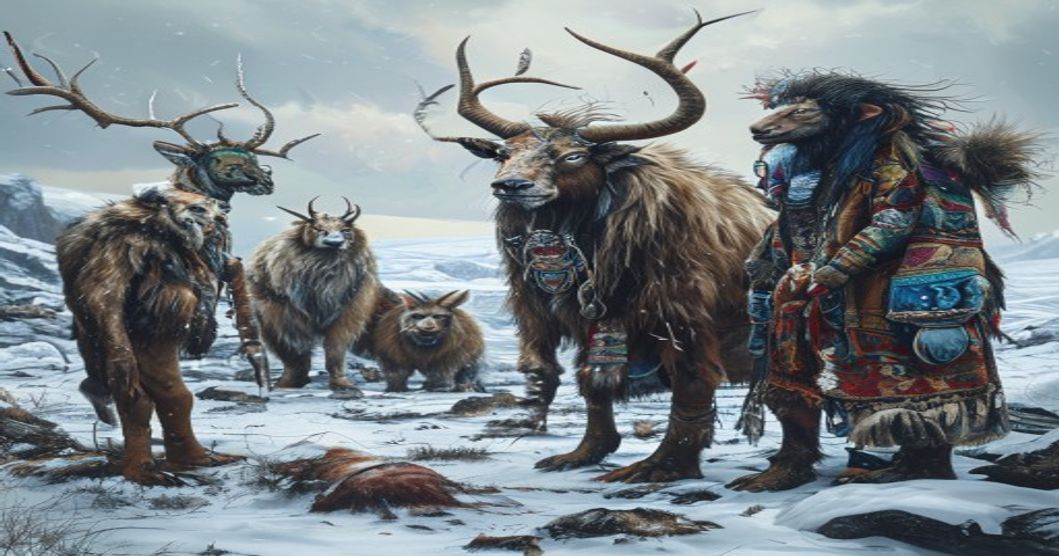
Arctic ecology inspired a rich taxonomy of supernatural beings reflecting human dependency on animal allies and environmental awareness. Each creature embodied specific natural forces requiring respect and ritual management.
The Reindeer as Spiritual Guides
Reindeer transcended mere livestock status within Sámi cosmology, operating as boazvuorrasat (spiritual masters) governing herd behavior and migration patterns. Legends describe shape-shifting reindeer herders who controlled animal movements across tundra expanses. Hunters performed appeasement ceremonies before each season, acknowledging that ignoring these creatures triggered herd dispersal or disease outbreaks.
Forest Spirits and Water Entities
Coniferous forests hosted vuovde-áhkku, elderly female spirits governing plant growth and foraging safety. Violating forest taboos invited curses manifesting as disorientation or sudden illness. Aquatic environments contained bieggoláš wind beings and water snakes capable of demanding tribute before granting fishing success. These entities required vocal offerings and specific behavioral protocols to prevent catastrophic encounters.
Rituals, Songs, and Oral Transmission
Sámi knowledge systems relied on mnemonic devices preserving centuries of ecological observation and spiritual practice. Musical frameworks encoded complex information inaccessible through literal translation.
Joik Traditions and Ancestral Memory
Joik performances functioned as living archives rather than mere entertainment. Each melody represented specific individuals, locations, or animal spirits, requiring exact tonal sequences to activate spiritual connections. Singers altered pitch, rhythm, and vocal texture to mimic environmental sounds, enabling listeners to visualize territories without physical travel. This technique maintained geographic knowledge across generations lacking written documentation.
Seasonal Ceremonies and Survival Practices
Annual cycles dictated ritual calendars aligned with reindeer calving, fish spawning, and solar transitions. Spring ceremonies involved purifying drums through smoke exposure before spring migrations. Autumn gatherings featured communal feasting honoring successful hunts while redistributing meat across family units. Winter solstice rituals emphasized light restoration through controlled fire management and vocal invocations targeting returning daylight.
Frequently Asked Questions
What is Sami Folklore Creatures and Arctic Myths?
Sami Folklore Creatures and Arctic Myths refers to the rich collection of legends, spirits, and mythical beings from the traditional beliefs of the Sami people, who inhabit the northern regions of Norway, Sweden, Finland, and Russia. These stories often feature creatures like the Stallo, the Noaidi shamans, and various Arctic spirits tied to nature, weather, and survival.
Key facts about Sami Folklore Creatures and Arctic Myths
Key facts include: the Sami pantheon is deeply connected to the natural Arctic environment; many creatures are considered both helpful and dangerous depending on human respect for nature; traditional storytelling was primarily oral and accompanied by joik (chanting) and drum rituals; modern media and literature have recently revived interest in these ancient myths.