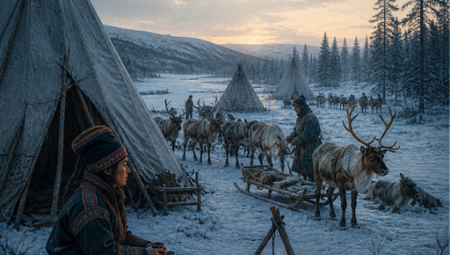
Craftsmanship among the Sami is a living testament to their history and identity. Each item—a beautifully crafted knife, intricately designed textiles, or stunning jewelry—is infused with cultural significance. Think of these handcrafted items like a bridge linking the contemporary Sami to their ancestors, allowing tradition to breathe and grow. Have you ever seen a pair of colorful gákti (traditional clothing)? It’s not simply clothing; it’s an embodiment of Sami heritage, representing various regions and family lineage with its colors and patterns.

But it goes deeper than aesthetics. The act of creating these handicrafts fosters community and cooperation. Sami artisans often work together, sharing techniques and ideas, much like a circle, where each person adds their unique voice to the melody. And let’s not overlook the economic side—these crafts are valuable in the market, providing a source of income for families and helping sustain the Sami way of life.
Threads of Tradition: The Vital Role of Handicrafts in Preserving Sami Culture

Handicrafts in Sami culture carry stories. Imagine a beautifully crafted gákti, the traditional Sami dress adorned with intricate designs. Each stitch tells a tale of identity and history, representing the wearer’s family and region. It’s like wearing a map of one’s heritage! When you see a Sami artisan at work, you’re witnessing a dialogue – not just with materials, but with ancestors.
But here’s where it gets even more fascinating. Each handcrafted item plays a vital role in community bonding. Think of how you gather around family during the holidays, exchanging stories and gifts. Sami handicrafts encapsulate that spirit. They’re often created collectively, passing skills from elder to youth, ensuring that the knowledge doesn’t fade away like footprints in the snow. This isn’t just art; it’s a lifeline, a way to hold onto identity amid globalization’s whirlwind.
And let’s not overlook the environmental connection. Sami crafts often utilize resources from the land, like reindeer leather and natural dyes. This sustainable approach reflects a profound respect for nature, reminding us how tradition can guide us in caring for our planet.
Sami Handicrafts: A Celebration of Identity and Heritage in the Arctic
From intricately woven textiles to beautifully carved wooden items, Sami handicrafts reflect the vibrant life of the reindeer herder, the hunter, and the gatherer. Have you ever admired a colorful gákti, the traditional Sami clothing? Each stitch and pattern has deep-rooted meanings, often representing family heritage or even the landscape where the wearer grew up. When you wear or admire these items, it’s like draping yourself in the rich culture of the North.
But it’s not only about aesthetics; there’s a deeper connection at play. Sami artisans often use natural materials, like reindeer antlers or fur, echoing their profound relationship with nature. It’s as if each handcrafted item hums with the spirit of the Arctic—whispering tales of resilience, survival, and profound respect for the environment. Don’t you think that’s incredible?
What’s even more striking is how these crafts have evolved but remain rooted in traditional techniques. Today, contemporary Sami artists blend modern design with age-old skills, showing the world that heritage can thrive alongside innovation. Each piece is like a bridge connecting the past with the future, allowing us to appreciate the rich legacy of the Sami people in a modern context. So, next time you come across Sami handicrafts, take a moment to reflect on the identity and heritage that each creation embodies—a true testament to the spirit of the Arctic!
From Nature to Art: How Sami Handicrafts Reflect a Deep Connection to the Land
Sami handicrafts use natural materials like reindeer hide, wood, and stone, forming a stunning tapestry that intertwines human creativity with the environment. Picture a beautifully crafted knife, its handle made from antler, evoking the majestic reindeer gracefully roaming the tundra. When you hold a Sami product, it’s like holding a piece of the landscape itself. Isn’t that a fascinating thought? Each item carries not only a purpose but a relationship with nature that’s as old as the Sami culture itself.
But it’s not just about utilitarian objects; the artistry shines through in traditional clothing too. Sami garb often features vibrant patterns inspired by the natural world. Think of it like wearing a piece of the Arctic’s beauty—a burst of colors that reflect the vivid flora and fauna of the region. These designs are not randomly chosen; they symbolize stories passed down through generations, celebrating everything from seasons to sacred traditions.
Every stitch, every carve, and every dye used in Sami handicrafts is chosen with intention, honoring their ancestors and the land that nourishes them. So, the next time you encounter a piece of Sami art, remember it’s more than just a beautiful item; it’s a tangible connection to the earth and a deep well of cultural heritage, waiting for you to discover its story.
Crafting Community: The Social and Economic Impact of Handicrafts in Sami Life

For the Sami, handicrafts—think intricately woven textiles and beautifully carved utensils—serve as a bridge connecting generations. When older artisans share their skills with younger ones, they’re not just passing on techniques; they’re weaving stories of identity and resilience. Have you ever thought about how a simple piece of clothing, like a traditional Sami gákti, holds the history and traditions of an entire community? It’s not just fashion; it’s a narrative stitched into every seam.
Economically, handicrafts are a lifeline for many Sami families. By selling their creations, they’re able to sustain their livelihoods and contribute to local economies. This isn’t just about making a quick buck; it’s about valuing traditional practices in a modern world, fostering pride within the community. Think of it as planting a seed—when these artisans thrive, the entire community flourishes, creating a ripple effect of stability and prosperity.
Moreover, the importance of handicrafts extends into tourism. Travelers flock to experience authentic Sami culture, often bringing recognition and respect along with their wallets. It’s a win-win! Visitors don’t just buy a souvenir; they invest in the continuation of cultural practices that have survived for centuries. By appreciating and supporting these crafts, tourists play an unexpected but crucial role in sustaining Sami life.
Resilient Artistry: Exploring the Evolving Techniques of Sami Handicrafts
At the heart of Sami artistry lies the extraordinary use of natural materials. Traditionally, they crafted items from reindeer skins, antlers, and intricate beads. Think of these materials as an artist’s palette, each element telling its own tale of survival and adaptation in the Arctic landscape. How incredible is it that a single piece can evoke centuries of history?
But here’s the exciting part: the techniques are continually evolving! Modern Sami artisans are embracing contemporary methods while staying true to their roots. They’re experimenting with colors, patterns, and even blending new materials into their work, creating a harmonious fusion of old and new. Have you ever seen a reindeer-skin bag embellished with contemporary designs? It’s like watching a classic movie remake—familiar yet refreshingly new!
What’s truly amazing is how these artisans navigate challenges, from the global market’s demands to climate change’s impact on their materials. Resilience is not just a buzzword here; it’s a way of life. Each piece they create carries the weight of their ancestors while bravely stepping into the future. Buying Sami handicrafts isn’t just about aesthetics; it’s supporting a community that adapts, thrives, and celebrates its heritage.
Handmade Heritage: Why Sami Handicrafts Are Essential for Cultural Sustainability
Imagine holding a pair of beautifully crafted mittens; each stitch has been imbued with the wisdom of generations. These handicrafts, made from reindeer skin or intricately woven textiles, serve a purpose far beyond their aesthetic appeal. They connect the Sami people to their roots, helping preserve a lifestyle that has thrived in harmony with nature for centuries. Each item carries meaning—be it a colorful yoik-inspired pattern or symbols representing the tundra and its creatures. It’s almost like wearing a piece of the earth itself!
You might wonder why this matters in today’s fast-paced, digital world. Well, think of Sami handicrafts as cultural lifelines. They act as a bridge between the past and future, allowing the Sami community to share their identity with the world. By embracing these traditional crafts, we not only uplift these artisans but also foster a greater appreciation for cultural diversity. It’s a ripple effect; the more we engage with handmade heritage, the more we protect and celebrate the unique characteristics of different cultures.
Supporting Sami handicrafts means investing in a future that values tradition, respect, and sustainable practices. So, the next time you admire a pair of Sami scissors or a hand-stitched bag, remember—you’re looking at a testament to resilience and creativity, a lineage that continues to breathe life into the modern world.
The Art of Survival: How Handicrafts Empower Sami Women in Contemporary Society
Imagine a woman sitting by a fire, deftly creating a beautiful piece of handicraft—the warm glow illuminating her work as she threads beads or stitches patterns that tell stories of her ancestry. Each piece is like a snapshot of history, merging the past with the present. Sami women are not only keeping these traditions alive but also turning them into thriving businesses. Isn’t that an inspiring thought? They’re transforming their art into a source of income, allowing them to stand tall in contemporary society.
Through handicrafts, these resilient women tap into their cultural identity, crafting more than just items; they’re weaving a tapestry of community. As they learn, share, and innovate, they become role models for younger generations, teaching them both the art form and the power of self-sufficiency. It’s like passing a torch, illuminating the path for others to follow.
Frequently Asked Questions
How Are Handicrafts Taught in Sami Communities?
Handicrafts in Sami communities are taught through a blend of traditional practices and contemporary methods. Emphasis is placed on age-old techniques passed down through generations, focusing on materials native to the region. Teaching often occurs in informal settings, such as community workshops or family gatherings, where experienced artisans mentor learners. The aim is to preserve cultural heritage while fostering creativity and personal expression in crafting.
What Role Do Handicrafts Play in Sami Culture?
Handicrafts in Sami culture reflect the community’s connection to nature, tradition, and identity. They serve both practical purposes and artistic expression, showcasing skills passed down through generations. These crafts, which include textiles, reindeer hides, and intricate artwork, play a critical role in preserving cultural heritage and fostering a sense of belonging within the Sami community.
How Do Handicrafts Preserve Sami Traditions?
Handicrafts serve as a vital link to Sami culture, preserving their traditions through techniques and materials passed down through generations. By creating items like clothing, jewelry, and tools using traditional methods, artisans maintain cultural identity, keep ancestral skills alive, and share stories that reflect their unique heritage.
What Materials Are Commonly Used in Sami Handicrafts?
Sami handicrafts typically utilize natural materials that reflect their cultural heritage and environment. Common materials include reindeer hides, antlers, birch bark, and natural fibers such as wool and sinew. These materials are often crafted into functional items like clothing, tools, and decorative art, showcasing traditional techniques and designs.
What is the Economic Impact of Handicrafts in Sami Society?
Handicrafts play a vital role in Sami society by contributing to the economy through the sale of traditional goods. These crafts not only preserve cultural heritage but also provide employment opportunities, boost local tourism, and promote sustainable practices. By fostering unique artistic skills, handicrafts empower individuals and strengthen community ties, leading to overall economic growth.