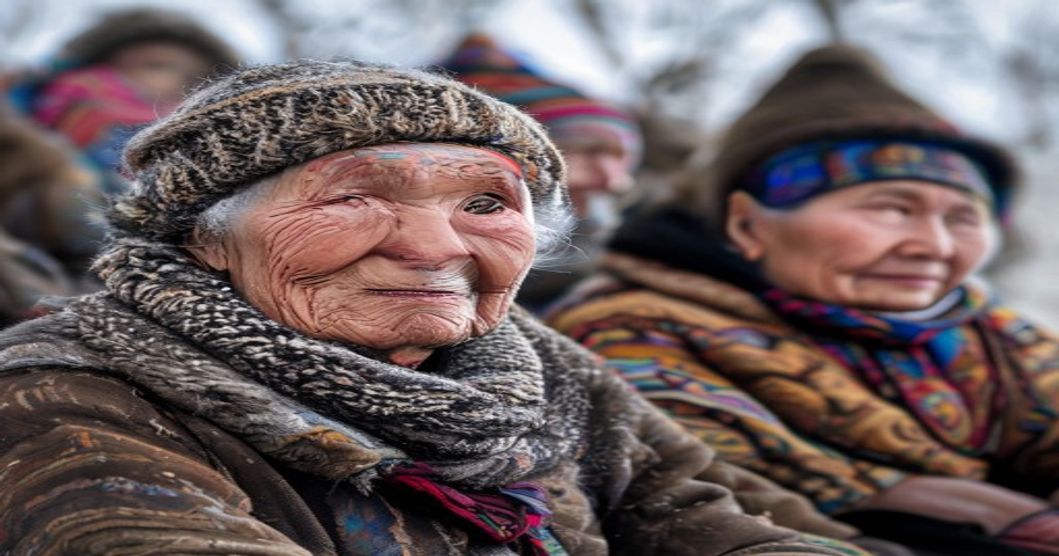
The Role of Elders in Sami Communities
Elders function as the primary custodians of Sámi cultural continuity and ecological expertise. Their authority stems from decades of lived experience across generational cycles, particularly within reindeer husbandry and traditional foraging practices. Knowledge transfer occurs through direct apprenticeship rather than formal education. Younger generations learn navigation by reading snow conditions, tracking animal behavior, and interpreting seasonal shifts. This practical wisdom ensures survival in Arctic environments where modern infrastructure remains limited.
- Spiritual & Ritual Authority: Experienced practitioners guide community ceremonies, oversee sacred sites, and preserve the noaidi tradition of shamanic mediation. The transmission of joik melodies follows strict protocols; each performance encodes geographic landmarks, family lineage, and historical events that written records cannot capture.
- Linguistic Preservation: Elders enforce grammatical precision in Northern Sámi, Lule Sámi, and Southern Sámi dialects during daily interactions, preventing lexical erosion caused by external linguistic dominance. Oral storytelling sessions maintain syntactic structures that formal schooling often overlooks.
Conflict resolution relies heavily on elder mediation. Traditional siida governance structures depend on consensus-building facilitated by respected seniors who understand kinship networks and resource allocation patterns. Disputes over grazing rights or hunting territories are addressed through dialogue rather than litigation. Modern Sámi institutions, including regional parliaments, increasingly integrate elder councils to align policy decisions with historical precedents. This synthesis of customary law and contemporary administration strengthens community autonomy while navigating state regulations.
Economic adaptation presents ongoing challenges. Commercial pressures and climate change disrupt traditional livelihoods, yet elders mobilize intergenerational networks to establish sustainable cooperatives. They mentor youth in duodji craft production, ensuring market viability without compromising cultural authenticity. Educational initiatives funded by Sámi organizations document oral histories through digital archives, but physical presence remains irreplaceable. Real-time decision-making during extreme weather or herd migrations requires immediate access to accumulated environmental data stored within elder memory.
Institutional recognition continues evolving. Municipal partnerships and academic collaborations now formalize elder consultation processes. Research projects involving land rights, biodiversity monitoring, and climate resilience prioritize indigenous knowledge holders as primary sources. This structural shift acknowledges that cultural survival depends on active participation rather than passive preservation. Communities maintaining robust elder networks demonstrate higher linguistic retention rates and stronger socioeconomic indicators compared to regions where traditional authority structures have fragmented.
Historical Foundations of Indigenous Leadership
Before European colonization, Sami society operated through decentralized kinship networks known as siida. Each siida functioned as an autonomous territorial unit where leadership emerged organically rather than through hereditary monarchy or appointed bureaucracy. Authority rested with individuals who demonstrated proven expertise in reindeer husbandry, navigation across Arctic terrains, and mastery of ecological calendars. Elders served as the institutional memory of these units, preserving generational knowledge about migration routes, grazing cycles, and weather patterns essential for survival. Decision-making occurred through consensus-based gatherings where respected elders facilitated discussions on land use, marriage alliances, and resource distribution. The stevn system, a network of regional assemblies, allowed multiple siida to coordinate seasonal activities, resolve disputes, and negotiate trade agreements without centralized taxation or military enforcement.
Cultural transmission reinforced elder authority through oral traditions, practical craft instruction, and ritual participation. Elders taught the joik, a vocal tradition encoding geographic landmarks, historical events, and spiritual beliefs, ensuring that ecological and ancestral knowledge remained accessible across generations. Duodji, the traditional handicraft system, required years of mentorship under elder practitioners to master material selection, tool fabrication, and symbolic patterning. Gákti, the regional clothing system, functioned as a visual identifier of lineage, territory, and social status, with elders regulating its wear during ceremonies and legal proceedings. These cultural frameworks operated as informal governance mechanisms, embedding leadership within daily economic and spiritual practices rather than abstract political institutions.
European expansion disrupted these structures through missionary campaigns, land appropriation policies, and linguistic suppression. Colonial administrations replaced traditional consensus models with state-imposed hierarchies, marginalizing elder authority in favor of appointed officials who lacked ecological literacy. Despite systematic erasure, Sami communities preserved leadership continuity through clandestine knowledge transmission, adaptive resource management strategies, and intergenerational kinship obligations. Key historical mechanisms that sustained elder-led governance include:
- Mandatory seasonal migration coordination where elders adjusted reindeer movement patterns based on snow conditions and predator activity.
- Customary law enforcement through public mediation sessions that prioritized restitution over punishment.
- Economic resource pooling managed by elder councils to ensure community survival during harsh Arctic winters.
Modern reindeer herding cooperatives and indigenous rights movements trace their operational frameworks directly to these historical governance models, demonstrating how elder-led decision-making remains foundational to cultural resilience and territorial stewardship.
Cultural Authority and Social Status
Within traditional Sami societies, elder status transcends chronological age and operates as a functional repository of collective memory and ecological expertise. Historical governance structures, notably the sida assemblies and later regional feasta, relied on senior members holding decisive voting rights regarding territorial boundaries, seasonal migration corridors, and resource allocation. This authority was never automatic; it required demonstrated competence in reindeer husbandry, navigation across unforgiving Arctic terrain, and mastery of oral traditions that encoded generational survival strategies. Elders functioned as living archives, preserving intricate details about snow conditions, pasture quality, and historical land agreements through structured storytelling and yoik performances that served as pedagogical tools for youth.
- Ecological Stewardship: Senior figures documented micro-climate shifts, herd health indicators, and grazing rotation patterns that modern science now validates as critical biodiversity management practices.
- Conflict Mediation: Disputes over property, inheritance, or inter-community relations were resolved through customary law frameworks where elders applied precedent-based judgments rather than punitive measures.
- Cultural Validation: Ritual participation, language fluency, and ethical conduct during communal gatherings established social hierarchy, ensuring leadership remained meritocratic within kinship networks.
In contemporary governance landscapes across Norway, Sweden, and Finland, this traditional authority intersects with statutory indigenous rights frameworks. While state institutions now formalize administrative functions, elder councils retain substantial influence over cultural preservation mandates, Sámi language immersion programs, and grazing land negotiations under the International Labour Organization Convention 169. The transition from autonomous customary governance to recognized indigenous representation has not diluted their social weight; it has merely repositioned ancestral expertise within modern policy structures. Community leadership elections, educational curriculum approvals, and seasonal migration planning still require elder consultation, guaranteeing that cultural authority operates as a functional mechanism rather than a historical reference point. Younger generations actively seek guidance during winter feeding protocols, land use disputes, and intergenerational knowledge transfer initiatives, reinforcing the enduring structural importance of senior community figures.
Knowledge Transmission and Language Preservation
Elders function as the primary custodians of Sámi linguistic continuity and cultural memory across Arctic communities. Their authority stems not from institutional titles but from decades of lived experience within traditional livelihoods such as reindeer husbandry, coastal fishing, and seasonal hunting. This experiential knowledge is encoded in highly specific lexical fields that describe ice conditions, snow types, animal behavior, and landscape navigation. When elders teach these terms, they simultaneously transmit ecological data that has sustained Sámi communities for centuries.
Language preservation operates through deliberate intergenerational immersion rather than formal classroom instruction. Younger members learn vocabulary and syntax by participating in daily routines alongside older relatives. The grammatical structures of North Sámi, Inari Sámi, and Skolt Sámi reflect a direct relationship between language and environment, with verb conjugations and noun cases mapping precisely to seasonal activities and reindeer management practices. Elders enforce linguistic purity by correcting pronunciation, syntax errors, and Finnish or Norwegian loanword infiltration during natural conversations.
- Oral Documentation: Elders record firsthand accounts of historical migration routes, weather patterns, and traditional resource management through voice recordings and handwritten notes, creating accessible archives for youth education programs.
- Joik Transmission: The melodic tradition known as joik serves as a linguistic vessel where pronunciation, rhythm, and tonal variation preserve archaic phonetic features that standard orthography often misses.
- Duodji Apprenticeship: Craft instruction integrates terminology for materials, tools, and techniques, ensuring that specialized vocabulary remains active rather than becoming historical artifacts.
Historical language suppression policies in Norway, Sweden, and Finland actively disrupted transmission channels, yet elders adapted by embedding instruction within family units and community gatherings. Contemporary revitalization relies on structured elder-youth pairing models where fluency is measured through functional competence rather than standardized test scores. Digital platforms now host elder-led conversational courses, but algorithmic categorization cannot replace the contextual nuance that only direct mentorship provides. The survival of Sámi languages depends on maintaining these relational learning environments where language functions as a living practice rather than an academic subject.
Oral Traditions and Storytelling Practices
Sami elders function as living archives within their communities, preserving millennia of ecological knowledge, spiritual beliefs, and historical narratives through structured oral transmission. The practice relies on precise mnemonic techniques passed down across generations, where rhythmic vocal patterns, call-and-response structures, and spatial memory mapping encode information about reindeer herding routes, weather prediction signs, and sacred landscape features.
- Mnemonic Encoding: Elders utilize tonal variation and deliberate pacing to distinguish seasonal markers, territory boundaries, and genealogical lineages within a single narrative thread.
- Pedagogical Structure: Learning occurs through immersive apprenticeship models where observation, repetition, and contextual application form the core curriculum. Young participants memorize place names, animal behavior cues, and craft sequences by accompanying elders during seasonal migrations.
- Yoik as Narrative Device: The yoik operates as a non-linear storytelling medium, embedding territorial claims, ethical frameworks, and ancestral connections into melodic motifs that resist direct translation yet maintain semantic precision through contextual performance.
Community gatherings during winter camps or summer pastures provide structured environments for knowledge transfer, where elders demonstrate material techniques alongside oral histories, linking craft traditions with linguistic heritage. This pedagogical system operates without written documentation, requiring learners to engage in experiential learning cycles that prioritize embodied cognition over abstract instruction. The continuity of this transmission depends on active elder participation in educational frameworks, land rights advocacy, and cultural programming, ensuring that epistemological foundations remain embedded in lived experience rather than institutionalized as static heritage.
Disruption of traditional mobility patterns or accelerated language shift toward dominant national languages directly correlates with reduced oral knowledge retention. Contemporary Sami organizations address these vulnerabilities through community-led recording initiatives, elder-youth mentorship grants, and curriculum integration that treats oral transmission as a dynamic competency. Digital documentation complements but never replaces the tactile transmission of accentuation, pacing, and emotional resonance, which remains irreducible to audio recording alone.
Governance, Decision Making, and Community Harmony
Within traditional Sami social structures, governance operates through decentralized councils led by experienced elders who possess deep ecological, historical, and legal knowledge. The siida system historically functioned as a self-governing unit where resource allocation, seasonal migration routes, and reindeer herding boundaries required collective approval. Elders do not impose authority; they facilitate structured deliberation that prioritizes long-term sustainability over short-term gains. Decision making relies on iterative dialogue rather than majority voting, ensuring all family lines and occupational groups within the community retain representation. This consensus-driven approach minimizes factionalism and reinforces mutual accountability.
Conflict resolution remains a cornerstone of elder-led governance. Disputes over grazing rights, hunting territories, or inter-community agreements are addressed through mediated assemblies where historical precedents and oral testimonies carry legal weight. Elders reference generational memory to establish equitable compromises, transforming potential fractures into reinforced social cohesion. The preservation of harmony depends on transparent communication protocols and the continuous validation of decisions against traditional ecological indicators. These gatherings often span multiple days, allowing participants to test proposed solutions against seasonal realities before finalizing agreements.
- Monitoring environmental shifts that impact livelihood strategies
- Validating land use proposals against ancestral boundaries
- Mediating intergenerational disagreements regarding cultural preservation
- Coordinating with external administrative bodies while safeguarding indigenous autonomy
- Maintaining oral legal records through structured storytelling sessions
Contemporary Sami governance structures, including regional parliaments and cultural foundations, integrate these traditional mechanisms alongside statutory frameworks. Elders serve as advisory anchors during policy formulation, ensuring that modern legislation aligns with customary law. The continuity of this system demonstrates how indigenous governance models sustain community resilience without requiring structural centralization. Knowledge transmission occurs through daily practice rather than formal education, embedding decision making principles into everyday social interaction. Legal advisors and community liaisons now bridge ancestral deliberation with national administrative requirements, preserving procedural integrity while navigating contemporary regulatory environments.
Conflict Resolution and Consensus Building
Elders function as the institutional memory and operational anchor within Sami social structures, particularly when addressing disputes that threaten communal stability. Rather than relying on formal judicial systems, traditional conflict resolution operates through carefully structured dialogue circles where senior figures guide participants toward mutual understanding. These gatherings typically occur in neutral spaces such as lavvu tents or community centers, allowing all affected parties to voice grievances without interruption. The mediator elder references ancestral precedents, customary land use patterns, and kinship obligations to frame each argument within a broader historical context. This approach transforms personal disagreements into collective problem-solving exercises, ensuring that outcomes preserve long-term relational harmony rather than declaring winners or losers.
The process heavily depends on narrative continuity and emotional regulation. Elders frequently employ joik performances to articulate underlying tensions, allowing individuals to express frustration through culturally sanctioned artistic channels before transitioning to rational negotiation. Knowledge of seasonal migration routes, grazing regulations, and resource allocation histories enables elders to propose equitable compromises that align with ecological realities and intergenerational responsibilities. When disagreements involve reindeer herding boundaries or fishing rights, the mediator cross-references oral genealogies with documented land leases to identify overlapping claims. Consensus emerges through iterative discussion where proposals are refined until all stakeholders acknowledge the solution as workable, even if imperfect.
- Restorative Mediation Framework: Focuses on repairing social fabric through accountability rather than punishment, with elders facilitating apologies and restitution agreements.
- Oral Precedent Validation: Disputes are measured against established community narratives and historical resource-sharing arrangements to prevent arbitrary rulings.
- Ecological Alignment: Proposed resolutions strictly adhere to seasonal patterns, animal welfare standards, and sustainable harvesting practices recognized by long-term practitioners.
- Kinship Integration: Family networks are consulted during mediation to ensure agreements respect broader clan obligations and prevent future retaliatory cycles.
Modern Sami municipalities continue to integrate these elder-led practices alongside statutory governance, recognizing that culturally grounded consensus mechanisms reduce litigation costs and strengthen community cohesion. The enduring effectiveness of this system stems from its rejection of adversarial positioning in favor of shared stewardship principles that have sustained reindeer husbandry and cultural continuity across centuries.
Interacting with External Institutions and Governments
Elders function as critical intermediaries between Sámi customary governance and modern state bureaucracies across Norway, Sweden, Finland, and Russia. Their authority stems not from electoral mandates but from generations of reindeer husbandry management, conflict resolution, and ecological monitoring. When engaging municipal or national authorities, elders translate oral tradition into legally binding documentation. They draft policy briefs that align traditional land-use patterns with contemporary environmental regulations, ensuring that centuries-old seasonal migration routes receive statutory protection under national wildlife and forestry acts.
Land dispossession and resource extraction have historically forced Sámi leadership into prolonged legal negotiations. Elders leverage international frameworks such as ILO Convention 169 and the United Nations Declaration on the Rights of Indigenous Peoples to pressure domestic governments. They participate in land use planning committees, mining permit hearings, and infrastructure development reviews. By documenting grazing grounds, fishing sites, and sacred landscapes through participatory mapping, elders supply governments with empirical data that strengthens Sámi claims during court proceedings and parliamentary inquiries.
- Legislative Drafting: Converting customary land rights into statutory language compatible with national property law.
- Environmental Co-Management: Establishing joint oversight boards that integrate traditional ecological monitoring with state scientific agencies.
- Cross-Border Coordination: Aligning seasonal migration schedules across Norway, Sweden, Finland, and Russia to bypass jurisdictional fragmentation.
Formal representation structures like the Sámi Parliaments require technical proficiency in legislative drafting and budget allocation. Elders mentor younger representatives on navigating these systems without compromising cultural protocols. They establish cross-border coordination networks to address jurisdictional gaps where reindeer herding spans multiple national boundaries. When state agencies propose conservation zones that restrict traditional livelihoods, elders facilitate structured dialogues that integrate scientific monitoring with indigenous knowledge systems, resulting in co-management agreements that balance ecological sustainability and cultural continuity.
The operational challenges remain substantial. Bureaucratic timelines rarely align with seasonal migration cycles, and funding mechanisms often favor short-term projects over long-term cultural preservation. Elders mitigate these friction points by building coalitions with academic institutions, environmental NGOs, and legal aid organizations. They develop standardized documentation templates that streamline permit applications and reduce administrative delays. Through sustained institutional engagement, elders transform historical marginalization into structured policy influence, ensuring Sámi governance models remain visible within national legislative frameworks.
Spiritual Beliefs and Ecological Stewardship
Sami spiritual frameworks operate as integrated ecological management systems rather than abstract religious concepts. Elders maintain direct continuity between cosmological principles and land-use practices through the transmission of sieidi knowledge, noaidi spirit guidance, and seasonal migration calendars. These spiritual anchors dictate sustainable harvesting boundaries, protect critical reindeer calving grounds, and regulate forest extraction cycles. The siida governance structure relies on elder-mediated decision-making that aligns animal welfare with landscape recovery periods. When elders identify degraded grazing zones through lichen depletion patterns or altered snowpack formation, they initiate temporary grazing restrictions that allow natural regeneration. Sacred geography functions as an unspoken conservation policy; areas designated as sieidi sites remain permanently untouched, preserving native vegetation corridors and watershed integrity across hundreds of square kilometers.
Traditional ecological protocols emerge directly from spiritual reciprocity rather than regulatory compliance. Elders interpret animal behavior, wind direction shifts, and moss growth rates as operational indicators for pasture rotation. This observational methodology prevents overgrazing by enforcing dynamic rest periods that match reindeer herd nutrition requirements with ecosystem carrying capacity. The joik tradition serves as an acoustic memory system encoding species migration patterns, water source locations, and terrain navigation markers across generations. Modern conservation scientists recognize these practices as early adaptive management strategies that maintain biodiversity gradients in subarctic environments. Elder-led land stewardship continues to influence contemporary rewilding initiatives because it prioritizes long-term landscape resilience over short-term extraction metrics. The integration of spiritual boundary markers with ecological monitoring creates a self-regulating system where cultural preservation and habitat protection function as interdependent objectives.
- Elders enforce seasonal rest periods based on lichen biomass recovery rates rather
Traditional Cosmology and Ritual Leadership
The cosmological framework of Sami societies operates on a strictly animistic foundation where every landscape feature possesses agency. Elders function as the primary archivists of this worldview, mapping sacred geography through precise oral topographies. These mental maps delineate sieidi sites—natural formations treated as interstitial portals between the visible world and spirit domains. Ritual leadership requires exacting knowledge of seasonal astronomical markers, reindeer migration corridors, and microclimatic shifts that dictate
Sustainable Land Management and Climate Adaptation
Sami elders function as primary custodians of traditional ecological knowledge, translating generations of environmental observation into actionable land management strategies. Their deep familiarity with reindeer grazing physiology dictates precise rotational pasture systems that prevent vegetation degradation and maintain tundra soil integrity. By mapping historical migration corridors across snow-free zones and calving grounds, elders direct herders toward routes that reduce soil compaction, protect alpine plant communities, and preserve critical wildlife corridors.
- Seasonal Resource Allocation: Elders monitor moss regeneration cycles, lichen availability, and early-season snowmelt patterns to adjust grazing pressure before ecological thresholds are breached.
- Wetland and Hydrological Stewardship: Traditional knowledge identifies natural drainage pathways and permafrost boundaries, enabling communities to position infrastructure strategically while minimizing erosion and safeguarding aquatic ecosystems that support fish populations and migratory species.
- Vegetation and Fire Management: Controlled burning techniques transmitted through oral tradition maintain heathland mosaics, promote native grass diversity, and reduce fuel loads that exacerbate wildfire risks in warming climates.
Climate adaptation mechanisms within Sami territories depend heavily on this granular environmental monitoring. Elders track phenological indicators such as altered migration timing, changes in wind direction, and shifts in ground temperature to recalibrate land-use practices before systemic damage occurs. When permafrost thaw destabilizes traditional pathways or pasture boundaries, their historical baseline data supplies essential reference points for engineering resilient drainage networks and relocating infrastructure away from sinking terrain. This knowledge operates through continuous feedback loops, where real-time ecological adjustments are documented via practical demonstration and integrated into communal decision-making frameworks.
Contemporary conservation programs increasingly combine these practices with satellite monitoring and soil sampling, developing hybrid models that enhance landscape resilience. Elders lead community-driven restoration efforts by pinpointing priority zones for native species replanting, marking historical grazing limits that align with current wildlife movement patterns, and advising on water table regulation during extreme precipitation events. Their influence extends beyond preservation; they actively design adaptive land-use frameworks that reconcile ecological carrying capacity with cultural continuity, ensuring stewardship remains historically accurate and scientifically functional.
Contemporary Challenges and Adaptation Strategies
Elders within Sami communities face mounting pressure from rapid environmental shifts and competing economic interests that directly threaten traditional livelihoods. Climate change disrupts reindeer grazing patterns, forcing herders to alter migration routes established over centuries. Simultaneously, industrial development, forestry concessions, and renewable energy projects frequently encroach upon ancestral territories. These external pressures fracture the physical landscape necessary for passing down place-based ecological knowledge. When access to sacred sites and seasonal pastures becomes restricted, the practical foundation of elder-led instruction weakens significantly.
Communities have responded through structured adaptation frameworks that merge traditional governance with modern legal mechanisms. The establishment of Sami Parliaments across Norway, Sweden, and Finland provides formal channels for policy consultation, though implementation gaps remain. Elders increasingly serve as cultural advisors in environmental impact assessments, ensuring indigenous ecological metrics influence resource management decisions. Digital preservation initiatives capture oral histories, joik melodies, and craft techniques before they disappear. High-resolution audio archives and interactive mapping platforms allow diaspora youth to engage with ancestral territories remotely.
- Legal Advocacy Networks: Elders partner with indigenous rights organizations to navigate international frameworks like UNDRIP, securing land tenure agreements that recognize customary usage rights.
- Intergenerational Mentorship Programs: Structured apprenticeships pair youth with herders and artisans, combining satellite tracking technology with traditional weather-reading techniques for adaptive resource management.
- Language Immersion Infrastructure: Community-run digital dictionaries and mobile applications standardize dialect variations while elders provide phonetic guidance to ensure accurate linguistic transmission.
The integration of ancestral wisdom into contemporary sustainability models demonstrates measurable resilience. Municipal planning committees now require elder consultation for development permits in northern regions. Educational curricula incorporate oral testimony alongside academic research, validating indigenous epistemology within formal schooling systems. Financial support from cultural preservation grants enables elders to host seasonal knowledge camps, where navigation methods, medicinal plant identification, and textile dyeing processes receive systematic documentation. This structured approach transforms vulnerability into institutionalized cultural continuity.
Navigating Modernization and Cultural Shifts
The integration of digital infrastructure, formal education systems, and climate-driven environmental changes has fundamentally altered the operational landscape for Sami elders. Rather than passively absorbing external pressures, these knowledge keepers actively restructure traditional transmission methods. Reindeer husbandry cycles once dictated seasonal migration patterns governed exclusively by oral weather forecasting and terrain reading. Contemporary satellite tracking devices and mobile applications now supplement ancestral navigation techniques, allowing older herders to validate historical grazing routes against rapidly shifting pasture conditions driven by permafrost degradation and altered precipitation patterns.
Language preservation operates at the core of this adaptation process. Sami dialects face continuous pressure from dominant national languages in standardized school curricula and corporate workplace environments. Elders respond by establishing community-led immersion programs that pair high-fidelity digital recording equipment with structured face-to-face storytelling sessions. These initiatives capture nuanced vocabulary related to snow stratification, animal husbandry, and ecological indicators that standard lexicographical resources routinely omit. University partnerships further institutionalize these efforts through collaborative documentation projects that strictly adhere to indigenous data sovereignty protocols.
- Intergenerational workshops utilize geospatial mapping software to visualize historical land boundaries and culturally significant sites
- Digital repositories store audio recordings of traditional joik performances alongside contextual metadata regarding seasonal ceremonies
- Municipal planning committees increasingly consult elder councils when approving infrastructure developments on ancestral territories
- Remote healthcare telemedicine platforms incorporate cultural mediators who bridge biomedical practices with traditional wellness frameworks
Economic transitions present another layer of complexity. Commercial tourism and digital marketplaces generate revenue streams that require modern business literacy. Older community members navigate this shift by mentoring youth cooperatives in e-commerce logistics while maintaining strict protocols on sacred knowledge dissemination. Land tenure disputes demand sophisticated legal advocacy, prompting many elders to complete advanced training in environmental law and indigenous rights frameworks. This strategic pivot from purely oral tradition to hybrid knowledge management ensures cultural continuity without surrendering operational autonomy to external commercial interests.
The structural transformation of Sami social organization reflects broader geopolitical recognition of indigenous governance models. Traditional assemblies now operate through synchronized digital communication networks that connect dispersed family units across municipal boundaries. Policy formulation increasingly incorporates elder testimony as empirical evidence in land claim negotiations and environmental impact assessments. This institutional validation transforms historical wisdom into actionable governance frameworks, establishing measurable precedent for other Arctic communities confronting parallel developmental pressures.
Digital Archiving and Youth Engagement
Digital archiving has emerged as a critical infrastructure for preserving Sami oral traditions, ecological knowledge, and linguistic diversity within rapidly urbanizing regions. Rather than functioning as static repositories, modern archives operate as dynamic ecosystems where elders serve as primary knowledge contributors while younger generations act as technical facilitators and cultural translators. This collaborative model transforms passive documentation into active co-creation, ensuring that recorded materials remain contextually accurate and culturally resonant across shifting demographic landscapes.
Implementation relies on standardized metadata frameworks aligned with Dublin Core specifications and indigenous data sovereignty principles. Audio recordings of joik performances, reindeer herding techniques, and seasonal navigation methods are tagged with geospatial coordinates, speaker biometrics, and dialectal variations. These datasets feed into community-managed servers hosted by institutions like the Sámi University of Applied Sciences and regional culture houses. Youth participants gain hands-on experience in audio restoration, transcription software, and cloud-based asset management while simultaneously learning historical context directly from knowledge holders.
- Intergenerational Documentation Workshops: Structured sessions where elders dictate narratives while youth handle recording equipment, metadata entry, and platform integration.
- Mobile Knowledge Mapping: GPS-enabled applications allowing younger collectors to log site-specific terminology alongside elder explanations of landscape features and migration routes.
- Interactive Language Laboratories: AI-assisted pronunciation trainers cross-referenced with archived elder vocal samples to accelerate dialect acquisition among students under thirty.
- Community Curated Exhibitions: Digital storytelling platforms where youth edit elder interviews into multimedia narratives distributed through regional cultural networks and educational portals.
Data governance remains a foundational requirement for sustainable engagement. Protocols such as CARE (Collective Benefit, Authority to Control, Responsibility, Ethics) and OCAP (Ownership, Control, Access, Possession) dictate access tiers, ensuring sensitive ceremonial knowledge remains restricted while educational materials circulate freely. Youth teams undergo ethical training in informed consent procedures, cultural sensitivity protocols, and long-term digital preservation standards. This framework prevents extractive research practices and establishes archives as living community assets rather than external academic resources.
The measurable outcomes include accelerated language recovery rates, increased retention of traditional ecological knowledge, and strengthened intergenerational communication patterns. Archives function as pedagogical foundations in secondary schools, vocational training centers, and indigenous leadership programs. When digital infrastructure aligns with elder-guided cultural priorities, youth participation shifts from peripheral interest to central stewardship, guaranteeing that Sami heritage evolves through authentic transmission rather than historical fragmentation.
Educational Programs and Intergenerational Projects
Sami elders function as primary knowledge architects within formal and informal educational ecosystems across Sápmi. Municipal school districts collaborate with local heritage councils to design curricula that embed indigenous ecological literacy, linguistic revival, and traditional craftsmanship into standard academic frameworks. Elder instructors operate through place-based pedagogical models, guiding students through seasonal reindeer migration patterns, land-navigation techniques, and sustainable resource management practices that have sustained these communities for centuries.
Intergenerational initiatives frequently utilize multimedia documentation workshops where youth participants record oral histories while elders contextualize narratives within historical treaty negotiations and climate adaptation strategies. These projects generate quantifiable outcomes, including measurable increases in functional fluency across North, South, and Lule Sámi dialects among secondary education cohorts. Educational authorities now recognize elder practitioners as certified knowledge holders, authorizing them to develop localized syllabi that satisfy national curriculum requirements while preserving linguistic authenticity and cultural precision.
- Curriculum Integration: Elder-led modules replace abstract theoretical instruction with applied learning, demonstrating mathematical principles through reindeer population tracking and chemical processes through natural lichen dye extraction.
- Digital Archiving Partnerships: Youth researchers collaborate with senior community members to catalog endangered joik repertoires and duodji techniques, creating open-access educational databases that bypass geographic isolation.
- Community Resilience Metrics: Longitudinal studies indicate reduced cultural erosion rates and heightened academic engagement in regions where intergenerational frameworks operate consistently across municipal boundaries.
Infrastructure limitations in remote northern territories are mitigated through decentralized mentorship networks that distribute elder educators across satellite classrooms. This structural adaptation ensures continuous knowledge transmission without relying on centralized institutional funding. The institutionalization of elder-led pedagogy transforms historical survival strategies into adaptive academic assets, guaranteeing linguistic continuity and ecological literacy for subsequent generations.
Policy Integration and Cultural Rights Advocacy
Sami elders function as living repositories of legal precedent, customary law, and intergenerational negotiation strategies that directly shape contemporary policy frameworks across Norway, Sweden, Finland, and Russia. Their involvement in legislative processes operates as a functional mechanism rather than a symbolic gesture. When regional councils draft land use regulations or reindeer husbandry statutes, elder representatives supply documented historical occupancy patterns, seasonal migration routes, and ecological monitoring data that satisfy statutory evidence standards. This traditional knowledge system interfaces directly with Western legal methodologies, producing hybrid policy models that align indigenous rights instruments with national administrative requirements.
Cultural rights advocacy directed by Sami elders targets three interconnected domains: linguistic standardization, educational curriculum development, and territorial sovereignty. Through formal channels such as the Sami Parliament advisory committees and international forums like the UN Permanent Forum on Indigenous Issues, elder delegates translate customary governance practices into actionable legislative amendments. They consistently demand mandatory bilingual documentation in municipal services, enforceable heritage protection zones, and constitutional recognition of collective land tenure. The implementation of ILO Convention 169 remains a central benchmark, with elder advocates monitoring compliance through independent reporting mechanisms and cross-border legal alliances.
- Policy Integration Mechanisms: Elder-led liaison offices embed traditional decision-making protocols into municipal planning departments, coordinating environmental impact assessments and allocating reindeer pasture management permits.
- Territorial Sovereignty Enforcement: Historical occupancy records and seasonal usage maps establish legal precedents for revenue-sharing agreements on renewable energy projects located across ancestral territories.
- Educational Standardization: Advocacy campaigns secure dedicated funding for Sámi-medium instruction, teacher certification programs, and archival digitization initiatives that preserve oral histories, craft techniques, and historical migration patterns within official cultural heritage registers.
Sustained policy engagement requires institutionalizing elder authority rather than treating it as peripheral advisory input. Legal recognition of customary land rights, enforceable language protection statutes, and autonomous governance structures represent measurable outcomes of decades-long advocacy campaigns. These developments shift indigenous relations from administrative accommodation to structured partnership, establishing legal precedents that inform broader Scandinavian and European minority rights legislation while preserving intergenerational knowledge transmission systems.
“`html
Frequently Asked Questions
What is The Role of Elders in Sami Communities?
Elders serve as the primary custodians of Sámi culture, language, and traditional ecological knowledge. They guide community decisions, mentor younger generations in reindeer herding, crafting, and storytelling, and act as mediators in conflicts, ensuring the preservation and continuity of Sámi identity and sustainable practices.
Key facts about The Role of Elders in Sami Communities
Elders hold respected advisory roles in Sámi parliaments and local governance. They are the primary transmitters of oral history, joik traditions, and ancestral land-use knowledge. Their guidance is essential for navigating contemporary legal frameworks to protect indigenous rights. Community decisions typically require elder consensus before implementation.
“`
“`json
{
“@context”: “https://schema.org”,
“@type”: “FAQPage”,
“mainEntity”: [
{
“@type”: “Question”,
“name”: “What is The Role of Elders in Sami Communities?”,
“acceptedAnswer”: {
“@type”: “Answer”,
“text”: “Elders serve as the primary custodians of Sámi culture, language, and traditional ecological knowledge. They guide community decisions, mentor younger generations in reindeer herding, crafting, and storytelling, and act as mediators in conflicts, ensuring the preservation and continuity of Sámi identity and sustainable practices.”
}
},
{
“@type”: “Question”,
“name”: “Key facts about The Role of Elders in Sami Communities”,
“acceptedAnswer”: {
“@type”: “Answer”,
“text”: “Elders hold respected advisory roles in Sámi parliaments and local governance. They are the primary transmitters of oral history, joik traditions, and ancestral land-use knowledge. Their guidance is essential for navigating contemporary legal frameworks to protect indigenous rights. Community decisions typically require elder consensus before implementation.”
}
}
]
}
“`