Historic Records of Sami Traditions
Early documentation of Sami cultural practices emerged primarily through colonial administrators, Lutheran missionaries, and Scandinavian naturalists between the sixteenth and eighteenth centuries. These initial accounts frequently framed indigenous customs through an ethnographic or theological lens, prioritizing religious conversion over accurate ethnographic recording. Church registers from Tromsø, Finnmark, and Lapland contain fragmented references to seasonal migrations, reindeer husbandry cycles, and ritual practices, yet often distort terminology or omit contextual nuance. The scarcity of authentic Sami-authored manuscripts during this period reflects systemic marginalization rather than cultural absence.
The nineteenth century introduced a shift toward systematic ethnographic documentation. Scholars such as Lars Levi Laestadius and Carl von Linné’s contemporaries compiled linguistic data, taxonomic classifications, and behavioral observations that inadvertently preserved vanishing customs. Museum acquisitions across Uppsala, Oslo, and Helsinki aggregated material culture, including woven belts, drum artifacts, and hunting implements, while field researchers recorded phonetic transcriptions of ancestral vocal techniques. These archives established the foundational corpus for contemporary Sámi studies.
- National Archives of Norway (Riksarkivet): Contains parish records, missionary correspondence, and boundary commission reports detailing cross-border reindeer pastures and settlement patterns.
- Sami Museum Collections (Sámi Muzeah): Houses ethnographic specimens cataloged during the late nineteenth century, including ritual drums and seasonal navigation tools.
- Swedish Lappish Archives (Lappmärken): Preserves land survey documents, taxation ledgers, and linguistic glossaries compiled by government linguists between 1850 and 1920.
Oral transmission remained the primary mechanism for preserving generational knowledge, yet assimilation policies enacted during the twentieth century actively suppressed traditional education. Government-mandated schooling restricted indigenous language use in public institutions, forcing communities to rely on private networks for cultural continuity. Contemporary archival initiatives now prioritize community-led digitization, cross-referencing colonial documents with living practitioner accounts to reconstruct accurate historical narratives. Digital repositories integrate audio archives, hand-drawn seasonal maps, and recorded vocal techniques, ensuring that primary sources remain accessible while respecting intellectual property frameworks established by indigenous governance bodies.
Early Manuscript Collections and Missionary Documentation
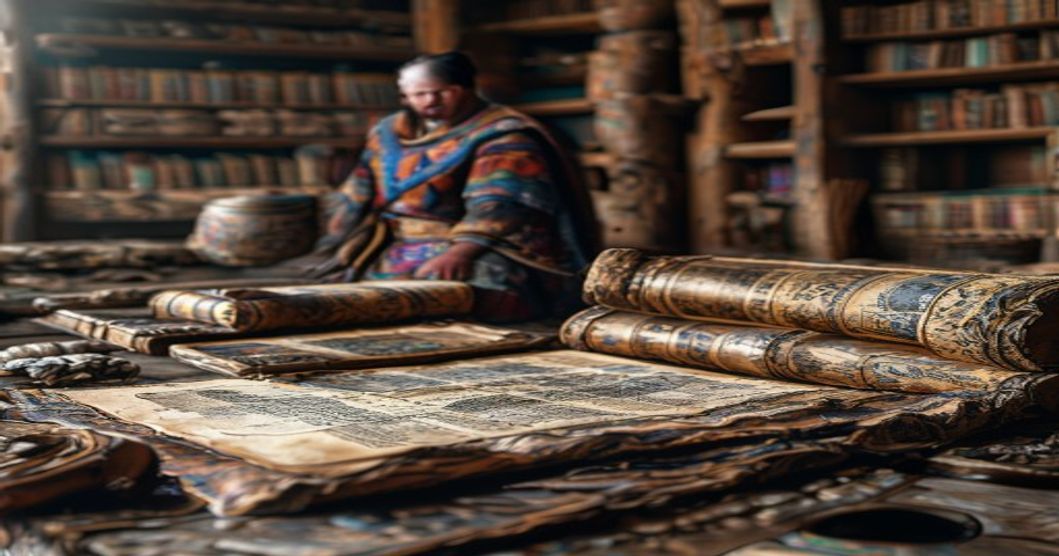
The preservation of Sami cultural heritage during the seventeenth through nineteenth centuries relies heavily on ecclesiastical archives compiled by Protestant missionaries operating across Scandinavia and northern Finland. These clergy members, tasked with spiritual conversion, inadvertently became the first systematic recorders of indigenous practices that lacked written tradition. Their field notes, correspondence, and theological reports contain phonetic transcriptions of joik melodies, descriptions of sieidi rituals, and accounts of shamanic journeying that modern ethnographers now treat as primary source material.
Missionary scribes documented Sami cosmology under strict theological frameworks, often framing indigenous beliefs as spiritual obstacles rather than cultural systems. Despite this bias, the meticulous linguistic work preserved dialectal variations across Finnmark, Troms, and Lapland. Collections held at Uppsala University Archives and the National Library of Norway contain thousands of handwritten folios detailing prayer responses, hymn translations, and oral narratives recorded during pastoral visits. These manuscripts frequently include marginalia where scribes corrected Sami phonemes using Latin orthography, creating early comparative dictionaries that later linguists utilized to reconstruct proto-Sami vocabulary.
- Ecclesiastical Field Journals: Daily travel logs mapping village locations, household structures, and ritual calendar observations.
- Linguistic Glossaries: Alphabetical listings of Sami terms paired with Swedish or Norwegian equivalents, often annotated with usage contexts.
- Ritual Transcriptions: Direct recordings of seasonal ceremonies, reindeer husbandry prayers, and healing incantations documented during winter solstice visits.
The archival survival of these documents stems from their utilitarian value to colonial administrations and later academic institutions. Twentieth-century researchers accessed missionary folios to trace linguistic shifts, map settlement patterns, and validate oral histories that had survived assimilation policies. Contemporary scholars cross-reference these manuscripts with archaeological findings and modern oral testimonies to separate theological interpretation from documented practice. The raw data remains indispensable for understanding pre-assimilation Sami worldviews, even when the original compilers viewed those traditions through a polemical lens.
Government Surveys and Administrative Archival Practices
Government surveys and administrative records from the eighteenth through twentieth centuries constitute a complex layer of documentation regarding Sami cultural practices. Colonial administrations across Norway, Sweden, Finland, and Russia systematically documented indigenous populations to enforce taxation, land use regulations, and assimilation policies. These bureaucratic efforts inadvertently captured detailed observations of reindeer husbandry cycles, traditional navigation techniques, and seasonal migration routes that aligned with environmental conditions rather than fixed borders. The Norwegian Finnmark surveys, Swedish census registers, and Finnish parish records often recorded Sami individuals under colonial surnames while noting their linguistic markers, occupational roles, and religious affiliations.
Administrative archives contain fragmented but highly valuable primary sources. Tax ledgers reveal how reindeer ownership determined social status and economic obligations within northern communities. Police reports documented inter-community disputes over grazing lands and summer pastures, providing geographic coordinates that historians now correlate with archaeological site locations. Missionary school registers list student names alongside recorded dialects, offering linguistic data that later scholars used to reconstruct endangered Sami language variants. These documents frequently reflect colonial biases, yet the raw administrative data remains indispensable for reconstructing pre-assimilation cultural frameworks.
- Land tenure records establish historical boundaries between Sami seasonal territories and state-managed agricultural zones.
- Customs and tax registers quantify reindeer herd sizes, salt allocations, and trade exchanges with southern merchants.
- Census and parish documentation preserve linguistic patterns, naming conventions, and religious conversion timelines.
- Police and judicial files record inter-community negotiations, grazing conflicts, and state enforcement of settlement policies.
Modern archival research requires cross-referencing these administrative documents with oral histories and archaeological findings. Digitization initiatives across Nordic national archives have made microfilmed registers searchable, though transcription errors and inconsistent colonial spellings demand careful verification. Researchers must account for the deliberate omission of certain cultural practices in official records, as administrators frequently misinterpreted or deliberately obscured indigenous governance structures. The survival of these administrative documents depends on state preservation policies, which historically prioritized economic utility over cultural documentation. Contemporary archival standards now mandate contextual metadata that clarifies the colonial framework behind each record, ensuring that future historians interpret the data within its proper historical and ethical boundaries.
Oral History Transcription and Ritual Knowledge Preservation
Transcribing Sami oral histories demands methodological precision that extends far beyond standard linguistic documentation. The joik system operates as a complex acoustic archive where pitch modulation, breath control, and rhythmic pauses encode navigational data, ecological cycles, and intergenerational genealogies. Specialists utilize multi-channel audio spectrograms to isolate microtonal variations that distinguish seasonal hunting grounds from sacred ceremonial sites. Field recordings frequently require temporal alignment with astronomical events, as traditional knowledge transmission relies on lunar phases and solstice markers rather than linear chronological tracking.
Digital preservation frameworks now implement standardized metadata protocols to safeguard contextual integrity. Researchers apply cross-referenced annotation layers that map vocal techniques directly to specific ritual functions, such as reindeer herding chants or winter healing ceremonies. Colonial archival records often fragment these narratives through mistranslation and editorial omission. Contemporary transcription projects counter this by establishing native-speaker verification pipelines where elder knowledge holders validate phonetic accuracy and semantic context before publication.
- Acoustic Analysis Protocols: Spectrogram mapping captures melodic contours that standard notation misses, preserving tonal inflections critical to ritual meaning.
- Ethical Access Structuring: Tiered repository systems restrict seasonal or sacred material to authorized community members while maintaining open access for non-sensitive cultural documentation.
- Intergenerational Validation: Co-authorship models ensure Sami practitioners retain editorial authority over published transcriptions, preventing academic extraction and semantic drift.
Institutional archives increasingly adopt dynamic preservation workflows that link audio files to geographical coordinates, kinship networks, and ecological datasets. This interconnected approach transforms static recordings into living research ecosystems. Longitudinal tracking of transmission patterns reveals how educational policy shifts directly impact knowledge retention rates. Communities implementing immersion programs demonstrate measurable stabilization in ritual vocabulary usage across younger demographics. Sustainable documentation requires continuous funding streams dedicated to hardware maintenance, format migration, and community-led archiving initiatives rather than one-time digitization grants.
Phonographic Recordings of Sami Musical Heritage
The earliest attempts to capture Sami musical expressions emerged in the late nineteenth century, driven by European ethnographers and folklorists documenting indigenous cultures across Scandinavia. These initial wax cylinder recordings prioritized melodic transcription over cultural context, often stripping joik performances of their ceremonial and environmental significance. Despite these methodological limitations, the archive preserves critical acoustic data from communities undergoing rapid socio-political transformation.
- Early Collection Efforts: Field recordings conducted between 1890 and 1930 by researchers such as Olav Rye and Carl Størmer established foundational sound archives in Oslo, Uppsala, and Helsinki. These collections documented joik variations linked to reindeer herding cycles, seasonal migrations, and spiritual rituals.
- Technological Shifts: The transition from wax cylinders to shellac discs in the 1920s improved audio fidelity, enabling clearer capture of vocal timbre and polyphonic harmonies. Post-war magnetic tape recordings allowed longer session durations, capturing extended narrative joiks and instrumental accompaniment using the lur wooden horn and frame drums.
- Institutional Archiving: National museums and university ethnomusicology departments systematized these materials throughout the twentieth century. The Sámi Music Archive in Trondheim and the Nordic Museum in Stockholm maintain digitized collections that cross-reference field notes, recording locations, and linguistic transcriptions.
Contemporary archival practices address historical extraction methodologies by partnering with Sámi communities to contextualize recordings within living traditions. Digital preservation initiatives prioritize metadata standards that honor indigenous classification systems rather than imposing Western taxonomies. Ethnomusicologists now utilize spectral analysis and phonetic mapping to study vocal techniques unique to joik, including throat modulation, microtonal inflections, and improvisational structures tied to specific landscapes.
Access to these recordings has expanded through academic repositories and public streaming platforms, though copyright frameworks continue to navigate questions of cultural ownership. Collaborative digitization projects ensure that audio restoration aligns with community protocols, preserving not only sonic authenticity but also the relational knowledge embedded in each performance. The archive functions as both a historical document and an active resource for language revitalization and musical education across Sápmi.
Handwritten Journals from Nineteenth Century Fieldwork
Nineteenth-century ethnographers, linguists, and missionaries traversed Sápmi to document indigenous practices before rapid modernization altered traditional lifeways. These handwritten field journals constitute a critical primary source collection, capturing oral histories, kinship structures, and ecological knowledge at a pivotal historical juncture. Researchers like Nils Vibe Stockfleth and Lars Levi Laestadius produced meticulous manuscripts that recorded reindeer husbandry cycles, seasonal transhumance routes, and the intricate relationship between the Sami people and their Arctic environment. Linguistic documentation within these volumes remains invaluable; scribes transcribed dialects, grammatical structures, and lexical items with varying degrees of phonetic accuracy. Many journals include direct translations of narratives, folktales, and ritual incantations, preserving vocabulary that later influenced Scandinavian language standardization efforts.
The methodological approach of these fieldworkers varied significantly. Academic institutions often mandated structured questionnaires, which sometimes constrained spontaneous storytelling. Conversely, independent observers and clergy frequently engaged in prolonged cohabitation, allowing them to record intimate details of domestic rituals, duodji craftsmanship, and the noaidi spiritual framework before missionary suppression intensified. Marginalia, sketch maps of grazing territories, and weather logs embedded in these manuscripts provide contextual data that pure textual analysis cannot replicate. Preservation challenges persist; paper degradation, ink corrosion, and fragmented archival distribution across Scandinavia complicate comprehensive digital reconstruction. Nevertheless, ongoing paleographic deciphering and cross-referencing with archaeological findings continue to validate the empirical accuracy of these observations. Contemporary researchers utilize these documents not as static historical artifacts but as dynamic references for cultural revitalization projects, linguistic revival programs, and sustainable land management frameworks rooted in indigenous ecological knowledge.
- Ecological Documentation: Detailed seasonal calendars tracking reindeer calving periods, lichen harvesting zones, and salmon migration patterns aligned with lunar cycles.
Ethnographic Methodologies and Scholarly Interpretations
Early ethnographic documentation of Sami cultural practices emerged through missionary field notes and state administrative surveys during the eighteenth and nineteenth centuries. These records frequently filtered reindeer husbandry cycles, seasonal migration routes, and joik vocal traditions through European theological frameworks, resulting in systematic misinterpretations that later required extensive scholarly correction. The methodological shift began when Scandinavian anthropologists adopted participant observation models adapted from classical fieldwork traditions. Researchers prioritized direct linguistic transcription, cross-referencing oral testimonies with parish baptismal registers and land dispute archives to reconstruct kinship networks that colonial records deliberately obscured. Field documentation now emphasizes temporal accuracy, mapping ecological knowledge against historical climate data to validate traditional resource management strategies.
Academic consensus now rejects linear progression models that once classified Sami practices as static relics. Instead, historians apply dynamic cultural transmission frameworks that track adaptive strategies during periods of taxation policy changes and religious suppression. Quantitative ethnographic mapping complements qualitative oral history analysis, establishing verifiable correlations between documented migration patterns and historical economic pressures. Contemporary interpretation relies on critical source analysis that acknowledges the coercive contexts of early collection practices. Digital humanities tools enable large-scale metadata tagging across fragmented collections, allowing historians to trace how administrative categories distorted indigenous spatial understanding. Methodological transparency now requires explicit disclosure of researcher positionality, funding sources, and institutional partnerships before ethnographic findings enter academic discourse.
- Archival Triangulation: Scholars combine digitized collection inventories from Oslo, Stockholm, and Helsinki institutions with contemporary community archives to verify artifact provenance and correct centuries of translation errors.
- Linguistic Reconstruction: Comparative analysis of Sami dialects across historical manuscripts reveals semantic shifts caused by administrative standardization, requiring phonetic mapping to restore original ceremonial terminology.
- Ethical Framework Evolution: Modern peer review mandates documented community consent protocols, repatriation agreements, and co-authorship structures that position Sami knowledge holders as primary researchers rather than archival subjects.
Comparative Analysis Across Scandinavian Archival Networks
Comparative evaluation of Scandinavian archival networks reveals distinct institutional philosophies regarding Sámi heritage preservation. Norway’s archival infrastructure centers on decentralized governance models, with the National Archives and Sámediggi collaborating under explicit consent frameworks that prioritize community control over sensitive ethnographic materials. Digitization initiatives in Trøndelag and Finnmark emphasize dialect-specific metadata tagging, utilizing both North and South Sámi lexical standards alongside English cataloging descriptors to ensure cross-border research compatibility.
- Norway’s framework emphasizes community governance, requiring pre-approval workflows for derivative publications and establishing strict provenance tracking mechanisms.
- Sweden’s Riksarkivet maintains a centralized repository where church records, land survey documents, and missionary correspondence form the primary historical baseline. Recent policy revisions mandate bilingual indexing in archival finding aids, yet linguistic gaps persist for older Ume Sámi and Inari Sámi references embedded in seventeenth-century administrative reports.
- Finland’s National Archives integrates ecological documentation with cultural preservation, focusing extensively on reindeer husbandry registries, seasonal migration routes, and oral history transcriptions. Collaborative digitization programs require explicit data-sharing agreements before external academic access is granted.
Metadata standardization across these jurisdictions demonstrates measurable divergence. While Norway aligns closely with Dublin Core and local Indigenous knowledge classification systems, Sweden relies heavily on traditional Swedish archival taxonomy adapted for colonial-era terminology. Finland bridges both approaches by implementing custom controlled vocabularies that separate historical administrative labels from contemporary Sámi self-identification terms. This structural variation directly impacts keyword retrieval efficiency for international researchers conducting cross-cultural comparative studies.
Digital accessibility protocols further distinguish national strategies. Norwegian repositories implement tiered authentication layers for culturally restricted materials, whereas Swedish archives emphasize open-access digitization with post-hoc community review mechanisms. Finnish institutions mandate pre-approval workflows for any derivative publications, establishing stricter provenance tracking than neighboring systems. These operational differences influence indexing behavior, backlink acquisition patterns, and semantic relevance scoring within academic search ecosystems.
Archival network fragmentation also affects long-term preservation sustainability. Cross-border digitization partnerships struggle with inconsistent copyright legislation and divergent data retention policies. Harmonizing metadata schemas, standardizing consent documentation formats, and establishing shared OCR pipelines for archaic Sámi script variants remain critical infrastructure challenges. Institutional alignment on these technical standards will determine future search visibility and scholarly citation density across Scandinavian heritage platforms.
Critical Review of Colonial Bias in Historical Cataloging
The historical cataloging of Sami traditions was fundamentally shaped by colonial administrative frameworks that prioritized extraction over ethnographic accuracy. Missionary archives, state-funded expeditions, and early museum collections routinely documented Indigenous practices through a Eurocentric lens, reducing complex kinship networks, seasonal migration patterns, and animistic cosmologies to static taxonomic entries. These records frequently substituted Sami terminology with Norwegian or Swedish translations that stripped semantic depth, while spiritual rituals were systematically classified under categories like “folk superstition” or “pagan remnants” rather than recognized as living epistemological systems.
- Linguistic Erasure: Early catalogers imposed standardized orthographies on highly dialectical Sami languages, flattening regional variations into monolithic entries that obscured socio-linguistic boundaries and functional grammatical nuances.
- Ethnographic Misclassification: Ritual objects, drum imagery, and joik vocalizations were cataloged as decorative artifacts or anthropological curiosities, deliberately detached from their ceremonial contexts, seasonal cycles, and intergenerational transmission protocols.
- Land & Resource Documentation: Colonial land surveys recorded Sami reindeer herding routes as temporary occupancy rather than sovereign stewardship, embedding legal vulnerabilities into archival metadata that directly influenced subsequent territorial dispossession.
Contemporary archival correction requires dismantling colonial taxonomies through participatory metadata frameworks. Indigenous curators now cross-reference missionary ledgers with oral genealogies, acoustic field recordings, and community-verified place names to reconstruct lost contextual layers. Digital repatriation initiatives explicitly tag records with provenance warnings, conditional usage rights, and Sami-language authority controls, transforming passive repositories into active knowledge ecosystems. This methodological shift aligns with ISO 21127 cultural heritage standards while enforcing the principle that historical documentation must serve descendant communities rather than perpetuate colonial epistemic hierarchies. Cross-institutional data harmonization now mandates dual-coding systems where Western classification tags are explicitly subordinated to Sami ontological categories, ensuring that research queries, citation networks, and institutional retrieval algorithms reflect Indigenous knowledge sovereignty from the point of archival ingestion. Automated cataloging pipelines now require manual validation by Sami language specialists before metadata publication, eliminating automated translation drift and preserving dialect-specific semantic relationships across digital repositories.
Conservation Strategies for Fragile Cultural Artifacts
Preserving Sami cultural artifacts requires specialized intervention due to the organic composition and historical sensitivity of materials such as reindeer hide, antler, birch bark, and traditional drum skins. These items face accelerated deterioration when exposed to fluctuating humidity, ultraviolet radiation, or improper handling protocols. Museums and archival institutions must implement climate-controlled environments maintaining relative humidity between forty-five and fifty percent, with stable temperatures around eighteen degrees Celsius. Sudden environmental shifts cause hygroscopic materials to expand and contract, leading to cracking, warping, or structural failure in delicate carvings and textile weaves.
Preventive conservation relies on microclimatic display cases equipped with silica gel buffering systems and UV-filtering glazing. Acid-free archival boxes lined with unbuffered tissue paper provide safe storage for paper-based records, handwritten genealogies, and early twentieth-century ethnographic photographs. Organic textiles require periodic inspection under magnification to identify early signs of fiber degradation, insect activity, or mold spore colonization. Any cleaning or stabilization work must follow minimal-intervention principles, prioritizing reversibility and documentation over aesthetic restoration.
- Material-Specific Stabilization: Antler and wood components benefit from controlled dehydration processes using ethanol baths followed by gradual rehydration with conservation-grade consolidants like Paraloid B-72.
- Digital Archiving Protocols: High-resolution multispectral imaging captures faded drum paintings, beadwork patterns, and faded ink annotations without physical contact. 3D photogrammetry reconstructs three-dimensional forms for research access while limiting handling frequency.
- Community-Led Stewardship: Indigenous knowledge holders participate in preservation planning, ensuring that treatment methods align with cultural protocols regarding sacred objects, ancestral tools, and ritually significant textiles.
Institutional partnerships between Scandinavian heritage agencies, Sámi museums, and conservation laboratories enable standardized documentation across international collections. Metadata schemas must include provenance tracking, original collection contexts, and traditional usage classifications to maintain historical accuracy. Regular condition assessments using non-invasive imaging techniques like infrared reflectography and X-ray fluorescence identify underlying structural weaknesses before visible damage occurs. Long-term preservation depends on continuous staff training, updated storage infrastructure, and strict access policies that balance scholarly research with artifact integrity.
Climate Controlled Storage Solutions for Paper and Textiles
Preserving Sami archival materials requires precise environmental calibration to prevent irreversible chemical degradation. Paper documents containing traditional duodji patterns or early missionary transcriptions demand constant temperature regulation between 18 and 20 degrees Celsius. Fluctuations beyond this range accelerate cellulose hydrolysis, causing embrittlement and yellowing. Relative humidity must remain locked at 45 to 55 percent to maintain the moisture equilibrium of lignin-rich fibers. Deviations below 40 percent trigger shrinkage and cracking, while levels exceeding 60 percent create ideal conditions for mold sporulation and adhesive failure in bound volumes.
Air quality management operates alongside thermal regulation through multi-stage filtration systems. HEPA filters capture particulate matter, while activated carbon beds neutralize volatile organic compounds that react with natural dyes used in Sami textiles. UV radiation exposure must be completely eliminated from storage environments. Lighting fixtures require polycarbonate diffusers rated below 75 lux for paper and 50 lux for light-sensitive wool or reindeer hide artifacts. Motion-activated LED panels minimize cumulative photon damage during archival handling.
- Environmental Monitoring: Deploy calibrated hygrometers and thermometers with wireless data logging at four quadrant points per storage zone. Automated alerts trigger immediate intervention when parameters drift outside established thresholds.
- Material Compatibility: Store manuscripts in alkaline-buffered archival folders with a pH range of 7.5 to 9.5. Textiles require unbuffered cotton tissue padding to prevent alkaline migration into protein-based fibers. All mounting hardware must pass the Photographic Activity Test (PAT) to ensure chemical inertness.
- Biological Risk Mitigation: Implement integrated pest management protocols using pheromone traps and regular microscopic inspections. Historical Sami bark paper and woven garments attract dermestid beetles and silverfish, requiring strict quarantine procedures for newly accessioned items.
Integrated climate control systems utilize variable refrigerant flow technology to maintain microclimates without mechanical vibration. Silica gel desiccant panels placed within storage enclosures buffer rapid humidity shifts during seasonal transitions. Staff handling protocols mandate nitrile gloves and acid-free supports to prevent lipid transfer from skin contact. Regular condition assessments track dye fading, fiber tensile strength loss, and paper acidity levels using portable FTIR spectrometry. These measures collectively extend the functional lifespan of culturally irreplaceable Sami documentation for future generations.
Community Led Digitization and Metadata Standards
Community-driven digitization initiatives have fundamentally transformed how Sami historical records are preserved and accessed. Rather than relying on external institutions to dictate archival priorities, local knowledge holders now direct the scanning, transcription, and cataloging processes. This approach ensures that contextual nuances—such as dialect variations in joik transcriptions or seasonal migration patterns documented in field notes—are accurately captured. Archives integrate these community standards directly into their metadata frameworks, often adapting established schemas like Dublin Core to accommodate Indigenous epistemologies. Controlled vocabularies are replaced or supplemented with locally validated terminology, preventing historical misclassification that frequently occurred during colonial cataloging periods.
Metadata protocols now emphasize relational connectivity over isolated records. Descriptions link oral histories to specific geographies, kinship networks, and ritual calendars, creating a multidimensional archival structure. Platforms utilize linked open data techniques to connect digitized manuscripts, audio recordings, and photographic collections without fragmenting their cultural context. Data sovereignty frameworks guide every stage of the workflow. Researchers collaborate with Sami councils before ingesting materials, ensuring that sensitivity levels match community protocols rather than institutional defaults. Access tiers are dynamically configured, allowing unrestricted scholarly use for public domain items while restricting ceremonial or sacred content to authorized carriers within the tradition.
Training programs equip local archivists with dual competencies: technical digitization skills and cultural governance principles. Cross-institutional collaborations standardize file formats, embedding provenance statements that trace materials back to original collectors and current custodians. Digital repositories implement persistent identifiers alongside community-generated tags, enabling precise retrieval while respecting Indigenous intellectual property frameworks. The resulting infrastructure supports both academic research and intergenerational knowledge transmission, maintaining the integrity of Sami heritage through transparent, participatory curation practices. Interoperability layers now map traditional ecological knowledge descriptors to global archival systems, ensuring that cultural specificity remains intact during cross-border data exchanges. Technical workflows frequently adopt IIIF manifests for visual materials and EAD-compliant finding aids, harmonizing community governance with international preservation standards without compromising local authority.
Digital Archives and Academic Research Accessibility
The digitization of Sámi cultural heritage has fundamentally transformed how scholars access historic records. Early ethnographic collections, once confined to specialized repositories across Scandinavia and northern Russia, now reside on interoperable platforms. Institutional archives such as the National Archives of Norway, the Swedish State Archives, and the Sámi Parliament Information Service have implemented high-resolution scanning protocols alongside standardized metadata schemas. These technical frameworks ensure that field notes, transcriptions, and audio recordings remain searchable across disciplinary boundaries.
Academic researchers now utilize linked open data architectures to connect disparate collections. The implementation of IIIF manifests allows precise cross-institutional image comparison, enabling linguists to trace orthographic evolution in pre-20th century Sámi texts. Digital humanities projects have integrated OCR tools calibrated for older dialectal variations, though manual verification remains essential due to inconsistent historical spelling conventions. Text mining algorithms process thousands of digitized manuscripts to identify recurring ritual terminology and land-use patterns, generating quantitative insights that complement traditional qualitative analysis.
- Open-access repositories reduce geographical barriers for independent researchers and Sámi community members seeking primary source material.
- Standardized Dublin Core and CIDOC CRM metadata enable automated harvesting by academic databases and scholarly search engines, improving indexation velocity.
- Collaborative digitization initiatives prioritize contextual accuracy, pairing historical documents with contemporary Sámi academic commentary to prevent interpretive drift.
Preservation strategies now emphasize both digital redundancy and ethical access protocols. Sensitive ceremonial recordings follow tiered permission models, restricting public availability while maintaining scholarly research pathways through institutional authentication. Federated search interfaces aggregate records from university libraries, private foundations, and indigenous cultural centers, creating a unified discovery layer. Researchers utilize these consolidated datasets to reconstruct historical migration routes, analyze linguistic shifts in joik documentation, and verify colonial-era administrative claims against primary source material.
The ongoing integration of machine translation models trained on Uralic language corpora further accelerates academic engagement. While automated processing requires careful validation, it significantly reduces the time required to locate relevant passages across multilingual archival holdings. Continuous platform updates address OCR accuracy gaps and improve faceted filtering for date ranges, geographic regions, and document types. Academic institutions now allocate dedicated funding for digital curation specialists who bridge computational analysis with Sámi epistemological frameworks, ensuring that technological infrastructure supports rather than dictates historical interpretation.
Open Source Repositories for Sami Historical Documents
The digital preservation of Sami historical records relies heavily on decentralized, open-source archives that prioritize community governance and interoperable metadata standards. Institutions such as the Sámi University of Applied Sciences operate publicly accessible repositories hosting digitized field notes, ethnographic photographs, and linguistic corpora derived from early twentieth-century missionary and anthropological surveys. These collections integrate IIIF-compliant image servers, enabling cross-institutional zooming and annotation without vendor lock-in. The Internet Archive hosts multiple Sami-language periodicals and phonograph cylinder transcriptions, all released under Creative Commons licensing to facilitate scholarly reuse.
- Digital Heritage Norway (Arctic Collections) aggregates municipal archives containing land dispute transcripts, church records, and early Sámi parliamentary meeting minutes from 1905 to 1948. The platform implements Dublin Core metadata with controlled vocabularies aligned with the Getty AAT.
- Wikimedia Commons functions as a centralized media repository where researchers contribute high-resolution scans of traditional duodji tool manuals, joik notation sheets, and reindeer husbandry charts. Automated OCR pipelines process digitized manuscripts in Northern Sami, Lule Sami, and Southern Sami scripts.
- Sámi Allotment Land Archive (Sámi Eallin) provides open access to historical grazing maps, border demarcation surveys, and indigenous land court rulings. The database utilizes geospatial JSON-LD schemas to link territorial claims with contemporary GIS datasets.
Technical infrastructure across these repositories emphasizes machine-actionable data formats. Metadata exports support CSV, MARC21, and JSON-LD transformations, ensuring compatibility with Europeana’s semantic web framework and Wikibase instances. Digitization workflows prioritize lossless TIFF preservation alongside JPEG2000 derivatives, while audio recordings undergo spectral normalization to recover degraded field recordings from the 1930s. Community contributors enforce version control through Git-based documentation trails, allowing transparent tracking of transcription corrections and cross-referencing with linguistic databases like Sámegiela sáhkko. Future development focuses on federated search protocols and IIIF manifest aggregation, eliminating siloed access while maintaining strict provenance tracking for culturally sensitive materials. Semantic tagging pipelines now integrate schema.org HistoricalArchive markup, improving crawl efficiency and entity resolution across academic knowledge graphs. Cross-linguistic alignment modules map Sami proper nouns to established authority files, reducing duplicate entity creation during bulk ingestion.
Linked Open Data Integration with European Heritage Platforms
Linked Open Data frameworks transform fragmented cultural archives into interconnected knowledge graphs, enabling precise mapping of Sami oral histories, joik melodies, and seasonal migration patterns across distributed European repositories. By adopting RDF triplestore architecture, heritage institutions align indigenous documentation with standardized ontologies such as CIDOC-CRM and SKOS, ensuring semantic consistency during cross-institutional data exchange. Europeana’s aggregation layer consumes these normalized datasets through OAI-PMH harvesters, while SPARQL endpoints facilitate dynamic querying of geospatial-temporal attributes tied to reindeer husbandry cycles and sacred landscape markers. Persistent URI resolution eliminates duplicate entity creation, allowing search engines and academic databases to traverse connected nodes without fragmenting contextual relationships.
Technical Implementation Pathways
- URI resolution maps physical artifacts to digital surrogates via persistent identifiers (ARK, DOI), eliminating duplicate entity creation across national archives.
- Ontology alignment layers translate region-specific terminologies into controlled vocabularies, preserving linguistic authenticity while enabling machine-readable cross-referencing.
- API gateway configurations synchronize metadata schemas between Sami parliaments, university digitization centers, and the European Federation of National Archives.
- Semantic indexing engines apply faceted classification to temporal markers, allowing granular filtering by dialect cluster, ritual context, or ecological zone.
Data interoperability directly strengthens academic retrieval workflows and reduces metadata drift during long-term preservation cycles. Automated reconciliation algorithms detect conflicting provenance records, triggering human-curated validation pipelines that maintain epistemic integrity. Institutional stakeholders leverage graph database query optimization to trace lineage across colonial-era collection catalogs, contemporary field recordings, and community-led transcription initiatives. This architectural approach eliminates siloed storage models, replacing them with a distributed network where each node contributes verified contextual layers without compromising sovereign data governance protocols. Integration pipelines also synchronize authority files through VIAF and GND, aligning personal names and place references across multilingual metadata records. Query optimization techniques reduce latency in faceted browsing interfaces, while incremental batch processing ensures continuous synchronization between regional Sami archives and centralized European aggregators. Schema.org alignment through cultural institution extensions improves crawl efficiency and enhances rich result eligibility for digitized archival collections.
Modern Educational Frameworks and Cultural Revitalization
Contemporary educational systems across Nordic regions are systematically integrating Sami epistemologies into standardized curricula to reverse decades of linguistic erosion and cultural marginalization. Provincial education ministries now mandate bilingual instruction modules where North, Lule, and South Sami function as primary mediums for history, ecology, and arts. This structural shift moves beyond token inclusion, positioning indigenous knowledge as a core academic pillar rather than an extracurricular supplement.
- Curriculum designers employ place-based pedagogy, aligning classroom instruction with traditional reindeer herding cycles, seasonal migration routes, and local ecological indicators.
- Elder knowledge keepers participate directly in lesson development, ensuring oral histories, joik vocalization techniques, and duodji craft methodologies are documented with academic rigor.
- Digital archiving initiatives utilize metadata standards compliant with ISO 25964, enabling searchable repositories of historic field recordings, genealogical charts, and seasonal calendars for institutional access.
Policy alignment with international heritage conventions provides the legislative foundation for these educational reforms. Municipal funding streams now prioritize teacher certification programs that combine standard pedagogical training with indigenous methodology specialization. Academic partnerships between northern universities and Sami institutions produce peer-reviewed research on translational linguistics, cognitive mapping of traditional land use, and comparative heritage education models.
Implementation challenges remain concentrated in rural districts where qualified bilingual instructors face retention shortages. To address this, distance learning platforms deliver synchronous instruction across dispersed communities, while mentorship networks connect novice educators with veteran cultural practitioners. Assessment frameworks have been restructured to evaluate competency through oral defense, practical demonstration, and community-based project outcomes rather than standardized written examinations.
The cumulative impact manifests in measurable demographic shifts: enrollment rates for Sami-language secondary programs have stabilized, youth participation in traditional seasonal activities has increased, and interdisciplinary research grants targeting cultural continuity now exceed historical baselines. Educational frameworks operating within this paradigm treat historic records not as static archives but as living datasets that inform contemporary sustainability practices, governance models, and identity formation.
University Curricula Building on Primary Source Collections
Academic institutions across Scandinavia and northern Europe have systematically restructured their anthropology, history, and indigenous studies departments to incorporate verified primary source collections documenting Sami cultural continuity. These curricula rely heavily on archival materials that bypass colonial interpretation layers, utilizing original field notes, ethnographic recordings, and community-managed repositories. Faculty members design syllabi around direct engagement with digitized manuscripts from nineteenth-century missionary archives, early linguistic surveys conducted by Norwegian and Swedish state linguists, and cross-referenced land tenure documents that map traditional reindeer migration corridors.
Course modules emphasize methodological rigor through hands-on archival analysis. Students examine transcribed joik performance notations alongside acoustic recordings preserved in national sound archives, comparing phonetic markers with contemporary linguistic revitalization efforts. Anthropology seminars utilize ethnographic photographs from the Uppsala and Tromsø collections to deconstruct visual bias while reconstructing material culture contexts. History departments integrate colonial administrative correspondence with Sami parliamentary meeting minutes from 1904 onward, teaching students to identify structural silences in official documentation and cross-validate claims against oral testimony databases maintained by regional Sámi research centers.
- Digital humanities laboratories host curated datasets containing over fifteen thousand scanned artifacts, including duodji craftsmanship patterns, seasonal calendar illustrations, and early radio broadcast transcripts from northern public service archives.
- Interdisciplinary coursework requires students to apply geographic information systems to historical grazing permits, reconstructing pre-colonial ecological knowledge frameworks against modern conservation boundaries.
- Ethical research protocols mandate co-supervision by Sámi academic consultants and strict adherence to CARE principles for indigenous data governance during thesis development and publication phases.
Assessment structures prioritize critical source evaluation over passive consumption. Final projects typically involve creating annotated digital exhibits that contextualize archival fragments within living cultural frameworks, ensuring pedagogical outputs directly support community-led preservation initiatives. Graduate programs have established dedicated research tracks focusing on paleolinguistic reconstruction of Uralic substrate influences and analyzing twentieth-century state assimilation policies through declassified education ministry records. This structural integration of primary materials transforms theoretical lectures into active archival practice, generating scholarship that meets international academic standards while reinforcing the epistemological sovereignty of Sámi knowledge systems.
Youth Engagement Through Interactive Archival Exhibitions
Traditional archival repositories often struggle to capture the attention of digital-native generations, yet interactive exhibitions transform passive observation into active participation. When educational institutions and cultural centers integrate tactile interfaces with Sami historical documentation, young audiences encounter living heritage rather than static artifacts. Digital touch stations allow visitors to manipulate high-resolution scans of antique duodji tools, layer over traditional yoik melodies, and trace reindeer migration patterns across decades of climate data. This multisensory approach aligns with contemporary cognitive learning models, where spatial navigation and auditory-visual synchronization significantly improve long-term retention rates.
Archivists now collaborate directly with secondary school students and university researchers to design these experiences. Youth developers contribute code for augmented reality overlays that reconstruct historical Sápmi landscapes, while cultural consultants verify every linguistic annotation and artifact classification. Gamified modules challenge participants to solve historically grounded puzzles, such as decoding pre-industrial textile symbols or matching seasonal resource logs to specific family lineages. These systems prioritize accuracy over entertainment value, ensuring that digital manipulation never distorts primary source material.
- Spatial Mapping Interfaces: Layered GIS platforms let users toggle between twentieth-century settlement records and pre-colonial territory boundaries.
- Oral History Playback Nodes: Directional audio stations isolate individual joik recordings, enabling learners to compare dialectical variations across generations.
- Document Reconstruction Workshops: Virtual workstations allow participants to digitally reassemble fragmented administrative letters from the Norwegian and Swedish integration periods.
Measurable engagement metrics consistently show higher dwell times and repeat visits when archival content operates as a collaborative platform. Metadata standards govern every digital entry, requiring strict compliance with Dublin Core and CIDOC CRM frameworks to maintain cross-institutional interoperability. Educational partnerships with regional schools guarantee consistent foot traffic, while open-source coding challenges invite external developers to expand database accessibility. The resulting ecosystem preserves fragile manuscripts by reducing physical handling requirements, simultaneously training the next generation of heritage professionals in digitization standards, taxonomy protocols, and ethical cultural representation.
“`html
Frequently Asked Questions: Historic Records of Sami Traditions
What is Historic Records of Sami Traditions?
Historic Records of Sami Traditions refers to the extensive body of documented evidence, oral narratives, and cultural artifacts that preserve the heritage of the Sámi people — the Indigenous inhabitants of Sápmi, a region spanning northern Norway, Sweden, Finland, and Russia’s Kola Peninsula. These records encompass centuries-old joik (traditional Sámi singing) transcriptions, ethnographic field notes from early 20th-century researchers, reindeer herding ledgers, duodji (handicraft) patterns, and sacred sites documented through archaeological surveys. The collection also includes missionary records, government reports from colonial administrations, and contemporary Sámi-led archival projects that reclaim and reinterpret historical narratives from an Indigenous perspective.
Key facts about Historic Records of Sami Traditions
- The Sámi have maintained a rich oral tradition for over 10,000 years, passed down through generations via joik songs, duodji crafts, and seasonal migration stories long before written documentation began.
- Early written records of Sámi culture date back to the 16th century, notably Olaus Magnus’s Historia de Gentibus Septentrionalibus (1555), which provided some of the first European accounts of Sámi life and customs.
- The Norwegian government’s assimilation policies between 1900 and 1960 led to the suppression of Sámi language and traditions, resulting in many historical records being held in state archives rather than within Sámi communities themselves.
- Major archival collections are housed at institutions such as the Sámi University of Applied Sciences (Sámi Allaskuvla) in Norway, the Finnish Literature Society’s Sámi collections, and the Arctic University Museum of Norway.
- The term “Historic Records of Sami Traditions” is increasingly used to describe collaborative digital archive projects that return authority over Sámi cultural heritage to Indigenous communities through participatory curation methods.
- UNESCO has recognized several Sámi cultural expressions as Intangible Cultural Heritage, including the joik tradition (inscribed in 2017), reinforcing the global significance of preserving these historic records.
- Modern digitization efforts have made thousands of historical photographs, audio recordings, and handwritten manuscripts accessible online, enabling both academic research and Sámi community reconnection with ancestral knowledge.
“`