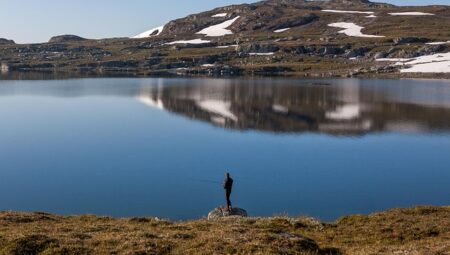
Every season brings a new chapter in the life of herders. In the spring, it’s all about care and nurturing. Picture herders gathering their reindeer, carefully assessing their health – it’s like a family reunion where everyone’s eagerly catching up. They ensure these majestic creatures are ready for the long migration as they seek lush pastures. By summer, herders often split into groups, each guiding their reindeer herds to different grazing grounds, almost like different teams competing in a friendly race, ensuring their animals get the best nourishment.

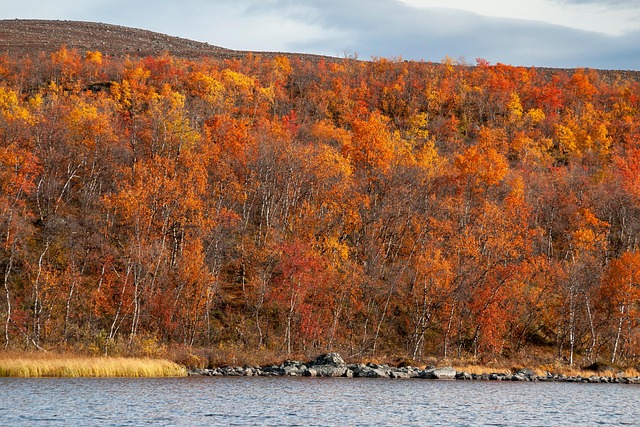
Then, as autumn approaches, the atmosphere shifts. It’s time for rounding up the reindeer, a practice filled with excitement and urgency. This phase is almost like a dance, where herders expertly guide the animals toward their winter pastures. The sight of reindeer in motion is nothing short of breathtaking – a living work of art in motion, shimmering under the golden autumn sun. It’s during this time that herders showcase their deep connection to the land and the animals, verifying they’re adequately prepared for the harsh winter waiting ahead.
Winter, however, brings a different challenge. Here, the herders become guardians, protecting their reindeer from the unforgiving cold. They work tirelessly to ensure food is available and their herds can thrive, embodying resilience and adaptability. In this intricate dance of seasons, reindeer herding reveals a profound understanding of nature, survival, and heritage, making it a truly remarkable practice worth knowing about.
The Art of Herding: Unveiling Ancient Seasonal Practices in Reindeer Migration
For the nomadic peoples of the Arctic and subarctic regions, reindeer migration isn’t just a spectacle; it’s a way of life. Picture it like a grand ballet—herders and harnessed reindeer moving in unison, each step carefully choreographed. As seasons shift, these reindeer embark on journeys that echo ancient pathways, instinctively following routes defined by food availability and weather changes. It’s a dance that speaks to the resilience and adaptability of both animal and human.
Much like watching a well-orchestrated symphony, the precision involved in herding is both a science and an art form. Herders must master the subtle cues of animal behavior, knowing just when to lead, when to follow, and how to communicate with these beloved creatures. It’s as if the reindeer possess a sixth sense, and the skilled herder becomes a trusted guide, ensuring the well-being of each member of the herd.
In many ways, herding reindeer reflects broader themes in life—patience, trust, and coexistence. It reminds us that just as these animals navigate their seasonal migrations, we too must adapt to the changes life throws our way. The intricacies of this relationship illustrate a profound connection between humans and nature, rooted in tradition and necessity. So, next time you think of reindeer, don’t just picture them grazing in the snow. Think of the stories they tell, the cultures they support, and the awe they inspire as they journey through the cycles of life.
Beyond the Horizon: A Deep Dive into Traditional Reindeer Herding Techniques Across Seasons
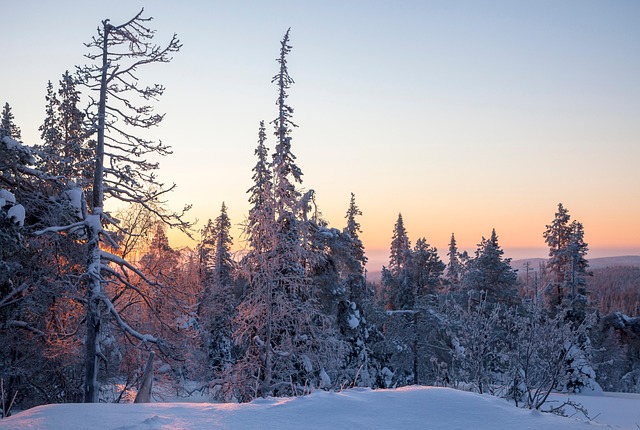
As winter blankets the earth in white, herders expertly navigate the frozen terrain. They strategically move their herds to grazing lands known as “marginal pastures,” where lichens flourish beneath the snow. It’s like finding hidden gems in a frosty kingdom! Herders use their intimate understanding of the land and the animals to ensure the reindeer have enough food to survive the harsh months. Do you know what’s fascinating? Each herd has its own call and personality, almost like a family with quirks and traits.
When spring rolls around, it’s like awakening from a long slumber. This is the time for calving and preparation for migration. Herders shift focus, teaching their young ones the ropes of the craft. It’s not just about leading; it’s about fostering a connection with the reindeer. They can almost sense when a calf is about to be born. The bond between herder and herd is deep, like an old friendship that withstands the test of time.
Summer brings a burst of life, as the herders guide their reindeer to lush pastures. Imagine lush green fields with reindeer grazing under the midnight sun! It’s a sight you have to see to believe. The herders adapt their techniques, shifting from driving the reindeer to letting them roam freely, a natural dance between man and beast. And as fall approaches, the cycle begins anew, each season presenting its unique challenges and rewards. It’s a beautiful, timeless rhythm that continues to echo through the generations.
From Winter Grazing to Summer Pastures: The Seasonal Rhythm of Reindeer Herding
So, what’s the big deal about this seasonal shift? Well, it’s not just about moving from one pasture to another. It’s a survival game. In winter, reindeer rely on the lichens and mosses that lie hidden under the snow. As spring bursts forth with life, they flock towards areas bursting with tender grass and new shoots. Can you imagine the excitement of a reindeer after long months of munching on bland winter snacks? It’s like going from a dull plate of oatmeal to a vibrant salad bar!
And there’s more! This migration, often stretching hundreds of kilometers, isn’t merely a casual stroll. It’s a tradition steeped in culture and time, connecting the herders with their animals in a profound way. When herders accompany their reindeer, sharing songs and stories along the way, they’re passing down a way of life that’s as vital as the migration itself. It’s a beautiful relationship forged through trust and mutual respect, a testament to the bond between humans and nature.
Season after season, this interplay unfolds—an age-old story of resilience and adaptability. From the chilly embrace of winter grazing to the sun-soaked vistas of summer pastures, the journey is a celebration of life in its fullest form. It’s wild, it’s beautiful, and it’s a reminder that the earth has its own fabulous rhythm.
Reindeer and the Land: How Seasonal Herding Practices Shape Ecosystems
As the temperatures change, so does the landscape. In spring, the herders move their herds to greener pastures, helping to fertilize the land with reindeer droppings—a natural cycle that promotes lush vegetation. This rich growth attracts other wildlife, creating a bustling community of life. Picture this: as the herders guide their reindeer to new grazing grounds, they’re not just navigating; they’re nurturing the land, kind of like a gardener tending to crops. It’s a symbiotic relationship that benefits both the reindeer and the surrounding flora and fauna.
But it’s not all smooth sailing. The changing climate introduces challenges, as traditional herding routes may shift or disappear altogether. This forces herders to adapt, exploring new territories that can impact the local ecosystem. Think about it—every time a herder guides their reindeer to a fresh location, they’re making choices that ripple through the environment. It’s a balancing act that requires deep knowledge of the land, akin to a chess game where each move counts.
Cultural Heritage on Hooves: The Role of Seasonal Reindeer Herding in Indigenous Traditions
For centuries, Indigenous groups in the Arctic have relied on reindeer for food, clothing, and tools. Picture this: every spring, families embark on a journey with their herds, moving alongside these gentle giants across the landscape. This seasonal migration is a dance with nature, synchronizing human life with the rhythms of the earth. The herding itself is an art form passed down through generations, where each movement is a thread woven into the fabric of their culture.
Now, you might wonder why this practice matters in today’s fast-paced world. Well, think of it as a living museum. Each reindeer and every herding method holds a story—stories of adaptation, of resilience, and of deep respect for the environment. This tradition isn’t just about the reindeer; it’s about community identity, social ties, and spiritual beliefs.
Frequently Asked Questions
What Tools and Techniques Are Used in Reindeer Herding?
Reindeer herding employs a variety of tools and techniques to manage and care for the animals effectively. Key tools include sleds for transportation, herding sticks for guiding the reindeer, and GPS technology for tracking movement. Techniques involve seasonal migration planning, selective breeding to maintain health, and traditional skills passed down through generations for navigating and managing herds in diverse terrains.
How Do Weather Conditions Affect Reindeer Herding?
Weather conditions significantly influence reindeer herding by affecting the availability of food, migration patterns, and the health of the animals. Extreme temperatures, snowfall, and precipitation can hinder access to grazing areas and create challenges for herders in managing their flocks. Understanding these impacts is crucial for successful herding and ensuring the well-being of the reindeer.
What Cultural Significance Does Reindeer Herding Hold?
Reindeer herding is a traditional practice that holds deep cultural significance for various indigenous communities, particularly in Arctic regions. It is not only a means of sustenance and livelihood but also a key aspect of their identity, heritage, and social structure. The practice involves skills passed down through generations and fosters a connection with the land and animals. Additionally, it plays a crucial role in maintaining cultural traditions, rituals, and community cohesion, reflecting the adaptability and resilience of these societies in the face of modern challenges.
What Are the Key Practices in Seasonal Reindeer Herding?
Seasonal reindeer herding involves key practices such as migration based on seasonal forage availability, maintaining herd health through proper nutritional management, employing traditional tracking and herding techniques, and fostering community cooperation among herders. These methods ensure sustainable management of the herd and the surrounding ecosystem.
How Do Reindeer Herding Practices Vary by Season?
Reindeer herding practices change with the seasons to adapt to environmental conditions and animal needs. In spring and summer, herders often move herds to grazing areas with abundant food, while in autumn, they prepare for migration and herd management. Winter focuses on shelter and access to food under the snow, emphasizing careful monitoring of herd health. Seasonal variations are crucial for maintaining the sustainability of reindeer herding.