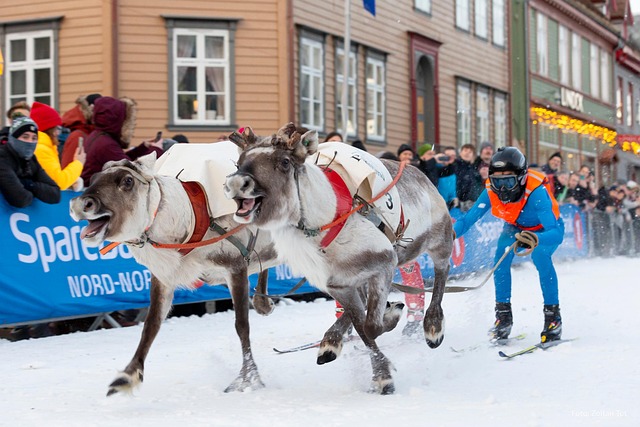
Academic research on the Sami explores their traditional practices, language, and the impact of modernity on their identity. Isn’t it intriguing how their reindeer herding lifestyle intertwines with contemporary issues like climate change and globalization? For anthropologists, it’s like peeling back layers of an onion; each layer reveals new insights into how the Sami adapt yet maintain their cultural essence.
Now, let’s talk about their rich traditions. Sami art, music, and clothing—the colorful gákti—tell stories that reflect their connection to nature and community. This vibrant culture hasn’t escaped the keen eyes of researchers. They’re looking at how Sami performances and storytelling promote solidarity and cultural pride. It’s a bit like watching a movie that spans generations, filled with tales of endurance and hope.
However, it’s not all sunshine and rainbows. Researchers also tackle the more challenging aspects, like the historical injustices faced by the Sami. Think of it as a tragic hero’s journey—where the Sami fight to reclaim their land, language, and rights. Academic inquiries here are crucial, as they illuminate the need for understanding and respecting indigenous voices in a world that often overshadows them.
Beyond Stereotypes: The Rich Cultural Heritage of the Sami People in Contemporary Academic Research
Imagine a world where storytelling is not just for entertainment but as a vessel of wisdom, history, and tradition. The Sami excel at this, weaving tales that chronicle their connections to nature and each other. Recent studies are diving deep into these oral histories, showcasing how they carry profound ecological knowledge that can guide modern sustainability practices. Think of the Sami as guardians of ancient wisdom, navigating the changing tides of climate and culture with a unique perspective that clashes yet harmonizes with the demands of the 21st century.
Now, consider the Sami language, rich in dialects and steeped in meaning, representing an identity that isn’t merely historical but is thriving. Recent academic pursuits are examining how language revitalization efforts are impacting Sami communities, balancing the past with the present. It’s like planting a seed in a garden that needs nurturing to bloom; the language flourishes, reminding everyone that it’s not just about survival, but about thriving as a distinct culture.
Anthropological Insights: Uncovering the Evolving Identity of the Sami Amidst Globalization
Imagine their traditional reindeer herding, a practice passed down through generations. It’s not just about herding; it’s a way of life that fosters a symbiotic relationship with nature. But as more roads are built and climate changes, how do the Sami adapt? Some embrace new technologies and business opportunities, all while trying to keep their cultural roots intact. It’s like balancing on a tightrope—one misstep can lead to losing centuries of heritage.
Take the Sami language, for instance. It’s not merely a means of communication; it’s a vessel for their stories, their wisdom, and their very identity. Yet, with younger generations leaning towards global languages, how can they revive and cherish this ancient tongue? Think of it like planting a seed in concrete; it requires attention and care to flourish amidst the overwhelming urban jungle.
From Margins to Mainstream: How Sami Perspectives are Shaping Modern Anthropology

Imagine standing on the frozen plains of Sápmi, the traditional homeland of the Sami. It’s a world where reindeer herding blends seamlessly with a rich tapestry of folklore and spirituality. By listening to the Sami, anthropologists are not just adding another chapter to their travelogue; they’re actually changing the narrative of what culture and knowledge mean. Instead of a one-size-fits-all approach, they’re embracing a mindset where diverse experiences are the new norm.
This shift isn’t just academic; it’s personal. Sami perspectives are adding depth to discussions about climate change, land rights, and sustainable living. When anthropologists collaborate with the Sami, they don’t just gain insights; they also learn about resilience, community, and the intricate balance of nature. Can you imagine how powerful it is to have the wisdom of those who’ve lived harmoniously with the land for generations?
Furthermore, this newfound recognition is prompting a wider reevaluation of who gets to tell their stories. It’s about flipping the script, allowing Indigenous people to share their truths rather than having them filtered through mainstream viewpoints. The Sami’s influence in anthropology is akin to shining a spotlight on a hidden gem; it reveals complexities that enrich our understanding of global diversity.
Preserving Tradition: The Role of Sami People in Reimagining Anthropological Narratives
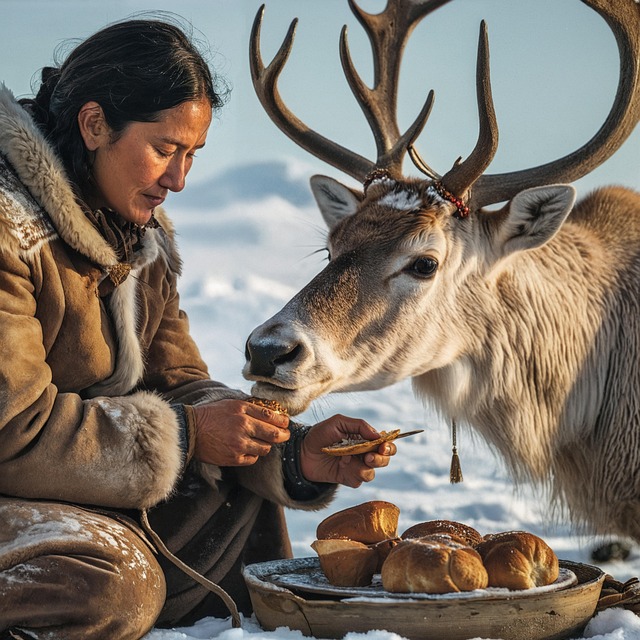
Imagine for a moment the Sami’s reindeer herding, a practice that’s as vital to their identity as breathing. It’s not just about survival but a profound connection to the land and the animals. The Sami are like nature’s storytellers, blending their ancestral wisdom with current environmental conversations. When anthropologists write about the Sami today, they’re not merely documenting; they’re collaborating, recognizing the Sami as active participants in telling their own stories, rather than passive subjects to be studied. This shift is akin to turning up the volume on a song that deserves to be heard.
But why does this matter? Well, it’s like flipping a light switch in a dim room. When the Sami share their narratives, they enrich global perspectives on sustainability and community resilience. They challenge stereotypes and foster a deeper understanding of indigenous rights and cultures. By preserving their traditions while engaging in modern dialogues, they become the bridge between the past and the future, reminding us that heritage doesn’t have to fade away; it can evolve and, in doing so, invites us all to reflect on our own narratives.
Reclaiming History: Sami Voices in Academic Discourse and Indigenous Research Methodologies
Engaging with Sami voices in research isn’t just about giving them a seat at the table; it’s about reshaping the table itself. Indigenous research methodologies, rooted in respect and reciprocity, prioritize the wisdom of those who live in harmony with their environment. Think about it: traditional research often feels like an outsider peering in, while Sami methodologies invite researchers to walk alongside the Sami, sharing stories and knowledge as equals. It’s a beautiful dance of collaboration rather than a one-sided interview.
But why does this matter? Well, incorporating Sami perspectives can transform our understanding of history, environment, and culture. It’s like discovering a hidden chapter in a book you thought you knew inside and out. Sami contributions challenge preconceived notions and open up dialogues about climate change, survival, and resilience that are often missed in mainstream discussions.
Frequently Asked Questions
What challenges do researchers face when studying Sami communities?
Researchers studying these communities often encounter challenges such as limited access to remote locations, language barriers, cultural sensitivity issues, and historical mistrust towards outsiders. Additionally, variations in traditional practices and the impact of globalization complicate data collection and analysis.
How has Sami identity been represented in anthropological research?
Anthropological research has explored Sami identity through various lenses, highlighting cultural practices, historical narratives, and the impacts of colonialism. Studies often focus on the interplay between tradition and modernity, showcasing the resilience of Sami culture amidst external pressures. Researchers aim to represent Sami perspectives accurately, addressing issues of land rights, language preservation, and the revitalization of cultural heritage.
What methodologies are commonly used to study the Sami people?
Common methodologies for studying the Sami people include ethnographic research, participant observation, interviews, and surveys, which provide insights into their culture, traditions, and contemporary issues. Additionally, interdisciplinary approaches involving anthropology, history, sociology, and linguistics are often utilized to capture the complexity of Sami identity and experiences.
What are the key characteristics of Sami culture in academic studies?
Sami culture is marked by its rich traditions, strong connection to nature, distinct linguistic heritage, and communal identity. Academic studies highlight aspects such as reindeer herding practices, traditional handicrafts, folklore, and the importance of language preservation. The resilience and adaptability of Sami communities are also emphasized, showcasing their efforts to maintain cultural identity amidst modern challenges.
How has colonization impacted the Sami in academic discourse?
The impact of colonization on the Sami is a significant topic in academic discussions, emphasizing the historical and cultural consequences faced by this indigenous group. Scholars analyze how colonization led to the loss of land, cultural erosion, and identity struggles while also exploring the resilience and adaptations of the Sami community. This discourse highlights both the challenges presented by external influences and the importance of acknowledging and preserving Sami heritage in contemporary society.