


Crafted from natural materials like wood, reindeer skins, and even sod, golfts are as eco-friendly as they are practical. Think of them as nature’s own igloos, designed to keep the interior warm while repelling icy gusts. How do they do this? Well, it’s all about the genius of their construction. The conical shape helps the snow slide off, preventing the roof from collapsing under a heavy burden while allowing heat to rise and keep the inhabitants cozy.
Step inside one of these shelters, and you can almost feel the warmth enveloping you. The floor is often slightly raised, allowing warmth from the ground to seep up, creating a snug, inviting atmosphere. Picture a scene where families gather around a fire, sharing stories and laughter while the world outside is blanketed in white. It’s more than just shelter; it’s a way to cultivate a sense of community and resilience amid the fierce cold.
Ingenious Warmth: Exploring Traditional Sami Structures for Surviving Arctic Winters
Picture this: the iconic “goahti,” a traditional Sami dwelling. It’s not just a house; it’s like a cozy hug against the brutal elements. The goahti is typically made from wooden poles and tightly packed with moss or turf. Why moss, you ask? Well, it’s nature’s insulation! It keeps the heat in and the cold out, which is essential when temperatures dip well below freezing. The shape of the goahti is noticeably conical—think of it as nature’s version of a thermal bottle, directing snow and wind away while maximizing warmth inside.
Inside a goahti, it’s all about practicality and comfort. You’ll find a central fire pit, which serves as both heat source and cooking space. It’s a gathering point for families to share stories, laughter, and maybe roast a few reindeer sausages. Seriously, can you think of a better way to bond?
But it’s not just about staying warm; the Sami people have a profound respect for their environment. They use locally sourced materials, ensuring that their structures blend harmoniously with the land. This eco-friendly approach isn’t just smart; it shows their deep connection to the Arctic landscape.
So next time you’re bundled up and sipping hot cocoa, spare a thought for the Sami. Their traditional structures are a testament to human ingenuity, turning the challenge of Arctic winters into an art form. Isn’t that just amazing?
From Tents to Cabins: The Evolution of Sami Shelter Designs Amid Harsh Climates
Picture this: A bright, frosty morning in the Arctic Circle, where the Sami first set up their tents, known as ‘kota’. These structures, reminiscent of tipis, were ingeniously crafted to withstand biting winds and snow. The use of animal skins made them warm and flexible, allowing nomadic families to pack up and move at a moment’s notice. Can you imagine how essential this mobility was for their herding lifestyle?
As the seasons changed and temperatures dipped, the Sami began to embrace sturdier homes. Enter the wooden cabins, built to provide consistent shelter throughout the year. These cabins weren’t just a step up in comfort; they represented a shift in lifestyle and community. Think of them as the Sami version of a cozy winter retreat, complete with a roaring fire and the smell of wood smoke.
In today’s world, some people might find it easy to dismiss the Sami’s traditional ways as merely historical. But here’s the kicker: this evolution is still ongoing. Modern Sami continue to adapt their living spaces to blend traditional methods with contemporary needs, showcasing resilience and creativity against the backdrop of climate challenges. Isn’t it incredible how shelter can narrate a story of adaptability and innovation? Each design—whether a kota or a cabin—offers a glimpse into how these remarkable people have thrived against the odds, showcasing an enduring connection to their land and heritage.
Sami Architecture: Crafting Cozy Havens in the Heart of Winter’s Grip
The ingenious use of materials is what makes Sami architecture so captivating. Often crafted from wood and felt, these structures mirror the landscape, blending seamlessly with the snow-covered terrain. It’s almost magical how the Sami have turned the raw elements around them into something both functional and beautiful, creating a perfect harmony with nature. Ever been in a space that feels like a sanctuary? That’s what these structures aim for — a cozy haven despite the frost creeping in.
Stepping inside a lavvu, you’re greeted by the warmth radiating from a central fire, the flickering flames casting playful shadows on the walls. Doesn’t it feel like a scene straight out of a cozy winter storybook? The design encourages community living, inviting people to gather, share stories, and kindle not just the fire, but a sense of togetherness that’s so vital during the long, dark winter months.
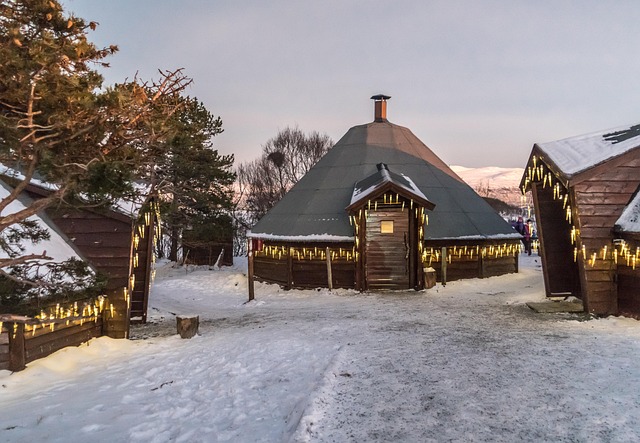
Sami architecture isn’t just a remnant of the past; it’s an ongoing dialogue between humanity and nature, a celebration of resilience and comfort. So next time winter blankets the world in white, think of the Sami and their beautiful, cozy havens, standing strong against the chill.
Winter Warriors: How Sami Shelter Designs Stand the Test of Time and Nature
Think of Sami shelters as nature’s ultimate multitaskers. Just like a Swiss Army knife, they adapt to the environment, offering warmth and protection while paying homage to the landscape they inhabit. Each shelter is more than just a building; it’s a cozy cocoon built on generations of wisdom. The traditional ‘goahti’—an oval, tent-like structure—serves as a perfect example. Its triangular shape and layers of insulation not only trap heat but also shed snow, making it a stalwart against winter’s fury.
Have you ever tried to build a snowman? It’s a bit tricky if the snow is too light or the temperature too low. Now, imagine constructing a whole home in similar conditions! Sami architecture responds brilliantly to such challenges. The unique design incorporates airflow to regulate temperature, much like nature’s own ventilation system, keeping the interior snug and inviting.
Cultural Resilience: Traditional Sami Shelters as Models for Sustainable Living in Cold Climates
The Sami people, indigenous to the Arctic regions, have honed their understanding of living sustainably in these low-temperature climates. Think about it: every aspect of a goahti is designed with intention. Constructed using materials like wood and reindeer hides, these shelters are not only eco-friendly but also incredibly efficient. The rounded shape traps heat, just like a hug keeps us warm on a chilly day. Can you imagine having your own cozy nook in the middle of winter? That’s the magic of the goahti!
But here’s the real kicker—these traditional shelters teach us significant lessons about sustainability. As we face climate change and the increasing demand for eco-conscious living, the Sami’s age-old wisdom is more relevant than ever. Instead of relying heavily on modern technologies, the Sami show us how to adapt to our surroundings, using what nature provides without depleting it. Isn’t that a refreshing change?
Frequently Asked Questions
How do Sami shelters differ from modern winter accommodations?
Sami shelters, traditionally known as lavvu, are tent-like structures made from natural materials like wood and reindeer pelts, designed for portability and adaptability to the harsh Arctic environment. In contrast, modern winter accommodations typically utilize contemporary materials and construction techniques for enhanced insulation, durability, and comfort. While Sami shelters emphasize sustainability and cultural significance, modern options focus on amenities and energy efficiency.
How do Sami shelters withstand harsh winter conditions?
Sami shelters, known as ‘goahti,’ are designed to endure extreme winter conditions through their unique structure, which consists of a robust wooden frame covered with animal skins or tarpaulin. This construction provides excellent insulation and retains heat efficiently. The pointed roof helps prevent snow accumulation, while the circular shape minimizes wind resistance. Additionally, the choice of materials used for the shelter enhances durability and warmth, making it suitable for survival in harsh climates.
What materials are used in constructing Sami winter shelters?
Sami winter shelters are traditionally constructed using local materials such as timber, peat, and moss. Timber is used for the framework, while peat is often utilized for insulation due to its thermal properties. Moss serves as an additional insulator and weatherproofing layer. These materials are chosen for their availability and ability to withstand harsh winter conditions.
What are the key features of traditional Sami shelters?
Traditional Sami shelters are primarily designed for sustainability and adaptability to harsh Arctic conditions. Key features include a conical or dome shape for efficient snow and wind resistance, use of lightweight materials such as reindeer skins and wood, and a central fire pit for warmth and cooking. These structures are portable, allowing for easy relocation as the Sami people migrate with reindeer herds.
What is the history and cultural significance of Sami shelter designs?
Sami shelter designs, primarily the lavvu, reflect the traditional nomadic lifestyle of the Sami people of northern Europe. These structures are adapted to the harsh Arctic environment, showcasing ingenuity in utilizing local materials. The conical shape allows for effective heat retention and withstands strong winds, while the interior reflects a communal living space. The construction and use of these shelters embody the cultural heritage and resilience of the Sami, emphasizing a deep connection with nature and sustainable living practices.