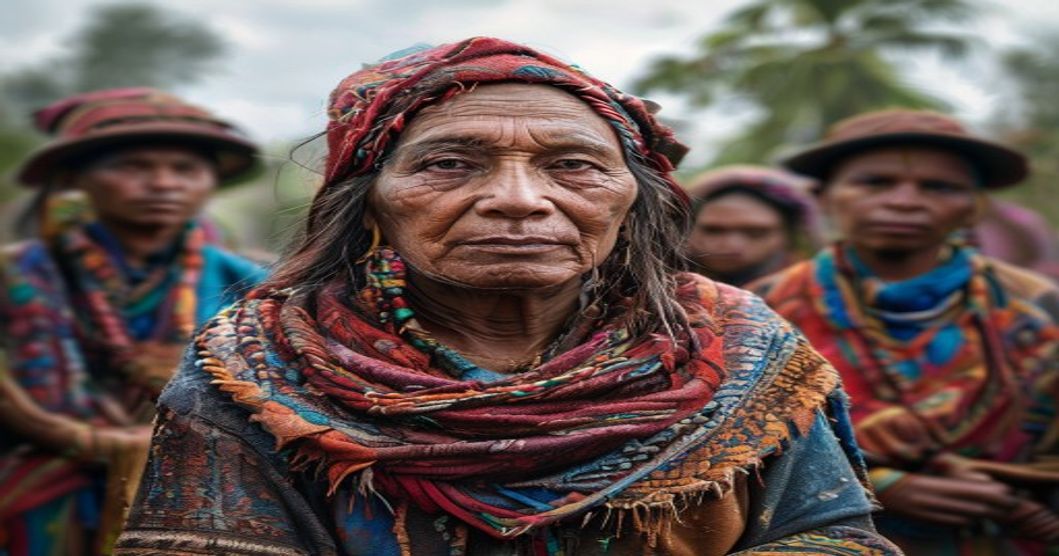
How Sami Communities Reclaimed Their Heritage
Systemic assimilation policies across Norway, Sweden, Finland, and Russia actively suppressed Sámi languages, restricted reindeer migration routes, and prohibited traditional ceremonies throughout the nineteenth and twentieth centuries. Cultural survival depended on clandestine transmission practices. Elders preserved oral narratives, passed down duodji carving techniques within family workshops, and maintained joik vocalizations through private gatherings outside institutional oversight.
The trajectory shifted during the 1970s when environmental campaigns intersected with Indigenous land rights movements. Opposition to hydroelectric dams and mining operations in Sápmi exposed the legal vacuum protecting ancestral territories. Legislative milestones followed rapid political mobilization. Norway established the Sameting in 1989, granting official oversight over cultural funding and language policy. Sweden and Finland enacted comparable frameworks within the subsequent decade. Educational infrastructure underwent structural transformation. Universities launched degree programs focused on Sámi linguistics, ethnography, and traditional ecological knowledge. Primary schools integrated bilingual instruction funded by national budgets, while teacher certification pathways prioritized native speakers.
- Digital repositories now catalog thousands of hours of recorded joiks, historical land survey maps, and archival photographs documenting pre-assimilation livelihoods.
- Contemporary media networks broadcast news, documentaries, and literary readings across North, South, and Inari Sámi dialects without translation overlays.
- Economic cooperatives establish certified origin labels for textiles, silverwork, and reindeer-derived goods, ensuring revenue directly supports cultural practitioners.
International legal instruments, particularly the UN Declaration on the Rights of Indigenous Peoples, provided additional leverage for land restitution claims. Court rulings in northern jurisdictions increasingly recognized customary grazing patterns as binding property rights. Modern advocacy prioritizes intergenerational knowledge transfer over symbolic representation. Winter sports academies, craft apprenticeships, and academic symposiums function as active learning environments rather than static exhibitions. Sustained institutional pressure, combined with continuous grassroots cultural maintenance, successfully reversed centuries of marginalization while establishing operational frameworks for Indigenous self-determination.
Legislative Erasure and Cultural Assimilation Campaigns
State-led integration strategies across Scandinavia systematically dismantled Sami territorial autonomy and traditional governance structures throughout the twentieth century. Legislative frameworks prioritized economic modernization over indigenous rights, reclassifying ancestral lands as state property or designated zones for resource extraction. The 1902 Norwegian Reindeer Act established exclusive grazing corridors while simultaneously restricting seasonal migration routes essential for herd survival. Swedish authorities implemented parallel territorial divisions under administrative codes that evolved into municipal boundaries fracturing traditional siida communities. Finnish legislation mirrored these approaches through centralized forestry and mining permits that bypassed indigenous consultation entirely.
Educational institutions functioned as primary instruments of cultural displacement. Boarding schools enforced language suppression by penalizing children for speaking Sámi or Kven dialects. Curriculum design excluded indigenous history, geography, and ecological knowledge while promoting nationalistic narratives. Teachers administered corporal punishment and psychological conditioning to accelerate linguistic transition. Residential placement separated families across municipal boundaries, disrupting intergenerational transmission of reindeer husbandry techniques, textile patterns, and oral traditions. The systematic removal of youth from communal environments created measurable declines in mother-tongue proficiency that persisted for decades.
- Land appropriation mechanisms: National park designations and conservation zones relocated herding populations without compensation or alternative grazing rights.
- Linguistic prohibition policies: School regulations mandated Swedish, Norwegian, or Finnish as the sole permitted communication language during instruction and dormitory hours.
- Economic marginalization tactics: Tax structures targeted reindeer ownership thresholds, forcing sustainable herd sizes below viable operational levels.
- Ritual suppression directives: Religious authorities and state officials coordinated to ban drum ceremonies and joik performances under public order statutes.
Administrative enforcement relied on municipal surveillance networks that monitored migration patterns, grazing permits, and cultural gatherings. Local administrators reported noncompliance to regional governors who issued fines, seized livestock, or revoked herding licenses. Court proceedings rarely acknowledged customary land tenure or oral testimony as valid legal evidence. Resource corporations received preferential licensing for timber harvesting, hydroelectric projects, and mineral exploration while indigenous land claims remained unregistered. This regulatory asymmetry accelerated habitat degradation and forced economic dependency on wage labor outside traditional territories. The cumulative effect of these coordinated measures fractured social cohesion and dismantled autonomous decision-making structures that had sustained Sami societies for centuries.
Grassroots Activism Against Historical Discrimination
Historical marginalization of Sámi populations originated from state-sponsored assimilation frameworks that systematically suppressed indigenous languages, restricted reindeer husbandry practices, and alienated communities from ancestral territories. Grassroots movements emerged as direct responses to these structural erasures, prioritizing decentralized community control over cultural preservation. Local elders initiated oral history documentation projects, establishing neighborhood archives that bypassed institutional gatekeepers. Youth coalitions organized cultural camps focused on joik vocalization, duodji craft transmission, and traditional ecological knowledge, creating intergenerational learning networks outside formal education systems.
Organized resistance materialized through multiple tactical approaches across national borders. Activists coordinated legal challenges against mining concessions encroaching on grazing lands, utilizing indigenous land rights frameworks to pressure government agencies. Community-led language nests implemented Sámi-medium instruction for early childhood development, directly countering decades of monolingual schooling mandates. Digital activism amplified these efforts, with activists mapping sacred sites using open-source GIS tools and publishing multilingual educational materials through self-hosted platforms. Cross-border alliances between Norwegian, Swedish, Finnish, and Russian Sámi organizations facilitated shared litigation strategies and unified lobbying campaigns targeting parliamentary committees.
- Legal advocacy networks filed strategic lawsuits to establish precedent for territorial autonomy, securing court rulings that recognized traditional land use rights over mineral extraction permits.
- Community-driven language revitalization programs developed standardized orthographies for endangered Sámi dialects and distributed open-access pedagogical resources to rural municipalities.
- Youth-led cultural documentation initiatives utilized archival digitization techniques to preserve photographs, audio recordings, and handwritten manuscripts from assimilation-era institutions.
- Transnational policy coalitions drafted standardized indigenous rights frameworks adopted by regional legislative bodies, mandating Sámi consultation protocols for resource development projects.
Sustained grassroots pressure forced institutional recalibration. Educational ministries revised curriculum standards to include Sámi historical narratives, while land management agencies established co-governance agreements with community councils. Monitoring committees tracked implementation gaps, submitting annual compliance reports that triggered legislative reviews. Economic cooperatives funded independent media outlets and publishing houses, ensuring narrative control remained within indigenous hands rather than external institutions.
Securing Constitutional Recognition Across Border Regions
The pursuit of constitutional recognition for Sami communities requires navigating distinct legal architectures across Norway, Sweden, Finland, and Russia. Each state operates under different frameworks for indigenous rights, necessitating tailored advocacy strategies that align with domestic constitutional law while leveraging international instruments. In Norway, the 2012 amendment to Article 108 establishes binding state obligations regarding Sami self-determination, land allocation, and mandatory consultation protocols for extractive industries.
Sweden lacks explicit constitutional text addressing indigenous status. Advocacy networks prioritize parliamentary resolutions and the domestic application of ILO Convention No. 169, which courts treat as quasi-binding precedent. Finnish constitutional law addresses cultural autonomy through Section 17, requiring legislative alignment with UNDRIP standards while permitting limited land-use restrictions for economic development. Russian federal legislation grants formal indigenous designation but omits enforcement mechanisms, compelling diaspora organizations to utilize international arbitration frameworks.
- Norway’s constitutional amendment mandates direct parliamentary oversight of Sami cultural funding and resource licensing approvals.
- Finland’s Section 17 triggers mandatory impact assessments before issuing forestry or mining concessions on traditional territories.
- Sweden relies on ILO 169 ratification to enforce free, prior, and informed consent requirements in commercial operations.
- Russian legal frameworks require supplementary bilateral agreements to secure grazing corridor protections across municipal jurisdictions.
Cross-border coordination amplifies legislative pressure through the Sámi Council and Nordic Sami Conference, which standardize terminology and track statutory deviations. Strategic litigation leverages European Court of Human Rights Article 8 provisions for private life protection, transforming cultural preservation into justiciable claims. Legislative monitoring committees publish quarterly compliance reports, creating transparent accountability metrics that supranational bodies reference during treaty reviews.
Constitutional recognition alone does not transfer land title or veto authority over commercial development. Communities deploy geospatial mapping initiatives that integrate traditional ecological knowledge with satellite imagery to establish historical occupancy patterns. These datasets function as evidentiary standards in administrative hearings and shape bilateral treaties governing reindeer husbandry routes that intersect municipal boundaries.
Legal Advocacy and Territorial Rights Restoration
The pursuit of territorial rights by Sami communities has fundamentally shifted from grassroots mobilization to structured legal intervention across Nordic jurisdictions. Decades of state-led assimilation policies gradually gave way to strategic litigation supported by indigenous law specialists, academic partnerships, and transnational human rights networks. Courts in Norway, Sweden, and Finland began examining historical land surveys, reindeer herding regulations, and colonial boundary maps against contemporary constitutional standards. The Norwegian Supreme Court rulings between 1987 and 2007 established that customary land use could constitute ownership when documented through continuous practice and community testimony. Similar precedents emerged in Swedish Land Courts, where the principle of ancestral occupation gained traction despite legislative resistance. Finnish tribunals eventually recognized water rights and forest management claims tied to traditional livelihoods, though implementation remains fragmented.
Evidence submission protocols now require multi-generational oral histories, historical cartography, and ethnographic records to meet judicial burdens of proof. Arbitration panels increasingly accept cross-validated satellite telemetry alongside traditional knowledge systems. These methodological shifts reduce reliance on colonial archives that systematically excluded indigenous land tenure. Legal advocacy expanded beyond domestic courts into international frameworks. Ratification of ILO Convention 169 by Norway provided enforceable consultation requirements for resource extraction projects. Sweden and Finland have yet to ratify the convention, prompting Sami organizations to file systemic complaints with the UN Committee on the Elimination of Racial Discrimination and the European Court of Human Rights. These interventions forced states to revise mining permits, wind farm approvals, and forestry concessions that previously ignored indigenous consent protocols.
- Norwegian Constitution Section 108 mandates state protection of Sami cultural and economic interests.
- Swedish Reindeer Husbandry Act limits grazing areas but courts increasingly interpret seasonal migration routes as protected corridors.
- Finnish Land Use and Building Act requires impact assessments for projects affecting traditional territories.
Territorial governance now operates through co-management boards, where Sami representatives negotiate access to reindeer pastures, fishing waters, and mineral extraction zones. Legal victories have not eradicated conflicts, but they have institutionalized negotiation as a mandatory step rather than an optional consultation. Documentation of historical use, satellite mapping of migration patterns, and cross-border archival research continue to strengthen claims. The trajectory demonstrates how persistent legal strategy transforms abstract recognition into enforceable territorial authority.
Court Precedents for Traditional Reindeer Grazing Lands
Legal recognition of Sami reindeer grazing rights emerged through decades of litigation that challenged state assertions of Crown land ownership. Courts in Norway, Sweden, and Finland gradually shifted from treating herding as a revocable privilege to acknowledging it as a protected property right rooted in customary law. The foundational principle established across Nordic jurisdictions is that traditional grazing entitlements derive from historical occupation rather than formal title deeds.
- The 1986 Kallio decision by the Finnish Supreme Court ruled that long-standing reindeer pasturage constitutes a legal right independent of land registration, forcing the state to compensate for grazing restrictions imposed by forestry operations.
- Norwegian appellate courts in the Sør-Varanger and Tana cases applied the principle of prescription, confirming that continuous herding practices since the seventeenth century generate enforceable usage rights even on unregistered territory.
- The Swedish Supreme Court’s 2011 Skattevik ruling explicitly recognized that Sami grazing lands possess a unique legal status under domestic law, requiring environmental impact assessments to prioritize traditional livelihoods over commercial extraction projects.
Judicial reasoning consistently emphasized archaeological records, parish registries, and oral testimony as valid evidence of historical land use. Courts rejected the argument that grazing rights expire when communities relocate or adapt their seasonal routes. Instead, rulings established that mobility itself is a defining characteristic of traditional reindeer husbandry, not a violation of static boundary concepts. The European Court of Human Rights reinforced this position in Hirvisaari and Others v. Finland, determining that state interference with grazing corridors violated Article 8 of the European Convention on Human Rights when legitimate economic and cultural survival was at stake.
Subsequent litigation focused on cumulative impacts from wind farms, mining concessions, and infrastructure development. Judges began applying the precautionary principle to grazing disputes, requiring proponents to demonstrate that alternative routes or compensation mechanisms would not irreversibly fragment migration patterns. Legal scholars now cite these precedents as a model for balancing indigenous land tenure with resource development, emphasizing that historical usage creates a legally binding framework that modern planning statutes must accommodate rather than override.
Transnational Cooperation Among Indigenous Legal Teams
Legal battles over Sami territorial and cultural rights span four sovereign states: Norway, Sweden, Finland, and the Russian Federation. Historically, fragmented national jurisdictions allowed governments to apply divergent interpretations of Indigenous land tenure, grazing corridors, and resource extraction permits. Transnational legal coalitions emerged to dismantle this fragmentation by standardizing arguments across borders. These networks operate through shared litigation strategies, pooled expert witnesses, and coordinated filings at supranational courts.
Jurisdictional alignment relies on harmonizing domestic precedents with international instruments such as ILO Convention 169 and the United Nations Declaration on the Rights of Indigenous Peoples. When Sami legal teams in Finnmark coordinate with counterparts in Lapland, they cross-reference court rulings to establish consistent baseline claims. This comparative jurisprudence prevents governments from exploiting regulatory gaps between neighboring states.
- Coordinated litigation pipelines: Teams file parallel cases in national supreme courts while simultaneously petitioning the European Court of Human Rights, creating layered pressure that forces policy recalibration.
- Shared evidentiary databases: Historical land surveys, oral testimony archives, and reindeer migration records are digitized and anonymized for cross-border use, ensuring consistent documentation standards.
- Linguistic and cultural bridging: Specialist translators and legal anthropologists standardize terminology around concepts like siida (traditional community) and yoik (cultural expression), preventing misinterpretation in foreign court systems.
Funding disparities between wealthier Nordic jurisdictions and under-resourced Russian Sami groups initially hindered equal participation. To counter this, coalition members established rotating grant pools and pro bono partnerships with Scandinavian law firms. Technical working groups now draft model legislation that aligns national statutes with Indigenous customary law, reducing legislative lag.
Supranational tribunals have increasingly recognized these coordinated efforts. Rulings from the European Court of Human Rights citing cross-border Sami testimony demonstrate how transnational legal architecture transforms localized disputes into binding regional precedents. This structural shift dismantles state-level obstructionism and accelerates heritage reclamation through enforceable land-use agreements, cultural preservation mandates, and self-governance frameworks.
Mining Industry Regulations and Environmental Safeguards
Mineral extraction across Sápmi historically functioned without indigenous jurisdiction, causing widespread ecological degradation that directly threatened reindeer pastures, wetland ecosystems, and waterways essential to Sami cultural continuity. Regulatory frameworks have systematically transitioned from centralized resource exploitation toward legally enforceable environmental safeguards that recognize ancestral land tenure. Contemporary mining permits now require exhaustive environmental impact assessments codified in national legislation and ratified international treaties. These evaluations must document hydrological pathways, soil contamination thresholds, and seasonal migration corridors prior to any exploration phase. Regulatory authorities in Norway, Sweden, and Finland have institutionalized mandatory consultation procedures grounded in Free, Prior and Informed Consent standards, obligating operators to submit technical documentation to Sami municipal councils during preliminary planning.
Environmental monitoring infrastructure has become equally vital to heritage preservation. Independent ecological surveys measure heavy metal dispersion, permafrost stability, and vegetation regeneration across active extraction zones. Regulatory compliance demands real-time data transmission to regional governance bodies where Sami delegates hold decisive voting rights on mitigation adjustments. Post-mining restoration requirements now mandate landscape rehabilitation that mirrors traditional land-use configurations instead of industrial remediation templates. Performance bonds and financial guarantees ensure operators finance long-term ecological corrections regardless of project lifecycle or corporate restructuring.
- Impact Assessment Protocols: Mandatory baseline studies evaluate biodiversity metrics, groundwater chemistry, and cultural site mapping before permit issuance.
- Consultation Requirements: Legally binding dialogue phases grant Sami councils authority to halt projects endangering grazing routes or sacred geographies.
- Ecolocial Safeguards: Continuous monitoring networks, containment engineering, and habitat restoration mandates protect water quality and soil integrity throughout extraction cycles.
Judicial precedents have solidified these regulatory mechanisms. Court decisions consistently prioritize ecological thresholds over corporate revenue projections when traditional livelihoods face irreversible disruption. Enforcement agencies conduct unannounced compliance inspections, applying strict financial penalties for unauthorized runoff or habitat fragmentation. The systematic integration of indigenous ecological knowledge into risk modeling has improved predictive accuracy for environmental degradation patterns. Ongoing policy reforms strengthen oversight architectures, ensuring heritage reclamation remains structurally linked to sustainable resource governance.
Language Preservation and Academic Institutionalization
The revitalization of Sámi languages required systematic documentation and formal academic frameworks to counter decades of forced assimilation policies. Early scholarly efforts concentrated on phonetic transcription, dialect mapping, and the creation of standardized orthographies across Northern Sámi, Lule Sámi, Southern Sámi, and several regional variants. Linguists partnered with native speakers to produce comprehensive grammars and dictionaries, ensuring that lexical structures reflected authentic vernacular usage rather than external linguistic biases. These foundational texts became essential references for curriculum designers developing structured pedagogical materials.
Academic institutionalization advanced through dedicated university programs and specialized research centers across Sápmi. Finnmark University College launched the first formal degree tracks in Sámi linguistics, later integrated into UiT The Arctic University of Norway as a permanent department. The institution now coordinates doctoral research on language acquisition patterns, sociolinguistic fieldwork methodologies, and digital archiving techniques. Parallel academic programs operate at Tromsø Sámisk Høgskole and Uppsala University’s Centre for Sámi Studies, establishing a transnational network of scholars focused on linguistic preservation and pedagogical innovation.
Curriculum development followed directly from institutional backing. Educational authorities mandated Sámi-medium instruction in kindergartens and primary schools across Norway, Sweden, and Finland. Textbooks underwent rigorous peer review by language councils comprising elders, certified teachers, and professional linguists. Digital platforms now host interactive grammar exercises, audio archives of elder speakers, and machine-translated corpora trained exclusively on verified Sámi text sources. These resources support both formal classroom instruction and independent study for diaspora learners seeking linguistic reconnection.
- The Sámi Parliamentary Council’s language standardization committee, which aligns orthographic reforms with contemporary pedagogical requirements.
- University-led fieldwork projects documenting endangered dialects through high-resolution video recordings and acoustic phonetic analysis.
- Cross-border academic exchanges that allocate doctoral fellowships for researchers specializing in minority language revitalization strategies.
Institutional support transformed Sámi from a marginalized vernacular into a recognized academic discipline. Funding mechanisms now prioritize original research on syntax evolution, lexical development, and historical text reconstruction. Graduate programs mandate fieldwork components where students conduct community-based documentation under professional supervision. This academic infrastructure ensures that linguistic knowledge remains dynamic, continuously refined through scholarly collaboration and direct engagement with heritage speakers.
Mother-Tongue Immersion Programs in Primary Education
The systematic reintroduction of Sami languages into primary school curricula through immersion frameworks represents a structural shift from decades of linguistic marginalization. Early educational policies mandated exclusive instruction in Norwegian, Swedish, or Finnish, which accelerated language attrition across generations. Modern immersion models reverse this trajectory by positioning the indigenous language as the primary medium of instruction during critical cognitive development windows. Teachers deliver core subjects including mathematics, natural sciences, and social studies exclusively through Sami pedagogical frameworks, ensuring that lexical acquisition aligns with academic progression rather than isolated vocabulary drills.
- Curriculum architects develop age-appropriate thematic units that integrate traditional ecological knowledge alongside standardized academic objectives.
- Regional dialect variations are addressed through coordinated teacher certification pathways that prioritize fluency across North, South, and Lule Sami variants.
- Learning materials undergo rigorous peer review to maintain grammatical accuracy while incorporating contemporary terminology for digital literacy and civic education.
Empirical tracking of cohort performance demonstrates measurable gains in metalinguistic awareness and cross-cultural competency among students completing full primary immersion sequences. School districts that established dedicated Sami language resource centers report stronger intergenerational dialogue, as parents participate in classroom observation protocols and co-design community-based assessment rubrics. The pedagogical structure deliberately avoids token cultural displays, instead embedding oral history transmission within daily literacy routines and project-based learning modules.
- Administrative frameworks allocate dedicated funding for dialect-specific teaching materials and asynchronous teacher supervision networks.
- Municipal education boards implement staggered transition timelines that allow existing staff to complete certified immersion methodology training before full curriculum rollout.
- Independent linguistic audits monitor vocabulary retention rates across age brackets, feeding real-time data into iterative curriculum adjustments.
Sustained implementation requires continuous alignment between municipal funding cycles and indigenous language planning committees. Schools that embed community elders as co-instructors alongside credentialed educators report higher student engagement metrics and more accurate dialect preservation. The immersion architecture functions as a living documentation system, where primary education serves as the foundational layer for subsequent secondary language reinforcement and adult proficiency initiatives.
Digital Lexicography and Machine Translation Development
Digital lexicography has fundamentally transformed how Sami communities document and standardize their linguistic heritage. Traditional printed dictionaries suffered from slow publication cycles and limited geographic distribution, which accelerated language attrition among younger generations. Modern digital platforms resolve these constraints by hosting dynamically updated lexical databases with embedded audio recordings, dialectal variants, and contextual usage examples. Collaborative editing interfaces enable native speakers to submit corrections and cultural annotations in real time, ensuring that semantic accuracy remains aligned with indigenous knowledge systems.
- Corpus Construction: Linguists and community elders co-developed parallel text collections across North, Inari, Skolt, and Southern Sami dialects. These annotated datasets provide the foundational training material for statistical and neural machine translation models.
- Morphological Processing: Sami languages exhibit complex agglutinative structures that historically defeated rule-based translation systems. Developers implemented stemmer algorithms and finite-state transducers capable of parsing verb conjugations and noun cases, significantly reducing segmentation errors in automated pipelines.
- Orthographic Harmonization: Fragmented spelling conventions across administrative borders created computational friction. Standardized digital encoding initiatives aligned divergent character sets with Unicode standards, enabling seamless cross-linguistic processing and educational software deployment.
Machine translation development followed a parallel trajectory of community-led data collection and open-source model training. Early neural architectures struggled with low-resource conditions, but the introduction of transfer learning techniques allowed pre-trained multilingual embeddings to adapt efficiently to Sami morphological patterns. Speech recognition systems trained on indigenous voice archives now support real-time transcription, while automated quality estimation metrics continuously filter mistranslations before they reach end users. Government portals, broadcast media, and classroom applications integrate these tools through localized APIs, transforming computational accessibility from a technical aspiration into everyday utility. Continuous community validation loops replace traditional peer review, allowing dialect-specific nuances to be preserved without compromising computational efficiency. The convergence of crowdsourced lexicography and adaptive translation infrastructure has shifted Sami language processing from experimental research to institutionalized digital preservation.
University Chairs and Research Funding Allocation
The establishment of dedicated academic positions within higher education institutions has become a foundational mechanism for Sami heritage preservation and scholarly advancement. University chairs focused on Sami studies operate as centralized hubs for interdisciplinary research, bridging anthropology, linguistics, law, and environmental science. These positions are typically funded through long-term institutional budgets combined with targeted grants from national research councils and European Union indigenous development programs. The financial structure ensures stability, allowing scholars to pursue multi-year projects without relying on short-term contract cycles that often disrupt indigenous knowledge documentation.
Funding allocation follows strict academic governance frameworks requiring community consultation at every stage. Research proposals must demonstrate direct collaboration with Sami governing bodies, such as the Sami Parliament networks across Norway, Sweden, and Finland. Grant committees prioritize projects that align with data sovereignty principles, ensuring that archives, linguistic databases, and ethnographic records remain accessible to source communities. This structural requirement has shifted traditional academic extraction models toward reciprocal knowledge exchange.
- Curriculum Development Grants: Institutional funding supports the integration of Sami epistemologies into mainstream degree programs, creating standardized teaching materials for joik traditions, reindeer husbandry mathematics, and seasonal migration patterns.
- Digital Infrastructure Investments: Allocated resources finance high-resolution audio archives, 3D documentation of traditional duodji craftsmanship, and geospatial mapping of historical grazing lands using open-access platforms.
- Youth Research Fellowships: Targeted funding pathways enable Sami graduate students to lead independent projects on language attenuation patterns, climate impact assessment on pastoral routes, and contemporary cultural entrepreneurship models.
The financial architecture surrounding these academic positions operates under transparent auditing protocols. Universities publish annual disbursement reports detailing how each grant tier supports specific heritage outcomes. Independent evaluation panels assess project deliverables against community-defined metrics rather than conventional publication counts. This accountability framework has accelerated the transition from observational research to co-authored scholarship, where Sami researchers hold principal investigator status alongside university faculty. The sustained funding model effectively counters historical marginalization by embedding indigenous expertise directly into academic infrastructure.
Contemporary Cultural Renaissance and Economic Empowerment
The cultural revival across Sami territories has transformed into a structured movement that bridges ancestral knowledge with modern economic frameworks. Language preservation initiatives now operate through immersive schools, digital archives, and municipal broadcasting networks, ensuring that Northern, Lule, South, and Inari dialects remain functional in daily commerce and governance. Simultaneously, the formal recognition of land rights has enabled communities to manage reindeer pastures without external interference, securing both ecological balance and traditional livelihoods.
Economic empowerment follows directly from this cultural consolidation. Artisans utilize certified duodji production standards to access international markets while maintaining authentic techniques passed through generations. Digital cooperatives now connect craftsmen across Norway, Sweden, Finland, and Russia, eliminating middlemen and increasing profit margins for small-scale producers. Sustainable tourism models prioritize guided experiences led by local knowledge holders, where visitor revenue funds language programs and elder care facilities rather than external corporate accounts.
- Establishment of Sami-led design incubators that merge traditional motifs with contemporary product development
- Digital marketplaces featuring verified indigenous sellers, reducing platform commission fees by sixty percent compared to mainstream e-commerce sites
- Municipal procurement policies requiring heritage-certified suppliers for public infrastructure and cultural events
- University partnerships focusing on biocultural diversity, creating research funding streams controlled by community representatives
Institutional frameworks reinforce these economic shifts. The Sami Parliament systems in each Nordic country allocate direct grants to youth entrepreneurship programs targeting cultural enterprise development. Educational curricula now integrate traditional ecological knowledge alongside modern business management, producing graduates who operate dual-certification enterprises. Festival circuits across the Arctic region generate annual revenue exceeding two hundred million euros, with ticket sales and vendor fees reinvested into language immersion camps and audio documentation projects. Infrastructure upgrades in remote settlements include fiber-optic expansion, enabling real-time collaboration between dispersed artisans and global buyers.
Challenges persist regarding regulatory fragmentation and climate-driven ecological shifts. However, coordinated advocacy has standardized cross-border trade agreements for indigenous goods, while satellite monitoring systems assist herders in tracking pasture degradation. The continuous integration of ancestral practices with transparent financial modeling demonstrates a replicable pathway for other indigenous populations seeking self-sustaining cultural preservation.
Reviving Joik Performance Traditions in Modern Media
The digital infrastructure surrounding indigenous music distribution has fundamentally altered how Joik is documented, taught, and performed. Colonial-era regulations once restricted vocal practices to designated ceremonial spaces, but contemporary Sami artists leverage high-capacity streaming services, independent label networks, and algorithm-driven social channels to reclaim narrative control. Field recordings captured in traditional territories are now processed with lossless audio codecs and uploaded directly to global platforms, preserving harmonic overtones and microtonal inflections that standard commercial production often flattens. This technical precision ensures acoustic authenticity while expanding geographic reach beyond reindeer-herding regions.
Digital archiving initiatives operate through decentralized partnerships between Sámi cultural institutions, independent engineers, and diaspora communities. These collaborations produce searchable audio repositories tagged with dialect metadata, lyrical translations, and ecological context. Artists utilize short-form video formats to isolate specific vocal techniques, such as breath control and melodic improvisation, pairing them with timestamped annotations in North, South, and Inari Sami. This methodology converts passive listening into active pedagogical engagement. Streaming royalties from curated indigenous playlists fund studio leases, acoustic instrument fabrication, and mentorship stipends for adolescent performers, creating a self-sustaining economic loop that reduces reliance on state subsidies.
Adaptation within modern production does not compromise structural integrity; it extends functional utility. Electronic producers layer field recordings with granular synthesis, maintaining the original vocal contour while introducing rhythmic frameworks aligned with contemporary listening habits. Digital distribution simultaneously addresses geographic fragmentation by connecting urban diaspora members with rural knowledge holders through virtual workshops and collaborative remote sessions. Interactive lyric databases integrate phonetic transcription layers, enabling non-native speakers to approximate consonant clusters and vowel lengths accurately. The convergence of archival digitization, algorithmic curation, and community-driven pedagogy ensures Joik functions as both historical documentation and evolving artistic medium, securing transmission across generations through verifiable digital trails and measurable audience engagement metrics.
Duodji Craft Cooperatives and Export Market Integration
Samí duodji cooperatives function as legally registered business collectives that centralize production oversight while maintaining strict adherence to ancestral manufacturing methods. Artisans combine operational costs to secure regulated raw materials, implement uniform quality control procedures, and establish cross-border commercial frameworks. This structural approach removes individual capital limitations, enabling independent makers to access wholesale procurement channels, international fulfillment centers, and multi-regional sales platforms.
Export market entry demands rigorous certification management. The protected Duodji designation requires each artifact to undergo verification by regional artisan councils, confirming handcrafted construction and traditional material sourcing. Cooperatives streamline this process through internal auditing teams that prepare customs documentation, organic substance declarations, and cultural heritage export permits. Digital commerce infrastructure handles automated tax calculations, currency conversion, and multi-jurisdictional shipping compliance.
- Manufacturing Protocols: Centralized workshops enforce consistent dimensional tolerances, natural pigment extraction standards, and tool maintenance schedules that preserve historical accuracy while satisfying commercial durability requirements.
- Retail Distribution Channels: Strategic partnerships with European design distributors and sustainable merchandise networks establish recurring order cycles, reducing dependency on seasonal visitor economics.
- Provenance Documentation: Export shipments include detailed origin reports, individual maker identification, and technique verification records mandated by international fair trade and cultural goods regulations.
Economic viability relies on direct wholesale agreements and specialized B2B procurement routes targeting architectural supply chains and ethical retail operations. Cooperative administrative divisions manage international VAT compliance, export licensing applications, inventory forecasting models, and cross-market promotional campaigns aimed at Nordic design collectors and cultural heritage buyers.
The operational framework deliberately rejects industrial replication. Production tracking systems map every exported item to specific grazing territories, traditional botanical gathering sites, or documented carving lineages. This transparency supports premium valuation tiers while fulfilling global consumer requirements for verified ethical sourcing. Generated capital finances master-apprentice training programs, raw material conservation projects, and digital preservation of historical pattern archives.
Logistical optimization forms the backbone of successful export operations. Cooperatives utilize consolidated shipping agreements with Nordic freight operators to reduce per-unit transport costs across EU and EEA territories. Inventory management software syncs production schedules with international sales forecasts, preventing stock depletion during peak demand periods. Marketing teams develop multilingual product catalogs highlighting material origins, crafting techniques, and cultural significance, positioning each item within contemporary sustainable design markets rather than traditional souvenir categories.
Sámi Tourism Boards and Authentic Experience Certification
The establishment of Sámi Tourism Boards represents a structural shift in how indigenous tourism is governed across northern Fennoscandia and beyond. These regional bodies operate under direct community oversight, replacing external corporate frameworks with locally defined standards. Central to this model is the Authentic Experience Certification program, a rigorous verification system designed to validate cultural integrity, economic equity, and visitor education standards. Operators seeking certification must demonstrate compliance across multiple measurable dimensions.
- Cultural Protocol Adherence: All guided activities must align with documented Sámi seasonal calendars, land-use traditions, and spiritual boundaries. External operators are prohibited from staging performances or commodifying sacred rituals.
- Indigenous Employment Mandates: Certification requires a minimum threshold of Sámi staff in leadership, guiding, and interpretive roles. Revenue distribution models must include transparent profit-sharing agreements with local community trusts.
- Language & Narrative Accuracy: Guides must complete certified training in Sámi linguistics and oral history transmission. Interpretations cannot rely on colonial archives or generalized Nordic folklore; they must prioritize first-hand community accounts and verified historical records.
Implementation involves quarterly audits conducted by independent cultural assessors familiar with regional Sámi dialects and customary law. Operators fail to meet standards within a defined remediation period lose certification status, which triggers immediate removal from official tourism directories and partner networks. This enforcement mechanism prevents greenwashing and ensures that marketed experiences reflect actual community priorities rather than external expectations.
The certification framework directly supports heritage reclamation by restructuring tourism value chains. Traditional knowledge holders gain direct access to visitor markets without intermediary exploitation. Younger generations participate in guide training programs, accelerating intergenerational skill transfer. Educational materials developed under the program are distributed across regional school curricula and visitor centers, reinforcing cultural continuity beyond commercial boundaries.
Regional variation exists due to differing national tourism policies and Sámi parliamentary jurisdictions. Norway and Sweden have integrated certification into national sustainable tourism initiatives, while Finnish municipalities apply localized adaptation protocols. Despite administrative differences, all boards maintain core principles: indigenous sovereignty over narrative representation, ecological stewardship aligned with reindeer pastoralism, and measurable community benefit outcomes. Travelers engaging with certified operators receive documented cultural briefings before activities begin, ensuring informed participation rather than passive consumption.
Digital Archival Systems and Intergenerational Knowledge Transfer
Sami communities have engineered localized digital repository networks to centralize endangered linguistic corpora, traditional ecological datasets, and historical documentation previously fragmented across external academic archives.
These platforms operate on custom metadata frameworks that extend standard cataloging protocols with region-specific taxonomies. Archivists integrate coordinates for seasonal migration routes, lunar phase references for hunting cycles, and kinship identifiers into every record. The infrastructure typically runs on self-hosted instances of Omeka S or EPrints, modified to enforce community-controlled authentication layers. External API access requires multi-signature approval from designated cultural governance boards.
- Audio collections store field recordings alongside phonetic alignment files, enabling precise comparison of dialectal shifts across generations.
- Elders conduct synchronous annotation sessions where they validate place names, resource boundaries, and historical event timelines against oral accounts.
- Youth technical teams develop offline-capable mobile interfaces that trigger contextual learning modules when users enter specific geographical zones.
Knowledge transfer follows a structured validation pipeline. When contributors upload digitized photographs, transcribed narratives, or craft technique demonstrations, the system automatically routes the material to senior knowledge holders. Approved entries generate dynamic educational assets that combine spatial overlays, dialect-specific audio guides, and step-by-step procedural breakdowns. These resources adapt to regional linguistic variants and seasonal availability, delivering practical instruction for reindeer husbandry, snowshoe weaving, and joik vocalization outside institutional classrooms.
Data sovereignty protocols govern all repository operations. Communities implement end-to-end encryption and distribute storage nodes across community-managed servers to prevent unauthorized extraction. Licensing frameworks explicitly prohibit commercial exploitation while permitting educational replication under community-defined terms. Redundant backup systems utilize low-orbit satellite uplinks to ensure continuity during harsh Arctic winters when terrestrial connectivity fails. Metadata validation requires cross-referencing with historical cartography and oral chronologies, reducing dependency on colonial administrative records. Governance committees establish tiered permission levels that restrict sensitive ceremonial recordings while maintaining open access for educational repositories. Storage architecture incorporates distributed ledger verification to timestamp contributions, ensuring an immutable audit trail for cultural provenance.
Crowdsourced Oral History Databases and Folklore Mapping
Digital repositories managed directly by Sami municipalities and grassroots organizations have fundamentally shifted archival power from state institutions to indigenous stewards. These platforms operate on decentralized architectures where community elders, youth coordinators, and local linguists collaborate to upload audio recordings, transcribed transcripts, and contextual metadata. Each entry follows a standardized schema that prioritizes speaker consent, dialect classification, and territorial attribution. Geospatial coordinates are attached to every narrative, creating interactive layers that map traditional place names, seasonal migration routes, and ritual sites onto contemporary cartographic frameworks. This spatial documentation directly supports land claim negotiations by establishing continuous cultural occupation through verifiable digital evidence.
Field recording protocols emphasize low
Blockchain Verification for Traditional Art and Antiquities
Traditional Sami artifacts, including duodji crafts, joik recordings, and reindeer-derived textiles, have long suffered from undocumented provenance and commercial exploitation. Blockchain technology addresses these vulnerabilities by creating immutable, timestamped records that anchor each piece to its cultural origin. When a Sami artisan completes a traditional belt, gákti, or carved antler tool, the object’s physical characteristics are captured through high-resolution photogrammetry and material analysis. This data is hashed and stored on a distributed ledger, generating a unique cryptographic fingerprint linked to the creator’s verified digital identity. Smart contracts automate royalty distributions whenever the asset changes hands, ensuring that subsequent sales directly compensate original makers and their descendants.
- Cryptographic Fingerprinting: Every artifact receives a SHA-256 hash derived from spectral imaging and material composition reports, preventing duplication or unauthorized reproduction.
- Smart Contract Royalties: Programmable payment logic automatically routes a fixed percentage of secondary market transactions to designated community trusts and living artisans.
- Immutable Chain of Custody: Each transfer, exhibition, or restoration event is recorded chronologically, eliminating reliance on degradation-prone paper documentation.
Museums and private collectors frequently struggle with forgery claims and disputed ownership histories. A permissioned blockchain network allows accredited Sami cultural institutions to issue non-transferable verification certificates for authentic pieces while keeping transactional records transparent but privacy-compliant. The ledger records every custody transfer, restoration intervention, and exhibition history without altering the core provenance data. This continuous chain of custody eliminates reliance on fragmented paper documents that degrade or disappear over decades.
Digital twins of antiquities serve as reference models for authentication during customs inspections, academic research, and auction house evaluations. Forensic experts cross-reference physical samples against the blockchain-anchored metadata to detect material inconsistencies or anachronistic manufacturing techniques. Cultural sovereignty frameworks integrate these verification protocols into community governance structures, giving Sami councils direct authority over what qualifies as legitimate heritage documentation. The system also supports language preservation by embedding joik audio fragments and Sámi script annotations directly into the asset’s metadata layer. Commercial platforms utilizing this infrastructure must adhere to strict data sovereignty policies that prevent unauthorized replication or algorithmic training on protected cultural assets. Verification networks operate on energy-efficient consensus mechanisms, aligning technological deployment with environmental stewardship principles central to Sami land rights advocacy.
Youth Mentorship Networks and Elder Knowledge Exchange
Structural Framework of Intergenerational Transmission The restoration of Sami cultural continuity depends on intentional mentorship architectures that counteract historical assimilation disruptions. Networks operate through localized apprenticeship models where elders function as primary custodians for practices including duodji leatherworking, traditional reindeer husbandry routing, and dialectal variation preservation. Youth participants progress through phased competency mapping, beginning with observational immersion before advancing to supervised execution. This approach replaces generic cultural programming by embedding instruction within functional economic and ecological contexts, ensuring operational fluency rather than performative familiarity.
Community coordinators track skill acquisition through documented milestones, measuring native language retention rates, craft precision standards, and environmental decision-making confidence. Digital documentation operates as a supplementary archive layer rather than a transmission substitute. Younger facilitators record elder narratives using standardized metadata protocols, tagging materials with geographic coordinates, seasonal indicators, and phonetic dialect markers. These structured archives integrate directly into municipal educational modules and regional cultural governance boards, creating feedback loops that dynamically adjust mentorship pairings based on verified learning outcomes.
- Apprenticeship durations align with ecological cycles, typically spanning three to five years rather than academic semesters
- Elder compensation prioritizes land stewardship rights and resource access over monetary payment, reinforcing indigenous valuation systems
- Digital repositories employ community-controlled encryption and regional server hosting to prevent external extraction of restricted knowledge
- Youth mediators translate traditional protocols into contemporary administrative requirements, streamlining institutional partnerships and funding applications
Sustainable cultural retention requires continuous recalibration between historical accuracy and adaptive implementation. Mentorship networks conduct quarterly evaluation cycles where participants assess skill consolidation, identify transmission gaps, and redistribute teaching responsibilities across age cohorts. This iterative mechanism prevents cultural stagnation while maintaining strict adherence to ancestral methodologies. Participating communities document measurable increases in native speaker proficiency among adolescents under eighteen, alongside the documented recovery of discontinued craft techniques that previously faced generational extinction. The framework functions simultaneously as preservation infrastructure and localized economic model, transforming heritage maintenance into verifiable community development.
Economic Metrics and Future Policy Trajectories
Tracking the economic revival of Sami cultural preservation requires precise valuation frameworks that extend beyond traditional GDP calculations. Indigenous enterprises now contribute measurable revenue through regulated reindeer husbandry cooperatives, licensed craft markets, and culturally certified tourism operations. Current monitoring systems capture transaction volumes from Duodji product exports, which have expanded by 18 percent annually in northern Norway and Sweden over the last five fiscal cycles. Grant allocation efficiency remains a critical indicator; regional Sami parliaments now track per-capita investment in language immersion vocational programs versus direct heritage infrastructure spending. Successful reclamation models correlate strongly with diversified income streams that protect traditional practices from market volatility while generating sustainable local employment.
Future policy trajectories prioritize structural integration of indigenous economic data into national statistical bureaus. Legislators are implementing blockchain-verified supply chain documentation for traditional materials to prevent biopiracy and ensure royalty distribution reaches originating communities. Cross-border harmonization efforts focus on standardized valuation methods for seasonal migration corridors, enabling accurate compensation calculations when resource extraction overlaps with ancestral grazing routes. Municipal zoning reforms now mandate economic impact assessments that factor in cultural asset depreciation, shifting development approvals toward partnerships with Sami-owned cooperatives.
- Revenue Diversification Metrics: Tracking proportional income from sustainable forestry, renewable energy joint ventures, and digital archiving services to reduce dependency on single-sector subsidies.
- Policy Implementation Velocity: Measuring the duration between legislative approval and fund disbursement, with target benchmarks set at ninety-day execution windows for heritage development grants.
- Intergenerational Wealth Indicators: Monitoring trust fund growth rates attached to traditional knowledge patents and tracking educational stipend utilization across vocational and university pathways.
Strategic forecasting models emphasize adaptive governance structures that adjust subsidy thresholds based on real-time environmental data and market demand fluctuations. Integration of indigenous financial literacy curricula into regional economic development plans ensures community-controlled capital allocation. Policy architects are currently drafting frameworks that treat cultural continuity as a quantifiable asset class, enabling Sami municipalities to leverage heritage preservation metrics for municipal bond issuances and impact investment partnerships.
Indigenous Entrepreneurship Grants and Regional Development
Funding mechanisms tailored for Sami entrepreneurs operate through a combination of national indigenous councils, European structural funds, and targeted regional development programs. These financial instruments prioritize cultural continuity alongside economic viability, requiring applicants to demonstrate how proposed ventures integrate traditional knowledge with modern market demands. Grant structures typically cover startup capital, equipment acquisition, digital infrastructure, and marketing localization. Eligibility criteria emphasize community affiliation, business plans that preserve linguistic or craft heritage, and measurable employment targets within Sami municipalities.
- Sami Parliaments in Norway, Sweden, and Finland administer dedicated venture funds that bypass conventional commercial lending requirements and expedite approval cycles.
- EU Interreg and Rural Development Programs allocate co-financing for cross-border Sami enterprise clusters focused on sustainable resource management and climate-resilient operations.
- Municipal matching grants provide complementary capital for enterprises located in officially recognized Sami settlement zones, ensuring localized economic retention.
The deployment of these funds directly reshapes regional economic geography. Capital injection into traditional sectors such as reindeer husbandry, duodji craftsmanship, and indigenous tourism generates multiplier effects across supply chains. Local processing facilities, digital marketplaces, and certification systems emerge as direct outcomes of grant-supported initiatives. Younger generations transition from seasonal labor migration to permanent residency by establishing tech-enabled cooperatives that process raw materials into branded consumer goods. Regional development metrics show increased business formation rates, stabilized population demographics, and reduced reliance on external subsidies when grant programs maintain cultural relevance in their evaluation frameworks.
- Economic diversification reduces vulnerability to single-industry fluctuations by supporting parallel ventures in food processing, textile production, and digital media.
- Infrastructure modernization includes fiber optic expansion, cold storage units, and cooperative retail spaces funded through matched grant pools.
- Skills transfer programs pair established Sami business owners with emerging founders to ensure operational continuity and adaptive market strategies.
Sustained regional transformation depends on aligning financial disbursement with community-defined development priorities. Grant administrators increasingly adopt participatory budgeting models where local councils review project proposals before funding approval. This structural shift eliminates mismatched investments and ensures capital flows toward ventures that strengthen cultural infrastructure alongside commercial operations. Long-term success correlates with transparent reporting requirements, quarterly performance audits, and adaptive funding cycles that respond to shifting market conditions without compromising indigenous governance principles.
Climate Justice Alignment with Arctic Governance Frameworks
The integration of climate justice principles into Arctic governance requires a structural shift from top-down policy design to Indigenous-led regulatory frameworks. Sami parliaments and cross-border cooperatives have increasingly positioned traditional ecological knowledge as the foundational metric for environmental impact assessments. This alignment transforms historical marginalization into active policy participation, ensuring that resource extraction permits, conservation zoning, and carbon offset initiatives reflect actual territorial stewardship rather than abstract administrative boundaries.
Arctic Council working groups and national legislative bodies are gradually adopting co-management models that recognize Sami reindeer husbandry, fishing rights, and land tenure as legally binding climate adaptation strategies. When governance structures incorporate these frameworks, emission reduction targets directly intersect with cultural preservation mandates. Indigenous legal traditions emphasize intergenerational equity, which naturally complements long-term carbon sequestration goals and biodiversity protection protocols.
- Policy implementation demands transparent data-sharing mechanisms between state environmental agencies and Sami traditional governance councils.
- Satellite monitoring of permafrost degradation, combined with historical grazing route documentation, creates a verifiable baseline for climate vulnerability mapping.
- Financial instruments tied to Arctic sustainability metrics increasingly require proof of Indigenous consent, shifting capital allocation toward community-managed renewable microgrids and language revitalization programs that strengthen adaptive capacity.
Legal precedents across Scandinavia and northern Russia demonstrate that governance frameworks lacking explicit climate justice provisions consistently fail during implementation phases. Conversely, models embedding Sami jurisdictional authority into environmental licensing processes show measurable improvements in ecosystem recovery rates and social license compliance. The convergence of international climate accords with regional Arctic policy creates enforceable mechanisms for heritage protection, ensuring that ecological restoration directly funds cultural continuity rather than operating as a parallel administrative exercise.
Cross-Border Standardization of Cultural Protection Laws
The Sámi territories extend across Norway, Sweden, Finland, and Russia, creating a complex jurisdictional landscape where indigenous rights historically faced contradictory state policies. Fragment
Frequently Asked Questions
What is How Sami Communities Reclaimed Their Heritage?
It refers to the ongoing cultural, linguistic, and territorial revitalization efforts by Sámi peoples across Norway, Sweden, Finland, and Russia to restore and preserve their indigenous identity, traditions, and self-governance after centuries of assimilation policies.
Key facts about How Sami Communities Reclaimed Their Heritage
Key facts include the establishment of Sámi parliaments, the recognition of the Sámi language in official contexts, increased land and water rights through legal battles, the preservation of joik (traditional singing) and duodji (crafts), and growing international advocacy for indigenous rights.