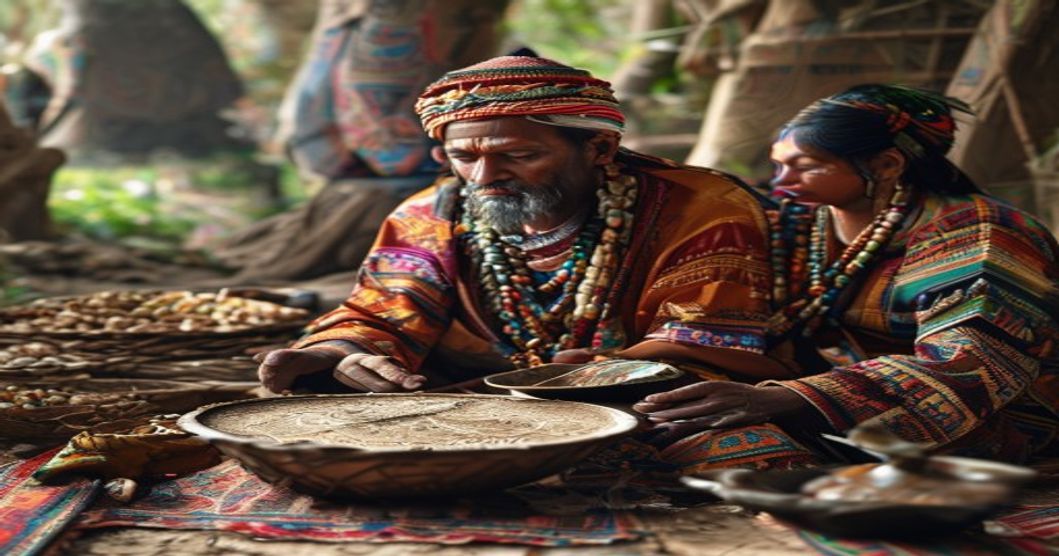
The Foundations of Sami Cultural Identity
The Sami people, indigenous to the northern territories of Norway, Sweden, Finland, and Russia, sustain a distinct cultural framework anchored in five interconnected pillars: reindeer herding, joik (traditional vocal expression), duodji (functional handicrafts), native languages, and the gákti (traditional attire). These components operate as integrated systems that regulate daily practice, social organization, and ecological management. Preserving this heritage demands continuous intergenerational transmission, adaptive governance structures, and community-controlled documentation.
Reindeer Herding: An Ecological and Economic Lifeline
Seasonal Migration Patterns and Land Stewardship
Reindeer herding represents the most visible Sami tradition, structured around centuries-old transhumance cycles that synchronize with alpine and tundra ecosystems. Herders monitor seasonal vegetation cycles, snow depth, and predator activity to optimize grazing corridors. This practice requires precise ecological literacy transmitted through direct apprenticeship and oral instruction. Contemporary herding integrates GPS tracking and digital mapping while preserving ancestral route knowledge, ensuring environmental sustainability amid accelerating climate shifts.
Legal Rights and Pasture Management
Sami pastoral rights are codified in national constitutions and international instruments such as ILO Convention 169. Industrial expansion, renewable energy infrastructure, and commercial forestry frequently fragment critical grazing zones. Herding communities actively participate in municipal land-use planning to maintain ecological balance and secure access to vital winter pastures.
Joik: Vocalizing Ancestral Connections
Structural Elements and Cultural Function
Joik functions as a non-linear musical tradition that embodies subjects rather than describing them. Practitioners utilize microtonal melodies, controlled breathing techniques, and repetitive phrasing to evoke landscapes, animals, or specific individuals. The practice reinforces communal memory and spiritual grounding, operating as an auditory archive of Sami epistemology. UNESCO inscribed joik in 2017, triggering targeted documentation efforts while emphasizing that authentic transmission requires lived experience rather than academic notation.
Contemporary Adaptations and Youth Engagement
Modern practitioners integrate traditional joik structures with contemporary genres to broaden audience reach without compromising core principles. Digital archives, community workshops, and school-based music programs ensure younger generations encounter joik as a dynamic cultural practice rather than a historical artifact.
Duodji and the Gákti: Materializing Heritage
Functional Artistry and Regional Identification
Duodji encompasses wood carving, bone crafting, metalwork, and textile production engineered for utility rather than exhibition. Each object reflects localized resource availability and ancestral design logic. The Sami gákti serves as a wearable identifier; color palettes, garment cuts, and embroidery patterns denote specific municipalities, tribal affiliations, and social status. Mastering these techniques requires direct mentorship, ensuring that material knowledge remains embedded in family and community networks.
Preservation Through Craft Networks
Craft cooperatives and cultural centers across the Sami region host regular workshops where elders demonstrate traditional tanning, natural dyeing, and stitching methods. These spaces facilitate skill transfer while generating sustainable livelihoods that validate cultural expertise in modern economic systems.
Sami Traditions: Core Transmission Mechanisms and Preservation Frameworks
How Sami Traditions Are Passed Down: Core Transmission Mechanisms
Oral History and Narrative Circles
Elders record genealogical chains through structured storytelling sessions. Runo singing structures preserve ecological data across generations without written records. Memory palaces function as cognitive maps for navigation and hunting routes. Kveit gatherings enforce communal verification of historical claims.
Seasonal Migration and Apprenticeship
Youth track reindeer migration corridors alongside experienced herders. Frost-reading techniques transmit survival logic through direct environmental feedback. Skin preparation protocols demand tactile repetition over months. Herding rhythms synchronize physiological adaptation with seasonal shifts.
Material Culture and Craft Transmission
Boat weaving patterns encode clan-specific visual syntax. Silver smithing sequences require synchronized hand movements across years. Reindeer antler carving preserves tool geometry through generational replication. Wool dyeing methods maintain botanical knowledge via localized extraction cycles.
Institutional Frameworks for Cultural Preservation
Sami Parliament Policy Architecture
Language board directives standardize orthographic variations across regions. Heritage funding streams prioritize archival digitization over oral revitalization. Land use zoning restricts traditional grazing expansion near extraction zones. Curriculum mandates integrate indigenous pedagogy into national education standards.
Academic and Archival Repositories
Phonetic archives store unfiltered elder interviews without editorial compression. Dialect mapping projects track phoneme drift across urbanized cohorts. Oral history databases cross-reference ecological observations with climate datasets. Digitization protocols preserve analog tape integrity without lossy conversion.
Legal Recognition and Land Rights
Customary grazing rights conflict with state conservation zones. Treaty negotiations establish transboundary herding corridors. Legal standing grants communities co-management authority over resource extraction. Land claim rulings enforce historical occupancy precedents.
Contemporary Challenges and Transmission Gaps
Urban Migration and Cultural Disconnection
Housing policies fragment extended family clustering patterns. School curricula exclude regional dialect instruction modules. Employment shifts reduce seasonal migration frequency drastically. Digital isolation accelerates vocabulary attrition among youth cohorts.
Policy Implementation vs. Grassroots Reality
Land claim rulings ignore customary grazing corridor definitions. Funding allocations prioritize tourism narratives over educational outputs. Bureaucratic thresholds filter out non-standardized dialect applicants. Legal recognition gaps persist in cross-border herding permits.
Future Trajectory of Sami Heritage Continuity
Youth-Led Revitalization Initiatives
App-based dialect trainers utilize gamified phonetic drills. Streetwear adaptations integrate traditional weaving patterns commercially. Podcast networks broadcast unfiltered elder interviews without editorial cuts. Social media algorithms amplify grassroots language content organically.
Cross-Border Sami Cooperation Models
Finnmark treaty frameworks enable transnational grazing coordination. Joint digital repositories synchronize historical event databases across borders. Shared certification programs standardize craft competency verification. Unified advocacy pressures governments toward consistent land rights enforcement.
Strategic Recommendations for Heritage Sustainability
Education and Intergenerational Funding
Immersion schools require full-time elder instructors to maintain authenticity. Apprenticeship stipends compensate master craftsmen for knowledge transfer. University partnerships fund community-led research without external extraction. Teacher training mandates include indigenous pedagogy certification.
Technology and Digital Sovereignty
Open-source dialect keyboards bypass corporate platform restrictions. Decentralized archives protect sacred narratives from commercial exploitation. AI translation models require lineage-verified training data. Blockchain registries timestamp traditional craft origins securely.
Frequently Asked Questions
What is How Sami Traditions Are Passed Down?
It refers to the intergenerational methods used by the Sámi people to preserve and transmit their cultural heritage, including reindeer herding, joik singing, duodji (handicrafts), and oral storytelling, primarily through family mentorship, community gatherings, and seasonal rituals.
Key facts about How Sami Traditions Are Passed Down
Sámi traditions are transmitted through hands-on learning in nature, oral history and joik songs, family-based apprenticeship in reindeer management and duodji, and modern educational initiatives that integrate Sámi knowledge into formal schooling to ensure cultural continuity.