Understanding Indigenous Arctic Cultures Around the World
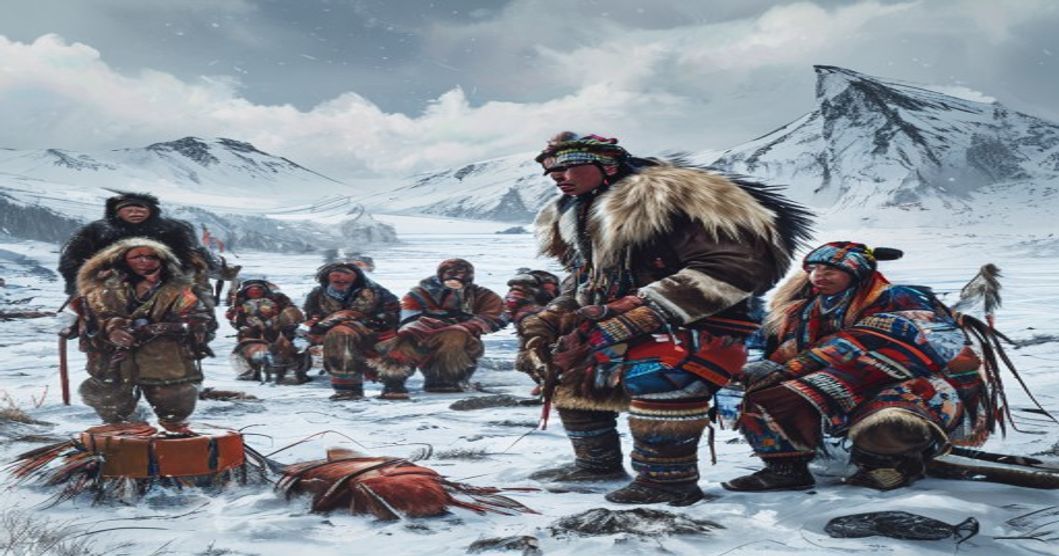
Indigenous Arctic societies span vast circumpolar regions across eight nations, including Canada, Greenland, Russia, Alaska, Scandinavia, and northern Asia. These communities share deep historical roots yet maintain distinct identities shaped by localized ecosystems and colonial histories. The Inuit diaspora stretches from eastern Siberia through Alaska, Canada, and Greenland, while the Sámi inhabit Fennoscandia. Further east, reindeer-herding groups like the Nenets, Khanty, and Chukchi dominate the Russian tundra, and isolated populations such as the Aleut and Yupik sustain maritime traditions in the Bering Sea region.
Survival in subarctic and polar zones demanded extraordinary ecological knowledge. Traditional subsistence strategies revolve around seasonal migration patterns, precise animal tracking, and resource conservation. Inuit hunters utilized kayaks and umiaks crafted from whalebone and sealskin to navigate treacherous waters, while Sámi herders developed specialized reindeer husbandry techniques that synchronized with tundra vegetation cycles. Tool innovation relied on pressure-flaked blade technology, bone needles for waterproof stitching, and fat lamps that provided both illumination and ambient heat during polar nights. Every body part of harvested animals served practical purposes, minimizing waste and reinforcing sustainable practices long before modern environmental frameworks emerged.
Social structures across Arctic Indigenous groups emphasize kinship networks, communal decision-making, and intergenerational knowledge transfer. Oral traditions preserve cosmologies where natural elements possess spiritual agency, guiding hunting rituals, weather interpretation, and seasonal ceremonies. Linguistic diversity remains exceptionally high, with Eskimo-Aleut, Uralic, and Chukotko-Kamchatkan families representing some of the most geographically dispersed language isolates globally. Dialect continua shift gradually across thousands of miles, reflecting centuries of isolated adaptation. Contemporary governance models increasingly merge traditional ecological knowledge with Western scientific monitoring to address rapid environmental transformation.
- Land claims agreements in Canada and Alaska established legal frameworks for resource management and political autonomy.
- Climate-driven ecological shifts disrupt migration routes, thin sea ice stability, and compromise traditional food security.
- Cultural revitalization initiatives integrate digital archives, language immersion schools, and Indigenous-led tourism to sustain heritage practices.
Defining the Arctic Region and Its Inhabitants
The Arctic region spans approximately four percent of Earth’s total land surface, encompassing territories across eight sovereign states: Canada, the United States (Alaska), Denmark (Greenland), Finland, Iceland, Norway, Russia, and Sweden. Its boundaries are legally and scientifically defined by the June 21 summer solstice line at 66°33′N latitude, though ecological thresholds such as the July 10°C isotherm and natural tree line provide more accurate indicators of Arctic ecology. This zone features continuous permafrost beneath two-thirds of its landmass, seasonal sea ice covering roughly 14 million square kilometers in winter, and a climate system driven by polar amplification, where surface warming occurs at twice the global average rate. Indigenous communities have inhabited these territories for millennia, developing highly specialized subsistence strategies adapted to extreme photoperiod shifts, subzero temperatures, and scarce arable land.
- Marine adaptation frameworks dominate Inuit territories across Alaska, Canada, and Greenland, where whale hunting, caribou tracking, and ice navigation techniques evolved over 4,500 years.
- Siberian pastoral systems utilized by Chukchi, Yupik, Nenets, and Evenki populations rely on transboundary reindeer herding exceeding 200,000 animals, supported by portable chum structures and annual migrations surpassing 1,000 kilometers.
- Fennoscadian Sámi governanceCore Values Shared Across Diverse Arctic Peoples
Arctic indigenous communities spanning from the Svalbard archipelago to the Bering Strait maintain a remarkably consistent foundation of cultural principles despite linguistic and geographic fragmentation. These shared values emerged from millennia of navigating extreme environments where survival depended on precise ecological awareness and collective cooperation.
Reciprocity with the natural world operates as the primary ethical framework governing daily interactions. Traditional harvesting protocols treat wildlife as active participants in a continuous exchange rather than passive resources. Strict utilization laws mandate that every anatomical component of harvested animals serves functional purposes, from sinew binding to bone carving and hide tanning. Ceremonial gratitude practices precede and follow all hunting expeditions, reinforcing the understanding that human survival remains fundamentally dependent on animal cooperation and seasonal timing.
- Intergenerational knowledge transmission relies exclusively on immersive oral pedagogy. Elders function as living technical archives, teaching celestial navigation, sea ice structural analysis, and atmospheric reading through direct mentorship rather than formal instruction. Children acquire spatial awareness and survival metrics through hands-on participation in hunting camps and reindeer herding operations long before reaching adolescence.
- Resource distribution networks operate under customary sharing systems that eliminate individual accumulation. Food stores, tool inventories, and shelter materials flow continuously toward households experiencing temporary deficits in hunting success or seasonal mobility constraints. This reciprocal economy prevents famine during unpredictable weather windows and maintains social stability.
- Consensus-based governance structures prioritize collective decision-making over hierarchical authority. Seasonal migration routes, territorial boundaries, and winter camp placements require unanimous community agreement before execution. Dispute resolution focuses on restoring group harmony rather than assigning individual punishment.
Spiritual frameworks consistently reinforce these practical survival mechanisms by embedding ecological responsibility into daily ritual life. Landscapes function as animated territories requiring respectful passage rather than inert geography demanding conquest. Modern anthropological surveys consistently validate traditional sustainability metrics, demonstrating that indigenous harvesting techniques actively maintain ecosystem equilibrium while preserving cultural continuity across harsh climatic conditions. These foundational principles continue guiding contemporary Arctic communities through rapid environmental shifts and industrial development pressures.
Geographic Distribution and Tribal Groups
The Arctic spans a vast circumpolar zone extending across eight sovereign states, encompassing diverse ecological zones from frozen tundra and boreal forests to coastal ice shelves and archipelagos. Indigenous populations have adapted to these extreme environments for millennia, developing distinct cultural frameworks aligned with local geography. In Siberia, Russian territories host the Chukchi and Koryak along the eastern coast, known for maritime hunting and reindeer pastoralism, while inland communities like the Nenets, Khanty, Mansi, and Evenks traverse taiga landscapes relying on caribou migration routes and riverine fishing.
Alaska represents another critical region where indigenous groups navigate both coastal and interior ecosystems. The Iñupiat and Yupik populations dominate the northern and western coastlines, utilizing sophisticated maritime hunting techniques for seals, whales, and walrus. Interior regions are historically inhabited by Athabascan-speaking peoples who follow seasonal caribou herds across boreal forests. Moving eastward across the Bering Strait into Canada and Greenland, Inuit communities stretch from the Yukon through Nunavut, Northwest Territories, Labrador, Newfoundland, and up to Kalaallit Nunaat (Greenland), unified by Inuit language branches but regionally distinct in toolmaking, housing construction, and oral traditions.
The Fennoscandian Arctic presents a different distribution pattern. The Sámi people inhabit traditional lands spanning northern Norway, Sweden, Finland, and Russia’s Kola Peninsula. Within this region, distinct subgroups such as the Mountain Sámi, Forest Sámi, and Sea Sámi historically adapted to inland reindeer pastures, dense boreal woodlands, and coastal marine resources respectively. Their cultural identity remains deeply tied to cross-border grazing agreements despite modern political boundaries. Each territory reflects centuries of environmental negotiation, where survival strategies evolved in response to permafrost conditions, seasonal light cycles, and resource availability rather than administrative lines.
- Siberian groups operate across subarctic taiga and coastal tundra, maintaining kinship networks that span thousands of kilometers.
- North American Arctic populations utilize maritime kayaks, umiaks, and snowmobiles alongside traditional dog sled systems for seasonal mobility.
- Sámi administrative structures navigate overlapping jurisdictional claims while preserving language revitalization programs across four national governments.
Geographic fragmentation has not diluted cultural complexity. Instead, isolated communities developed specialized knowledge systems regarding ice navigation, predator behavior, medicinal flora, and snow mechanics. Modern mapping initiatives increasingly recognize that indigenous territorial boundaries align with watershed systems, migration corridors, and seasonal hunting grounds rather than colonial borders.
Sámi Populations Across Northern Europe
The Sámi people inhabit the Arctic and subarctic regions spanning northern Norway, Sweden, Finland, and the Kola Peninsula of Russia, with official population estimates ranging between 80,000 and 100,000 individuals across these four nations. Historical border treaties drawn in the 17th and 18th centuries fragmented their traditional territories, yet distinct Sámi communities maintained cultural continuity through oral traditions, seasonal migration routes, and communal governance structures. Modern census data reveals significant demographic concentration in Finnmark and Troms county in Norway, Norrbotten County in Sweden, Lapland region in Finland, and Murmansk Oblast in Russia, where local municipalities actively support indigenous language programs and cultural infrastructure.
Linguistic diversity forms the core of Sámi identity, with twelve recognized dialects grouped into Western and Eastern branches. North Sámi serves as the most widely spoken variant, utilized in education, media broadcasting, and legislative proceedings across three countries. The establishment of Sámi Parliaments in Norway (1989), Sweden (1993), and Finland (1996) provides institutional frameworks for policy advocacy, land management negotiations, and educational curriculum development. These representative bodies operate independently from national governments but coordinate through the Nordic Sámi Council to address cross-border issues including mineral extraction permits, wind farm developments, and reindeer grazing corridor protection.
- Traditional Economies: Reindeer husbandry remains central to livelihood strategies, requiring precise knowledge of lichen growth cycles, calving grounds, and seasonal pasture rotations across 14 distinct grazing districts in Scandinavia.
- Cultural Preservation: Joik vocalization techniques, duodji handicraft traditions, and siida communal land management systems continue through specialized academies and regional festivals.
- Legal Frameworks: ILO Convention 169 ratification by Norway and Finland grants Sámi communities co-management rights over natural resources, though implementation gaps persist regarding mining concessions and infrastructure projects.
Contemporary demographic shifts show younger generations increasingly pursuing higher education in urban centers while maintaining transnational Sámi networks through digital platforms and annual cultural gatherings. Climate change impacts force rapid adaptation of traditional ecological knowledge, particularly shifting reindeer migration patterns due to altered snowpack conditions and expanding industrial zones encroaching upon historic grazing territories. Municipal partnerships with indigenous organizations now prioritize bilingual signage, culturally responsive healthcare models, and land-back initiatives that restore access to sacred sites and traditional fishing waters.
Nenets, Chukchi, and Other Siberian Groups
The Nenets people dominate the vast Yamal and Gydan peninsulas, maintaining one of the largest continuous reindeer-herding populations globally. Their seasonal migrations span over 1,000 kilometers across Arctic tundra and taiga, driven by centuries-old ecological knowledge that tracks lichen growth patterns and predator movements. Traditional Nenets dwellings, known as chums, utilize reindeer hides for insulation against temperatures dropping below -50°C, while their clothing relies on layered fur and sinew stitching techniques refined over millennia. Modern infrastructure projects, including oil and gas extraction, have disrupted historical migration routes, prompting community-led advocacy for land rights and sustainable grazing policies.
Chukchi communities along the Bering Strait coast developed a highly specialized maritime hunting culture distinct from northern herders. Professional whale hunters operated multi-person kayaks to pursue bowhead and gray whales, utilizing stone-tipped harpoons and driftwood sleds for carcass transport. Dog breeding programs produced the Chukotka sled dog, a breed engineered for endurance in extreme cold rather than speed. Historical records document sustained resistance against Russian imperial expansion during the 17th and 18th centuries, resulting in unique syncretic religious practices that blend Orthodox Christianity with ancestral spirit worship.
- Linguistic diversity: Nenets belongs to the Samoyedic branch of Uralic languages, while Chukchi represents the Chukotko-Kamchatkan family, creating isolated linguistic pockets across Siberia.
- Subsistence adaptation: Coastal groups rely on marine mammal hunting and seasonal fish preservation, whereas inland populations depend entirely on reindeer meat, milk, and hides for caloric needs.
- Contemporary pressures: Climate change accelerates permafrost thaw, destabilizing traditional settlement foundations and altering caribou migration corridors essential for survival.
Additional Siberian Arctic groups, including the Evenki, Yukaghir, and Koryak, share overlapping territorial zones but maintain distinct governance structures and resource management systems. Traditional ecological knowledge transmitted through oral narratives details soil composition indicators, ice thickness measurements, and aurora-based navigation techniques unavailable in modern cartography. Educational initiatives now document these practices using digital archives, ensuring intergenerational transfer while integrating western scientific monitoring methods for environmental preservation.
Seasonal Hunting and Fishing Strategies
Arctic indigenous communities have historically calibrated their hunting and fishing cycles around precise environmental indicators rather than fixed calendar dates. The arrival of breaking sea ice, the emergence of specific bird species, or the first thaw of riverbanks dictate when groups mobilize toward traditional territories. Spring operations prioritize seal pupping seasons along ice edges, where hunters monitor wind direction and ice thickness to establish safe approach routes. Nets and spears are deployed near breathing holes maintained through continuous axe work on the frozen surface.
As temperatures rise, communities shift toward coastal fisheries, constructing wooden weirs in tidal zones to trap salmon and cod during seasonal migration patterns. Summer activities expand into inland waterways and tundra lakes. Fishermen utilize multi-mesh gillnets anchored by weighted stones, targeting Arctic char and whitefish before they enter deeper waters for overwintering. Caribou herds moving toward calving grounds become the primary target on land. Hunters coordinate across vast distances using established trails and knowledge of animal behavior, setting up drive systems that funnel prey into narrow corridors where traditional bows and spears prove highly effective.
Autumn marks the most intensive period of resource collection. Hunters track muskox and reindeer migrations, relying on acoustic cues from wind patterns and snow conditions. Ice fishing resumes as lakes begin to freeze, requiring precise hole spacing to maximize catch rates while maintaining structural integrity against shifting ice sheets. Communities construct temporary shelters using sod, whalebone, or timber, positioning them near high-yield hunting grounds. Fish are packed in sealed wooden containers with seal oil, creating a preservation method that sustains populations through the polar night.
Winter operations demand extreme specialization. Seal hunting shifts to stable pack ice, where hunters use harpoons equipped with toggling heads and buoyant floats to manage large marine mammals. Fishing occurs through carefully measured holes drilled into multi-year ice, often covered with dark cloth to attract fish toward the light. Storage facilities carved into permafrost or insulated earth houses maintain consistent temperatures below freezing. Every component of the catch undergoes systematic utilization: sinew becomes thread, bones transform into tools, and blubber yields nutrient-dense food sources that prevent scurvy during months of limited sunlight. These strategies reflect generations of accumulated ecological observation, mechanical innovation, and strict resource management protocols.
Ice Reading and Navigation Methods
Traditional ice reading depends on hyper-acute sensory calibration developed over generations of Arctic survival. Hunters identify viable travel corridors by evaluating snow depth, wind direction, and surface texture across frozen seas. Multi-year ice displays a distinct blue-gray hue with a heavily fractured topography, whereas first-year ice often carries a brownish or greenish undertone caused by subsurface algae blooms. Experienced travelers use hollowed wooden poles to test thickness, interpreting acoustic resonance that distinguishes solid pressure ridges from unstable slush layers. Surface temperature differentials become visible through frost flowers, wind-carved sastrugi formations, and the absence of snow cover in areas where underlying water still radiates residual heat.
- Snow accumulation patterns reveal recent storms and current drift vectors, with deeper drifts indicating older, more stable ice structures.
- Wind scouring effects expose dark water channels or thin ice zones that require immediate route adjustment.
- Acoustic testing techniques involve striking the surface rhythmically; a sharp crack signals dangerous thickness variation, while a dull thud confirms uniform structural integrity.
- Pressure ridge formation creates natural windbreaks but also conceals hidden crevasses that demand cautious probing.
Navigating across dynamic ice sheets requires continuous environmental tracking. Indigenous navigators align star positions with glacial landmarks, monitor lunar phases to predict tidal drift, and read cloud formations that precede katabatic wind shifts. Animal behavior functions as a real-time indicator of ice stability; seal breathing holes mark safe landing zones, while caribou migration trails often trace the most reliable landfast ice routes across frozen bays. Knowledge transmission occurs through immersive apprenticeship, where elders lead students across actual terrain, emphasizing spatial memory and tactile feedback over abstract instruction. Contemporary climate disruption has accelerated ice fragmentation, forcing communities to archive historical reading methods alongside modern satellite telemetry, preserving these navigational systems for future Arctic expeditions. Cross-referencing multiple indicators eliminates single-point failure risks during whiteout conditions.
Spiritual Beliefs and Cultural Practices
Indigenous Arctic societies have historically structured their cosmology around a profound reciprocity with the natural environment. Animistic frameworks dominate traditional worldviews, where every rock, wind current, and animal possesses an inner spirit requiring acknowledgment and respect. Hunting is never treated as mere resource extraction but as a sacred exchange governed by strict ritual protocols. Before a seal or caribou hunt, communities perform purification rites, offer tobacco or dried fish, and observe silence to request permission from the animal’s spiritual guardian. These practices maintain ecological balance and reinforce communal responsibility.
The Sámi noaidi functioned as spiritual intermediaries, utilizing handcrafted drums inscribed with cosmological maps to diagnose illness, predict weather shifts, and guide reindeer migrations. Drum patterns were not decorative but encoded geographic knowledge, ancestral lineages, and seasonal warnings. Similarly, Inuit shamanic practitioners interpreted dreams and animal omens to navigate ice conditions and locate hunting grounds. Spiritual authority was earned through rigorous apprenticeship, fasting, and controlled exposure to extreme environments, ensuring that knowledge remained tightly coupled with survival expertise.
- Seasonal Transitions: Solstice ceremonies marked the return of light or the onset of polar night, involving rhythmic drumming, throat singing, and communal feasting to renew community bonds.
- Animal Spirit Taboos: Specific hunting rules dictated how species like narwhal, walrus, or muskox could be handled. Violating these protocols was believed to trigger spiritual retribution in the form of failed hunts or illness.
- Ancestral Veneration: Burial practices often involved placing tools, clothing, and food with the deceased, reflecting a belief that spirits continued to influence daily life and required ongoing care.
Cultural transmission relied heavily on oral tradition, where myths explained glacial formation, aurora formations, and animal behavior. These narratives functioned as both spiritual instruction and practical survival manual. Contemporary Arctic communities preserve these frameworks through language revitalization, seasonal gatherings, and the integration of traditional ecological knowledge into modern land management. The continuity of these practices demonstrates how spirituality in the Arctic is not abstract theology but a living system of environmental ethics, social cohesion, and adaptive resilience.
Animism and Nature Reverence in Arctic Cosmology
Arctic indigenous cosmologies are fundamentally structured around animistic frameworks where every component of the environment—glaciers, migratory caribou herds, polar winds, and celestial cycles—possesses distinct agency and spiritual presence. This worldview operates as both a philosophical foundation and a practical survival system across regions extending from Scandinavian Sápmi to Siberian tundra and North American circumpolar zones. Traditional knowledge keepers, including Inuit angakkuq, Sámi noaidi, and Evenki shamanic practitioners, interpret natural phenomena not as random events but as intentional communications requiring ritual response and ecological adjustment.
Reciprocity remains the operational core of Arctic spiritual ecology. Hunting expeditions, seal harvesting, and reindeer migration routes are governed by precise ceremonial protocols that establish mutual obligations between human communities and non-human entities. These practices include:
- Pre-hunt fasting and vocalized gratitude rituals to acknowledge animal spirits
- Post-catch offerings of blood or entrails to water sources to ensure ecological balance
- Strict taboos against waste, territorial violation, or disrespect toward sacred landscapes
Such protocols function as regulatory mechanisms that historically prevented overharvesting and maintained biodiversity across fragile Arctic ecosystems. These animistic traditions encode generational ecological data through myth, seasonal calendar systems, and oral transmission. Cosmological narratives serve as adaptive frameworks, translating complex environmental observations into culturally accessible guidance. Shifts in aurora patterns, ice formation timing, or predator behavior are decoded through established spiritual lexicons, enabling communities to adjust camp locations and hunting schedules without external technological intervention.
Contemporary climate disruptions are frequently analyzed through this same cosmological lens. Elders identify altered animal migration corridors and unpredictable freeze-thaw cycles as indicators of systemic spiritual-environmental imbalance rather than isolated meteorological anomalies. The integration of animism into Arctic livelihoods demonstrates a non-dualistic epistemology where cultural practice, ecological stewardship, and metaphysical belief function as interconnected systems. This holistic model provides documented precedents for community-driven conservation, land-back initiatives, and climate adaptation strategies that prioritize relational accountability over extractive economics.
Shamanic Journeys and Ritual Ceremonies
Shamanic traditions across Arctic indigenous communities function as intricate spiritual and ecological frameworks rather than isolated mystical practices. Among the Inuit and Yupik peoples of North America, shamans—known as angakkuq or uluriaraq—entered altered states through rhythmic drumming, breath control, and fasting to navigate what was conceptualized as layered cosmic realms. These journeys were not metaphorical but treated as literal travel where the practitioner negotiated with animal guardians, weather spirits, and ancestral forces to secure successful hunts, mitigate disease outbreaks, or restore balance after ecological disruption.
Sámi noaidi practitioners across Fennoscandia utilized the goavddis frame drum painted with cosmological diagrams to map celestial movements and subterranean waterways. Ritual ceremonies often synchronized with solstices and reindeer migration cycles, incorporating smoke purification from birch or pine, vocalized invocations, and the symbolic consumption of fermented berries to induce trance. The Nenets and Chukchi of Siberia developed distinct shamanic lineages where spirit helpers manifested as polar bears, wolves, or storm birds, each requiring specific offerings and behavioral taboos during initiation rites.
- Trance induction relied on controlled hyperventilation, repetitive percussion, and sensory deprivation techniques refined over generations of Arctic survival adaptation.
- Ritual spaces were deliberately oriented toward cardinal directions or sacred geographic features, establishing microcosmic representations of the broader landscape.
- Knowledge transmission occurred through apprenticeship models where prospective shamans endured physical trials, dream incubation periods, and strict dietary protocols before receiving ceremonial authority.
Historical suppression during colonial missionary campaigns fractured many lineages, yet contemporary practitioners across the circumpolar north are systematically documenting elder techniques, reconstructing lost instrument designs, and integrating shamanic ecological knowledge into modern conservation frameworks. Contemporary circumpolar councils now integrate these ceremonial protocols into wildlife management policies, recognizing that shamanic observation records contain centuries of climate data and species behavior metrics. These revival efforts emphasize epistemological continuity rather than performance, treating each ceremony as a living archive of environmental observation, community governance, and intergenerational resilience.
Seasonal Festivals and Community Gatherings
The rhythm of Arctic life dictates the calendar of communal celebration. Indigenous groups across the circumpolar north structure their festivals around ecological milestones rather than fixed Gregorian dates. These gatherings emerge when environmental conditions allow safe travel, when prey populations peak, or during the brief window of extended daylight that enables outdoor activity.
Inuit winter gatherings traditionally center on the return of migratory caribou or seal hunting cycles. Communities converge at established meeting grounds to distribute meat through kinship networks, reinforcing reciprocal obligations that sustain survival in resource-scarce environments. Drum dances and throat singing competitions function as both entertainment and social arbitration, allowing youth to demonstrate vocal agility while elders assess character and community fit.
- Sámi Duodji markets operate during late spring and autumn, transforming craft production into economic and cultural infrastructure. Artisans exchange handcrafted tools, reindeer leather goods, and silver jewelry while negotiating fair value based on generational skill transmission.
- Nenets reindeer migration festivals align with seasonal pastures across the Yamal Peninsula. Families track herd movements using ancient knowledge systems, marking transitions with communal feasts featuring fermented fish and lichen-stewed meat.
- Yupik Kivgiq ceremonies historically honored the wolf spirit during autumn hunts. Participants painted ceremonial masks, performed ritual dances, and shared hunting strategies to ensure successful spring expeditions across Bering Strait ice floes.
Modern adaptations preserve core functions while incorporating contemporary logistics. Satellite communication coordinates travel routes that once required months of preparation. Digital recording archives capture endangered joik melodies and oral histories that previously existed only in elder memory. Despite logistical shifts, the fundamental purpose remains unchanged: reinforcing kinship networks, transmitting ecological knowledge, and maintaining spiritual equilibrium across generations facing rapid environmental transformation.
Art, Crafts, and Oral Traditions
Arctic indigenous communities have historically transformed environmental constraints into profound creative expressions. Carving tools fashioned from reindeer antler or walrus ivory allowed artisans to shape soapstone, serpentine, and marine mammal bone into functional objects and ceremonial artifacts. Inuit carvers developed distinct regional styles, where animal figures served both practical purposes and spiritual narratives. Sami artisans practiced duodji, a craft tradition emphasizing sustainable harvesting and geometric precision in belt weaving, knife sheaths, and copper wire embroidery. These techniques required intimate knowledge of seasonal migration patterns, material durability, and thermal properties unique to subzero climates. Artisans processed hides using fermentation methods, then stitched garments with sinew needles dyed through lichen and mineral ochre. Every decorative motif encoded territorial markers, hunting success rates, and kinship affiliations.
- Oral transmission operated through structured communal practices rather than written documentation.
- Elders utilized rhythm-based drumming to anchor historical accounts, hunting routes, and ecological observations within melodic frameworks.
- Kalaallit throat singing demonstrates how competitive vocal games encode territorial awareness and weather prediction methods.
- Yupik mask makers carved wooden figures representing animal spirits, then performed seasonal dances to maintain balance between human settlements and natural forces.
- Pattern repetition in beadwork and leather appliqué functioned as mnemonic devices, preserving genealogical records and survival protocols across generations without textual reliance.
Contemporary practitioners continue adapting these methodologies while maintaining technical authenticity. Digital archives now document endangered dialects alongside carving patterns, ensuring intergenerational transfer remains accessible. Community-led workshops emphasize material sourcing ethics, reinforcing the original principle that artistic creation must mirror ecological responsibility. The structural integrity of traditional
Carving Techniques Using Bone, Ivory, and Stone
Arctic indigenous artisans historically extracted value from locally available organic and mineral resources, transforming dense materials into functional tools, ceremonial objects, and narrative artifacts. Walrus ivory served as the primary medium due to its compressive strength, fine grain, and cultural resonance across coastal communities. Caribou and reindeer bone supplied structural components for harpoon toggles, knife handles, and toggle mechanisms, while dense metamorphic stones such as serpentinite, soapstone, and slate provided stable carving surfaces and durable utilitarian plates.
Pre-contact preparation required meticulous material processing. Artisans employed flint scrapers, antler punches, and bow drills fitted with stone or bone points to remove bulk waste and define initial contours. Abrasive pastes composed of crushed quartz, fine sand, and rendered animal fat enabled progressive refinement of edges and polished surfaces. Controlled heat treatment remained essential for bone preparation; gradual warming increased collagen flexibility, allowing precise bending and intricate curvature without catastrophic fracturing.
- Relief carving dominated figurative work, with artists layering depth to depict marine mammals, hunters, and mythological beings while preserving structural integrity.
- Openwork techniques demanded precise drilling sequences and careful interior removal, requiring exceptional spatial awareness and steady hand control.
- Incised line work conveyed movement, texture, and symbolic patterns, frequently following natural grain directions or material fractures to enhance visual flow.
- Oil polishing with rendered seal or whale fat produced a subtle protective sheen that repelled Arctic moisture and deepened color contrast over time.
Regional stylistic divergence emerged from ecological exposure and trade networks. Inuit carvers across Baffin Island and Greenland prioritized fluid motion and anatomical accuracy, often embedding narrative sequences within single compositions. Siberian Yupik and Chukchi artisans integrated geometric motifs reflecting maritime routes, seasonal migrations, and resource distribution patterns. The introduction of steel blades accelerated production rates but altered traditional tactile feedback, gradually shifting emphasis toward commercial exchange rather than subsistence-driven craftsmanship. Modern practitioners preserve these methods through intergenerational apprenticeships, documenting material selection protocols to counter ecological disruptions and ensure technical continuity.
Textile Weaving and Parka Construction
Indigenous Arctic communities developed highly specialized textile and garment systems that evolved through millennia of environmental adaptation. Caribou hide, seal skin, muskox wool, and bird sinew formed the foundational material palette across regions from Greenland to Siberia. Unlike modern synthetic insulation, these natural fibers provided dynamic thermal regulation. Caribou fur contains hollow guard hairs that trap air, while the dense underwool creates a windproof barrier. Seal skin, when properly cured, offers complete water resistance and exceptional durability against ice abrasion.
Garment construction relied on precise anatomical cutting patterns and specialized stitching methods. Artisans utilized double-needle hide stitches or gut thread to create seams that resisted tearing under stress. The parka design incorporated strategic layering: an inner skin layer worn with fur facing the body for radiant heat retention, and an outer shell oriented outward to shed precipitation. Fur trim around the face served a functional aerodynamic purpose, disrupting wind flow to prevent frost buildup on eyelashes and cheeks.
- Material Preparation: Skins underwent fat-milling, scraping, and fermentation processes to achieve optimal flexibility without compromising structural integrity.
- Weaving Techniques: Flat twining and warp-faced loom methods produced durable textiles for boots, mittens, and decorative elements. Beadwork and quill embroidery denoted lineage, hunting success, and regional identity.
- Parkaa Architecture: Gusseted underarms allowed full range of motion during kayak paddling or snowmobile operation. Drawstring hoods and chest flaps created adjustable microclimates around the respiratory zone.
Modern preservation efforts document these techniques through ethnographic recording and material testing. Research confirms that traditional hide garments maintain core temperature up to forty degrees Celsius below ambient conditions while managing perspiration through natural fiber permeability. Contemporary fashion and technical apparel industries continue studying these ancestral constructions for sustainable insulation models.
Storytelling, Drum Songs, and Mythological Narratives
Oral transmission serves as the foundational architecture of Arctic indigenous knowledge systems, where environmental volatility demands precise cognitive mapping. Communities from the Canadian Archipelago to the Siberian tundra rely on structured narrative cycles that encode survival techniques, seasonal migration patterns, and ecological thresholds. These stories operate through recurring motifs, rhythmic phrasing, and spatial anchoring, allowing elders to transmit generational data across thousands of years without written documentation.
- Mnemonic Frameworks: Narratives utilize geographic landmarks, celestial alignments, and animal behavior as memory triggers. Each tale functions as a navigational chart, weather forecast, and resource management guide simultaneously.
- Ritual Drum Integration: Percussive instruments crafted from reindeer hide, caribou sinew, and wooden frames operate within shamanic circuits. Rhythmic patterns replicate wind velocity, ice fracture frequencies, and marine mammal respiratory cycles, inducing trance states for divination and community alignment.
- Cosmological Architecture: Mythological systems map vertical and horizontal spatial relationships between the human realm, the animal underworld, and the celestial sphere. Deities such as Sedna govern marine resource distribution, while trickster figures enforce behavioral boundaries through transgressive parables.
Linguistic structures across Inuit, Sámi, and Nenets traditions demonstrate distinct syntactic patterns that align with local dialect phonology and ecological specialization. Drum songs employ polyrhythmic vocal layering, glottal stops, and tonal modulation to convey multi-layered meanings. The physical striking of the drum surface synchronizes with communal breathing, reinforcing social cohesion during extreme weather isolation. Narrative cadence shifts according to lunar phases, hunting conditions, and intergenerational knowledge transfer requirements. Contemporary documentation projects prioritize audio-visual preservation, ensuring that phonetic precision and contextual performance remain intact for future cultural continuity.
Modern Challenges and Cultural Preservation Efforts
Arctic indigenous communities face compounding pressures that threaten both ecological stability and cultural continuity. Rapid climate change accelerates permafrost thaw, destabilizes coastal infrastructure, and disrupts seasonal migration corridors for caribou, seals, and whales. Industrial expansion—including deepwater drilling, rare-earth mining, and newly navigable shipping lanes—introduces heavy metal pollution, habitat fragmentation, and external economic dependencies that systematically displace traditional subsistence practices.
Language attrition remains a critical vulnerability. Fluency rates decline as fewer elders transmit oral histories, topographical vocabulary, and ice-reading techniques to younger cohorts. Standardized national curricula frequently exclude indigenous epistemologies, while urban relocation for education or employment severs physical ties to ancestral territories. Legislative processes often bypass territorial sovereignty, restricting community authority over environmental impact assessments and resource allocation.
Preservation initiatives now operate through decentralized, community-controlled frameworks. Immersion preschools and adult language labs restore functional fluency, while encrypted digital repositories archive drumming cycles, kayak-sewing patterns, and seasonal navigation charts. Indigenous political assemblies, including the Inuit Circumpolar Council and Sámi Parliaments, secure co-management treaties over wildlife quotas and enforce land-use zoning. Traditional Ecological Knowledge merges with autonomous weather stations and satellite telemetry, producing hyperlocal climate models that guide adaptive harvesting schedules.
- Economic sovereignty: Community-owned cooperatives market sustainably harvested goods and handcrafted textiles, bypassing external supply chains while funding cultural programming.
- Legal enforcement: Targeted litigation secures free, prior, and informed consent mandates under UNDRIP and regional environmental statutes.
- Intergenerational transfer: Structured mentorship pairs youth with knowledge keepers to record ecological baselines, map ancient travel routes, and maintain seasonal ceremonial protocols.
These strategies reject external conservation paternalism in favor of indigenous-led governance. By embedding cultural continuity into climate adaptation and resource management, Arctic nations sustain autonomous development pathways while supplying critical baseline data to global scientific networks.
Language Revitalization Initiatives Worldwide
Arctic language revitalization relies on structured pedagogical frameworks, digital archiving, and community-driven policy implementation across the circumpolar North. In Nunavut and the Northwest Territories, immersion programs teach Inuktitut through early childhood centers to university-level linguistics departments, supported by standardized orthographies and government-mandated bilingual education policies. Digital infrastructure plays a critical role: open-source keyboards, mobile applications, and machine translation engines now process low-resource Arctic dialects that previously lacked computational support.
Scandinavian nations have institutionalized Sámi language recovery through immersion preschools known as giellaeatnan, which prioritize oral transmission before formal schooling. Norway’s Sámi Language Act guarantees public services in Sámi, while Finland and Sweden integrate Sámi curricula into municipal education boards. Broadcast networks produce original programming in all three major Sámi branches, creating daily exposure that strengthens active fluency among younger demographics.
- Alaska’s Native Language Center collaborates with village councils to compile audio archives, develop orthographic guides, and train community linguists who document oral histories before elder generations pass.
- Siberian Arctic communities utilize grassroots documentation projects to record Nenets, Chukchi, and Evenki vocabularies, often partnering with international universities to create open-access lexical databases.
- Cross-border initiatives leverage the UN Declaration on the Rights of Indigenous Peoples to secure funding for intergenerational mentorship programs that pair youth with fluent speakers in seasonal immersion camps.
Sustainable revitalization requires consistent funding, standardized teaching materials, and legal recognition of indigenous linguistic rights. When communities control curriculum design and media production, fluency rates stabilize and intergenerational transmission resumes. Technological adaptation, including AI-assisted phonetic analysis and cloud-based collaborative dictionaries, accelerates documentation while preserving cultural context. The long-term viability of Arctic languages depends on continuous community leadership, policy enforcement, and digital infrastructure investment.
Legal Recognition and Land Rights Movements
Historically, Arctic Indigenous populations operated under colonial land tenure systems that systematically erased customary ownership. The transition toward formal legal recognition emerged primarily during the late twentieth century, driven by sustained advocacy and strategic litigation. In Canada, the Nunavut Land Claims Agreement of 1993 established the first modern comprehensive land claim in North America, granting the Inuit title to approximately 352,000 square kilometers while creating co-management boards for wildlife, land use, and environmental protection. Alaska Native claims followed a parallel trajectory through the Alaska Native Claims Settlement Act of 1971, which extinguished aboriginal title in exchange for corporate land grants and monetary compensation, a model that later faced judicial scrutiny for insufficient cultural preservation.
Scandinavian jurisdictions have approached Sámi territorial rights through legislative recognition rather than comprehensive treaty settlements. The Finnmark Act of 2005 transferred ownership of roughly ninety-five percent of Norway’s eastern Finnmark county to the Finnmark Estate, with decision-making authority distributed among the state and the Sámi Parliament. Finland ratified International Labour Organization Convention No. 169 in 1990, theoretically guaranteeing Sámi reindeer herding zones and resource consultation rights, though implementation remains constrained by mining permits and infrastructure projects that frequently override traditional grazing corridors.
- Treaty-based land cessions: Comprehensive claims agreements typically establish joint stewardship frameworks where Indigenous representatives hold veto power over extraction licenses and environmental impact assessments.
- Court-driven title recognition: Domestic appellate courts increasingly apply indigenous customary law as evidence of continuous territorial use, particularly in cases involving seasonal migration routes and subsistence harvesting grounds.
- International advocacy mechanisms: UN Permanent Forum on Indigenous Issues and the Special Rapporteur on the rights of Indigenous peoples provide diplomatic pressure for policy alignment, though enforcement lacks binding jurisdiction.
Legal victories frequently encounter implementation deficits. Mining concessions in Greenland, hydroelectric developments in northern Quebec, and gas infrastructure expansion across Siberia continue to generate litigation over consultation protocols and benefit-sharing arrangements. Arctic Indigenous organizations now prioritize regulatory mapping, satellite monitoring of territorial boundaries, and cross-jurisdictional legal networks to counteract fragmented governance structures. Contemporary land rights strategy emphasizes integrating traditional ecological knowledge into statutory environmental assessments, securing revenue-sharing clauses in natural resource agreements, and establishing independent dispute resolution tribunals staffed by Indigenous jurists.
Digital Archiving and Cultural Documentation Projects
Digital preservation initiatives now serve as critical infrastructure for safeguarding Indigenous Arctic knowledge systems against environmental shifts and cultural erosion. Traditional oral histories, intricate skin-sewing techniques, seasonal migration patterns, and specialized tool-making methods require systematic digitization to ensure intergenerational continuity. Researchers collaborate directly with Inuit, Sámi, Yupik, Chukchi, and Nenets communities to establish participatory archives where metadata reflects indigenous classification systems rather than colonial frameworks.
- High-resolution 3D scanning captures ceremonial masks and hunting implements, while geospatial mapping overlays ancestral place names onto contemporary satellite imagery.
- Audio archives preserve throat singing, drum chants, and dialectal variations using lossless WAV formats alongside phonetic transcription layers.
- Controlled access protocols prioritize sacred knowledge restrictions, allowing community elders to govern visibility settings for sensitive material.
University partnerships with the Inuit Circumpolar Council and the Sámi Parliament enable open-access repositories that comply with FAIR principles while embedding traditional ecological knowledge into searchable databases. Mobile documentation units equipped with solar-powered servers travel across seasonal camps, recording land-based practices and generating locally hosted backups. Language revitalization applications leverage machine learning trained exclusively on verified elder recordings to create interactive vocabulary tools without distorting grammatical structures.
Museum digitization efforts now integrate provenance tracking that traces artifact origins back to specific family lineages and trading routes. Blockchain verification systems authenticate digital reproductions, preventing cultural appropriation in commercial markets. Community-led platforms host bilingual interfaces, enabling youth engagement through gamified learning modules while maintaining strict data sovereignty agreements.
These archives function not as static repositories but as living ecosystems where knowledge circulates according to indigenous protocols, ensuring that technological preservation reinforces rather than replaces cultural transmission mechanisms. Specialized OCR algorithms now decode Cyrillic and Latin script journals from early twentieth-century explorers, cross-referencing them with oral accounts to correct historical inaccuracies. Geometric pattern recognition software analyzes textile motifs across distinct regions, mapping stylistic evolution without erasing regional autonomy.
All digital assets adhere to the CARE principles for Indigenous data governance,
Engaging With Arctic Indigenous Communities Responsibly
Responsible engagement with Arctic Indigenous communities requires a foundational shift from extractive practices to relational accountability. Every interaction, whether academic, commercial, or cultural, must align with the principles of self-determination and territorial sovereignty. The Free, Prior, and Informed Consent (FPIC) framework serves as the non-negotiable baseline for initiating any project. This protocol demands transparent dialogue, culturally appropriate consultation methods, and explicit community approval before resources are allocated or narratives are documented.
- Academic research must prioritize data sovereignty. Researchers should co-design methodologies with local knowledge holders, ensure traditional ecological knowledge remains protected under Indigenous intellectual property frameworks, and publish findings in accessible formats for community use rather than institutional archives alone.
- Economic initiatives require structural equity. Tourism operators and development firms must establish revenue-sharing agreements, prioritize hiring local guides and artisans, and invest in infrastructure that serves long-term community needs rather than seasonal visitor demands.
- Digital representation demands authentic authorship. Media producers and content creators should compensate Indigenous storytellers fairly, avoid romanticized or survivalist tropes, and support native-language broadcasting platforms that reinforce cultural continuity across generations.
Legal compliance extends beyond national borders. Projects must navigate international instruments like the United Nations Declaration on the Rights of Indigenous Peoples alongside regional land claims agreements and municipal zoning regulations. Establishing advisory councils composed of Elders, youth representatives, and local governance bodies ensures ongoing oversight and adaptive management throughout project lifecycles.
Sustainable engagement also involves capacity transfer rather than dependency creation. Funding should target language revitalization programs, traditional craft apprenticeships, and Indigenous-led environmental monitoring networks. When external partners commit to multi-year partnerships with measurable community-defined outcomes, trust replaces transactional exchanges, fostering cultural resilience in rapidly changing Arctic ecosystems.
Ethical Tourism Guidelines for Arctic Regions
Traveling through Arctic territories requires a fundamental shift in visitor mindset, prioritizing Indigenous sovereignty and ecological preservation over conventional sightseeing. Visitors must recognize that these regions remain under the jurisdiction of local communities whose livelihoods depend on fragile ecosystems. Before booking accommodations or expeditions, tourists should verify operator certifications with recognized bodies such as the Arctic Council’s Working Group on Sustainable Development or regional Indigenous tourism associations. Cross-checking tour operators against community-approved directories prevents exploitation and ensures compliance with territorial regulations.
- Prioritize Locally Owned Enterprises: Direct financial support to community-run lodges, guided tours, and artisan cooperatives ensures revenue remains within Indigenous networks rather than leaking to external corporations. Verify ownership structures through municipal tourism boards or regional development councils.
- Adhere to Strict Wildlife Protocols: Maintain minimum distances from marine mammals, reindeer herds, and polar bear habitats. Use binoculars or telephoto lenses instead of approaching for photographs. Noise pollution and sudden movements disrupt hunting patterns, calving seasons, and migration routes.
- Respect Sacred Sites and Traditional Territories: Many coastal and inland areas hold spiritual significance. Obtain explicit permission before entering restricted zones, photographing ceremonial grounds, or collecting natural materials like stones, plants, or driftwood. Unpermitted access violates both cultural laws and territorial statutes.
- Minimize Carbon and Physical Footprints: Arctic environments recover extremely slowly from trampling, fuel spills, or infrastructure strain. Choose low-emission transport options, pack out all waste including biodegradable items, and avoid off-trail hiking in tundra regions where plant regeneration takes decades.
- Educate Yourself on Local Protocols: Learn basic greetings in Inuktitut, Sami, or Kalaallisut. Understand seasonal hunting calendars to avoid conflicting with community activities. Follow guidelines regarding traditional clothing photography and cultural artifact handling.
Responsible Arctic travel extends beyond checklist compliance. It demands active participation in conservation initiatives, such as citizen science programs that monitor ice conditions or species populations. Visitors should engage with Indigenous storytellers and knowledge keepers through structured cultural exchanges rather than opportunistic encounters. When planning itineraries, align visitation periods with community-approved seasons to prevent overcrowding during critical subsistence months. Ultimately, ethical tourism in the High North functions as a protective mechanism, ensuring that economic benefits never compromise cultural integrity or environmental stability.
Supporting Indigenous-Led Conservation Organizations
Indigenous communities across the circumpolar region manage vast territories that hold critical biodiversity and carbon storage capacity. Direct financial mechanisms must bypass intermediate NGOs and flow straight to local governance structures that operate seasonal monitoring stations, document reindeer migration patterns, and enforce customary harvesting zones. Grant programs should prioritize multi-year operational funding rather than short-term project cycles, allowing leaders to hire local researchers, maintain snowmobile fleets for ice condition assessments, and develop early warning systems for permafrost thaw.
- Capacity building beyond technical training: Legal support for securing land tenure rights, navigating international climate finance frameworks like the Green Climate Fund, and establishing transparent reporting protocols that respect oral history traditions alongside satellite telemetry data.
- Co-management governance models: Transferring authority over resource allocation to community boards that understand microclimate shifts, traditional place names, and intergenerational knowledge transmission while reducing dependency on centralized federal approval processes.
- Data sovereignty and digital mapping: Integrating GPS coordinates with documented seasonal use areas to create dynamic spatial databases accessible to youth programs and scientific reviewers, governed by community-controlled licensing agreements.
Ethical research collaborations require strict data governance protocols where indigenous councils retain ownership of ecological metrics, harvest logs, and environmental baseline records. External institutions must align procurement policies with indigenous procurement standards, reducing transaction barriers and accelerating response times during extreme weather events or sudden wildlife population shifts.
Sustainable financing models include community-owned conservation trusts, verified carbon credit revenue sharing, and heritage tourism reinvestment funds that directly subsidize monitoring equipment and language preservation workshops. When funding structures recognize traditional ecological knowledge as a core scientific methodology rather than supplementary anecdote, long-term Arctic stewardship becomes self-sustaining rather than donor-dependent.
Learning Authentic Resources and Academic References
Academic inquiry into Indigenous Arctic cultures requires direct engagement with peer-reviewed scholarship, institutional archives, and community-authored publications. Researchers must prioritize sources that reflect indigenous epistemologies rather than external interpretations. The Inuit Circumpolar Council and Sámi Parliament websites host primary policy documents, linguistic studies, and oral history collections that provide accurate cultural context across Greenland, Canada, Alaska, Siberia, and Scandinavia.
- Peer-Reviewed Journals: Arctic Anthropology, Journal of Indigenous Studies, and the International Journal of Circumpolar Health publish rigorous research on subsistence practices, governance models, and ecological knowledge systems. These publications consistently apply peer review standards that validate traditional ecological knowledge alongside contemporary scientific analysis.
- Institutional Archives: The National Museum of Denmark, University of Tromsø’s Arctic University of Norway, and the Sámi Allaskuvla maintain digitized ethnographic records, audio archives, and traditional craft documentation verified by indigenous scholars. Regional university presses distribute monographs that document seasonal migration routes and kinship structures.
- Digital Repositories: The Arctic Portal and Circumpolar Indigenous Research Network aggregate open-access datasets, satellite imagery correlated with seasonal migration patterns, and community-generated mapping projects that respect data sovereignty principles. Academic databases like JSTOR and Project MUSE require strategic keyword combinations to locate primary sources.
Ethical academic frameworks emphasize collaborative methodologies where indigenous communities control narrative ownership. Publications from the University of Alaska Press and McGill-Queen’s University Press consistently apply decolonized research standards, ensuring historical accuracy and contemporary relevance. Scholars should cross-reference government reports with grassroots publications to identify discrepancies between policy narratives and lived cultural realities.
Accessing primary sources requires navigating specialized databases using targeted terminology such as indigenous epistemology, circumpolar governance, and traditional ecological knowledge. University libraries often provide interlibrary loan services for rare ethnographic monographs published by regional academic presses. Validating information through multiple authoritative channels prevents the propagation of outdated colonial frameworks and supports accurate cultural documentation.
“`html
Frequently Asked Questions
What is Indigenous Arctic Cultures Around the World?
Indigenous Arctic Cultures Around the World refers to the diverse, ancient traditions, languages, livelihoods, and worldviews of the native peoples who have inhabited the Arctic regions for thousands of years. These communities span across eight Arctic nations, including Alaska (USA), Canada, Greenland (Denmark), Norway, Sweden, Finland, Russia, and Iceland.
Key groups include the Inuit in North America and Greenland, the Sámi in Fennoscandia, the Nenets and Chukchi in Siberia, and various other Indigenous nations such as the Yupik, Gwich’in, Iñupiat, Kalaallit, and Aleut. Despite geographic separation, these cultures share common challenges—climate change threatening their traditional ways of life—and strengths rooted in deep environmental knowledge, resilience, and community solidarity.
Key facts about Indigenous Arctic Cultures Around the World
- The Arctic is home to over 4 million people, of whom approximately 6 million identify as Indigenous across various ethnic groups.
- Indigenous Arctic languages belong to multiple language families, including the Inuit-Yupik-Unangan languages and Uralic (Sámi) languages. Many of these languages are classified as vulnerable or endangered.
- Traditional subsistence practices such as reindeer herding, seal hunting, walrus ivory carving, and salmon fishing remain central to cultural identity and food security.
- The Arctic Council was established in 1996, and Indigenous peoples have been recognized as Permanent Participants alongside the eight Arctic governments since 1998.
- Indigenous Arctic communities are on the front lines of climate change, experiencing rapid ice melt, permafrost thaw, and ecosystem shifts that directly impact their survival and heritage.
- Sámi duodji (traditional handicraft) and Inuit throat singing (katigi/kaatiki) have been recognized by UNESCO as Intangible Cultural Heritage of Humanity.
“`