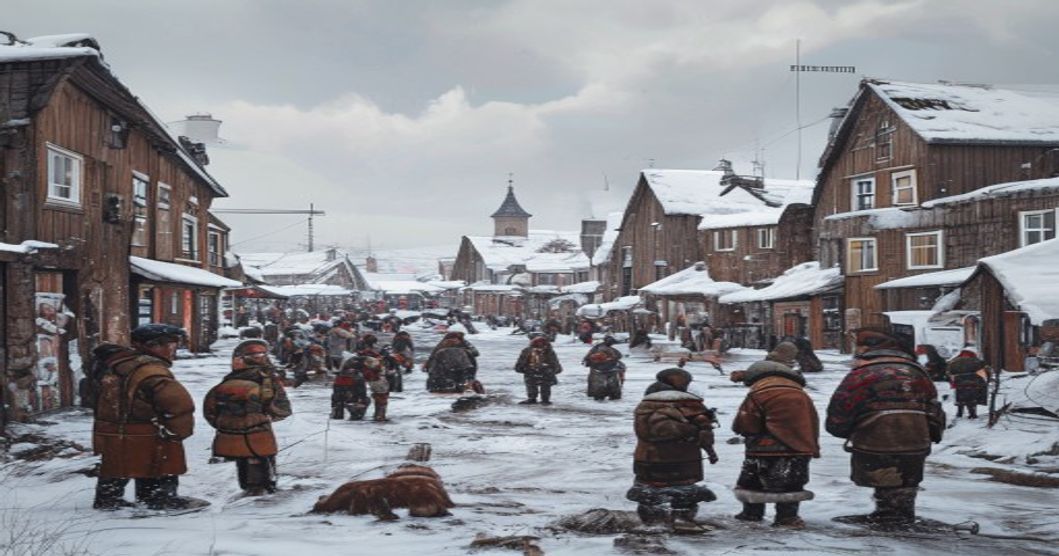
The Sámi Heritage in Urban Scandinavia
Historically rooted in the Arctic and subarctic regions spanning Norway, Sweden, Finland, and Russia, the Sámi people have increasingly relocated to metropolitan centers such as Oslo, Stockholm, Trondheim, and Tromsø. This urban migration, accelerated during the mid-twentieth century industrialization wave, has transformed traditional settlement patterns while preserving core cultural frameworks.
Historical Displacement and Modern Migration Patterns
State-led assimilation policies between 1900 and 1970 systematically restricted Sámi language use and land rights, prompting many families to seek economic opportunities in growing Scandinavian cities. Contemporary migration is now driven by higher education access, specialized employment sectors, and digital connectivity rather than forced relocation. Urban Sámi populations maintain translocal ties through seasonal reindeer migrations, cultural festivals, and municipal advisory boards.
Urban Cultural Enclaves and Community Networks
Nordic municipalities have established dedicated Sámi cultural centers, including the Sámi Parliament buildings in Karasjok and Oslo’s Sámi Urban Center. These institutions function as hubs for language classes, traditional craft workshops, and intergenerational knowledge transfer. Digital platforms further sustain community cohesion, enabling real-time collaboration across urban and rural Sámi districts.
Navigating Cultural Identity in Metropolitan Spaces
Cultural identity among urban Sámi residents operates through dynamic adaptation rather than static preservation. The intersection of indigenous heritage and Scandinavian modernity generates unique expressions of belonging, governance, and artistic production.
Language Revitalization Through Digital and Educational Platforms
Sámi language revitalization in cities relies on state-funded immersion schools, mobile learning applications, and university research initiatives. The three primary Sámi dialects—North Sámi, Lule Sámi, and South Sámi—are taught through municipal partnerships with the UiT The Arctic University of Norway and Swedish Sámi University College. Digital dictionaries, podcast networks, and social media campaigns have significantly expanded youth engagement.
Contemporary Sámi Arts, Music, and Media Production
Modern Scandinavian urban centers host thriving Sámi creative industries that merge joik (traditional vocal singing) with electronic production, contemporary visual arts, and documentary filmmaking. Artists like Mari Boine, Wimme Saari, and filmmaker Aamu have gained international recognition while grounding their work in indigenous cosmology and urban narrative techniques. Municipal grants increasingly fund exhibitions that challenge colonial representations of Sámi culture.
Economic Adaptation and Traditional Livelihoods
Urbanization has not erased traditional Sámi economies; instead, it has generated hybrid models that integrate pastoral practices with contemporary market systems.
Reindeer Herding Amidst Infrastructure Expansion
Climate change, mining permits, and transportation corridors frequently conflict with reindeer migration routes near Scandinavian cities. Municipal planning committees now require environmental impact assessments that include Sámi grazing rights under the ILO Convention 169. Urban Sámi herders utilize GPS tracking, drone monitoring, and cooperative logistics to maintain pasture access while negotiating land-use agreements.
Sustainable Tourism and Cultural Entrepreneurship
Cultural tourism in Nordic cities has evolved from spectacle-driven exhibits to community-led experiences. Sámi entrepreneurs operate eco-lodges, traditional food cooperatives, and guided heritage trails that emphasize ethical storytelling. Revenue streams are reinvested into language preservation, land rights litigation, and youth mentorship programs.
Policy Frameworks and Indigenous Rights in Nordic Cities
The legal landscape governing Sámi identity in Scandinavian municipalities remains complex, balancing national sovereignty with international indigenous protections.
Municipal Integration Programs and Sámi Representation
Cities like Bergen, Umeå, and Rovaniemi have implemented targeted integration frameworks that allocate funding for Sámi cultural programming and public service accessibility. Municipal councils increasingly appoint Sámi representatives to urban planning committees, ensuring that infrastructure development respects ceremonial sites and traditional gathering spaces.
Legal Recognition of Land Use and Resource Management
Nordic legal systems continue to adapt to Sámi land claims through court precedents and parliamentary amendments. The recognition of Sámi grazing rights and water management authority has influenced urban zoning laws, particularly around hydroelectric projects and wind farm installations. Legal advocacy organizations collaborate with city planners to draft policies that prioritize indigenous consultation over corporate extraction.
Future Trajectories of Sámi Urban Identity
The evolving relationship between Sámi communities and Scandinavian cities will be defined by technological integration, youth leadership, and transnational solidarity.
Youth Activism and Cross-Regional Sámi Networks
Urban Sámi youth organizations leverage digital activism to address educational equity, environmental justice, and cultural appropriation. Initiatives like the Sámi Student Association networks and Arctic indigenous climate coalitions bridge Nordic cities with global indigenous movements, amplifying demands for policy reform and institutional accountability.
Balancing Modernization with Cultural Continuity
Sustainable cultural preservation in metropolitan contexts requires adaptive governance models that recognize Sámi identity as living rather than historical. Urban planning, educational curricula, and economic development strategies must prioritize indigenous epistemologies alongside Scandinavian modern
Sami People in Modern Scandinavian Cities: Urban Integration and Cultural Identity
Sami populations have shifted from rural reindeer pastures to metropolitan centers. This migration stems from economic restructuring and educational access. Urban environments demand new cultural adaptation strategies.
Traditional kinship networks fracture and reform within apartment blocks and university districts. Municipal services intersect with indigenous governance frameworks. Identity preservation requires active institutional support.
Historical Migration Routes and Contemporary Settlement Patterns
Post-1970s industrialization triggered the first major **urban migration** waves. Early settlers clustered near vocational schools and healthcare facilities. Contemporary groups follow transit hubs and rental market data.
Cross-border mobility between Norway, Sweden, and Finland complicates settlement tracking. **Municipal registries** often misclassify Sami as general minority groups. **Digital mapping projects** now correct historical census gaps.
Demographic Distribution Across Oslo, Stockholm, and Helsinki
Oslo hosts the largest concentrated Sami population due to national administrative presence. Stockholm’s district demographics shift rapidly with university enrollment cycles. Helsinki’s community remains smaller but highly organized through municipal grants.
Census data underreports actual numbers because of voluntary identification criteria. Neighborhood clustering correlates with language school availability. Urban planners now use ethnic mapping for resource allocation.
Indigenous Rights Legislation and Municipal Policy Implementation
National constitutions guarantee land rights but rarely address urban housing quotas. Municipal councils translate these mandates into practical zoning adjustments. Policy gaps emerge when local budgets override indigenous priorities.
**Co-governance agreements** require Sami representatives on city planning committees. Implementation delays stem from bureaucratic approval chains. Independent audits now track policy execution timelines.
Language Revitalization Through Urban Educational Programs
Municipal kindergartens fund Sami language immersion classes for children under six. University departments partner with elders to digitize dialect archives. Textbook shortages force teachers to create localized curricula.
Fluency rates drop sharply after primary school due to limited secondary resources. Peer-to-peer tutoring programs bridge the gap between grades. Municipal subsidies now target high school retention rates.
Economic Adaptation: From Reindeer Herding to Urban Employment
Traditional herding contracts shrink as grazing lands face development pressures. Young adults enter municipal healthcare, education, and technology sectors. Entrepreneurship focuses on cultural tourism and artisan markets.
Income volatility increases when seasonal herding work disappears. Career counselors now specialize in indigenous transition pathways. Corporate diversity hiring targets Sami graduates directly.
Cultural Infrastructure Development and Community Centers
Municipal buildings convert into **cultural centers** hosting traditional music workshops. **Heritage guidelines** dictate architectural materials for indigenous spaces. Funding formulas weight cultural preservation equally with economic output.
Community hubs serve as administrative offices for local Sami associations. Youth programs integrate digital storytelling with traditional craft techniques. Municipal maintenance contracts prioritize indigenous-led organizations.
Interethnic Partnerships and Broader Minority Alliances
Sami organizations collaborate with Kurdish and Roma groups on housing rights. Joint advocacy campaigns pressure national parliaments for policy changes. Shared legal strategies strengthen collective bargaining power.
Coalition meetings rotate between municipal offices and community halls. Cross-cultural training modules address historical stereotypes. Joint publications document parallel experiences of displacement.
Digital Networks and Youth-Led Cultural Preservation
Social media groups coordinate language exchanges across time zones. Podcast producers archive oral histories using open-source platforms. Youth collectives bypass traditional gatekeepers to publish digital archives.
Algorithmic visibility favors English content over Sami terminology. Crowdfunding campaigns replace municipal grants for independent projects. **Data sovereignty** remains a critical infrastructure requirement.
Strategic Frameworks for Sustainable Urban Coexistence
Municipal development plans integrate **indigenous impact assessments**. Cross-border data sharing standardizes demographic tracking. Funding formulas weight cultural preservation equally with economic output.
Legal precedents establish housing rights for nomadic populations. Educational curricula mandate Sami history from primary levels. Long-term sustainability requires binding municipal commitments.
Frequently Asked Questions about Sami People in Modern Scandinavian Cities
What is Sami People in Modern Scandinavian Cities?
The Sami people in modern Scandinavian cities are indigenous communities who have relocated from their traditional territories in Sápmi to urban centers for education, career opportunities, and cultural engagement. They actively preserve their languages, joik traditions, and reindeer-herding practices while navigating contemporary urban life and advocating for indigenous rights.
Key facts about Sami People in Modern Scandinavian Cities
Key facts include: the Sami are the only officially recognized indigenous people in Scandinavia; they speak several distinct languages belonging to the Uralic family; they have established Sami Parliaments in Norway, Sweden, and Finland for self-governance; urban Sami populations maintain vibrant cultural centers and traditional craft markets; and they continue to face ongoing discussions regarding land sovereignty, cultural preservation, and climate change impacts on traditional livelihoods.