The Vast Landscapes of Sápmi: Where Nature Dictates Daily Life
Arctic Climate and Geographic Realities
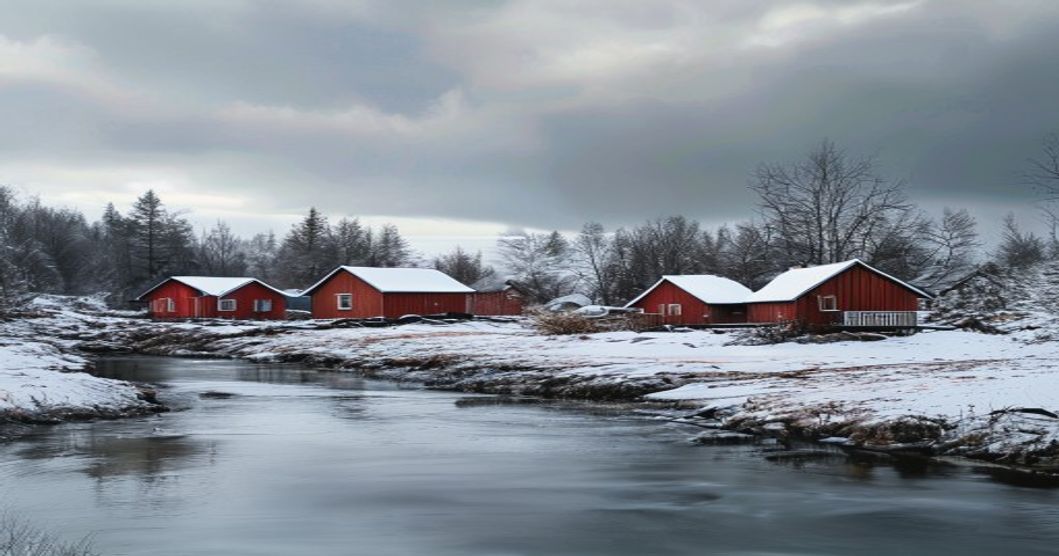
Sápmi spans across the northern territories of Norway, Sweden, Finland, and Russia, encompassing a harsh yet breathtaking Arctic environment where temperature fluctuations, permafrost, and extreme daylight cycles fundamentally shape human existence. The region experiences polar nights in winter and midnight sun in summer, forcing communities to adapt their agricultural rhythms, transportation methods, and social structures accordingly. Traditional Sámi settlements rely on microclimates and topographical variations to navigate these conditions, with fjell (mountain) ecosystems providing critical seasonal resources like birch bark, medicinal herbs, and high-altitude grazing grounds.
Traditional Architecture and Modern Adaptations
The indigenous lavvu and goahti structures were engineered for rapid assembly and thermal efficiency during harsh winters. Thick reindeer hides, willow frames, and turf insulation created breathable living spaces that regulated humidity without artificial ventilation. Contemporary Sámi households integrate modern insulation and renewable energy systems while preserving ancestral spatial logic, ensuring that indigenous architectural knowledge remains a functional component of Arctic sustainability rather than a historical artifact.
Chasing the Aurora Borealis: Sámi Cosmology and Sky Observation
Scientific Phenomenon Meets Ancient Belief Systems
The Northern Lights in Sápmi operate as a dual-layered cultural and scientific phenomenon. Astronomically, solar wind particles interact with Earth’s magnetosphere to produce ionized gas emissions across the upper atmosphere. Culturally, Sámi oral traditions interpret these luminous displays as ancestral spirits, cosmic bridges, or omens tied to seasonal transitions. Pre-indigenous communities tracked auroral patterns without telescopes, using lunar calendars and wind direction indicators to predict magnetic storms that disrupted reindeer migrations and hunting expeditions.
Ethical Observation Practices and Location Strategies
Visitors seeking the aurora borealis in Lapland must prioritize low light-pollution zones such as Abisko National Park, Finnmark plateau, and remote inland valleys. Optimal viewing occurs between September and March during peak solar activity periods, typically after 10 PM when atmospheric turbulence stabilizes. Responsible tourism protocols dictate maintaining strict silence, utilizing red-filtered lighting to preserve night vision, and respecting Sámi sacred sites that often overlap with prime photography locations.
The Heart of Sámi Culture: Reindeer Herding Traditions
Historical Roots and Seasonal Migration Cycles
Sámi reindeer herding culture represents one of the last large-scale domesticated animal migrations in Europe, dating back over a millennium. Herds follow established transhumance routes between coastal summer pastures and inland winter grazing zones, covering distances exceeding three hundred kilometers annually. This cyclical movement prevents overgrazing, maintains soil health, and ensures the reindeer access lichen-rich terrain during extreme cold periods.
Traditional Tools and Sustainable Livelihood Management
Herding operations depend on specialized equipment including bentwood sleds, weighted lassos, and acoustic signaling whistles. Modern herders combine GPS tracking collars with generational knowledge of animal behavior, terrain navigation, and veterinary practices. The practice emphasizes ecological reciprocity rather than extraction, with strict quotas governing slaughter rates to maintain herd viability against climate shifts, infrastructure development, and predator population changes.
Preserving Sámi Heritage in the Modern World
Language Revitalization and Cultural Education
The Sámi languages, belonging to the Uralic family, face ongoing revitalization efforts through bilingual schooling, digital archiving, and media broadcasting. Traditional joik vocalizations serve as mnemonic devices for recording historical events, migration routes, and ecological observations. Contemporary artisans blend ancient duodji craftsmanship techniques with sustainable material sourcing, ensuring that cultural transmission remains economically viable for younger generations.
Community-Led Tourism andFrequently Asked Questions
What is What Is It Like Living in Sápmi??
Living in Sápmi, the indigenous cultural region spanning northern Norway, Sweden, Finland, and Russia, offers a unique blend of traditional Sámi heritage, pristine Arctic nature, and a strong sense of community. Residents experience extreme seasonal daylight variations, from the midnight sun in summer to the polar night in winter, alongside a rich cultural tapestry of reindeer herding, duodji (handicrafts), and joik (traditional singing). The lifestyle emphasizes harmony with nature, sustainability, and deep-rooted cultural resilience.
Key facts about What Is It Like Living in Sápmi?
Key facts about life in Sápmi include: it spans four countries (Norway, Sweden, Finland, and Russia) with approximately 80,000–100,000 Sámi people; the climate is subarctic to Arctic with harsh winters and cool summers; reindeer herding, fishing, and traditional crafts remain central to the economy and culture; Sámi languages are officially recognized in the Nordic countries; and modern infrastructure coexists with deep cultural preservation, making it a region of both tradition and contemporary resilience.
Frequently Asked Questions
What is What Is It Like Living in Sápmi??
Living in Sápmi, the indigenous cultural region spanning northern Norway, Sweden, Finland, and Russia, offers a unique blend of traditional Sámi heritage, pristine Arctic nature, and a strong sense of community. Residents experience extreme seasonal daylight variations, from the midnight sun in summer to the polar night in winter, alongside a rich cultural tapestry of reindeer herding, duodji (handicrafts), and joik (traditional singing). The lifestyle emphasizes harmony with nature, sustainability, and deep-rooted cultural resilience.
Key facts about What Is It Like Living in Sápmi?
Key facts about life in Sápmi include: it spans four countries (Norway, Sweden, Finland, and Russia) with approximately 80,000–100,000 Sámi people; the climate is subarctic to Arctic with harsh winters and cool summers; reindeer herding, fishing, and traditional crafts remain central to the economy and culture; Sámi languages are officially recognized in the Nordic countries; and modern infrastructure coexists with deep cultural preservation, making it a region of both tradition and contemporary resilience.