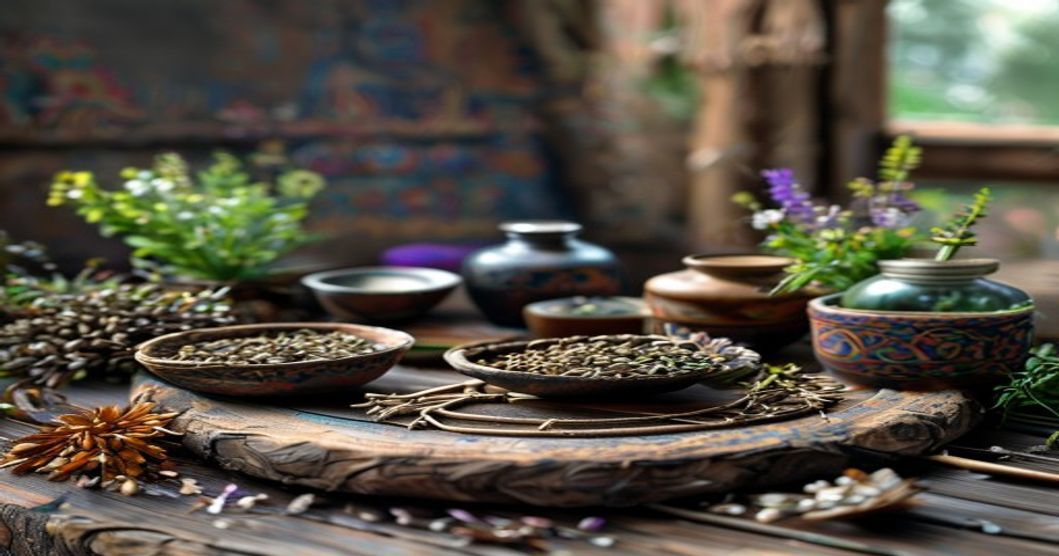
The Historical Foundation of Sami Herbal Medicine
For millennia, the Sami people have relied on the harsh Arctic environment to develop a sophisticated system of herbal medicine. Rooted in centuries of ecological observation and transmitted through oral tradition, this healing framework emerged from necessity in a landscape where conventional trade routes were inaccessible. Traditional healers, historically referred to as Noaidi, utilized locally available flora to treat respiratory infections, musculoskeletal trauma, and seasonal deficiencies. The extreme constraints of the tundra dictated which plants could sustain life and restore physiological balance, creating a pharmacopeia uniquely adapted to prolonged cold, limited sunlight, and compressed growing seasons.
Key Arctic Herbs and Their Medicinal Applications
Reindeer Moss (Cetraria islandica)
Reindeer moss stands as one of the most documented remedies in Sami pharmacopeia. Rich in lichen acids, including usnic acid, this crustose lichen has been traditionally prepared as a decoction to soothe chronic coughs, bronchitis, and gastrointestinal inflammation. Historical accounts indicate that Sami healers also applied poultices made from ground lichen directly to infected wounds, leveraging its natural antiseptic properties. Modern ethnobotanical studies confirm that these traditional applications align with the compound’s documented antimicrobial and anti-inflammatory effects.
Lingonberry (Vaccinium vitis-idaea)
The lingonberry has long served as a staple in Sami dietary and medicinal practices. Packed with anthocyanins and arbutin, this low-growing shrub was traditionally consumed to prevent urinary tract infections and reduce systemic inflammation. Sami communities processed the berries through freezing-thawing cycles or fermentation to enhance bioavailability and extend shelf life during long winters. Contemporary research supports lingonberry’s efficacy in inhibiting uropathogenic bacteria, validating a practice that predates modern clinical trials by centuries.
Birch Bark (Betula species)
Birch bark, particularly from silver birch and downy birch trees, was harvested for its high concentration of betulin and betulinic acid. Traditional Sami practitioners boiled the inner bark to create topical solutions for skin lesions, eczema, and minor burns. The astringent tannins present in the extract were also used to treat diarrhea and hemorrhoids. Pharmacological analyses have since identified betulin’s potent anti-inflammatory and wound-healing properties, demonstrating how indigenous knowledge anticipated modern phytochemical discoveries.
Crowberry (Empetrum nigrum) & Cloudberry (Rubus chamaemorus)
Crowberries and cloudberrries were preserved through traditional drying and fat-curing methods to combat scurvy and seasonal immune deficiencies. Both fruits contain high levels of vitamin C, ellagic acid, and carotenoids that supported metabolic resilience in subarctic climates. Sami healers utilized cloudberry leaf extracts as a gargle for sore throats and applied crowberry juice topically to accelerate tissue regeneration after frostbite exposure.
Preparation Methods and Traditional Knowledge Transfer
Drying, Fermentation, and Decoction Techniques
Sami herbalists developed specialized processing methods that maximized therapeutic output while preserving plant integrity. Herbs were typically harvested during specific lunar phases and dried in ventilated shelters to prevent mold degradation. Decoctions were prepared by simmering roots and bark in reindeer bone broth, which acted as a natural solvent for lipid-soluble compounds. Fermentation processes, often conducted in hollowed wooden vessels or animal bladders, increased the bioavailability of active alkaloids and polyphenols without requiring refined alcohol.
The Role of Ritual and Intent in Healing Practices
Within Sami cosmology, plant medicine was never separated from spiritual stewardship. Healers performed structured rituals to express gratitude to the land before harvesting, ensuring sustainable collection practices that prevented overharvesting. The transmission of herbal knowledge occurred through apprenticeship, where novices learned botanical identification, seasonal timing, and dosage calculations by direct observation. This pedagogical model preserved ecological balance while maintaining a continuous line of practical expertise across generations.
Scientific Validation and Modern Integration
Phytochemical Analysis of Arctic Flora
Contemporary ethnopharmacology has systematically analyzed Sami herbal formulations, isolating active compounds that correlate with historical therapeutic claims. Research laboratories have mapped the chemical profiles of Cetraria islandica, identifying lichenan polysaccharides that modulate gut microbiota function. Similarly, cloudberry seed oil has been studied for its omega-3 and omega-6 fatty acid ratio, which supports dermatological repair and reduces oxidative stress markers in clinical trials.
Contemporary Applications in Nordic Ethnopharmacology
Nordic pharmaceutical institutions and herbalist cooperatives now collaborate with Sami knowledge holders to integrate traditional remedies into regulated wellness markets. Sustainable cultivation programs
“`html
Frequently Asked Questions About Traditional Sami Herbal Remedies
What is Traditional Sami Herbal Remedies?
Traditional Sami herbal remedies refer to the centuries-old healing practices of the Sámi people, the indigenous inhabitants of Sápmi, a region spanning northern Norway, Sweden, Finland, and the Kola Peninsula of Russia. These remedies rely on the extensive botanical knowledge of local flora, including birch, juniper, cloudberry, lingonberry, angelica, and various lichens like reindeer moss. The Sámi have used these natural ingredients for treating ailments such as digestive issues, respiratory infections, skin conditions, and wounds, often preparing them as teas, poultices, tinctures, or salves. This traditional knowledge has been passed down orally through generations of Sámi healers known as noaidis.
Key facts about Traditional Sami Herbal Remedies
- The Sámi people have used over 60 different plant species for medicinal purposes, with birch bark and juniper berries being among the most widely utilized.
- Sámi herbal knowledge was historically held by the noaidi (Sámi shamans and healers) and transmitted orally rather than through written texts.
- Reindeer moss (Cladonia rangiferina) was a cornerstone of Sámi medicine, used to treat coughs, fevers, and digestive complaints.
- Many Sámi remedies incorporated spiritual and ritualistic elements, blending physical healing with shamanic practices and nature reverence.
- Modern scientific research has validated several traditional Sámi herbal uses; for example, cloudberry and lingonberry are now recognized for their exceptionally high antioxidant content.
- Colonial policies and religious suppression in the 18th and 19th centuries nearly erased Sámi healing traditions, but recent cultural revival movements are actively restoring and documenting this knowledge.
- The Sámi Parliament and various indigenous organizations are currently working to protect Sámi botanical knowledge from biopiracy and ensure ethical recognition of their contributions to ethnobotany.
“`