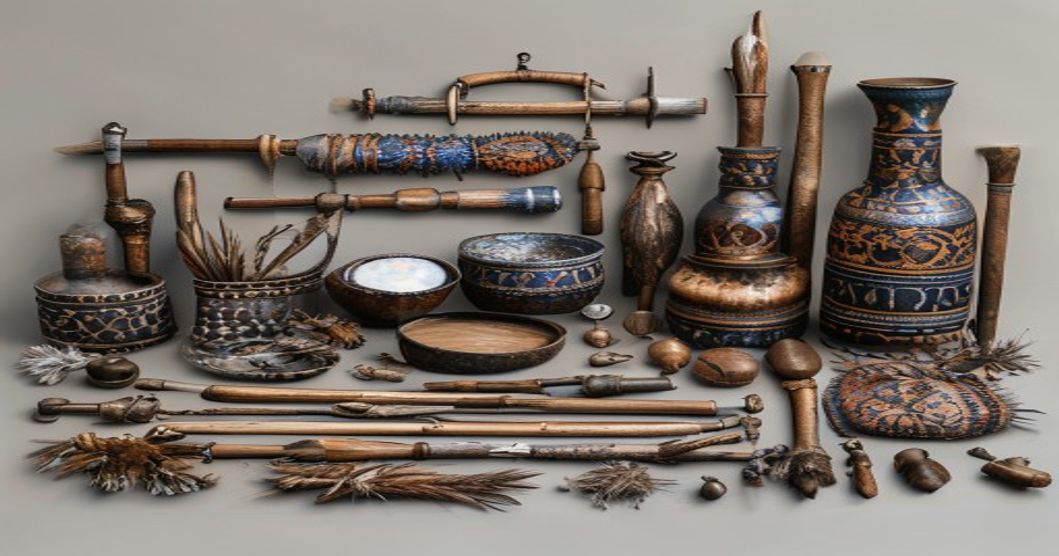
The Foundation of Sámi Duodji and Arctic Survival Engineering
Traditional Sami tools represent a highly refined system of Arctic craftsmanship developed over millennia to sustain livelihoods across Fennoscandia, northern Russia, and Scandinavia. The Sámi people engineered implements that prioritized extreme durability, lightweight portability, and multi-functional utility in environments where temperatures plunge below minus forty degrees and daylight cycles shift dramatically between summer and winter. Every component of these instruments was derived from locally sourced biological and geological materials, processed through techniques that maximized structural integrity while minimizing energy expenditure during manufacture.
The Duodji Knife and Traditional Blade Forging
The Sámi knife (gáhkku) stands as the most universally recognized artifact of indigenous Arctic toolmaking. Historically forged from high-carbon iron imported through trade networks or smelted from bog ore, the blade was heat-treated using controlled charcoal furnaces and quenched in reindeer fat or birch sap to achieve optimal edge retention. The handle architecture relied on layered reindeer antler scales, birch root burls, and cured leather wraps, secured with copper rivets or sinew binding. This construction prevented thermal conductivity from the hand to the blade during winter use and allowed for precise pressure adjustments during hide processing, meat carving, and wood shaping.
Antler Picks, Scrapers, and Bone Awls
Leather preparation demanded specialized Sámi scraping tools carved from dense antler segments or polar bear scapulae. Artisans used stone abrasive plates to taper the working edge into a fine bevel, enabling efficient removal of epidermal layers without damaging the underlying corium. Bone awls and needles, fashioned from moose tibia or reindeer metatarsals, featured polished eyelets that facilitated sinew threading for waterproof garment assembly. These implements operated on principles of mechanical advantage and material grain alignment, ensuring longevity even under repetitive tensile stress.
Fishing and Hunting Instruments of the Tundra
Sustaining communities across subarctic lakes, rivers, and coastal fjords required traditional Sami fishing gear engineered to function in freezing water and ice-bound conditions. Artisans crafted spears from flexible spruce or pine shafts, tipped with barbed iron or hardened wood points that could penetrate thick ice holes without fracturing. Nets were woven from boiled birch bark fibers and reindeer sinew, treated with fish oil to prevent brittleness during repeated wet-dry cycles.
Ice Fishing Implements and Seasonal Traps
Winter fishing relied on driftwood gaffs, bone hooks, and hand-cast lead sinkers sourced from meteoric iron or traded brass. The Sámi designed collapsible fish baskets using bent willow branches bound with split birch bark, allowing efficient storage of catch before transport to inland settlements. Seasonal migration patterns dictated trap placement near auroras and thermal vents, demonstrating an acute understanding of microclimate behavior and aquatic feeding cycles.
Bow Drills, Flint Kits, and Fire-Starting Technology
Fire production required precision Sámi bow drills constructed from split birch bows, stone bearings, and dry fungal tinder. The drill shaft was coated with reindeer fat to reduce friction heat loss, while the spindle tip was hardened through repeated carbonization. Flint knapping kits contained quartzite scrapers, magnetite strikers, and carefully curated oak galls for tannin-based cordage treatment. These tools operated on kinetic energy transfer principles, enabling reliable ignition even when ambient humidity exceeded eighty percent.
Material Sourcing and Sustainable Foraging Practices
The structural reliability of indigenous Arctic survival gear depended entirely on ethical material extraction and seasonal harvesting cycles. Sámi artisans documented growth rings in birch stands to identify wood with optimal flexibility, harvested antler during natural shedding periods, and collected bark only from downed trees to preserve canopy integrity.
Birch Bark, Reindeer Antler, and Wild Fiber Processing
Birch bark containers were heat-molded over open frames, sealed with spruce resin and pine pitch, then buried in peat for fermentation to increase waterproofing. Antler segments were split using wedge-and-mallet techniques aligned with the longitudinal marrow canal, preventing catastrophic fracturing during fine tool carving. Wild fibers from nettle roots, dogwood shoots, and juniper bark were retted in flowing streams, beaten with wooden mauls, and twisted on drop spindles to achieve tensile strengths comparable to modern synthetic cords.
Thermal Regulation and Environmental Adaptation
Tools designed for extreme cold incorporated insulating sheaths made from cured caribou belly fat, layered with wool felt and pine needle batting. Metal components were frequently wrapped in birch root bark to prevent frost welding with skin or clothing. Wooden handles featured ergonomic contours mapped to Sámi grip patterns, reducing muscle fatigue during prolonged herding, butchering, or boat paddling operations.
Contemporary Preservation and Cultural Continuity
Modern duodji workshops across Norway, Sweden, Finland, and Russia maintain strict adherence to historical manufacturing protocols while integrating contemporary conservation standards. Artisan cooperatives utilize GPS-mapped harvesting zones, digital grain analysis software, and climate-controlled drying chambers to preserve material integrity without compromising traditional methods.
Intergenerational Knowledge Transfer and UNESCO Recognition
The Sámi duodji tradition received formal recognition through UNESCO’s Intangible Cultural Heritage framework, catalizing institutional support for master-apprentice apprenticeships. Educational curricula now combine archaeological metallurgy analysis, ethnobotanical field studies, and hands-on forge demonstrations to ensure technical accuracy across generations. Digital archives document blade geometry measurements, antler density variations, and fiber tensile tests, creating open-access repositories that protect intellectual property while enabling global scholarly research.
Adaptation to Modern Markets Without Authenticity Loss
Contemporary Sámi craft artisans navigate commercialization by implementing certified origin labels, transparent supply chain tracking, and limited-edition production schedules. Tools retain functional specifications identical to historical prototypes while incorporating ergonomic refinements validated through biomechanical testing. Museum acquisitions, academic partnerships, and ethical tourism initiatives further sustain demand, ensuring that traditional Sami tools remain active instruments of cultural expression rather than static historical artifacts.
Frequently Asked Questions
What is Traditional Sami Tools and Equipment?
Traditional Sami tools and equipment refer to the handcrafted instruments and gear historically used by the indigenous Sami people of northern Scandinavia and Russia for reindeer herding, fishing, hunting, and daily survival in Arctic climates. These items are typically made from natural materials like reindeer antlers, bones, leather, wood, and iron.
Key facts about Traditional Sami Tools and Equipment
Key facts include their deep cultural significance passed down through generations, the use of sustainable locally-sourced materials, specialized designs for reindeer antler knives, snowshoes, and specialized fishing nets, and their continued relevance in modern Sami craftsmanship and cultural preservation efforts.