Origins and Ancient Settlements of the Sami People
The Sami people, recognized as the only indigenous population with official status across northern Scandinavia, trace their roots to ancient Arctic adaptations spanning over ten thousand years. Archaeological evidence from the Komsa and Nøstvet cultures in modern-day Norway, alongside Finno-Ugric genetic markers, confirms continuous habitation in Sápmi—the traditional transboundary region encompassing northern Norway, Sweden, Finland, and Russia’s Kola Peninsula. Unlike neighboring Indo-European settlers who arrived during the Bronze Age, the Sami developed a highly specialized survival economy tailored to subarctic tundra and boreal forest ecosystems.
Prehistoric Roots and Arctic Adaptation
Sami ancestors mastered cold-climate resource management through seasonal migration patterns long before written records. Excavations reveal sophisticated bone tools, reindeer antler harnesses, and turf dwellings designed for extreme weather conditions. Genetic studies indicate a distinct lineage separate from both Baltic Finns and Germanic Scandinavians, with ancient DNA showing continuity dating back to the Mesolithic period. This deep temporal connection to Sápmi forms the foundational basis of modern Sami identity and land claims.
Linguistic Evolution and Sápmi Territories
The Sami languages belong to the Uralic family, sharing distant linguistic ancestry with Finnish and Hungarian. Historically, multiple dialects evolved into nine recognized language groups, including North Sami, Lule Sami, Inari Sami, and South Sami. Each variant carried precise ecological terminology for snow, ice, reindeer behavior, and tundra flora. The geographic spread of these languages directly mapped onto traditional grazing routes, fishing grounds, and berry-picking territories that defined historical Sápmi boundaries before modern nation-state borders divided the region.
Traditional Sami Culture and Daily Life
Sami cultural practices emerged from centuries of ecological reciprocity rather than agricultural expansion. Social organization revolved around family-based siida units—autonomous pastoral communities managing shared reindeer pastures, waterways, and hunting grounds. This decentralized structure enabled rapid adaptation to environmental shifts while maintaining strong kinship networks across vast distances.
Reindeer Herding and Nomadic Traditions
Reindeer husbandry represents the most visible pillar of Sami heritage, though historically only a minority engaged in full-time herding. Domestication began around the fourteenth century, replacing wild reindeer hunting as climate change made forested routes more viable. Herders utilize traditional knowledge of migration corridors, calving meadows, and lichen pastures to maintain herd health. The guksi wooden drinking cup, woven reindeer-skin boots, and iron-tipped sleds demonstrate technical ingenuity optimized for mobility and thermal efficiency in subzero conditions.
Joik Music, Duodji Craftsmanship, and Spiritual Beliefs
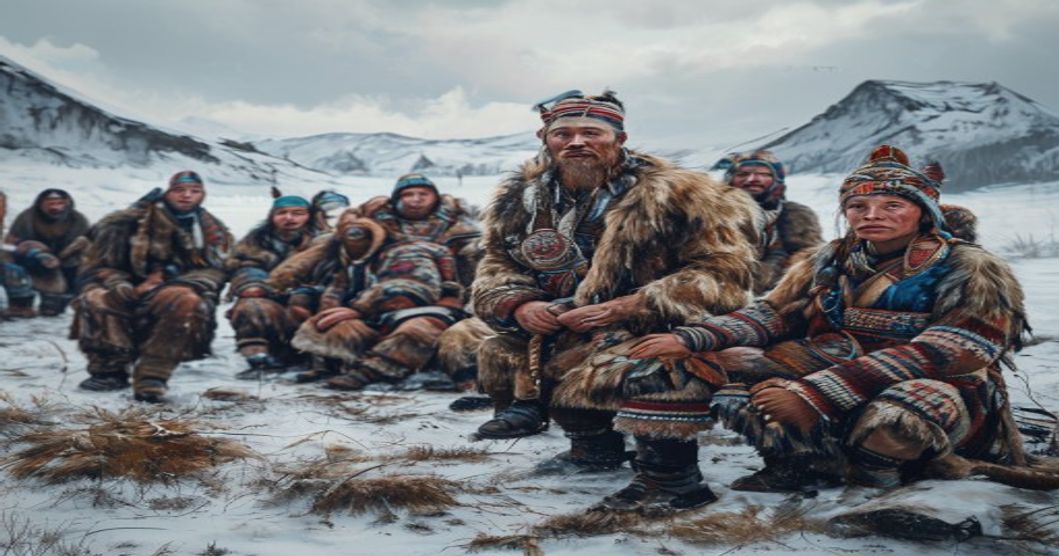
The joik vocal tradition functions as a non-narrative form of musical expression designed to evoke the essence of people, landscapes, or animals rather than tell stories. Accompanied by frame drums during seasonal festivals, joik performances historically served as auditory maps for navigation and spiritual communication. Duodji, the recognized Sami handicraft tradition, integrates practical utility with symbolic coding through embroidery patterns that denote regional origin, marital status, and clan affiliation. Pre-Christian Sami spirituality centered on animistic reverence for natural forces, ritual offerings at sacred stones, and shamanic drum journeys orchestrated by noaidi practitioners.
Frequently Asked Questions
What is The Complete History of the Sami People?
The Complete History of the Sami People refers to the comprehensive chronological account of the indigenous Sami population, tracing their origins, traditional reindeer herding culture, adaptation to Arctic climates, historical interactions with neighboring Nordic and Russian states, and their ongoing struggle for cultural preservation and indigenous rights in modern Scandinavia.
Key facts about The Complete History of the Sami People
Key facts include their status as Europe’s only recognized indigenous people, the use of the Uralic language family (Sami languages), traditional livelihoods centered around reindeer herding, fishing, and hunting, historical marginalization and assimilation policies in Norway, Sweden, and Finland, and contemporary legal recognition and cultural revitalization efforts across the Arctic region.