Eating implements feel timeless, yet for much of history they were far rarer and far more controversial than today. Long before forks became everyday essentials, many cultures relied on hands to eat—and in many places still do. The West didn’t suddenly replace hand-eating with forks overnight; the change unfolded over centuries, shaped by evolving etiquette, new tools, and shifting dining customs.
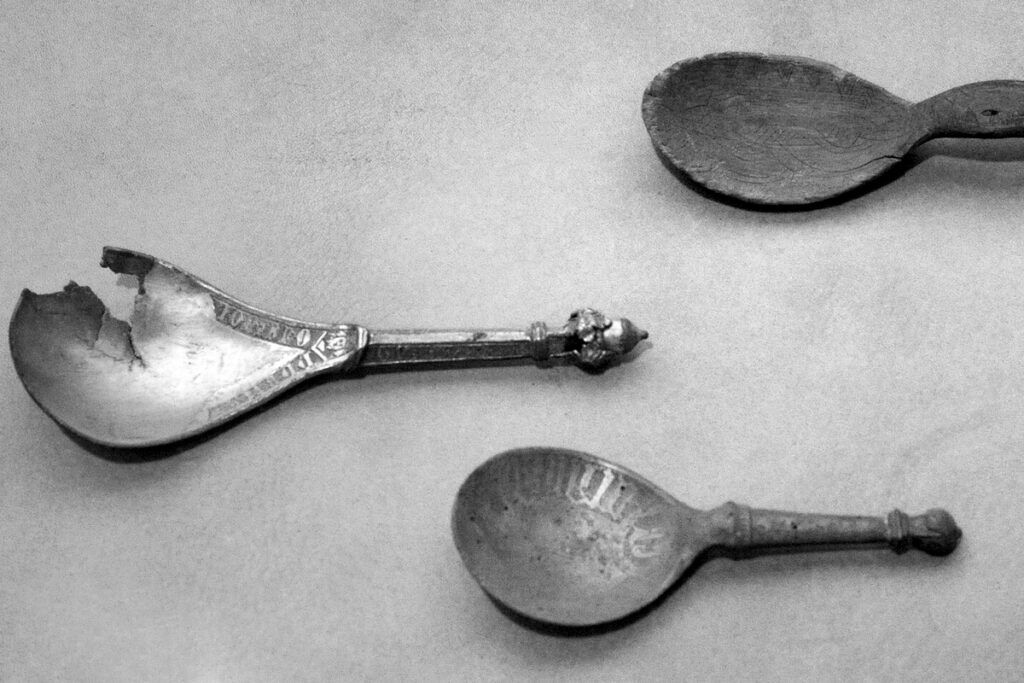
Spoons and knives have deeper roots than forks. People across eras used shells, carved woods, and even bones to scoop and cut food. The spoon is among the oldest utensils, with linguistic traces in Anglo-Saxon spon and Greek/Latin words tied to seashell imagery. Knives served as multi-purpose tools long before they were tied to dining. In ancient and medieval Europe, guests often carried personal blades, while hands remained a primary means of eating for many meals. Even in affluent Roman households, forks were almost unknown, and bread often served as a primitive utensil. The medieval practice of dining on trenches—thick bread rounds that could double as plates—showed that eating with one’s hands remained prevalent well into the Middle Ages.
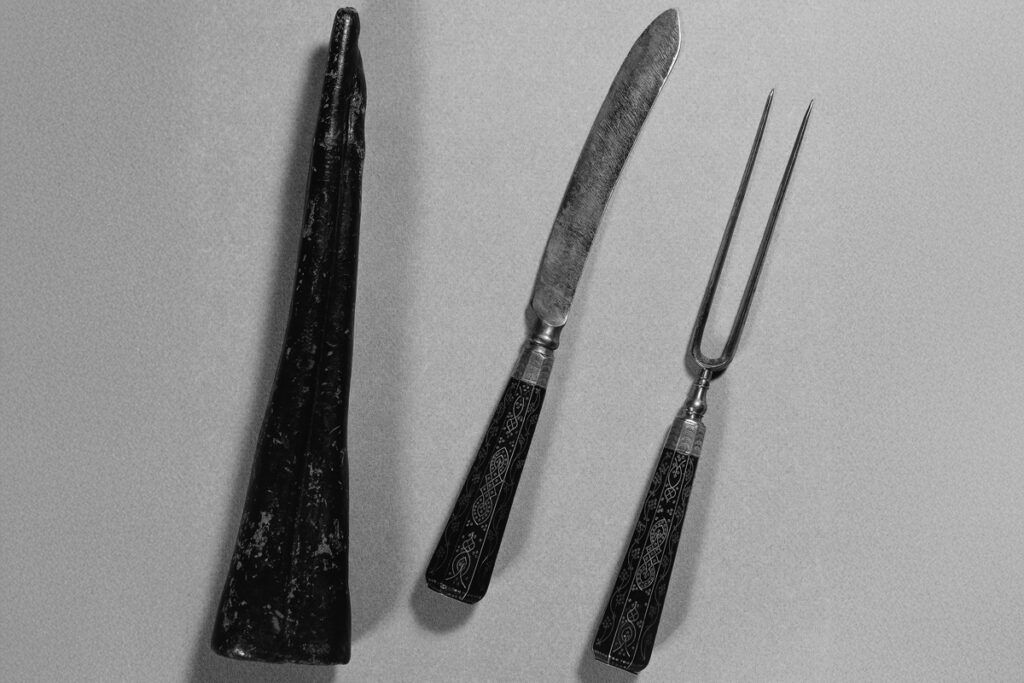
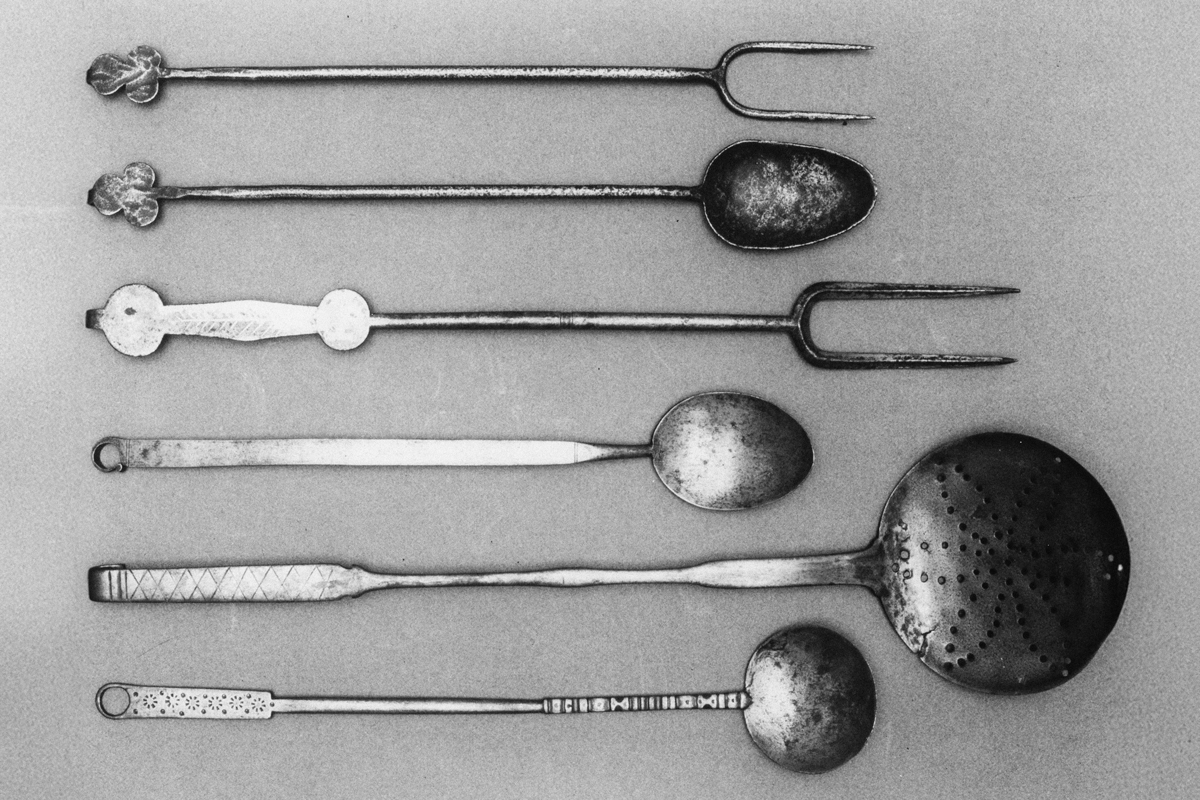
A fork’s journey to social acceptance was rocky. Early forks in classical civilizations existed mainly for cooking tasks. In Byzantium and the Middle East, aristocrats adopted some eating forks, but widespread acceptance didn’t take hold for centuries. A famous Venetian anecdote from 1004 highlights the social backlash a fork could provoke, with critics arguing that natural fingers should suffice. The device’s reputation as fussy and foreign lingered into the Renaissance and beyond, even as figures like Catherine de’ Medici helped popularize its use in France. English travelers likewise faced ridicule when praising forks, and some sailors in the 19th century still refused to use them.
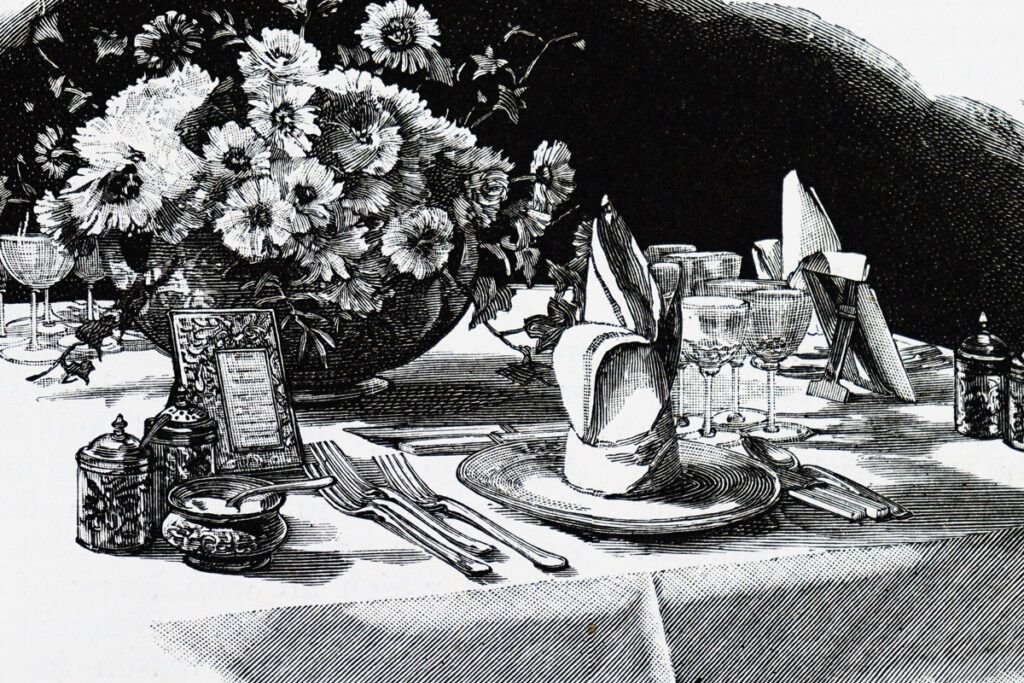
A shift toward individualized dining emerged gradually. By the 17th century, European meals began to feature personal place settings and distinct utensils. Etiquette grew more elaborate, and forks nudged their way into common practice among the upper classes. By the 18th and 19th centuries, the act of eating with hands at formal meals was increasingly viewed as improper, though bread or olives occasionally escaped bans. The Victorian era amplified specialization, with households accumulating an array of specialized implements. Today, though, the number of pieces in a typical flatware set has contracted as formal dining routines have waned.
Even as Western settings embraced forks, many cultures continued preferring hands or chopsticks. In East Asia, chopsticks predated Western forks by thousands of years, initially serving cooking and later daily meals. Across India, Sri Lanka, parts of the Middle East, Africa, and beyond, eating with hands remains common and respected, with etiquette that varies by region—such as using the fingertips to shape bites or avoiding the left hand for certain tasks. And in modern Western meals, popular foods like pizza or burgers are frequently eaten without utensils, a reminder that humanity still often chooses the simplest tool at hand.