The Architectural Blueprint and Engineering Legacy of the Flavian Amphitheatre
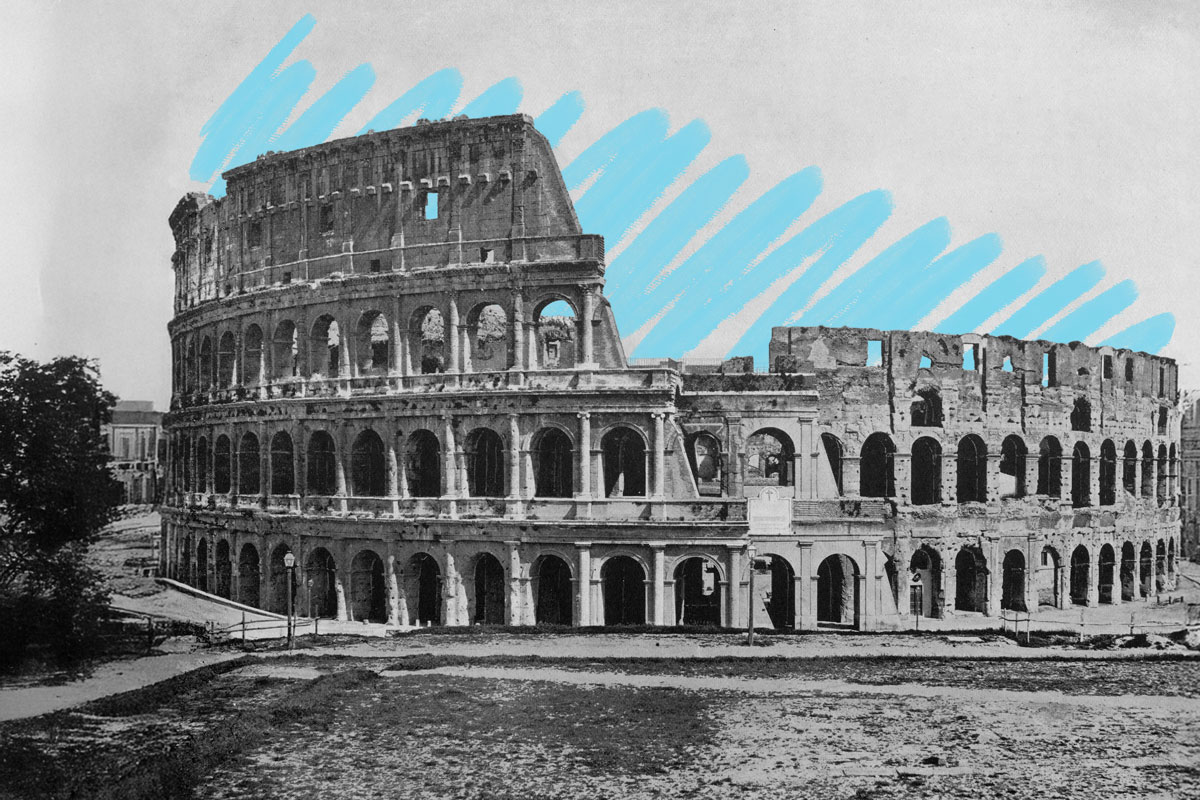
Constructed between 70 and 80 CE under Emperors Vespasian and Titus, the Flavian Amphitheatre—universally known as the Colosseum—revolutionized ancient civil engineering. The structure utilized a sophisticated combination of travertine limestone, tuff, and pozzolanic concrete to support its massive tiered seating capacity of approximately 50,000 spectators. Roman architects pioneered the use of vaulted arches and barrel vaults to distribute structural loads efficiently, a technique that allowed for rapid spectator circulation through eighty numbered entrances. The original velarium, a retractable awning system operated by naval crews from Misenum, provided shade across the entire arena floor, demonstrating advanced logistical planning. Modern archaeological surveys confirm that the subterranean foundations rest on a compacted clay and gravel base designed to absorb seismic activity, a testament to Roman structural engineering that remains intact after nearly two millennia.
The Arena of Blood: Gladiatorial Combat and Imperial Patronage
The Colosseum served as the epicenter of gladiatorial munera, highly choreographed spectacles designed to reinforce imperial authority and appease the Roman populace. Combatants were typically enslaved prisoners of war, condemned criminals, or volunteers who underwent rigorous training in specialized barracks adjacent to the amphitheater. The gladiatorial combat taxonomy included heavily armored classes such as the Murmillo, Retiarius, and Thracian, each equipped with distinct weaponry and fighting styles tailored for dramatic opposition. Emperors strategically funded these events to secure political loyalty, funding elaborate naval reenactments (naumachiae) in the earliest decades before the arena floor was permanently sealed. The hypogeum’s lower chambers housed animal imports from North Africa and the Near East, facilitating exotic beast hunts (venationes) that showcased Rome’s geopolitical dominance through biological spectacle.
Subterranean Mechanics and Hypogeum Operations
Beneath the wooden arena floor lay the hypogeum, a two-level subterranean network of tunnels, vertical shafts, and counterweight systems that functioned as an ancient stage management hub. Bronze pulleys, capstans, and trapdoors allowed scene shifters to elevate gladiators, wild animals, and elaborate set pieces directly onto the arena surface without visible preparation. The architectural integration of these mechanical systems enabled surprise entrances and rapid scene transitions, maintaining narrative pacing critical to imperial propaganda. Recent 3D laser scanning and ground-penetrating radar have mapped over seventy functional mechanisms within the hypogeum, revealing how Roman engineers manipulated gravity and leverage to orchestrate large-scale theatrical violence with military precision.
Transformation into Sacred Ground: Christian Martyrdom and Papal Veneration
Despite early ecclesiastical debates regarding its pagan origins, the Colosseum gradually transitioned into a site of Christian martyrdom tradition during the late antique period. While modern historians note that large-scale executions likely occurred elsewhere in Rome, medieval hagiographies firmly established the amphitheater as the burial ground for early Christian saints who refused to participate in imperial cult rituals. During the 8th and 9th centuries, Papal authorities initiated systematic relic veneration within the ruins, relocating sacred artifacts tied to the Passion of Christ to protect them from Lombard invasions. The religious repurposing of the structure accelerated under Pope Gregory the Great, who institutionalized processional routes along the amphitheater’s perimeter, effectively transforming a symbol of imperial brutality into a monument of sacrificial faith.
Liturgical Evolution and Contemporary Devotional Practices
The Colosseum’s spiritual significance solidified through centuries of liturgical adaptation, particularly during Good Friday observances. Since the 18th century, the Pope has led a solemn procession from the Via Sacra to the amphitheater, where candles illuminate the ancient stone arches and clergy reenact the Stations of the Cross. This annual ritual bridges antiquity and modern Catholicism, emphasizing themes of endurance, sacrifice, and redemption. The spiritual heritage of the site is further preserved through underground chapel renovations and the placement of liturgical furnishings that honor early Christian worshippers who clandestinely gathered in the lower vaults. Contemporary pilgrimages continue to draw millions, reinforcing the Colosseum’s dual identity as both an archaeological monument and an active center of devotional history.
Archaeological Preservation and Contemporary Conservation Strategies
The structural integrity of the Colosseum faces persistent threats from seismic activity, pollution-induced stone degradation, and centuries of unauthorized quarrying that stripped the outer ring of its marble cladding. Modern conservation science employs non-invasive monitoring systems to track material stress across the travertine façade and hypogeum supports. The Italian Ministry of Culture has implemented advanced seismic retrofitting techniques, including titanium reinforcement bars and micro-grouting protocols, to stabilize the foundation without compromising historical authenticity. Digital twin modeling and photogrammetric mapping now guide restoration efforts, ensuring that every replacement stone matches the original Flavian quarry specifications. As a UN
The Colosseum’s roar faded long ago, and the arena’s last official bloodlines trace back to 404 CE when Emperor Honorius I concluded the spectacle. Yet the colossal amphitheater did not vanish; it adapted, serving as a cemetery, a place of worship, a magnet for visitors, and even a residence complex over the centuries. Beginning in 800 CE, the Santa Maria Nova friars rented the structure for more than five centuries, constructing stables, workshops, and terra cotta sewage pipes. Their tenants ran the gamut of Roman society—from aristocrats to small shopkeepers. A devastating earthquake in 1349 CE finally pushed occupants away, and since then the Colosseum has continually found new roles.
The era of gladiators stretched for roughly 650 years, starting around 264 BCE. Their decline came slowly, driven by the mounting costs of upkeep and shifting religious sentiments. As Christianity rose, opposition to the violent arena grew louder. While Constantine I is credited with abolishing the games in 325 CE, the abolition did not take effect immediately, and Honorius I ultimately halted the spectacle again, sealing its fate for good.