The Cultural Heartbeat of Sámi Festivals
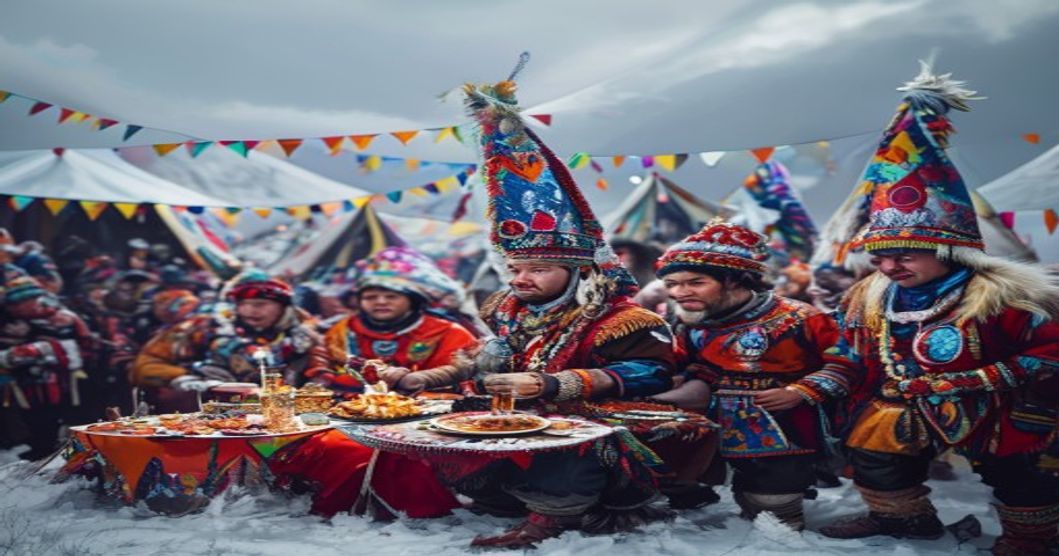
Sámi festivals function as essential mechanisms for cultural transmission among the Indigenous Sámi population, who have maintained continuous presence across Fennoscandia and the Kola Peninsula for over four millennia. These events transcend entertainment; they operate as dynamic platforms for Sámi sovereignty assertion, ecological education, and cross-generational knowledge exchange. The festivals are deeply anchored in Arctic traditions that prioritize communal resource management, seasonal migration cycles, and a spiritual relationship with reindeer herding, which UNESCO recognizes as Intangible Cultural Heritage.
Key Sámi Festivals Across the Arctic Circle
The Duodji Handicraft Festival
Held annually in community centers across Tromsø, Finnmark, and Lapland regions, the Duodji festival showcases traditional handicrafting techniques that blend utility with profound symbolic meaning. Artisans demonstrate knife forging from local iron ore, reindeer antler carving, and textile weaving using plant-based pigments like cloudberry leaves and birch bark. Each geometric motif encodes specific clan territories and ecological observations, making Duodji a tactile archive of Indigenous culture that resists homogenization.
Sámi Music and Joik Celebrations
The Kárášjohka (Kautokeino) Sámi Festival centers on the revival and performance of joik, a vocal tradition characterized by non-linear melodic structures that mimic wind patterns, animal calls, and topographical features. Unlike Western musical frameworks, joik does not narrate a subject but embodies it acoustically, requiring performers to internalize ecological rhythms before singing. Modern festival lineups integrate traditional joiking with contemporary Sámi electronic and folk fusion, creating sonic bridges that amplify Arctic indigenous music on global stages while reinforcing linguistic preservation.
Reindeer Racing and Winter Games
Winter festival programming prominently features the Sámi reindeer race, a competitive discipline where athletes navigate snow-covered trails on traditional skis while managing herding equipment. Rooted in practical survival skills, this event has evolved into a symbol of climatic adaptation and community resilience. Supplementary activities include lasso demonstrations, ice fishing competitions, and fireside storytelling sessions that document Sámi oral traditions regarding predator management, snow navigation, and historical land rights.
Arctic Traditions Shaped by Seasonal Cycles
Sámi festival calendars align precisely with polar photoperiod shifts, dictating agricultural, hunting, and pastoral activities. Spring gatherings coincide with reindeer calving and ice retreat patterns, while autumn events focus on herd sorting, fat storage preparation, and migration route planning. These temporal markers ensure cultural practices remain synchronized with ecological indicators, demonstrating how Indigenous knowledge systems utilize empirical climate observation to maintain sustainable resource distribution across extreme latitudes.
Preserving Indigenous Heritage in Modern Times
Contemporary Sámi festivals actively counter cultural assimilation through institutional funding and digital archival initiatives. The Sámi Council coordinates cross-border festival networks that standardize programming while respecting regional dialectal variations. Educational components include language immersion workshops, traditional ecology seminars, and youth leadership tracks that address climate-induced pasture degradation. Festival revenues directly support Sámi-run cooperatives, ensuring economic benefits remain within Indigenous communities rather than external tourism operators.
How to Experience Sámi Festivals Responsibly
Ethical participation requires adherence to Indigenous sovereignty protocols and cultural boundary recognition. Visitors must prioritize community-organized events over commercialized alternatives, purchase Duodji directly from certified artisans bearing the official Sámi mark, and observe photography restrictions during sacred rituals or private herding demonstrations. Supporting local Sámi tourism enterprises ensures festival infrastructure development aligns with self-determined cultural preservation goals rather than external exploitation.
Frequently Asked Questions
What is Sami Festivals and Arctic Celebrations?
Sami Festivals and Arctic Celebrations are cultural gatherings held across the northern regions of Scandinavia, Russia, and Finland to honor the indigenous Sami people. These events showcase traditional joik music, reindeer herding, authentic duodji handicrafts, and ancient rituals, preserving Sami heritage and community bonds in the harsh Arctic climate.
Key facts about Sami Festivals and Arctic Celebrations
Key facts include: they are traditionally timed around winter solstice or the return of daylight; they feature authentic gákti clothing, reindeer-based cuisine, and storytelling; they are hosted in Sápmi regions across Norway, Sweden, Finland, and Russia; and they serve as vital platforms for indigenous rights advocacy, cultural education, and sustainable Arctic tourism.