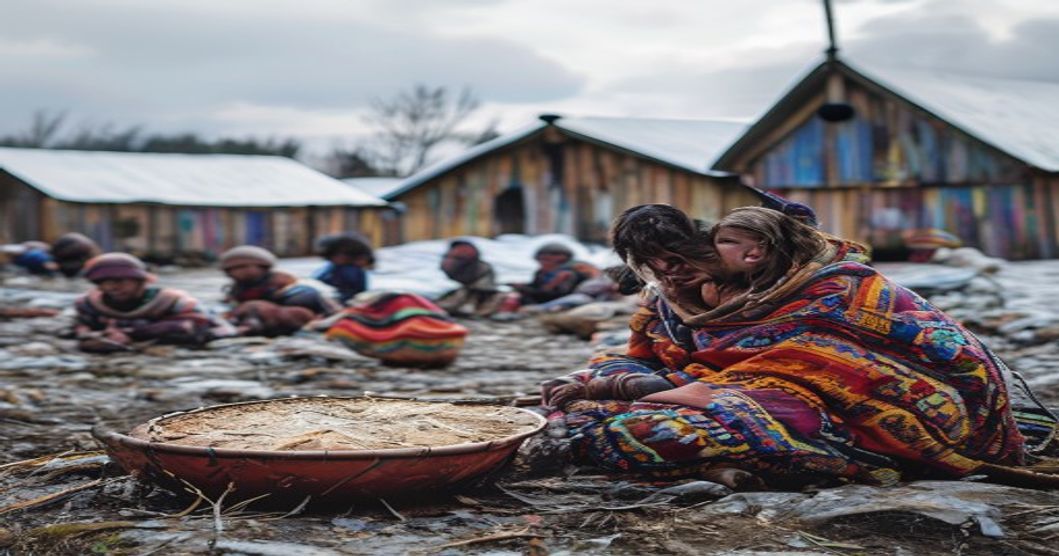
Rare Cultural Practices Still Found in Sápmi: A Comprehensive Guide
The Sápmi region, spanning across northern Norway, Sweden, Finland, and Russia, preserves cultural traditions that have adapted to extreme Arctic conditions while maintaining deep ancestral continuity. Among the most distinctive surviving practices is joik, a vocal tradition that functions as more than music; it operates as a sonic mapping of landscapes, reindeer herds, and personal identity. Each joik encodes specific geographical markers and emotional resonance, transmitted orally through generations without standardized notation.
- Gákti craftsmanship remains strictly regulated by regional dialects, with embroidery patterns, color blocking, and belt designs signaling exact village origin, marital status, and social standing within Sámi communities.
- Duodji production utilizes locally sourced antler, bone, birch root, and reindeer fur to create functional tools, knives, and ceremonial objects. The process follows seasonal harvesting cycles tied to lunar phases and animal migration patterns.
- Sieidi veneration involves ritual offerings at sacred natural formations, particularly weathered boulders or pine roots. Practitioners leave dried fish, tobacco, or wool to maintain ecological and spiritual balance during hunting expeditions.
Seasonal reindeer management relies on generational knowledge of lichen succession, snow crust formation, and microclimate shifts. Herders interpret wind direction through pine needle orientation and track animal movement by ice thickness variations along riverbanks. This ecological literacy enables sustainable grazing rotations that prevent pastland degradation.
Traditional food preservation techniques include salting caribou meat in wooden crates lined with spruce branches, fermenting Arctic char using sealed birch bark containers, and baking flatbreads on heated stones over open fires. These methods maximize nutrient retention during polar nights when fresh produce remains inaccessible for extended periods.
Snow and ice navigation employs specialized terminology exceeding thirty lexical categories for texture, density, and thermal properties. Practitioners read frost flowers, wind drift patterns, and animal footfall depth to determine safe travel routes across frozen fjords and tundra plateaus.
Historical Context of Indigenous Sámi Communities
The Sámi people represent one of the oldest indigenous populations in Northern Europe, with archaeological evidence confirming their continuous presence across the subarctic zone for over ten millennia. Their historical development unfolded
Geographic Scope and Modern Recognition
Sápmi spans a continuous cultural territory across Norway, Sweden, Finland, and Russia’s Kola Peninsula, yet its geographic boundaries remain defined by ecological zones rather than political lines. Coastal communities along the Barents and Norwegian Seas developed maritime adaptations, including specialized boat designs and tide-dependent hunting calendars. Inland groups navigated dense boreal forests where reindeer migrations followed narrow forest corridors, while mountain Sámi in the Scandinavian highlands utilized alpine tundra pastures during summer months. These environmental divisions directly shaped tool-making techniques, textile dyeing methods, and seasonal architecture. Traditional dwellings like the turf-roofed goahti varied in structural reinforcement depending on wind exposure and snow load patterns across different regions.
- Legal frameworks now anchor preservation efforts: Norway’s Finnmark Act, Sweden’s Sami Parliament statutes, and Finland’s Indigenous Language Act collectively grant consultative authority over land use, education curricula, and resource extraction permits. Cross-border governance through the Sámi Council standardizes documentation protocols, ensuring dialect-specific knowledge survives administrative fragmentation.
- UNESCO intangible heritage listings accelerated archival funding: Official recognition of joik vocal techniques and reindeer husbandry cycles triggered municipal grants for digital mapping of grazing routes. Satellite tracking now overlays historical migration paths with contemporary climate data, revealing how shifting permafrost lines force communities to adjust seasonal rituals.
- Contemporary certification systems restrict commercial access: Tourism operators must obtain indigenous validation before guiding visitors near sacred sites or during ceremonial periods. Revenue from regulated eco-tours directly funds intergenerational apprenticeship programs that prioritize hands-on duodji craftsmanship over museum preservation.
Geographic isolation historically protected these practices from external homogenization, but modern recognition depends on institutional coordination rather than territorial control. Municipal cultural institutes in Kiruna, Karasjok, Inari, and Murmansk now share real-time databases tracking endangered vocal patterns, textile motifs, and drum divination methods. Academic partnerships with northern universities standardize field documentation, while cross-border grazing agreements maintain ecological continuity. The geographic scope remains fluid, yet legal recognition transforms scattered traditions into coordinated preservation networks.
Documented Rituals and Artisanal Traditions Across the Region
The spiritual and material culture of Sápmi remains anchored in practices meticulously recorded by early ethnographers and continuously transmitted through indigenous knowledge systems. Pre-Christian rituals centered on sieidi—sacred natural formations such as outcrops, boulders, or ancient trees—functioned as focal points for offerings and seasonal negotiations with environmental forces. Documented drum ceremonies conducted by noaidi utilized painted goavddis to map cosmological territories, track reindeer migrations, and diagnose community health through symbolic interpretation of copper wire patterns across divided membrane surfaces. Winter solstice gatherings frequently incorporated fire purification rites and vocal invocations aligned with astronomical cycles, reinforcing territorial continuity long before modern cartographic boundaries existed.
Artisanal output operates within parallel frameworks of utility and cosmology. Duodji encompasses tool fabrication, garment construction, and decorative weaving executed through techniques requiring decades of tactile mastery. Reindeer antler is carved using bone saws and stone abrasives into knife handles, sled runners, and toggle fasteners, while copper wire wrapping secures structural joints and encodes regional identity through geometric motifs. Birch bark processing involves controlled steaming and hand-pressing to produce durable containers for milk, berries, and medicinal resins. Woven garments utilize spun reindeer hair and wool dyed with lichens like Cetraria islandica, producing colorfast textiles engineered for subarctic thermal regulation.
- Sacred drum preservation: Over 300 historical goavddis catalogued in Nordic ethnographic archives reveal standardized iconography mapping spiritual geography across Sámi districts.
- Seasonal migration rites: Documented blessing ceremonies precede spring and autumn reindeer roundups, integrating animal welfare protocols with ancestral ecological knowledge.
- Material sourcing regulations: Traditional craft communities observe customary harvesting calendars for birch, copper ore, and lichen, preventing resource depletion while maintaining cultural continuity.
Contemporary preservation initiatives rely on cross-institutional documentation networks linking Sámi parliaments, university ethnology departments, and living practitioner collectives. Digital archiving projects record elder-led technique demonstrations, capturing pressure angles, tool tempering temperatures, and rhythmic patterning in duodji production. Oral history repositories cross-reference material samples with recorded vocal tonalities used during ceremonial object consecration. These structured knowledge frameworks ensure that ritual precision and craft parameters remain verifiable against historical baselines while adapting to modern material constraints.
Traditional Joik Singing and Oral Storytelling Methods
The practice of joik operates as a foundational pillar of Sámi cultural continuity, functioning far beyond conventional musical frameworks. Rather than describing a subject, traditional joiking embodies it through vocal modulation that mirrors the rhythm of reindeer migrations, glacial formations, and seasonal wind patterns. Performers utilize circular breathing techniques to sustain elongated melodic lines while employing microtonal inflections that convey specific emotional and environmental contexts. Each melody functions as an acoustic fingerprint, uniquely tied to individuals, family lineages, or particular landscape features.
Oral storytelling methods within Sápmi rely
Reindeer Herding Rhythms and Seasonal Migration Patterns
Reindeer herding in Sápmi operates on a precise ecological calendar dictated by terrain, vegetation cycles, and animal physiology. The annual movement cycle divides into distinct phases that require coordinated land management strategies. During calving season, typically late April to early June, herds disperse toward sheltered coastal valleys or inland plateaus where predator density remains low and early spring vegetation emerges. The siida system, a traditional cooperative governance structure, coordinates these movements through generational knowledge passed down via oral history and practical mentorship.
- Spring Migration: Herds follow established corridors toward calving grounds, guided by wind patterns and snowmelt progression rather than fixed geographic markers.
- Summer Grazing: Animals move into alpine tundra regions to consume nutrient-dense grasses and sedges that rebuild herd condition after calving stress.
- Autumn Rutting: Bulls separate from females, triggering complex territorial movements across ridgelines where herders monitor breeding success.
- Winter Pastures: Focus shifts to snow-free zones where reindeer lichen remains accessible through natural wind scouring or controlled burning techniques.
Winter management demands meticulous snow assessment. Herders identify árran formations where persistent winds strip away heavy accumulations, exposing forage critical for herd survival. Traditional navigation relies on reading animal behavior, cloud formations, and subtle topographical shifts, though modern operations increasingly integrate GPS telemetry with historical route mapping. Summer grazing zones require rotational access to prevent overbrowsing, a practice maintained through customary land-use agreements rather than statutory boundaries.
External pressures continuously test these rhythms. Infrastructure expansion, resource extraction permits, and forestry operations fragment traditional passage ways, forcing herders to adjust historical trajectories or reduce herd sizes. Climate variability introduces additional complexity by shifting vegetation emergence dates earlier and increasing rain-on-snow events that create impenetrable ice layers over lichen beds. Sámi communities respond through adaptive management frameworks that combine satellite imagery analysis with time-tested ecological indicators. The seasonal cadence of reindeer movement remains a functional record of centuries-long human-animal coevolution within Arctic environments.
Lavvu Construction and Nomadic Camp Layouts
The traditional lavvu relies on a conical framework of precisely selected willow or pine poles, typically ranging from three to five meters in height. These structural members converge at a singular apex ring, secured through interlocking wooden joints rather than metal fasteners. The exterior receives overlapping layers of weathered birch bark or cured reindeer hides, stitched together with sinew cordage. This modular design allows full disassembly and transport within four hours, accommodating seasonal reindeer migration schedules without permanent ground disturbance.
Thermal efficiency derives from strategic ventilation geometry. The central hearth sits directly beneath the apex opening, which functions as a draft-controlled chimney. Heat rises through the conical chamber while cooler air enters through lower gaps between the pole bases and the ground cover. Reindeer hide curtains can be adjusted along the windward side to block Arctic gusts without compromising internal oxygen levels. The floor typically features packed earth layered with spruce branches and dried moss, creating an insulating barrier against sub-zero temperatures.
- Pole Selection: Straight-grained saplings harvested during late winter when moisture content drops, ensuring natural curing without structural cracking.
- Base Anchoring: Poles rest on flat stones or wooden sleds to prevent soil compaction and allow clean site relocation across fragile tundra topography.
- Covering Orientation: Bark layers overlap downward like roof shingles, directing snowmelt away from the interior while maintaining continuous tension along the frame.
Nomadic camp arrangements follow strict ecological and social parameters. Families position dwellings in a radial pattern around a shared cooking area, optimizing wind protection while preserving individual household boundaries. Camp placement prioritizes proximity to established reindeer grazing corridors, elevated terrain for natural drainage, and topographical windbreaks such as rock outcrops or dense birch groves. Seasonal rotations dictate camp density, with winter settlements clustering tightly for resource sharing and summer encampments dispersing across wider alpine pastures.
Construction techniques persist through oral instruction and hands-on apprenticeship. Young herders learn pole bending, hide stretching, and tension calibration by participating in full assembly cycles under elder supervision. Modern reindeer management still utilizes these spatial frameworks during calving seasons and autumn roundups, demonstrating functional continuity between historical adaptation and contemporary pastoral logistics.
Gákti Dress Coding and Regional Symbolism
The Gákti functions as
Spiritual Customs and Seasonal Observances in Modern Sápmi
The spiritual landscape of Sápmi operates on a continuous dialogue between ancestral cosmology and contemporary indigenous resilience. Traditional Sámi belief systems center on a living geography where every mountain, lake, and boreal forest holds active agency. Sieidi stones function as operational ritual sites rather than historical artifacts; reindeer herders still deposit antlers, birch twigs, or iron nails to negotiate balance with nature spirits before major herd movements. The noaidi tradition has transitioned from shamanic intermediaries to cultural archivists who coordinate community rites during critical ecological transitions. These practices remain embedded in daily decision-making rather than relegated to ceremonial calendars.
Seasonal observances dictate the rhythm of Sámi spiritual practice across the Arctic Circle. Winter darkness triggers juovlanat gatherings where reindeer tallow lamps and structured drumming sequences map celestial navigation routes. Spring arrives with the siida migration, beginning with pasture blessing ceremonies that recite ancestral names tied to specific grazing corridors and river crossings. The midnight sun period initiates renewal protocols focused on salmon spawning cycles and cloud berry harvests, accompanied by joik performances that encode topographical memory into precise vocal modulation. Autumn demands preparation through controlled fire-lighting across traditional assembly grounds, reinforcing intergenerational accountability for land management.
Modern Sápmi spiritual expression rarely functions in isolation. Syncretic frameworks merge Lutheran liturgical schedules with indigenous ecological markers, producing hybrid observance timelines that honor historical continuity while adapting to contemporary regulatory environments. Cultural festivals operate as documented repositories of seasonal knowledge, yet everyday practice remains anchored to reindeer calving windows, fishing quota periods, and land-use negotiations. Indigenous digital platforms and academic collaborations amplify these customs without converting them into performative exhibits. The endurance of these rituals represents a calculated approach to preserving ecological literacy while addressing state legislation, permafrost degradation, and demographic shifts across northern territories.
- Sieidi locations continue serving as active offering sites during veterinary assessments and pasture evaluations
- Juovlanat illumination practices align with pre-Gregorian solar calculations used for winter hunting windows
- Joik delivery patterns function as auditory navigation tools mapping seasonal water levels and migration thresholds
- Festival programming reconciles religious holidays with reindeer slaughter schedules and spring thaw monitoring
Contemporary practitioners treat spiritual continuity as territorial documentation, ecological monitoring, and community coordination. Each seasonal marker strengthens land claims, facilitates knowledge transfer, and sustains collective identity across dispersed Arctic regions. These customs survive through practical application rather than institutional preservation, operating as functional indigenous science expressed through ritual structure.
Noaidi Shamanic Elements in Contemporary Practice
The Noaidi functioned as a vital spiritual and ecological mediator within traditional Sámi communities, operating through ritualized drum ceremonies, trance states, and specialized knowledge of reindeer migration patterns. Historical accounts and archaeological findings confirm that these practitioners utilized the goavddis to navigate spiritual landscapes, diagnose illnesses, and secure hunting success. The practice was never monolithic; regional variations across Fennoscandia reflected distinct clan lineages and environmental adaptations.
Systematic missionary campaigns during the seventeenth through nineteenth centuries actively suppressed Noaidi traditions, classifying them as pagan deviations. This forced many practitioners underground or into diaspora communities, fracturing direct lineage transmission. Despite this disruption, fragments of the tradition persisted within family archives, oral storytelling networks, and folk art motifs that survived colonial documentation efforts.
Contemporary cultural revival movements across Sápmi have reconstructed these elements through documented research, cross-regional collaboration, and intergenerational workshops. Practitioners today approach Noaidi practices as living heritage
Yule Traditions and Winter Solstice Observances
The midwinter period holds profound significance across Sápmi, where the gradual return of sunlight after weeks of darkness triggers a cascade of ancestral rituals. Historically, the winter solstice marked the apex of communal preparation for the coming year. Families gathered to offer thanks through structured feasts centered on cured reindeer meat, dried cloudberries, and fermented dairy products. These meals functioned as tangible exchanges between the living community and the natural world, reinforcing reciprocal obligations with the land.
Ritual specialists known as noaidi interpreted drum patterns during solstice nights to forecast migration routes, herd health, and seasonal shifts. Modern Sámi communities preserve these observances through carefully transmitted joik performances, which encode ecological knowledge and genealogical ties into melodic structures. Unlike festive entertainments, authentic solstice joiks operate as sonic maps, guiding listeners through terrain features and ancestral hunting grounds. The rhythmic cadence often mirrors wind patterns across tundra landscapes, allowing practitioners to navigate by auditory memory alone.
- Reindeer herders maintain direct continuity with pre-Christian practices by conducting silent vigils at sacred stone formations during the darkest nights.
- These gatherings involve lighting pine resin torches, distributing carved antler talismans, and reciting place-specific origin narratives that anchor territorial rights.
- The solstice also serves as a critical checkpoint for winter survival strategies, with elders transmitting frost-reading techniques, snow-drift analysis, and ice-navigation protocols through hands-on field instruction.
Communal snow-shoeing ceremonies mark the final days of the solstice period, reinforcing mobility skills required for spring migration. Participants wear traditional woven belts that contain medicinal herbs and copper charms used historically to ward off seasonal fatigue. These physical routines directly support cardiovascular conditioning and joint flexibility before intensive travel seasons begin. Contemporary cultural practitioners adapt these methods while preserving their core ecological functions. Digital archives now document seasonal ritual calendars, yet the physical execution of midwinter rites remains essential for maintaining intergenerational knowledge transfer. The convergence of astronomical events, subsistence practices, and spiritual observance creates a self-sustaining cultural framework that operates independently of external calendar systems.
Spring Renewal Ceremonies and Land Blessings
The arrival of spring in Sápmi triggers a deeply rooted cycle of renewal that transcends mere seasonal change. For generations, Sámi communities have marked the thawing landscape with ceremonies designed to restore balance between humans, animals, and the natural world. These rituals focus on awakening dormant earth spirits, preparing grazing grounds for reindeer herds, and reinforcing communal ties through shared spiritual practice. The transition from winter isolation to spring mobility demands both physical preparation and spiritual realignment.
Central to these observances is the deliberate invocation of Vuelie and other land guardians through rhythmic drumming and structured joik sequences. Drum patterns encode geographical markers and ancestral pathways, while vocal tones mimic wind shifting across tundra or water flowing over glacial melt. Offerings typically include dried fish, reindeer antler fragments, and small amounts of grain placed near sieidi stones or ancient birch groves. Participants chant specific verses requesting fertile pastures, healthy livestock, and protection from unpredictable weather patterns during the critical calving season.
- Ritual cleansing of winter camps using heated river stones and aromatic willow branches
- Collective joik performances that map seasonal migration routes through melodic phrasing
- Binding of red cloth threads to young saplings as markers for future grazing boundaries
- Distribution of blessed reindeer fat among elders to strengthen intergenerational knowledge transfer
- Silent observation periods where herders listen to ice cracking patterns and bird migrations
- Elders serve as primary linguistic anchors, transmitting specialized terminology related to snow morphology, animal behavior, and seasonal migration patterns that standard dictionaries cannot capture.
- Digital archives now record over twelve thousand hours of oral narratives, joik performances, and ecological observations, creating searchable databases accessible to dispersed Sámi communities.
- Immersion preschools utilize land-based curricula where children learn botanical names, tracking techniques, and weather prediction methods while navigating traditional grazing routes.
- Municipal broadcasting networks allocate fixed airtime for regional dialect programming, featuring live discussions on land rights, environmental monitoring, and historical navigation techniques.
- Community-led immersion programs place children directly with fluent speakers during daily activities, reinforcing phonological retention through repeated exposure outside formal schooling structures.
- Educational authorities have integrated dialect-specific modules into teacher training certifications, standardizing assessment metrics for oral proficiency across border regions.
- Technology partnerships enable machine learning models to process low-resource Sámi corpora, generating predictive text tools that adapt to regional spelling conventions.
- Local cooperatives publish bilingual field guides that pair traditional ecological knowledge with standardized orthography, reducing dependency on external linguistic authorities.
- Climate volatility accelerates habitat fragmentation. Thinner winter ice compromises safe travel routes, while altered precipitation patterns degrade lichen pastures critical for reindeer nutrition and seasonal mobility.
- Economic marginalization forces demographic dispersal. Younger populations increasingly pursue formal employment outside traditional sectors, weakening community cohesion and reducing the active pool of knowledge bearers.
- Linguistic attrition follows geographic displacement. North, South, and Inari Sámi dialects face accelerated decline as national education systems prioritize majority languages. Scarcity of certified instructors and standardized pedagogical materials restricts formal language acquisition.
- Intergenerational knowledge transfer depends on sustained land access and stable community structures.
- Policy alignment between national governments and Sámi representative bodies remains fragmented.
- Digital preservation initiatives require long-term funding models to maintain accessibility for younger learners.
- Hydrological shifts: Earlier snowmelt and delayed river freezing disrupt traditional crossing points, forcing herders to navigate longer detours or risk dangerous ice conditions during seasonal migrations.
- Vegetation transition: Boreal forest expansion northward reduces open tundra grazing zones, while increased insect activity during warmer summers stresses reindeer through constant swatting and reduced foraging time.
- Intergenerational knowledge erosion: Younger generations face diminishing opportunities to practice land navigation techniques that relied on predictable freeze-thaw cycles, accelerating the loss of place-based terminology and ecological observation methods.
- ILO Convention No. 169 provides enforceable land tenure and consultation mandates across Scandinavian jurisdictions
- Sámi Parliaments exercise advisory authority over education, cultural funding, and environmental licensing processes
- National heritage acts classify traditional knowledge as intellectual property, restricting unauthorized commercial reproduction
- Cross-border legal networks monitor compliance gaps and submit periodic reports to UN treaty bodies
- Revenue distribution must bypass external intermediaries, directing funds directly to indigenous cooperatives, language preservation initiatives, and heritage documentation projects.
- Visitor capacity limits should be enforced at sacred sites, ancient rock carvings, and ceremonial grounds to maintain spiritual integrity and prevent physical degradation.
- Tour guides require certified training in Saami history, contemporary political contexts, and culturally appropriate communication protocols to eliminate historical inaccuracies and ensure respectful storytelling practices.
- Community-led digital marketplaces eliminate middleman commissions, connecting Sámi silversmiths in Kautokeino with global collectors through verified provenance tracking.
- Sámediggi cultural grants subsidize tool restoration workshops, allowing elders to demonstrate antler carving and reindeer hide tanning without financial barriers.
- Cross-border Sámi networks standardize quality certifications, preventing cultural appropriation while guaranteeing buyers receive regionally accurate textiles and jewelry.
- Mobile language cabins travel to remote settlements, allowing fluency practice in North, South, and Inari Sámi dialects without permanent infrastructure.
- Digital mapping projects record place names alongside historical migration stories, creating searchable geographic archives accessible to indigenous youth.
- Craft cooperatives establish revenue-sharing models that fund apprenticeship stipends while maintaining authentic material sourcing standards.
- Virtual reality archives reconstruct seasonal processing camps, allowing remote learners to experience spatial relationships between grazing zones and traditional workstations.
- School curriculum committees integrate duodji geometry and joik mathematical structures into STEM modules, validating indigenous knowledge systems within formal education.
- Heritage grant programs require applicants to demonstrate documented elder involvement before funding digital preservation initiatives.
- The Sámi are the only officially recognized indigenous people within the EU.
- Joik singing was banned in Norway until 1977 but has seen a major revival.
- Over 3,000 distinct duodji patterns exist, each tied to specific Sámi communities.
- Reindeer herding is practiced by roughly 2,800–3,000 Sámi across the region.
- The Sápmi region spans four countries: Norway, Sweden, Finland, and Russia (Kola Peninsula).
Language Revitalization and Intergenerational Knowledge Transfer
The linguistic landscape of Sápmi has historically been fractured by centuries of assimilation policies, yet contemporary revitalization efforts are systematically reconstructing the continuum between elders and youth. North Sámi, Lule Sámi, Inari Sámi, and Southern Sámi now operate under structured preservation frameworks that prioritize native speaker transmission over classroom instruction alone. Families across Troms, Finnmark, and northern Sweden have established language nests where daily routines, including meal preparation and reindeer husbandry, are conducted exclusively in the heritage tongue. This contextual immersion forces lexical acquisition through necessity rather than abstraction, embedding vocabulary directly into survival and subsistence practices.
Intergenerational knowledge transfer operates through deliberate mentorship cycles rather than passive observation. Young herders undergo multi-year apprenticeships with senior reindeer owners, learning to interpret lichen growth stages, track wolf movements, and manage calving seasons using exclusively Sámi linguistic frameworks. This pedagogical approach prevents semantic erosion because each term corresponds to precise ecological phenomena. When a community member describes muohta (snow) variations, they activate specific lexical distinctions that dictate grazing decisions, shelter construction, and transport routes.
Modern revitalization strategies deliberately avoid homogenizing dialects into standardized forms. Regional language councils maintain strict boundaries around phonological variations, ensuring that coastal, mountain, and forest Sámi communities preserve distinct grammatical structures. Mobile applications developed by indigenous tech collectives now integrate voice recognition trained on elder speakers, allowing remote users to practice pronunciation with real-time feedback from native consultants. University programs in Uppsala, Oulu, and Tromsø mandate thesis research conducted entirely in Sámi languages, forcing academic terminology to expand organically rather than rely on borrowed concepts.
The sustainability of these practices depends on continuous feedback loops between traditional knowledge holders and institutional support systems. When elders validate youth-produced media content, when pastoralists incorporate new vocabulary into grazing manuals, and when municipal education boards allocate funding for native-speaking instructors, the linguistic ecosystem remains self-sustaining. Each successful transmission event strengthens the community’s capacity to document rare ecological observations, maintain oral historical records, and adapt traditional terminology to contemporary challenges without compromising semantic integrity.
Dialect Preservation Strategies in Northern Territories
The linguistic landscape of Sápmi relies on systematic documentation and community-driven revitalization to maintain dialect integrity across Norway, Sweden, Finland, and Russia. Municipal archives in Kiruna, Karasjok, and Inari operate continuous recording initiatives that capture elder speakers documenting traditional vocabulary tied to reindeer husbandry, seasonal migration routes, and ecological terminology. These recordings feed into centralized repositories managed by the Sámi Parliament councils, ensuring phonetic variations remain accessible to researchers and educators. Digital platforms now host interactive dialect maps where users can compare lexical differences between North Sámi, South Sámi, and Inari Sámi speech patterns. Academic institutions coordinate fieldwork seasons that align with traditional grazing cycles, allowing linguists to record contextual usage rather than isolated phrases.
Cross-border working groups maintain synchronized documentation protocols, preventing dialect fragmentation as administrative boundaries shift. Preservation efforts depend on continuous funding streams tied directly to speaker retention rates rather than abstract cultural metrics. University linguistics departments conduct longitudinal studies tracking generational vocabulary loss, adjusting curriculum pacing when specific lexical domains show decline. Traditional joik performance networks now incorporate dialect-specific notation systems, allowing vocal techniques to function as living archives. Municipal councils mandate that all public signage include regionally accurate orthography, reinforcing daily exposure to localized spelling variations. Digital storytelling initiatives pair archival audio with geotagged photographs, creating multi-layered resources that connect linguistic data to physical landscapes.
Archival digitization protocols require lossless WAV extraction followed by metadata tagging that records speaker age, dialect zone, and recording context. Quality control teams verify phonetic accuracy against reference corpora before public release. Funding mechanisms prioritize projects demonstrating measurable fluency recovery in youth demographics, ensuring resources target active transmission rather than passive conservation. Strategic coordination between academic linguists, municipal archivists, and indigenous governance bodies establishes standardized evaluation frameworks that track dialect vitality across generational cohorts.
Storytelling Circles and Elder Mentorship Programs
The Sámi storytelling circles operate as living archives where oral history, ecological knowledge, and spiritual cosmology intersect without written mediation. Communities across the northern territories gather in seasonal cycles, often aligning with reindeer migration patterns or solstice markers, to share narratives that encode survival strategies, land rights claims, and kinship ties. These sessions are not performative exhibitions but participatory knowledge exchanges where participants alternate between listening, responding, and contributing personal genealogies or hunting observations. The structure relies on cyclical reciprocity rather than linear instruction, ensuring that information remains adaptable to shifting environmental conditions.
Elder mentorship programs formalize this oral transmission through structured intergenerational workshops led by recognized knowledge keepers. Participants spend extended periods in remote territories learning yoik melodies that function as mnemonic
Contemporary Challenges Facing Sámi Cultural Continuity
Land tenure disputes remain the primary structural threat to Sámi cultural continuity across Sápmi. State-sanctioned resource extraction, including mining, hydroelectric development, and commercial logging, routinely fragments ancestral grazing territories and disrupts reindeer migration corridors. These ecological shifts directly undermine the practical transmission of place-based knowledge that has sustained indigenous livelihoods for centuries.
Legal frameworks governing Indigenous rights demonstrate inconsistent implementation across Norwegian, Swedish, Finnish, and Russian jurisdictions. Administrative barriers to cultural autonomy limit Sámi representative bodies from enforcing territorial protections or funding community-driven preservation initiatives. Grassroots documentation projects consequently rely on fragmented grant funding and volunteer labor networks.
Digital archiving offers partial mitigation but introduces new operational vulnerabilities. Community-led recording of joik traditions, duodji craftsmanship techniques, and oral histories requires sustained technical infrastructure. Remote settlements often lack reliable broadband connectivity, while metadata standardization remains uneven across institutional repositories. Commercial tourism also reshapes cultural expression, occasionally reducing complex cosmological practices to marketable performances rather than living traditions.
Climate Change Impacts on Traditional Land Use
Shifting weather patterns across Sápmi have fundamentally disrupted the seasonal rhythms that sustain centuries-old reindeer pastoralism and land-based livelihoods. Traditional grazing routes now face frequent disruption from rain-on-snow events, which freeze into dense ice layers that block access to critical lichen pastures. When herders attempt to break these crusts manually, the energy expenditure often exceeds what a single family can sustain, forcing premature culling or relocation of entire herds. Modern weather forecasting tools provide early warnings, yet ground-level verification remains dependent on generations-old ice-reading techniques that are losing their predictive reliability.
Permafrost degradation compounds these challenges by destabilizing terrain traditionally used for summer calving grounds and winter sheltering areas. Thawing ground alters drainage patterns, creating extensive wetlands that impede movement while simultaneously degrading soil composition essential for indicator species like Cladonia rangiferina. Shrub encroachment from rising temperatures further reduces pasture quality, as woody vegetation outcompetes slow-growing lichens that form the dietary foundation during winter months. Soil carbon release accelerates nutrient leaching, diminishing the mineral density required for reindeer antler development and calf survival rates.
Adaptation strategies now require integrated monitoring systems combining satellite vegetation indices with community-led ice thickness assessments. Cross-border coordination among Norwegian, Swedish, Finnish, and Russian authorities remains essential for maintaining transmigration corridors that historically spanned political boundaries. Indigenous land rights frameworks increasingly emphasize dynamic management zones rather than fixed territorial claims, acknowledging that traditional ecological knowledge must evolve alongside measurable environmental indicators.
Long-term sustainability depends on reducing greenhouse gas emissions at scale while supporting herder cooperatives that pool resources for emergency fodder procurement and mobile veterinary services. The persistence of Sámi cultural practices now hinges on balancing rapid climatic adaptation with the preservation of land-use protocols that have maintained ecological equilibrium for millennia.
Legal Frameworks and Indigenous Rights Advocacy
The preservation of Sápmi’s vanishing traditions depends entirely on a rigorous combination of international treaties and domestic legislation. Norway, Sweden, and Finland have adopted differing approaches to indigenous sovereignty, yet all recognize core obligations under ILO Convention No. 169 and the UN Declaration on the Rights of Indigenous Peoples. These instruments mandate state consultation before resource extraction, guarantee land-use rights for reindeer pastoralism, and protect linguistic continuity as non-negotiable cultural foundations. National implementation diverges sharply. Norway’s Finnmark Act established joint management over approximately ninety percent of county territory, shifting legal authority from state agencies to the Finnmark Estate Commission alongside Sámi representatives. Sweden operates under the Reindeer Husbandry Act, which legally restricts grazing territories and frequently clashes with forestry concessions and renewable energy projects. Finland’s Sámi Language Act grants official status to three Sámi dialects in courtrooms, schools, and municipal offices, enabling direct access to legal proceedings without translation barriers.
Advocacy mechanisms have evolved from diplomatic lobbying to strategic litigation. Organizations such as the Sámi Council and Indigenous Peoples’ Law Clinic file constitutional challenges against mining licenses that encroach upon sacred sites and calving grounds. Recent European Court of Human Rights rulings reinforce these efforts by classifying environmental degradation on ancestral lands as a violation of cultural rights. Legal professionals increasingly integrate traditional ecological knowledge into environmental impact assessments, creating binding precedents that override conventional zoning regulations. Parliamentary committees in each country now require free, prior, and informed consent for infrastructure developments crossing historical migration corridors. These legal instruments directly fund community-driven documentation initiatives, ensuring joik transmission, duodji craftsmanship, and seasonal navigation techniques remain legally protected rather than commercially exploited.
Continuous legislative scrutiny remains essential. Recent amendments in Oslo, Stockholm, and Helsinki expand co-governance models while tightening penalties for illegal land clearing and cultural appropriation. These frameworks collectively ensure that rare Sápmi practices survive through enforceable legal structures rather than symbolic recognition.
Ethical Engagement and Sustainable Cultural Tourism
Ethical engagement in Sápmi demands a fundamental shift from extractive tourism models to community-driven frameworks that prioritize Saami self-determination. Operators must secure explicit, ongoing consent from local siidas and cultural custodians before designing itineraries or commercializing traditional knowledge. Sustainable cultural tourism in this region requires strict adherence to seasonal ecological boundaries, particularly during reindeer migration periods and calving seasons, to prevent habitat disruption and respect grazing rights.
Industry compliance hinges on adopting the Sámi Tourism Certification standard, which mandates transparent supply chains, fair wage structures for indigenous staff, and continuous cultural competency audits. Travelers must engage through accredited operators who publish impact reports detailing environmental footprints and community benefit metrics. Photography restrictions apply to ritual objects, traditional dwellings, and private family gatherings without written permission from recognized cultural authorities. Sustainable practices also include promoting off-season visitation patterns to reduce pressure on fragile tundra ecosystems while maintaining year-round economic viability for local households.
Long-term preservation relies on integrating tourism income into intergenerational knowledge transfer programs. When financial incentives align with cultural continuity rather than commodification, rare practices such as joik vocalization, duodji handicraft techniques, and traditional snow-shoe navigation remain living traditions instead of static exhibits. Regulatory bodies and booking platforms must enforce these standards through algorithmic filtering that prioritizes verified indigenous enterprises over generic adventure providers.
Supporting Local Artisans and Community Led Initiatives
Direct economic investment in Sápmi’s master craftspeople functions as the primary mechanism for preserving endangered indigenous knowledge systems. When visitors and international buyers prioritize authentic duodji over mass-produced replicas, they trigger a sustainable revenue stream that funds intergenerational apprenticeships. Local craft cooperatives across Finnmark, Troms, and Lapland operate on transparent profit-sharing models, ensuring that eighty percent of sales return directly to the families who harvest raw materials and execute traditional techniques.
Grassroots educational programs embed craft transmission within municipal schools and seasonal migration routes. Young practitioners learn seasonal foraging patterns alongside needlework, ensuring that material sourcing remains ecologically sustainable. Tourism operators increasingly contract local artisans exclusively, replacing generic souvenir stalls with immersive demonstration tents where visitors observe joik accompaniment during silver beating. This model generates measurable economic multipliers; each certified duodji piece sustains approximately four related livelihoods, from herding to natural dye extraction.
Strategic partnerships between indigenous councils and ethical retailers prioritize inventory rotation based on traditional hunting cycles rather than commercial demand spikes. Buyers who commit to pre-order systems enable artisans to plan material harvesting during optimal ecological windows. Community trusts also fund mobile exhibition vans that travel to urban centers, allowing diaspora youth to verify authenticity through tactile inspection and direct maker interviews. These structured interventions maintain cultural integrity while establishing predictable income streams for remote homesteads.
Preserving Rare Practices for Future Generations
Intergenerational knowledge transfer in Sápmi relies heavily on embedded family apprenticeships rather than formal classroom instruction alone. Elders guide younger members through seasonal reindeer migration routes, documenting grazing patterns that predate modern mapping systems. This oral transmission includes precise vocabulary for snow conditions, animal behavior, and landscape features, ensuring ecological literacy survives technological shifts. Community centers across the region host weekly duodji workshops where master artisans demonstrate traditional tool-making using antler, bone, and locally sourced birch roots. These sessions operate on a mentor-apprentice model that prioritizes tactile learning over digital documentation.
Academic institutions and Sámi governing bodies have developed hybrid preservation frameworks that balance authenticity with contemporary relevance. University partnerships facilitate phonetic recording of joik melodies, capturing microtonal variations that distinguish regional singing traditions. Simultaneously, agricultural extension programs adapt traditional reindeer husbandry techniques to address modern climate variability, merging ancestral weather-reading methods with satellite data. Youth mentorship networks pair students with herders and artisans during summer intensives, ensuring practical skills transfer occurs alongside theoretical education.
Funding mechanisms prioritize self-determined preservation strategies over external archival mandates. Community councils control access to restricted ceremonial materials while establishing open-access protocols for educational resources. Digital repositories implement indigenous data sovereignty frameworks, ensuring metadata classification aligns with Sámi ontological categories rather than Western taxonomic systems. Long-term sustainability depends on continuous adaptation of transmission methods while maintaining core ethical guidelines governing resource extraction and cultural expression.
“`html
Frequently Asked Questions
What is Rare Cultural Practices Still Found in Sápmi?
Rare cultural practices still found in Sápmi refer to the unique traditions of the Sámi people—the indigenous inhabitants of northern Scandinavia and Russia—that have survived modernization. These include duodji (handicrafting), joik (traditional singing), reindeer herding, and use of the noaidi (shamanistic) spiritual heritage, all maintained as living cultural expressions despite centuries of assimilation pressures.
Key facts about Rare Cultural Practices Still Found in Sápmi
“`