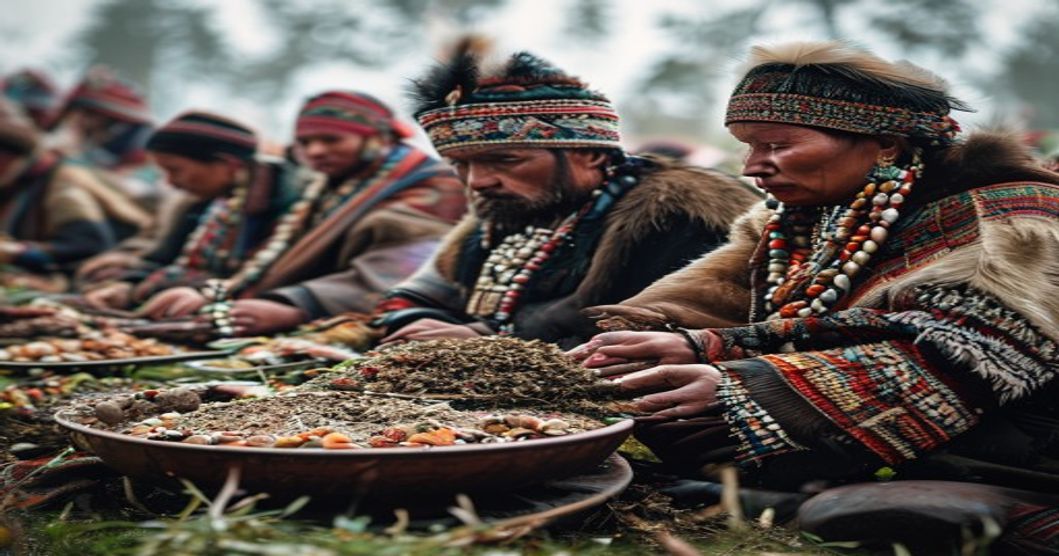
Comprehensive Guide to Funeral Customs and Mourning Practices in Sami Culture
The preparation phase initiates within hours of death, requiring designated family members to cleanse the body using heated birch water and linen cloths. Traditional attire consists of a gákti embroidered with regional color codes indicating clan affiliation and geographic origin. Silver chest fasteners function as spiritual talismans, while iron knives placed beneath the torso ward off malevolent entities during transit. Burial sites are strategically positioned away from active reindeer grazing routes and sacred sieidi formations to prevent ecological disruption and spiritual contamination.
- Body Preparation: Hands are crossed over the chest, and personal tools such as duodji knives or sewing awls accompany the deceased for practical use in the afterlife.
- Mourning Duration: Grief periods span forty days, during which survivors abstain from festive gatherings and maintain household fires to signal ongoing remembrance.
- Vocal Traditions: Joik performances follow strict tonal protocols, avoiding lyrical narration in favor of melodic abstraction that mirrors the deceased’s vocal frequency and life rhythms.
Post-interment ceremonies transition into structured communal phases where elders distribute preserved provisions including smoked reindeer heart, fermented milk, and juniper-infused tea. These offerings reinforce kinship networks while acknowledging the physical depletion experienced during mourning. Regional distinctions emerge across Sápmi’s ecological zones; coastal communities utilize driftwood coffins sealed with pine resin, whereas inland herding groups construct shallow turf mounds aligned with solar solstices. Contemporary adaptations integrate digital archiving of joik recordings and GPS-mapped burial coordinates to preserve spatial knowledge against land-use pressures. Modern practitioners emphasize intergenerational transmission through documented oral protocols rather than institutional memorials, ensuring ecological sensitivity remains central to ancestral veneration practices.
Ancestral veneration extends beyond the burial site through seasonal boundary markers established near waterways where spirits are believed to cross between realms. Family members conduct annual relocations of grave offerings during spring thaw, replacing weathered textiles with newly crafted items while reading natural omens like bird flight patterns or ice formation. This cyclical maintenance practice reinforces territorial stewardship concepts central to Sámi cosmology. Missionary influences introduced Christian epitaphs on wooden crosses in the nineteenth century, yet indigenous communities maintained parallel burial chambers where traditional fire rituals continued uninterrupted beneath surface structures.
Historical Foundations of Indigenous Death Rituals in Sápmi
Before the arrival of European missionaries, Sámi communities structured their approach to mortality around a deeply animistic worldview that treated death not as an end, but as a transition within the natural cycle. Pre-Christian Sápmi cosmology emphasized harmony with the landscape, where the deceased were believed to continue existing in a parallel realm accessible through sacred mountains, lakes, and reindeer migration routes. Funeral preparations were meticulously organized by community elders and ritual specialists known as noaidi, who facilitated the spirit’s passage through drum chants and symbolic offerings. Graves typically took the form of wooden log chambers or stone cairns, deliberately positioned near waterways or ancestral reindeer pastures to maintain spiritual connectivity.
- Grave goods reflected occupational identity and social status, including iron knives, hunting weapons, birch-bark containers, and portions of dried meat for sustenance in the afterlife.
- The body was washed with juniper water and wrapped in reindeer hides before being placed in a coffin carved from a single pine trunk, often sealed with resin to prevent rapid decomposition.
- Mourning periods dictated strict behavioral codes, including temporary suspension of reindeer herding activities and avoidance of fire-making near the homestead to protect the household spirit.
The seventeenth through nineteenth centuries introduced profound transformations as Lutheran authorities systematically suppressed indigenous rites across Norway, Sweden, and Finland. Missionary records document the confiscation of ritual drums and the prohibition of joik performances directed toward the dead, forcing Sámi families to adapt burial timelines and modify grave orientations to align with European ecclesiastical standards. Despite external pressure, syncretic practices persisted in remote mountain communities, where Christian funeral masses were performed alongside traditional spirit-guiding songs and selective preservation of ancestral burial markers. Modern archaeological surveys across Tromsø, Finnmark, and Lapland reveal stratified grave layers that capture this historical negotiation between enforced religious conversion and resilient cultural memory. Traditional Sámi death rituals gradually incorporated European architectural elements into wooden chapels while retaining core cosmological principles, demonstrating how indigenous knowledge systems adapted under colonial administration.
Spiritual Beliefs Governing the Transition Between Life and Afterlife
The Sami worldview fundamentally perceives death not as an endpoint but as a spatial transition across ecological boundaries. Central to this understanding is the concept of sieidi stones and sacred natural sites that function as portals between the physical realm and the ancestral domain. Traditional Sami cosmology divides existence into three horizontal layers: the upper world governed by celestial deities, the middle world of human activity, and the lower world inhabited by water spirits and subterranean forces. Death initiates a journey through these strata, guided by ritual specialists known as noaidi who historically performed drumming ceremonies to map the spiritual pathway across frozen landscapes and dense boreal forests.
- The deceased soul requires careful navigation away from familiar hunting grounds and reindeer trails to prevent territorial confusion.
- Prolonged exposure of the body or failure to perform immediate boundary rituals risks trapping the spirit in a liminal state, manifesting as restless phenomena or ecological imbalance within the community.
- Traditional protocols dictate that personal belongings undergo systematic redistribution: iron tools are ritually cut or buried near dwelling sites, while reindeer harnesses and ceremonial drums face specific disposal routes determined by clan lineage.
- Ritual specialists monitor celestial indicators during burial preparations
Step by Step Execution of Traditional Sami Burial Rites
The preparation of the deceased begins immediately after death, with family members washing and dressing the body in clean linen or reindeer hides. The orientation of the grave typically follows an east-west alignment, reflecting ancient cosmological beliefs about the sun’s journey and the soul’s passage. Graves are excavated in natural elevations or near sacred water sources, areas historically reserved for spiritual communication. Before interment, a noaidi or elder may place small wooden charms, dried herbs, and personal tools alongside the body to support the deceased during their transition.
- Body Preparation: The corpse is cleansed with cold water and dressed in garments reflecting social status, often featuring intricate duodji patterns or silver ornaments denoting clan affiliation. Tools such as knives, fire starters, and reindeer antler pieces are positioned to sustain the spirit’s journey.
- Grave Site Selection: Families consult seasonal reindeer migration routes and ancestral landmarks to identify a location that harmonizes with natural cycles. Stone cairns or carved wooden markers frequently denote the burial plot, ensuring future generations can locate and honor the site.
- Ritual Chanting: A traditional joik is performed at the graveside, not as a lament but as a navigational guide for the spirit. Vocal techniques mimic wind patterns, bird calls, and reindeer movements to create an acoustic bridge between the physical and spiritual realms.
- Interment & Marking: The body is lowered carefully, accompanied by offerings of dried fish, reindeer fat, or bread. Over time, wooden poles wrapped in red cloth or iron rings are added to mark generations and preserve ancestral memory.
Mourning protocols require strict behavioral adjustments. Household mirrors are covered, hearth fires are maintained without interruption, and participants temporarily cease reindeer herding activities to honor the liminal phase between worlds. After seven days, families convene for a communal meal where narratives of the deceased’s skills, journeys, and community contributions are recounted aloud. This oral transmission reinforces kinship networks and ensures cultural continuity across generations. Regional variations persist across North, Lule, South, and Inari Sami territories, with coastal groups incorporating fishing implements while inland communities prioritize reindeer-related artifacts. Archaeological excavations in Finnmark and Troms counties confirm that grave goods consistently include iron nails, wool textiles, and ceramic shards dating to the pre-Christian period, validating oral historical accounts of intentional material provisioning.
Ritual Preparation of the Deceased and Sacred Object Placement
The ritual preparation of the deceased in traditional Sami communities followed a deeply structured sequence rooted in ancestral cosmology. Family members washed the body with reindeer milk and spring water, symbolizing purification before the soul’s transition. The individual was then dressed in a complete gákti, carefully aligned with regional patterns that denoted clan affiliation and social standing. Hair was often braided or left loose depending on gender, and facial features were left exposed to facilitate recognition by ancestral spirits. The body rested on reindeer hides inside a simple wooden coffin or wrapped in birch bark, positioned with the head facing east toward the rising sun, a directional alignment believed to guide the deceased toward the realm of the dead.
- Personal Tools: Knives, awls, and reindeer-hoof handles were placed in the hands or leather pouches to assist the soul in navigating the afterlife terrain.
- Sacred Drums (Gievku): While full drums were rarely buried due to their ongoing ritual use, smaller symbolic representations or drum fragments sometimes accompanied high-status individuals.
- Antler and Bone Amulets: Carved reindeer antlers, bear claws, and raven feathers served as protective talismans, reinforcing the deceased’s connection to natural forces.
- Vessels and Sustenance: Wooden bowls, copper kettles, and dried meat provided spiritual nourishment for the journey across water and mountain passes.
Sacred object placement followed strict spatial protocols. Burial sites frequently intersected with sieidi formations, where natural rock outcrops functioned as permanent anchors for communal spirit veneration. Archaeological excavations at Veberg and Skibotn confirm that grave goods were arranged in concentric patterns mirroring seasonal migration routes. The orientation of items corresponded to lunar phases during interment, ensuring alignment with cyclical time rather than linear chronology. Community elders chanted joik melodies throughout the arrangement process, each phrase mapping a segment of the soul’s passage through the underworld landscape. Christianization gradually altered these practices, yet regional variations preserved core elements through oral transmission and material continuity. Contemporary memorial sites often reconstruct these spatial arrangements using historically documented layouts, maintaining functional integrity while adapting to protected heritage frameworks.
Community Gathering Protocols and Vocal Mourning Traditions
The organizational structure surrounding Sami funeral assemblies operates on deeply ingrained kinship networks and mutual aid systems that prioritize collective responsibility over individual grief management. When a death occurs within a siida, neighboring households automatically assume logistical duties, eliminating the need for formal arrangements. Elders coordinate spatial protocols around the deceased’s dwelling, designating specific zones for kinship groups while maintaining clear boundaries between active mourning areas and preparatory spaces. This architectural division ensures that ceremonial workflows remain uninterrupted despite emotional intensity.
Logistical frameworks emerge through established reciprocity patterns rather than institutional coordination. Food provision follows strict seasonal availability rules, with preserved meats, cloudberries, and flatbreads distributed according to household capacity. Younger community members handle transport arrangements for burial site access, while women traditionally manage the domestic sphere surrounding the deceased. These role distributions prevent operational bottlenecks during critical preparation windows.
- Kinship verification determines seating hierarchies and speaking order during assembly phases
- Food distribution cycles operate on twelve-hour rotation schedules to sustain continuous presence
- Spatial boundaries shift dynamically as burial preparations progress toward the final departure point
Vocal mourning expressions within Sami tradition function as structured emotional conduits rather than spontaneous outbursts. Lamentation techniques employ controlled vocal fry, descending melodic intervals, and rhythmic breath patterns that align with traditional joik phonetic structures. The practice transforms raw grief into culturally recognized acoustic signals that other community members instantly interpret. Regional variations dictate whether lamentations incorporate spoken narrative segments or remain strictly tonal, yet both methods maintain consistent pacing aligned with seasonal ecological rhythms.
The integration of vocal mourning with communal gathering protocols creates a feedback loop where acoustic expressions guide logistical adjustments. When lamentation intensity increases during specific assembly phases, nearby kin automatically modify their physical positioning to provide acoustic framing rather than verbal interruption. This synchronized response pattern ensures that emotional processing occurs within established ceremonial boundaries while maintaining operational continuity for burial preparations. Contemporary adaptations preserve these structural elements even when incorporating modern religious frameworks.
Regional Distinctions in Sámi Memorial Customs Across Borders
The Sámi homeland spans four sovereign states, and this geographic fragmentation naturally shaped distinct mourning traditions that reflect both environmental constraints and state religious policies.
In Norwegian Finnmark and Troms, Lutheran state church regulations historically dictated burial timing and cemetery placement. Reindeer-herding communities often coordinated funeral schedules around calving seasons, resulting in delayed interments that respected animal husbandry cycles. Personal items like duodji crafts were frequently placed on graves as enduring markers of craftsmanship lineage.
Swedish Sápmi maintained stronger continuity with siida-based mourning structures. Communities in Norrbotten and Västerbotten traditionally gathered for extended wakes where joik performances served as vocal tributes rather than mere entertainment. The rhythm and melody of these songs directly mirrored the deceased’s role within the community, whether as a hunter, reindeer herder, or knowledge keeper.
Finnish Sámi regions exhibited a different syncretic pattern. Lutheran practices merged with older wake traditions that emphasized communal food sharing and overnight vigil keeping. In some areas, particularly near traditional border crossings, mourners incorporated bread offerings on wooden crosses to honor ancestral routes used during seasonal migrations.
The Russian Kola Peninsula presents the most pronounced deviation. Soviet secularization policies nearly erased indigenous mourning rites, yet remote reindeer camps preserved fragmented customs through oral transmission. Contemporary revival efforts blend Orthodox funeral timing with traditional stone cairn construction and reindeer antler grave markers.
- Norwegian Sámi communities increasingly conduct rites in Northern Sámi despite official church records remaining in national languages.
- Swedish regions maintain strict bilingual documentation for all memorial permits and monument approvals.
- Finnish areas prioritize South Sámi phrasing during elder-led ceremonies and wake gatherings.
Cross-border Sámi networks actively standardize certain ritual elements through annual cultural councils, yet local authorities still regulate burial plots, cremation permits, and monument approvals according to municipal statutes. These administrative boundaries create practical divergences in how mourning periods are observed, though the underlying philosophy of honoring seasonal transition and communal continuity remains consistent across all territories. Modern adaptation strategies now include digital memorial archives where diaspora Sámi upload joik recordings and photograph grave sites, ensuring geographic dispersion does not fracture cultural memory. Additionally, cross-regional funeral committees coordinate travel logistics for mourners crossing national checkpoints, while environmental agencies grant temporary exemptions for traditional reindeer burial grounds near grazing territories.
Northern Sámi Reindeer Pastoral Burial Practices
Traditional Northern Sámi burial rites evolved alongside the seasonal rhythms of reindeer herding, reflecting a profound ecological interdependence that dictated both material preparation and spiritual protocol. When a community member passed away, immediate preparations involved harvesting birch bark, splitting pine planks, and curing reindeer hides to construct a lightweight coffin or wrapping bundle. The deceased was dressed in garments woven from wool and reinforced with supple reindeer leather, ensuring thermal protection during the transition period. Historically, pre-Christian Northern Sámi communities avoided prolonged ground interment due to permafrost conditions and animistic beliefs that regarded the soil as a sacred, living entity requiring preservation. Bodies were instead positioned within natural rock overhangs, elevated wooden scaffolds, or modified transport sleds aligned with established migratory corridors utilized by the herd. These sites were deliberately chosen to mirror traditional pasturing routes, symbolizing the deceased’s ongoing oversight of seasonal livestock movements.
Mourning protocols followed a highly structured sequence led by elder women who performed kuolá, a rhythmic vocal lamentation characterized by descending melodic patterns and synchronized pacing around the residential structure. Immediate family members observed temporary dietary restrictions, abstaining from reindeer milk and smoked meat while consuming only dried lichen and wild berries. Community assemblies featured detailed recitations of the deceased’s expertise in calving supervision, weather navigation, and antler management. Memorial offerings consistently included split antlers, hand-forged copper rings, and preserved Arctic char placed at designated boundary markers to stabilize spiritual energy during the forty-nine day transitional phase. Following nineteenth-century Lutheran integration, standardized grave markers replaced earlier wooden effigies, yet pastoral communities preserved directional alignment toward historic calving zones and embedded reindeer metacarpal fragments within soil layers. Modern Northern Sámi funeral arrangements frequently merge archival documentation with these ancestral frameworks, ensuring that reindeer husbandry knowledge remains operationally intact within contemporary mourning structures.
- Coffin Construction: Artisans utilized only locally sourced spruce and pine, employing interlocking joinery techniques that prevented moisture intrusion in humid tundra environments while allowing rapid decomposition after secondary rites.
- Soul Navigation: Traditional noaidi practitioners cast reindeer shoulder blades for divination, interpreting fracture patterns to verify the deceased’s readiness to cross the symbolic river of death described in regional oral epics.
- Site Maintenance: Descending generations returned annually to clear encroaching vegetation, replace weathered wooden plaques, and deposit fresh sphagnum moss, maintaining ecological equilibrium between burial grounds and adjacent grazing territories.
Southern Sámi Christian Syncretism and Modern Grave Maintenance
The integration of Christian theology with indigenous Southern Sámi spiritual frameworks emerged primarily during the seventeenth through nineteenth centuries, when missionary expansion systematically replaced traditional noaidi rituals. This theological merger did not erase pre-Christian cosmology but rather layered it beneath orthodox symbolism. Grave markers originally functioned as transitional thresholds between the living and the ancestral realm, a concept preserved through the placement of flat stones and wooden crosses that echo ancient boundary markers.
Contemporary grave maintenance reflects this dual inheritance. Families traverse considerable distances during autumn and spring to clear moss, prune encroaching birch foliage, and repair weathered timber structures. The practice extends beyond physical upkeep into structured remembrance periods, where communities gather at burial sites to share oral histories, distribute traditional foods like reindeer meat and cloudberries, and recite prayers that blend Lutheran hymns with ancestral invocations.
- Structural preservation: Replacement of deteriorating timber frames using historically accurate joinery techniques
- Vegetation management: Selective clearing of invasive species while retaining native lichen and dwarf shrubs that stabilize soil
- Symbolic placement: Arrangement of carved antler fragments, woven grass bundles, and iron nails that reference historic trade routes
Modern maintenance protocols also incorporate municipal guidelines for cemetery preservation while retaining culturally specific markers. Climate shifts have altered seasonal access patterns, prompting adjusted visitation schedules and the adoption of drought-resistant plantings around interment plots. Urban migration has fragmented traditional care networks, leading to cooperative grave-keeping agreements among diaspora families and digital memorial archives that document site conditions. Cultural revitalization initiatives now fund restoration projects that align archaeological accuracy with living tradition, ensuring that structural interventions respect both historical integrity and contemporary spiritual requirements.
The ongoing negotiation between institutional cemetery management and autonomous Sámi burial rights continues to shape how heritage is physically maintained across southern Norway and Sweden. Municipal authorities increasingly collaborate with local heritage councils to standardize preservation methods while allowing flexible interpretation of symbolic elements. This coordinated approach sustains both the ecological balance of burial landscapes and the continuity of intergenerational memory practices.
Contemporary Challenges and Preservation of Indigenous Death Traditions
The preservation of Sami funeral customs faces direct pressure from rapid societal shifts across Northern Europe. Urban migration has fractured traditional kinship networks that historically coordinated mourning periods lasting weeks. Younger generations increasingly adopt standardized Christian or secular burial protocols due to institutional requirements in municipal cemeteries and healthcare systems. These external frameworks often restrict the use of reindeer hides, natural wood structures, and prolonged silence rituals that defined ancestral grief processing. Language attrition compounds the issue. When terms describing spiritual transitions, seasonal burial windows, and specific mourning garments fall out of daily vocabulary, ritual accuracy degrades rapidly. Administrative documentation in national languages further distances families from their own ceremonial lexicon.
Preservation initiatives now operate through decentralized community networks rather than centralized institutions. Elders collaborate with cultural centers to record oral histories detailing pre-Christian mourning sequences, seasonal restrictions on grave visits,
Legal Regulations and Religious Intersections in Modern Funeral Planning
Funeral planning within Sami territories operates under distinct national statutes that govern burial permits, cemetery jurisdiction, and environmental compliance. In Norway, the Church Act and Local Government regulations dictate that all interments require municipal approval, while cremation mandates documentation from the National Registry. Sweden enforces similar protocols through Public Health Agency guidelines and county administrative boards, requiring explicit authorization for land use in both secular and indigenous cemeteries. Finland’s burial legislation demands health authority clearance for grave sites and restricts non-cremated interments to designated municipal plots. These statutory frameworks establish the baseline for legal compliance, yet they frequently intersect with indigenous rights frameworks that protect Sami spiritual practices. The Swedish Constitution recognizes Sami pastoral rights under Article 6, which indirectly influences cemetery allocation in reindeer herding districts. Norwegian law incorporates the Finnmark Act provisions, allowing Sámi municipalities to manage ancestral burial grounds alongside state oversight. Finnish legislation similarly acknowledges Sami cultural preservation through the Minority Language Act and environmental impact assessments that require consulting local Sámi parliaments before developing new memorial sites.
Religious dimensions complicate modern funeral planning because historical Christianization continues to shape institutional expectations. Lutheran churches in Scandinavia traditionally controlled cemetery operations, requiring congregational membership for plot ownership. Contemporary legal reforms have decoupled property rights from religious affiliation, yet ecclesiastical approvals remain standard for traditional rites. Modern planners must secure dual authorization: secular permits from municipal health departments and spiritual clearance from regional church councils or independent Sami faith coordinators. The intersection becomes visible during service preparation where joik lamentations, reindeer hide arrangements, and earth lodge vigils coexist with hymn singing and scripture readings. Legal frameworks protect religious expression under constitutional free exercise clauses, but practical implementation demands coordination between civil registrars, cemetery administrators, and indigenous spiritual leaders. Documentation requirements now include cultural impact statements for families requesting non-standard mourning rituals. Environmental regulations further dictate material usage, prohibiting synthetic offerings in protected landscapes while permitting natural materials approved by regional conservation authorities. Funeral directors navigate this regulatory landscape by mapping jurisdictional boundaries, obtaining cross-agency permits, and integrating legal compliance with culturally specific mourning timelines.
- Municipal death registration within 24 hours across Scandinavian jurisdictions
- Cemetery board approval for ancestral land interments in Sápmi regions
- Ecclesiastical consultation for hybrid Lutheran-Sami service formats
- Environmental clearance for natural burial materials and site restoration
- Sámi Parliament advisory input on culturally significant memorial developments
Modern funeral planning requires precise alignment between statutory obligations and indigenous spiritual protocols. Legal compliance ensures operational legitimacy, while religious intersections preserve cultural continuity. Planners must verify jurisdictional requirements before scheduling services, secure dual permits for site preparation, document all cultural modifications to standard procedures, and coordinate with both civil authorities and Sami faith representatives to guarantee lawful execution of mourning practices.
Oral History Documentation and Intergenerational Knowledge Transfer
The transmission of Sami funeral customs and mourning rituals relies fundamentally on spoken tradition rather than written records. Elders serve as living archives, preserving precise procedural knowledge through direct demonstration and verbal instruction during seasonal gatherings. These sessions occur in domestic spaces or community halls where participants observe the arrangement of burial items, the recitation of ritual chants, and the structured sequence of post-funeral observances. The preservation mechanism operates through repeated exposure, ensuring that terminology, timing, and symbolic gestures remain intact across generations.
- Elders guide younger members through cemetery maintenance periods and memorial meal preparation
- Ritual chants and regional mourning melodies are recorded using indigenous-led audio-visual equipment
- Seasonal assemblies provide structured environments for cross-generational verification of ceremonial details
Documentation efforts have evolved from early ethnographic fieldwork to community-controlled digital repositories. Indigenous researchers now lead recording projects that capture elders describing burial site selection, the role of reindeer herding traditions in mourning logistics, and the specific use of joik melodies during grief processing. These recordings undergo strict ethical review protocols before archiving, guaranteeing that sacred elements remain protected while still accessible for cultural education. Academic institutions frequently partner with Sami parliaments to establish metadata standards that respect indigenous classification systems rather than imposing external taxonomies.
Intergenerational transfer functions through structured mentorship programs embedded within local schools and cultural centers. Younger participants learn by accompanying older relatives to burial grounds, assisting in the preparation of memorial offerings, and recording family narratives during winter assemblies. The process emphasizes active participation over passive observation, requiring learners to demonstrate comprehension before receiving advanced ceremonial responsibilities. Language preservation remains inseparable from this transfer, as mourning vocabulary in North, South, and Inari Sami dialects carries nuanced emotional concepts that resist direct translation.
Modern preservation strategies incorporate adaptive frameworks that address demographic shifts and geographic dispersion. Digital storytelling platforms now host interactive timelines mapping regional variations in mourning duration, burial orientation practices, and seasonal restrictions on grave visits. Community archivists prioritize recording elders who possess specialized knowledge of pre-Christian syncretic elements integrated into contemporary observances. These initiatives maintain rigorous verification processes where multiple knowledge holders cross-reference accounts before publication, preventing historical distortion while ensuring documentary accuracy for future generations.
Frequently Asked Questions
What is Funeral Customs and Mourning Practices in Sami Culture?
In Sami culture, funeral customs and mourning practices are deeply rooted in ancestral traditions, nature reverence, and community solidarity. Traditionally, the deceased were buried with personal belongings, reindeer meat, and tools to aid them in their journey. Joik (Sami chanting) was often performed by mourners to honor the departed’s spirit, while specific taboos regarding naming the dead or using fire near burial sites were observed to protect the living.
Key facts about Funeral Customs and Mourning Practices in Sami Culture
Key facts include: 1) Burial typically occurred shortly after death, often at designated sacred sites near the siida (Sami settlement). 2) The body was wrapped in reindeer skins or birch bark. 3) Mourning periods involved strict behavioral codes, including silence and avoidance of normal social activities. 4) Modern Sami communities often blend traditional practices with Christian funeral rites due to historical assimilation policies.