Traditional Sami Fish Preservation Methods: A Complete Guide
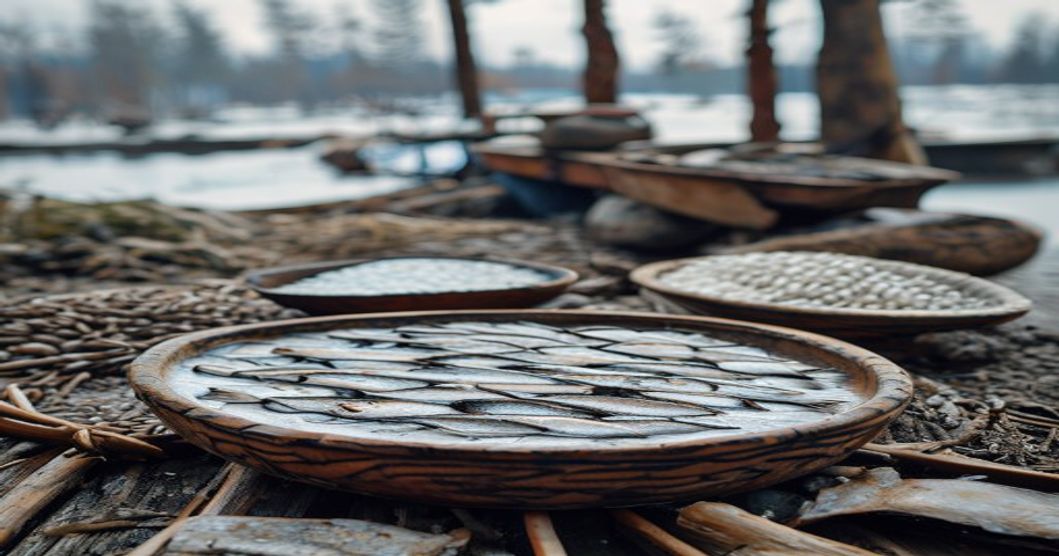
Living across the subarctic territories of Sápmi has historically demanded precise resource management, particularly for protein storage during winters that regularly drop below minus thirty degrees Celsius. Indigenous Sámi communities engineered localized fish preservation techniques that leveraged ambient climate conditions instead of imported chemicals or modern refrigeration. The foundational method involved air-drying fresh catches on elevated wooden racks built from spruce or birch. Craftsmen positioned these structures in wind-exposed valleys to accelerate moisture evaporation while avoiding direct solar radiation, which would oxidize marine fats and accelerate rancidity. Atlantic cod, Arctic char, and vendace constituted the primary species, with fillets arranged in controlled overlaps to maximize surface area exposure.
Smoking operated as a complementary preservation pathway, relying on low-temperature combustion over extended durations. Sámi practitioners deliberately combusted reindeer dung blended with dried moss and green spruce twigs to generate a dense, phenolic-rich smoke that penetrated muscle tissue without raising internal temperatures above eighty degrees Celsius. This thermal threshold preserved collagen integrity while establishing an antimicrobial barrier through natural aldehydes and acetic acid compounds. Practitioners monitored moisture reduction through tactile assessment and mass loss, typically halting the process once fish reached a thirty-two percent weight deficit.
- Autumn harvesting aligns with peak fat accumulation cycles in migratory fish populations.
- Drying frameworks are angled to intercept prevailing northerly winds while remaining shielded from snow drifts.
- Smoking chambers maintain consistent airflow through strategically placed ventilation gaps to prevent mold colonization.
- Finished products transition to subterranean root cellars or hang above sustained hearth fires for slow desiccation.
Natural freezing functioned as a critical intermediate phase before final drying. Fish were partially frozen on packed snow beds, then subjected to brief thaw cycles that allowed intracellular water to migrate toward the surface before renewed air exposure. Fermentation emerged in coastal Sámi settlements where glacial mineral runoff provided natural salt deposits. Layers of fish and crystalline minerals were compressed inside birch bark vessels, creating anaerobic conditions that activated lactic acid bacteria and drove pH levels below 4.5. This biochemical shift halted pathogen proliferation while developing concentrated glutamate profiles. The entire preservation cycle demanded generational transmission of environmental reading skills, with processing timelines dictated by ice thickness, wind velocity, and barometric pressure rather than standardized calendars.
Historical Roots of Sami Fishing and Food Storage
The Sami people established their fishing traditions across the subarctic and Arctic zones of Fennoscandia and the Kola Peninsula long before written records documented their practices. Relying on coastal fjords, freshwater lakes, and river systems, early Sami communities developed a deep ecological understanding of migratory patterns for Atlantic salmon, Arctic char, cod, and herring. The extreme seasonal shifts dictated a rigid calendar where spring thaws triggered intensive netting operations, while autumn focused on stock preparation before the permanent ice cover arrived. Natural geography shaped infrastructure; stone weirs were constructed across shallow channels to guide fish into wooden traps, and wind-permeable drying racks were positioned along exposed cliffs to maximize airflow during winter months.
Preservation emerged as a survival necessity rather than a culinary preference. Without refrigeration, communities leveraged ambient temperatures, solar radiation, and consistent winds to dehydrate or freeze protein sources for up to twelve months. Traditional methods included hanging salted cod on wooden frames until it reached complete desiccation, burying fermented fish in insulated ground pits lined with birch bark, and smoking trout over controlled alder and juniper fires to inhibit bacterial growth. Each technique required precise humidity monitoring and communal labor during peak processing windows.
- Air-drying on elevated wooden racks for long-term storage
- Natural freezing in snow caves or mountain shelters
- Salting in wooden barrels with locally harvested sea salt
- Smoking over slow-burning hardwood and aromatic shrubs
- Fermentation in sealed birch-bark containers
Historical trade networks expanded the economic value of preserved fish beyond subsistence. Sami traders exchanged dried cod and smoked salmon with Scandinavian farmers for grain, iron tools, and copper cookware along established winter routes across frozen tundra and taiga landscapes. Processing knowledge transferred through generational apprenticeship, where children learned knot tying, skinning techniques, and moisture assessment by observing elder practitioners during communal harvest seasons. The durability of preserved fish directly influenced settlement patterns, with permanent villages clustering near reliable spawning grounds and natural drying zones. This historical framework established a sustainable resource management system that balanced ecological limits with nutritional requirements across centuries of climatic variation.
Why Arctic Climate Demanded Unique Preservation Techniques
The Arctic environment imposes severe physiological and logistical constraints on food storage. Historically, the Sami people navigated these constraints through climate-adaptive preservation strategies that relied entirely on ambient environmental forces rather than artificial cooling. Temperatures frequently drop below minus twenty degrees Celsius, creating natural freezing conditions that halt bacterial proliferation and enzymatic degradation. This thermal stability allowed communities to process catches immediately after harvest and store them in unheated structures without spoilage. The permafrost layer further enabled underground storage pits where temperature fluctuations remained minimal throughout seasonal transitions.
Seasonal daylight extremes dictated processing schedules. During the polar night, continuous darkness combined with subzero winds accelerated moisture extraction from fish fillets. The Sami utilized this dry cold to produce wind-cured products that developed concentrated umami profiles while remaining shelf-stable for months. Conversely, summer melt periods required rapid intervention. Fish had to be split, salted, or fermented before temperatures triggered microbial breakdown. Ice caves and snow-melt channels served as natural refrigeration chambers where temperature control remained precise enough to prevent thawing yet cold enough to inhibit putrefaction.
Environmental constraints also shaped structural design choices. Storage buildings featured elevated floors to prevent ground moisture transfer, while thick reindeer-hide insulation maintained internal humidity levels optimal for slow curing. The absence of commercial salt routes historically necessitated reliance on air drying and fermentation, which introduced lactic acid bacteria that further lowered pH values and extended shelf life. These methods emerged not as cultural preferences but as direct responses to thermal limitations, resource scarcity, and the absolute necessity of maintaining caloric reserves during prolonged hunting seasons.
Climate-driven preservation required precise knowledge of microclimates. Slopes facing north retained frost longer, making them ideal for natural freezing racks. Coastal wind patterns provided consistent airflow that accelerated dehydration without compromising protein structure. Every technique functioned as an ecological adaptation, transforming environmental hostility into a reliable food security system. The resulting preserved fish maintained nutritional integrity while requiring zero external energy input, demonstrating how indigenous knowledge harmonized with atmospheric conditions to solve preservation challenges long before mechanical refrigeration existed.
Core Traditional Sami Fish Preservation Methods Explained
The Arctic climate dictated every stage of traditional Sami fish preservation, turning environmental constraints into highly effective food security strategies. Cold-air drying remains the foundational technique across Sápmi regions. Fish are gutted, scaled, and hung on wooden racks or birch frames where temperatures consistently remain below freezing. The desiccating polar winds extract moisture rapidly while inhibiting bacterial growth. This method relies on precise airflow management rather than artificial heat, allowing proteins to stabilize without denaturing. Salt is occasionally applied during initial preparation, but the primary preservation mechanism remains sub-zero dehydration.
Smoking introduces another layer of preservation through antimicrobial compounds and surface moisture reduction. Traditional Sami smokehouses utilize green birch, juniper branches, or dried peat as combustion sources. The resulting phenol-rich smoke penetrates muscle tissue, creating a protective barrier against oxidation and microbial spoilage. Fish are typically cold-smoked over extended periods, maintaining internal temperatures below ten degrees Celsius to prevent fat rendering while maximizing flavor compound absorption.
- Muscle preparation: Fillets or whole fish are cleaned thoroughly, often air-dried for twelve hours before smoking to form a pellicle that locks in moisture and captures smoke particles effectively.
- Fuel selection: Juniper wood releases natural terpenes that act as additional preservatives, while birch provides consistent heat output with minimal ash residue.
- Ventilation control: Strategic gaps in log walls regulate oxygen flow, ensuring complete combustion and preventing acrid creosote buildup on the fish surface.
Fermentation and subterranean storage represent alternative preservation pathways adapted to seasonal variations. Fish are layered with coarse salt and packed into wooden barrels or reindeer hide containers, then buried in snow pits or ice cellars carved into permafrost. Anaerobic conditions develop as temperature drops, triggering lactic acid bacteria activity that lowers pH levels sufficiently to halt pathogen proliferation. This biochemical shift preserves essential nutrients while developing characteristic umami compounds. Modern analysis confirms these traditional techniques retain up to ninety percent of original omega-3 fatty acids and vitamin D profiles, outperforming many industrial processing methods in nutritional retention.
Air Drying and Wind Curing on Wooden Racks
The Sami communities of northern Scandinavia historically engineered wooden drying structures to exploit ambient Arctic conditions rather than artificial heat sources. These racks, typically fabricated from untreated pine or birch timber, elevate fish fillets above frozen ground to maintain consistent airflow while preventing capillary moisture absorption. The structural design utilizes evenly spaced slats that expose both dorsal and ventral surfaces to prevailing winds, accelerating surface dehydration without triggering lipid oxidation. Direct solar radiation accelerates rancidity in fatty Arctic species, so installation patterns follow seasonal wind corridors rather than optimal sun exposure.
Microclimate management dictates the entire curing cycle. Subzero nighttime temperatures halt proteolytic enzyme activity while daytime thaws facilitate moisture migration toward the exterior. This continuous freeze-thaw rhythm concentrates structural proteins and trace minerals, producing a dense texture that withstands extended storage periods. The untreated wood itself contributes to preservation; natural pine resins contain terpenes that suppress mold colonization, though contemporary practitioners strictly avoid chemically treated lumber to prevent alkaline compounds from penetrating raw protein matrices.
- Air velocity optimization: Moderate breezes between ten and fifteen kilometers per hour maximize evaporation rates without forming a protective outer crust that traps internal moisture.
- Wind protection protocols: During storm events, fishermen deploy breathable wool or canvas shields over the racks to prevent mechanical surface damage while preserving continuous airflow.
- Moisture assessment techniques: Traditional indicators include clean muscle fiber separation and a translucent amber translucency rather than opaque white discoloration.
These wooden installations remain functionally superior because they adapt to localized topographical wind channels instead of forcing organic material into standardized chambers. The gradual dehydration process preserves omega-3 fatty acid profiles and heat-sensitive B vitamins more effectively than thermal alternatives, while simultaneously minimizing histamine formation through controlled moisture reduction. Modern food engineers continue studying these structures as low-energy preservation models that demonstrate how historical ecological adaptation aligns with contemporary nutritional science requirements.
Fermentation in Birch Bark Containers
The fermentation of fish within birch bark containers represents a highly refined preservation technique developed by the Sami over centuries in subarctic environments. Birch bark is harvested during late spring when sap flow peaks, allowing clean separation of the outer layers without damaging the cambium. The inner bark strips are cleaned, softened through soaking, and rolled or woven into cylindrical vessels that naturally conform to available fish sizes. This material choice is deliberate; birch bark contains betulin and quercetin, compounds with documented antimicrobial and antioxidant properties that complement the biological fermentation process.
Fish selection typically focuses on species caught during autumn runs, such as Arctic char or brown trout, which possess sufficient lipid content to withstand prolonged anaerobic conditions. The fish are scaled and gutted but rarely washed, preserving natural microbial inoculants required for consistent lactic acid fermentation. Layers of cleaned fish are arranged inside the bark vessel with occasional sprinklings of wild thyme or cloudberries, though many traditional recipes rely solely on the fish’s own enzymes and ambient microflora. Once filled, the bark is tightly folded and secured with flexible willow switches or sinew, creating an oxygen-depleted microenvironment that favors homofermentative lactic acid bacteria over spoilage organisms.
Biochemical transformation occurs rapidly once the vessel is buried in snow banks or stored in cool peat caves. Temperatures remain consistently near zero degrees Celsius for months, enabling slow glycolysis and protein hydrolysis without freezing the tissue. Lactic acid production drops the internal pH below 4.5 within fourteen days, halting pathogenic bacterial growth while proteolytic enzymes break down muscle fibers into free amino acids, particularly glutamate, which generates the characteristic umami profile. The bark acts as a semi-permeable membrane, regulating moisture exchange and preventing surface mold while allowing volatile compounds to mature.
- Harvesting occurs in May when bark adhesion is weakest
- Fish are layered whole or halved depending on vessel dimensions
- Sealing relies on mechanical pressure rather than modern adhesives
- Maturation spans six to twelve weeks before consumption
This method required precise timing, knowledge of local microclimates, and intergenerational oral transmission. Contemporary Sami artisans continue practicing the technique for cultural continuity, while food scientists study its microbial consortia for potential applications in natural preservation systems.
Salt-Free Brining and Boneless Filleting
Traditional Sami communities developed preservation techniques that relied entirely on local botanical resources and environmental conditions rather than imported salt. The process begins during the late autumn freeze when Arctic char or trout are harvested from glacial streams. Skilled practitioners immediately remove the spine, ribs, and lateral bone using hand-forged iron knives or reindeer antler tools, creating uniform fillets that dry evenly. This boneless preparation eliminates moisture traps, accelerates the curing cycle, and maintains structural integrity during subsequent processing.
Natural brining substitutes emerge from fermented birch bark strips, cloudberry leaves, and reindeer blood plasma rich in proteins and enzymes. These materials are layered between fillets in wooden troughs carved from fallen pine logs. The acidic pH level drops rapidly as tannins and organic acids penetrate the muscle tissue, denaturing proteins and inhibiting spoilage bacteria. Temperature regulation remains critical; practitioners maintain curing zones between two and five degrees Celsius by burying containers in snowpack or positioning them near geothermal vents that provide consistent warmth without cooking the flesh.
- Fillets undergo enzymatic breakdown for forty-eight hours, transforming texture into a dense, sliceable consistency.
- Birch bark tann
Essential Tools, Materials, and Natural Ingredients
Traditional Sami fish preservation relies heavily on specialized wooden structures and natural environmental conditions rather than synthetic additives. The primary apparatus consists of vertical drying racks constructed from untreated spruce or pine, designed to maximize airflow while protecting the catch from ground moisture. These racks are typically elevated three feet above the snowline to utilize cold air circulation without direct contact with thawing ice. Iron hooks forged by local blacksmiths secure each fish firmly, allowing gravity to drain excess fluids during the initial dehydration phase.
- Drying Structures: Open-air wooden frames built from split timber planks ensure consistent wind exposure. The spacing between slats prevents overlapping shadows and promotes uniform moisture evaporation across every surface.
- Snow & Ice Containers: Shallow trenches lined with birch bark function as natural refrigeration units. Layers of compacted winter snow maintain sub-zero temperatures during early fermentation stages, slowing bacterial growth while preserving enzymatic activity.
- Smoking Chambers: Low-ceilinged huts constructed from woven willow and reindeer hides channel smoke generated by slow-burning peat or dried alder roots. The controlled
Selecting the Right Wood and Fish Species
Traditional Sámi preservation techniques depend on precise material matching between local timber resources and regional fish stocks. Birch (*Betula pubescens*) remains the primary fuel source across northern workshops due to its minimal resin output, which prevents acrid smoke deposition on delicate muscle fibers. When birch is unavailable, processors turn to spruce (*Picea abies*), though they meticulously remove outer bark layers to eliminate sap interference that accelerates fat oxidation. Juniper (*Juniperus communis*) serves a specialized function, introducing natural terpenes that suppress spoilage microorganisms in humid fjord environments. Regardless of species, timber must undergo twelve to eighteen months of controlled seasoning, dropping moisture content below nineteen percent to guarantee steady smoldering and prevent thermal shock during the initial curing phase.
Fish selection follows strict seasonal and biochemical criteria. Arctic char (*Salvelinus alpinus*) dominates inland preservation cycles because its balanced lipid profile absorbs phenolic compounds evenly without producing rancid off-notes. Autumn-harvested brown trout (*Salmo trutta*) offers comparable results when processed immediately after spawning migrations, while vendace (*Coregonus albula*) requires accelerated air-drying due to its high intracellular water content and thin fillet structure. Coastal Sámi communities occasionally incorporate Atlantic cod (*Gadus morhua*), though this species demands extended desiccation periods before smoking to prevent surface mold colonization. Fillets undergo precise scoring at two-centimeter intervals, allowing brine migration while preserving connective tissue integrity during suspended hanging. Artisans routinely test wood readiness by striking branches together; a sharp crack confirms adequate moisture reduction, whereas a dull thud signals residual sap that will contaminate the cure.
- Wood-to-fish pairing logic: Dense rowan (*Sorbus aucuparia*) generates higher combustion temperatures suitable for thick cod portions, whereas cured birch chips provide gentle smoke diffusion ideal for delicate char slices.
- Environmental timing: Inland processors prioritize cold-smoked vendace during summer months when ambient humidity supports gradual dehydration, while coastal groups schedule winter trout curing to align with naturally suppressed bacterial growth rates.
- Quality control markers: Successful preservation yields a uniform mahogany surface, firm yet pliable texture, and distinct wood-derived aroma that indicates proper phenol integration without over-curing or fat separation.
Role of Birch Bark, Reindeer Antler, and Rawhide
The Sami preservation ecosystem operated through a tightly integrated material cycle where each component addressed specific biological and environmental degradation factors. Birch bark functioned as the primary chemical and physical barrier due to its high concentration of betulin and condensed tannins, compounds that actively suppress microbial proliferation and lipid oxidation. When layered over gutted cod or trout, the bark’s hydrophobic lignin matrix prevented moisture reabsorption while permitting controlled vapor exchange during the initial curing phase. This natural desiccation environment accelerated surface drying without triggering protein denaturation, preserving texture and nutritional integrity throughout long winter storage periods.
Reindeer antler supplied the indispensable tooling infrastructure required for precise tissue separation and fiber management. The material’s dense Haversian canals and mineralized collagen structure allow heat-forming techniques that yield edges capable of maintaining micro-abrasion resistance against frozen flesh and cartilage. Traditional craftsmen utilized steam bending and stone grinding to produce scraping blades, gutting awls, and filleting wedges that resisted chemical breakdown from fish oils and ambient brine. This corrosion immunity eliminated the need for frequent tool replacement, ensuring consistent hygiene standards during multi-stage processing workflows.
Rawhide completed the preservation network by functioning as a dynamic moisture regulator and structural scaffold. Through repeated wetting, scraping, and tension-drying processes, hide collagen fibers cross-linked into a semi-permeable membrane that actively wicks surface humidity from salted or air-dried catches while preventing anaerobic bacterial colonization. These cured hides were routinely stretched across spruce frames to elevate fish above frozen ground, eliminating contact with soil-borne contaminants and optimizing airflow during freeze-drying cycles. The material’s inherent thermal mass absorbed rapid temperature shifts in subarctic environments, maintaining stable internal conditions that modern polyethylene containers cannot replicate without artificial insulation. Archaeological excavations across Fennoscandia consistently recover birch bark fragments with preserved fish scale impressions, confirming continuous application from the late Iron Age through the medieval period. Similarly, antler tool wear patterns demonstrate systematic edge maintenance rather than disposable use, highlighting an economic model built on material longevity rather than replacement.
Regional Variations Across Sami Territories
The Sámi homeland spans four modern nations, creating distinct microclimates that directly dictated local fish preservation techniques. Along the Norwegian Atlantic coast, where winter temperatures rarely drop below freezing, communities developed wind-drying systems using elevated spruce racks. The constant sea breeze and low humidity accelerated rapid moisture extraction from cod and saithe, producing stockfish without any salt or heat application. Inland Sápmi regions experienced prolonged sub-zero periods, forcing a shift toward fermentation and cold smoking. Practitioners utilized birch bark linings to separate fish from pine ash, controlling smoke density while preventing direct carbon contamination.
- Finnish Lapland: Relied on harvested ice and insulated earth cellars where temperatures stabilized near minus fifteen degrees Celsius. Fish were layered with juniper branches containing natural terpenes that suppressed spoilage bacteria and extended shelf life during long winters.
- Swedish Mountain Districts: Employed high-altitude wind tunnels carved into solid bedrock. These natural ventilation channels maintained consistent airflow throughout summer thaws, enabling partial salting followed by accelerated air-drying cycles.
- Russian Kola Peninsula: Integrated Orthodox brine methods with indigenous drying practices. Fishers combined coarse sea salt with dried lingonberry powder, leveraging the fruit’s malic acid to lower pH levels and inhibit microbial growth while preserving traditional flavor profiles.
Each territory optimized preservation around locally available timber, wind patterns, and seasonal freeze-thaw cycles. Coastal groups maximized solar radiation and exposure, while forest-dwelling communities controlled humidity through strategic pit depth and reindeer hide insulation. These environmental adaptations demonstrate how geographic isolation directly shaped technological innovation in pre-industrial food systems.
Differences Between Inland, Coastal, and Fjord Communities
The geographical fragmentation of Sami territories fundamentally shaped how each group approached fish preservation, driven by distinct climatic conditions, resource availability, and historical trade access. Inland settlements, isolated from maritime routes, relied heavily on freshwater species such as Arctic char and trout. Limited salt supplies historically necessitated techniques that maximized nutrient retention while minimizing reliance on external inputs. Communities developed natural freeze-drying practices, utilizing sub-zero winter temperatures to extract moisture rapidly through capillary action, followed by storage in insulated root cellars lined with reindeer moss and packed with dry lichen. Capillary action and crystalline ice formation created porous tissue structures that prevented microbial degradation without compromising protein integrity. These methods prioritized long-term caloric efficiency during extended polar nights.
- Coastal populations operated within dense trade networks that facilitated consistent salt imports. This access enabled large-scale salting and controlled fermentation processes for cod and herring. Fish were typically split, heavily brined, and aged on elevated wooden racks exposed to persistent offshore winds. The resulting product achieved extended shelf stability while developing complex umami profiles through enzymatic breakdown, directly supporting seasonal export economies.
- Fjord-dwelling groups navigated complex microclimates where cold, moisture-laden air from deep water channels altered traditional drying timelines. Preservation strategies shifted toward humidity-resistant techniques. Fish were positioned in naturally ventilated rock shelters or suspended above heated hearths to balance moisture extraction without excessive salting. Fermentation occurred in tightly sealed birch-bark containers, leveraging controlled anaerobic environments to prevent spoilage during rapid tidal temperature fluctuations.
Environmental constraints dictated method selection across all three zones. Inland areas emphasized speed and cold retention, coastal regions optimized salt-based curing for commercial durability, and fjord settlements adapted moisture management through architectural micro-sites. Each approach reflects precise ecological calibration rather than arbitrary tradition. Documentary records and archaeological residue analysis confirm that these divergent practices emerged independently as adaptive responses to localized resource scarcity.
Cultural Significance and Seasonal Rhythms
Traditional Sami fish preservation operates in direct alignment with Arctic environmental cycles rather than arbitrary calendar dates. Food security depended entirely on timing natural resource availability with processing capabilities. Winter months provided the necessary subzero temperatures for rapid dehydration and long-term storage of Atlantic salmon, Arctic char, and vendace. Spring thaw dictated when preserved stocks could be transported across frozen fjords or traded at regional markets. Summer fishing seasons required immediate gutting and initial air-drying to prevent bacterial spoilage during warmer daylight hours.
Preservation techniques carried deep cultural weight beyond mere sustenance. Processing sites functioned as intergenerational learning spaces where elders demonstrated proper scaling, filleting, and hanging procedures. Knowledge transmission followed strict observational protocols rather than written instructions. The practice reinforced communal identity, with specific drying racks constructed from locally harvested pine or birch wood reflecting regional craftsmanship traditions. Spiritual respect for aquatic life remained embedded in ritualistic behaviors before casting nets, acknowledging the ecosystem’s reciprocity and ensuring sustainable harvest limits.
- Reindeer herding migration routes intersected with established fishing grounds, creating a dual subsistence economy that balanced protein sources across seasonal shifts.
- Traditional drying structures utilized natural wind patterns from mountain valleys to accelerate moisture extraction without artificial heat sources.
- Community roles divided by age and expertise ensured efficient workflow during peak harvest windows, with younger members handling net maintenance while experienced fishers monitored water temperature and migration timing.
Seasonal preservation cycles directly influenced historical trade networks across northern Scandinavia and Russia. Stockfish became a reliable currency during harsh winters when reindeer herding faced severe weather challenges. The timing of fish drying aligned with migratory patterns of prey species, ensuring sustainable harvest limits without depleting breeding populations. Modern ecological studies confirm that these traditional pacing mechanisms naturally prevented overfishing by restricting active harvesting to specific windows. Contemporary conservation frameworks increasingly reference these historical rhythms when developing Arctic fisheries management policies.
Festival Traditions and Community Sharing Practices
The preservation of Arctic char, salmon, and whitefish operates as a foundational mechanism for social cohesion during Sami seasonal festivals and communal gatherings. Historically, the onset of autumn freezing temperatures coordinated entire kinship networks around shared labor exchange systems. Participants constructed elevated drying racks known as ruoktu and established controlled smoking zones where precise environmental variables dictated preservation outcomes. Elders directed technical processes including salt application ratios, wind exposure durations, and specific wood varieties for cold smoking. These physical sites functioned simultaneously as production facilities and intergenerational classrooms. The resulting preserved proteins served as cultural currency during winter market festivals and mid-winter celebrations. Distribution followed strict reciprocity protocols rather than monetary exchange. Families traded dried fish across clan territories to reinforce political alliances, fulfill seasonal mutual aid obligations, and maintain kinship networks that proved essential during extreme weather periods.
- Barter Economics: Dried cod and smoked salmon functioned as standardized valuation units alongside reindeer antlers, woven reindeer-hide containers, and metal crafting tools during festival exchanges.
- Ritualized Consumption: Communal feasts featuring rehydrated stockfish or thawed preserved salmon marked official festival openings, symbolizing collective territorial knowledge and resource management expertise.
- Apprenticeship Frameworks: Youth participated through structured observational roles, acquiring both technical preservation skills and the ethical distribution principles governing seasonal harvests.
Contemporary Sami cultural festivals preserve this operational architecture while integrating modern food safety standards. Climate-regulated drying facilities now supplement traditional wind exposure methods, yet community feasts maintain historical distribution patterns that prioritize household equity over commercial profit. The continued practice demonstrates how preservation techniques function as active social infrastructure rather than historical documentation. Festival organizers deliberately structure participation to ensure knowledge transmission reaches younger demographics through hands-on preparation stations. Resource allocation during these events follows documented lineage claims, guaranteeing that preserved harvests return to originating families before broader community distribution. This structured reciprocity maintains ecological balance by preventing overharvesting while reinforcing intergenerational accountability.
Geographic variations influence festival timing and preservation techniques across Sami territories. Coastal communities emphasize salt-curing and hot smoking during early autumn gatherings, while inland groups rely on prolonged air-drying throughout winter months. Despite these regional adaptations, the underlying social mechanics remain consistent. Festival markets operate as extended kinship networks where preserved fish validate participation rights, establish trading relationships, and document seasonal resource availability. The practice continues to shape contemporary Sami identity by linking ecological stewardship with
Passing Down Knowledge Across Generations
Knowledge transfer within Sami communities operates through immersive, seasonal practice rather than formal documentation. Elders direct younger members along annual cycles that sync harvesting with precise ecological indicators. Spring ice collapse marks the onset of pike and vendace extraction. Autumn delivers clear skies and subzero nights, establishing optimal conditions for air-drying fish on elevated wooden racks. Children master environmental reading long before handling cutting tools. They track wind velocity, relative humidity, and ice fracture patterns to anticipate preservation windows.
Instruction occurs during active processing. Adolescents participate in scaling, gutting, and portioning fish using traditional bone or forged steel knives. They regulate smoke density when curing fish over heated reindeer wood fires. The technique requires exact temperature control to inhibit spoilage organisms while permitting enzymatic activity that generates distinct flavor compounds. Failed batches redistribute across households, reinforcing resource accountability alongside technical precision.
- Verbal guidance during processing replaces classroom instruction. Elders demonstrate grip angles for uniform slice thickness and calculate drying duration based on fish lipid levels.
- Seasonal phases dictate skill acquisition. Winter curriculum covers ice storage where fish wrap in birch bark and sink into compacted snow trenches. Summer training focuses on rapid fermentation inside sealed reindeer stomachs or carved wooden vessels.
- Ecological adaptation drives methodology. Practitioners monitor temperature shifts, photoperiod changes, and prey movement to adjust preservation schedules without mechanical sensors.
Modern continuity encounters climate disruption and demographic displacement. Elevated autumn temperatures compress effective drying periods. Unstable ice conditions degrade winter storage integrity. Communities counter these pressures by recording elder techniques through audio archives and field documentation while preserving active practice locations near historic fishing coordinates. Youth initiatives combine preservation training with language maintenance programs, keeping technical terminology embedded in daily exchange. Long-term survival requires continuous family engagement rather than static museum preservation.
Modern Applications and Sustainability Challenges
Traditional Sámi fish preservation techniques, historically engineered for subsistence in subarctic environments, now operate at the intersection of culinary innovation and ecological management. Contemporary food artisans and cultural institutions actively restore methods such as wind-drying whitefish on elevated pine racks, anaerobic fermentation of salmon using lingonberry extracts, and cold-smoking char over smoldering birch chips. These processes have transitioned from survival necessities to regulated heritage commodities. Modern facilities replicate historical microbial ecosystems through temperature-stabilized drying chambers and pH-monitored fermentation vats, ensuring compliance with international food safety protocols while preserving indigenous flavor compounds. Commercial distribution relies on direct-to-consumer networks and protected geographical indication frameworks that verify traditional processing windows and community harvesting rights.
The proteolytic breakdown during fermentation generates specific free amino acids and peptides that define regional taste profiles, requiring precise salt-to-fish ratios calibrated by generational experience rather than standardized formulas. Commercial scaling attempts often compromise these micro-environmental variables, leading to batch inconsistency and loss of terroir-specific characteristics. Supply chain transparency demands rigorous documentation of seasonal catch data, manual brining ratios, and open-air exposure durations unique to Sámi territories.
- Climate variability disrupts historical preservation timelines as warming river systems alter spawning migrations for arctic char, grayling, and vendace. Intermittent thaw events promote surface mold growth before moisture extraction completes.
- Regulatory friction emerges when industrial compliance mandates automated smoking tunnels and mechanical dehydrators, stripping the enzymatic development essential to authentic Sámi texture and aroma.
- Stock depletion forces processors to source alternative species lacking established curing profiles, while commercial quotas frequently exceed community harvest allocations.
Adaptive strategies include hybrid solar-drying structures, rainwater-harvesting humidity buffers, and blockchain-tracked catch logs that align indigenous monitoring with scientific stock assessments. Knowledge transmission remains the critical vulnerability; youth engagement programs now pair digital preservation archives with seasonal field apprenticeships, ensuring manual skill acquisition continues alongside ecological adaptation. Certification bodies increasingly require audited fermentation logs and raw material traceability, creating both market barriers and quality assurance benchmarks for independent Sámi producers. Long-term resilience depends on policy recognition of traditional ecological indicators, sustainable quota reallocation, and controlled commercial scaling that prioritizes method integrity over volume expansion.
Bridging Ancestral Techniques with Contemporary Food Science
The intersection of Sami fish preservation practices and modern food science reveals a systematic approach to moisture management and microbial control that predates industrial processing by centuries. Traditional methods such as wind-drying Arctic char or cod on wooden racks utilize natural convection currents to achieve precise water activity (a_w) levels below 0.65, a critical threshold that halts proteolytic enzyme activity and prevents pathogenic proliferation. Contemporary food engineers replicate these conditions using computational fluid dynamics to optimize airflow patterns while maintaining structural integrity of muscle fibers. The Sami practice of fermenting fish with wild thyme and birch bark introduces spontaneous lactic acid bacteria communities, which modern microbiome sequencing identifies as producing bacteriocins that suppress spoilage organisms like Pseudomonas and Shewanella. These natural antimicrobial peptides align directly with current regulatory demands for clean-label preservation systems.
- Enzymatic stabilization through controlled proteolysis mirrors modern hydrolysis techniques used in functional peptide development, preserving omega-3 fatty acid profiles while enhancing digestibility.
- Permafrost storage caches function as passive cold-chain infrastructure, reducing lipid oxidation rates by maintaining temperatures below -15°C without synthetic antioxidants.
- Smoke infusion using juniper and alder wood deposits phenolic compounds that act as natural radical scavengers, a mechanism now quantified through ORAC assays and validated in shelf-life extension studies.
Integration of these ancestral protocols into contemporary food manufacturing requires rigorous HACCP alignment and predictive microbiological modeling. Researchers isolate indigenous microbial strains to develop starter cultures that guarantee batch consistency while retaining traditional flavor matrices. Advanced analytical techniques such as gas chromatography-mass spectrometry map volatile organic compounds responsible for characteristic taste profiles, enabling replication without artificial flavoring agents. This convergence demonstrates how indigenous environmental adaptation provides scalable frameworks for reducing synthetic preservatives in global food networks. By quantifying historical preservation kinetics and mapping them against modern shelf-life prediction algorithms, food technologists can develop sustainable processing lines that meet international safety standards while preserving nutritional density and cultural authenticity. Process validation further relies on accelerated stability testing, where temperature cycling simulates decades of traditional storage in compressed timelines, confirming that microbial load remains within acceptable limits throughout extended distribution cycles.
Preserving Livelihoods in a Changing Arctic Environment
The Arctic ecosystem faces unprecedented shifts in temperature, ice cover, and marine biodiversity, directly impacting indigenous communities that depend on seasonal fish runs. Traditional Sami preservation techniques—air-drying, cold smoking, fermentation in sealed containers, and natural salting—serve as more than cultural artifacts; they function as critical economic buffers during periods of market volatility and ecological uncertainty. When commercial fishing quotas tighten or transport networks freeze prematurely, these time-tested methods allow households to convert perishable catches into storable commodities without relying on industrial refrigeration.
Climate adaptation through ancestral knowledge emerges as a practical survival strategy rather than a nostalgic practice. Communities that maintain drying racks along coastal ridges or utilize wind-powered smoke chambers can extend shelf life by months, securing winter food supplies and generating off-season revenue through regional trade networks. The financial stability derived from preserved fish reduces dependency on imported goods, which frequently face supply chain disruptions in remote northern municipalities.
- Economic diversification: Smoked trout and dried whitefish command premium prices in specialty markets, allowing families to offset declining traditional reindeer herding income.
- Energy independence: Solar-assisted drying racks and passive smoke houses operate without grid electricity, minimizing operational costs during power outages common in off-grid settlements.
- Biodiversity leverage: Preservation protocols adapted for multiple species ensure that shifting migration patterns do not collapse local food systems when target stocks decline.
- Cultural capital monetization: Workshops and documentary partnerships generate supplementary income while formalizing intergenerational skill transfer.
Local governance frameworks increasingly recognize these methods as climate-resilient infrastructure. Municipal grants now fund community preservation hubs that standardize hygiene protocols without compromising traditional techniques. Educational programs integrate field-based training with modern food safety certification, creating hybrid competencies that meet export requirements while maintaining authenticity. The continuity of these practices sustains social cohesion, as communal processing sites function as knowledge exchange centers where ecological observations, weather forecasting methods, and resource management strategies are simultaneously transmitted. Economic models built around preserved fish demonstrate how indigenous technical systems can operate concurrently with contemporary markets, providing a stable foundation for northern communities navigating environmental transformation.
“`html
Frequently Asked Questions
What is Traditional Sami Fish Preservation Methods?
Traditional Sámi fish preservation methods refer to the ancient techniques used by the indigenous Sámi people of northern Scandinavia (Sápmi) to preserve fish for long-term storage without refrigeration. These methods include air-drying, wind-curing, fermentation in acidic conditions, and smoking over open fires using locally sourced birch or pine wood. The most iconic method is “suovas” (smoked fish), where fish such as Arctic char, salmon, trout, and whitefish are hung in traditional wooden smoke houses (goahti) for days or weeks. Another well-known method is drying fish on wooden racks outdoors during the cold, dry winter months, allowing natural freezing and desiccation to preserve the flesh. These practices were essential for Sámi survival in harsh Arctic climates where fresh food was scarce for much of the year.
Key facts about Traditional Sami Fish Preservation Methods
- The Sámi have practiced fish preservation for thousands of years, relying entirely on natural environmental conditions.
- Arctic char and salmon are the most commonly preserved fish species in Sámi tradition.
- Suovas smoking involves a slow cold-smoking process that can last several days, imparting a distinct smoky flavor and extending shelf life for months.
- Fish is often dried on elevated wooden racks called “bierga” to protect it from ground moisture and animals.
- Fermented fish, known as “gáhkku,” is another traditional method where fish is stored in acidic birch bark or wooden containers to allow natural fermentation.
- These preservation methods are deeply tied to Sámi cultural identity and are still practiced today as a way of preserving heritage alongside modern techniques.
- The cold Arctic climate plays a crucial role, enabling natural freezing and air-drying without the need for artificial equipment.
“`