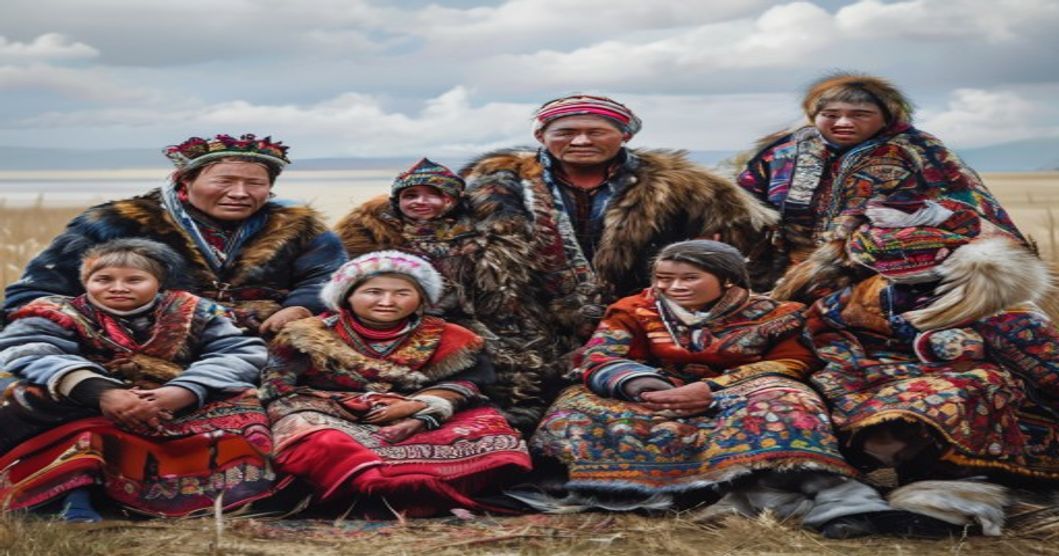
Historical Foundations of Sami Kinship Networks
The historical development of Sami kinship networks emerged from centuries of adaptation to Arctic and subarctic ecosystems. Traditional Sami social organization revolved around extended family units known as the sijdda or bija, which functioned as autonomous economic and administrative clusters. These groups operated through collective decision-making, where elders mediated disputes over grazing lands, fishing sites, and hunting territories. Kinship ties were not merely genealogical but deeply intertwined with territorial stewardship. Land was treated as a shared resource, managed through reciprocal obligations rather than private ownership.
Economic survival dictated the structure of these networks. Reindeer husbandry required coordinated movement across seasonal pastures, necessitating strict cooperation among relatives. Brothers and cousins often pooled labor for calving, branding, and migration routes. Fishing communities in coastal regions developed similar patterns, with kin groups controlling specific waterways and maintaining shared infrastructure like drying racks and storage facilities. Inheritance followed partible traditions, dividing assets among children while preserving the core family’s operational capacity. Marriage alliances frequently reinforced territorial claims, linking distant clans through strategic unions that expanded resource access and political influence.
Oral transmission served as the primary mechanism for preserving kinship knowledge. Sagas, joik melodies, and practical instructions encoded genealogical data, navigation techniques, and ecological calendars. Children learned clan histories alongside survival skills, ensuring continuity across generations. External interventions, including Norwegian, Swedish, Finnish, and Russian state policies from the nineteenth century onward, systematically disrupted these structures. Residential schools, land confiscation, and missionary campaigns attempted to fragment communal bonds. Despite legislative pressures, extended families maintained clandestine networks that facilitated cultural preservation and economic resilience during periods of forced assimilation.
- Sijdda organization established decentralized governance through kin-based councils.
- Seasonal migration routes required coordinated labor sharing among male relatives.
- Partible inheritance distributed property while maintaining operational family units.
- Oral genealogies preserved territorial rights and ecological knowledge across generations.
These historical foundations established kinship as the primary framework for resource allocation, conflict resolution, and cultural transmission. The durability of Sami extended families demonstrates how adaptive social structures can withstand systemic pressure while maintaining core functional relationships. Modern land claims and autonomous governance initiatives continue to reference these original network patterns, validating their enduring institutional significance.
Defining Multi-Generational Households Across Sami Regions
Multi-generational households in Sápmi operate as integrated economic and cultural units rather than conventional residential arrangements. Reindeer husbandry dictates household composition through seasonal migration cycles that require simultaneous labor for livestock tracking, pasturage management, and infrastructure maintenance. In Norwegian Finnmark and Troms municipalities, these dwellings typically consolidate a primary herding couple, adult children managing younger stock, and elderly members who monitor historical grazing routes. This configuration reduces operational costs in permafrost zones where foundation reinforcement and heating infrastructure demand shared financial burden.
Swedish Lapland presents distinct structural patterns influenced by state-regulated reindeer husbandry districts. Extended households cluster near cooperative processing facilities, enabling direct knowledge transfer through daily participation rather than institutional training. Grandparents maintain oral meteorological records and weather-reading techniques, while younger generations integrate GPS tracking, veterinary protocols, and digital herd documentation. This intergenerational alignment minimizes mortality rates during polar nights when temperatures drop below thirty-five degrees Celsius and wind speeds exceed eighty kilometers per hour.
Finnish Sámi regions demonstrate household variations shaped by municipal consolidation and land-use policies. In Utsjoki and Inari, extended families frequently combine herding operations with seasonal tourism, duodji craftsmanship, and local administrative roles. Shared childcare systems within these homes allow adults to attend grazing council meetings, language revitalization programs, and regional documentation processes without relocating children to distant boarding institutions.
- Infrastructure pooling eliminates redundant utility installations in remote terrain where municipal grid expansion remains economically unviable.
- Ecological literacy transfers through practical tasks including lasso training, reindeer branding, and snow-terrain navigation rather than standardized curricula.
- Pension supplementation stabilizes household cash flow during lean years, permitting younger members to pursue tertiary education while maintaining seasonal return patterns to ancestral homesteads.
Russia’s Kola Peninsula preserves the most compact multi-generational models due to historical land collectivization and restricted private property frameworks. These households function as self-sufficient economic units, integrating herding with subsistence fishing, moss harvesting, and seasonal timber processing. Contemporary market pressures have not dissolved these structures but transformed them into hybrid arrangements where statutory pensions offset traditional revenue fluctuations, ensuring continuity of language transmission, craft preservation, and territorial stewardship across shifting demographic landscapes.
Kinship Ties as the Core of Community Governance
The organizational framework of Sami society operates through decentralized networks where lineage and marriage alliances dictate administrative authority. Rather than relying on centralized institutions, community governance emerges organically from the siida, a cooperative unit composed of interrelated extended families. Leadership within these groups is not inherited through rigid primogeniture but granted based on demonstrated expertise in reindeer husbandry, ecological knowledge, and conflict mediation. Decision-making follows a consensus model where each household retains voting weight proportional to its contribution to shared resources, ensuring that power remains distributed across the kinship network.
Kinship protocols regulate access to grazing lands, calving grounds, and fishing waters through customary tenure systems passed down across generations. Family branches maintain historical records of seasonal migration routes, which are treated as collective property rather than individual assets. When environmental shifts or external pressures disrupt traditional patterns, kinship councils convene to negotiate resource reallocation. These assemblies operate under unwritten legal frameworks that prioritize ecological sustainability and intergenerational equity over short-term economic gain.
- Resource Allocation: Pasture rights are assigned through patrilineal and matrilineal lines, with extended families negotiating rotational access to prevent overgrazing and maintain herd viability.
- Conflict Resolution: Disputes over livestock boundaries or marriage contracts are mediated by elder kinship representatives who apply historical precedents and restorative justice principles rather than punitive measures.
- Crisis Management: Winter emergencies trigger automatic mobilization of kinship labor pools, with survival protocols enforced through reciprocal obligation and shared risk distribution across household units.
- Knowledge Transmission: Governance continuity depends on oral lineages that document land boundaries, herding techniques, and diplomatic agreements between neighboring siida groups, preserving institutional memory without written statutes.
Modern legal frameworks increasingly recognize these kinship-based systems, particularly through indigenous land rights legislation that validates customary governance structures. The endurance of this model stems from its adaptive capacity to integrate external regulations while preserving internal decision-making autonomy. Family networks continue to function as the primary administrative apparatus, translating ecological data and community priorities into actionable governance strategies without formal bureaucratic intermediaries.
Oral Traditions and Ancestral Knowledge Transfer
Within Sami kinship networks, the extended family operates as a continuous educational framework where ancestral knowledge remains anchored in daily practice rather than formal instruction. Elders function as living archives, transmitting survival strategies, ecological observations, and cultural protocols through direct observation and participatory learning. Children absorb information during reindeer rounding, snowshoe construction, fish smoking, and seasonal migration preparations, where every action carries encoded historical data. This immersive methodology ensures that technical precision and contextual judgment develop simultaneously, preventing knowledge fragmentation across generations.
The transmission process relies on highly structured yet flexible pedagogical patterns. Younger members first observe elders reading weather signs, tracking animal movements, and interpreting terrain features before participating in simplified tasks. As competence increases, responsibilities shift toward decision-making during critical operations such as calving season management or winter route selection. Knowledge domains include precise reindeer husbandry techniques, navigation by stellar alignment and wind patterns, identification of medicinal flora, and construction of climate-adaptive dwellings. Each skill category integrates practical execution with theoretical understanding, requiring learners to internalize both procedural steps and underlying ecological principles.
- Yoik performance serves as a mnemonic system encoding geographic locations, family histories, and seasonal cycles through melodic structure rather than linear narrative.
- Kinship-based mentorship assigns specific knowledge domains to particular relatives based on specialized expertise, ensuring comprehensive coverage of essential survival competencies.
- Ritualized storytelling sessions during long winter nights reinforce moral frameworks, conflict resolution methods, and historical precedents that guide contemporary family decisions.
Kinship networks maintain knowledge continuity through deliberate redundancy systems. Multiple family members across different age groups retain overlapping information, creating verification mechanisms that prevent single-point failures in transmission. When environmental conditions shift or external pressures disrupt traditional practices, extended families adapt by cross-referencing internal records while preserving core methodologies. This structural resilience explains why specific dialects, navigation techniques, and husbandry protocols persist despite centuries of assimilation policies and modernization pressures.
Sami Language Revitalization Within Domestic Spaces
Within Sami households, language preservation operates as a deliberate intergenerational practice rather than an incidental cultural artifact. Extended families function as primary linguistic ecosystems where North Sami, South Sami, Inari Sami, and Skolt Sami are actively maintained through structured daily interaction. Grandparents, parents, and older siblings routinely establish communication protocols that prioritize indigenous vocabulary over dominant regional languages. This intentional choice directly counters decades of state-sponsored assimilation policies that once penalized mother-tongue use in schools, administrative offices, and public institutions.
Daily domestic routines provide consistent exposure opportunities essential for linguistic retention. Meal preparation, reindeer husbandry coordination, seasonal migration planning, and traditional craft production all require precise terminology tied to landscape, weather patterns, and ecological knowledge. These lexical domains cannot be fully translated without losing operational accuracy, forcing families to retain original phrasing. Children acquire complex grammatical structures through contextual immersion rather than formal instruction, absorbing case inflections, verb conjugations, and noun classifications organically.
- Intergenerational Dialogue Protocols: Households establish explicit rules requiring Sami speech during specific tasks or time blocks, ensuring consistent practice without academic pressure.
- Eco-Linguistic Knowledge Transfer: Traditional ecological vocabulary related to snow conditions, vegetation cycles, and animal behavior remains intact through practical family discussions.
- Oral Tradition Integration: Joik performances, folktales, and historical narratives are recited at home, reinforcing phonetic patterns and syntactic complexity that formal education often overlooks.
Modern domestic spaces increasingly incorporate digital resources to supplement traditional methods. Families stream indigenous media, utilize language-learning applications developed by Sami cultural institutes, and participate in virtual storytelling sessions with geographically dispersed relatives. These adaptations maintain continuity while addressing urban migration patterns. The extended family network effectively becomes a decentralized linguistic infrastructure, where each household contributes to standardization efforts through consistent usage patterns.
Educational outcomes correlate directly with domestic reinforcement levels. Children raised in homes where multiple Sami dialects circulate demonstrate stronger metalinguistic awareness and faster acquisition of written forms. Conversely, households experiencing language shift toward majority languages show measurable gaps in oral proficiency despite school-based instruction. This disparity underscores why family-level interventions remain more effective than institutional programs alone. Cultural continuity depends on maintaining private spheres as active sites of linguistic production rather than passive storage spaces.
Ritual Practices and Seasonal Celebrations Led by Elders
The operational core of Sámi seasonal cycles relies on elder-guided ritual frameworks that synchronize human activity with reindeer migration patterns and extreme Arctic ecologies. Extended family units function as decentralized knowledge networks where transmission occurs through direct participation rather than formal instruction. Elders initiate ceremonies that mark critical transitions in the annual calendar, embedding ecological monitoring into spiritual practice. These gatherings occur within the goahti, a temporary dwelling constructed from birch poles and reindeer hides, which serves simultaneously as a domestic space and a ceremonial axis for kinship coordination.
- Winter solstice observances center on the Gihttal festival, where elders distribute dried meat and fat reserves while reciting genealogical lines that establish grazing rights for the coming year. The ritual reinforces mutual obligation among household branches and prevents resource conflict.
- Spring calving ceremonies involve the blessing of newborn reindeer calves using guksi (carved wooden cups) filled with water from sacred springs. Elders interpret early melt patterns and snow hardness to adjust pasture rotation schedules, demonstrating how ritual directly informs subsistence strategy.
- Summer migration blessings require the chanting of joik sequences that encode topographical landmarks, river crossings, and historical grazing boundaries. The melodic structure functions as an oral map, ensuring younger generations navigate unfamiliar terrain without losing territorial markers.
Kinship networks maintain ecological equilibrium through these practices by enforcing age-graded responsibilities. Elders monitor reindeer herd composition, identify sick animals, and authorize culling based on sustainable harvest quotas. Disputes over grazing boundaries are resolved during communal feasts where senior members cite historical precedents rather than written statutes. The repeated performance of seasonal rites ensures that ecological data remains embedded in cultural memory, allowing extended families to adapt rapidly to climate fluctuations without external administrative intervention.
Economic Interdependence and Livelihood Management
The foundation of Sámi economic resilience lies in the strategic pooling of resources and labor across multi-generational kinship networks. Extended families operate as integrated economic units where land access, grazing rights, and seasonal assets are collectively managed rather than individually owned. This structure emerged from the necessity to navigate unpredictable Arctic environments, where survival depends on coordinated decision-making and shared risk mitigation. When a single household faces livestock loss or harsh weather conditions, kinship ties immediately activate support mechanisms that prevent economic collapse.
Reindeer herding remains the central pillar of this interdependent system, yet it functions far beyond simple animal husbandry. Herd management requires precise coordination during calving seasons, autumn roundups, and winter migrations. Family members divide responsibilities based on age, expertise, and physical capacity: elders monitor herd behavior and historical migration routes, adults handle veterinary care and fence maintenance, while younger generations manage logistics and communication with external markets. This division of labor ensures continuous oversight of thousands of animals across vast territories, reducing vulnerability to predation, disease, or territorial disputes.
- Shared grazing infrastructure: Pasture boundaries, corrals, and feeding stations are maintained collectively, with usage rights distributed according to traditional siida agreements rather than modern property laws.
- Cross-occupational resource exchange: Families engaged in reindeer herding regularly trade meat, hides, and antlers with relatives practicing coastal fishing or inland agriculture, creating a self-sustaining supply chain that minimizes external market dependency.
- Intergenerational capital transfer: Equipment, traditional tools like knivves and duodji crafts, and herd ownership are passed down through kinship lines, preserving economic continuity across decades of environmental and regulatory change.
Livelihood management extends into commercial activities where extended families leverage collective bargaining power. By pooling catches from fishing grounds or coordinating the sale of handcrafted goods, households negotiate better prices with regional distributors and tourism operators. This cooperative approach also funds shared investments in modern infrastructure, including snowmobile fleets, satellite communicators, and storage facilities that complement traditional practices without displacing kinship-based decision-making. The economic model remains deeply embedded in Sámi cultural protocols, where wealth is measured not by individual accumulation but by the capacity to sustain family networks through seasonal fluctuations and external pressures.
Reindeer Herding Cooperatives and Family Labor Distribution
The operational backbone of Sami reindeer herding relies on the sameby system, a legally recognized cooperative framework that governs grazing territories, resource allocation, and collective decision-making. Within this structure, family units function as interconnected labor nodes rather than isolated economic entities. Each household contributes specialized skills derived from generational expertise, seasonal readiness, and physical capacity. The cooperative does not merely share land; it synchronizes migration routes, monitors herd health across vast distances, and manages financial obligations tied to state subsidies, veterinary services, and equipment maintenance.
Family labor distribution operates on a dynamic matrix rather than rigid gender or age boundaries. During calving season, which typically spans late winter to early spring, teams separate from the main herd to locate scattered newborns. Adults manage tracking and identification, while adolescents participate in boundary monitoring and radio communication coordination. Older family members oversee strategic decisions regarding pasture rotation and conflict resolution with neighboring sameby districts. Summer grazing requires intensive ground patrols to protect against predators and regulate herd movement across alpine zones. Winter operations demand precise navigation through snow-covered terrain, where experienced herders interpret wind patterns, ice thickness, and reindeer behavior to prevent overgrazing or straying.
- Seasonal Migration Coordination: Families rotate leadership roles based on migration phase, with each household managing specific segments of the herd during transit.
- Resource Monitoring: Designated members track vegetation recovery rates, snow depth measurements, and reindeer body condition indices to adjust grazing schedules.
- Economic Administration: Cooperatives pool funds for equipment upgrades, fuel procurement, and insurance, while individual families handle slaughter processing and meat distribution.
- Knowledge Transfer Protocols: Practical herding techniques, weather reading, and animal handling are taught through structured field apprenticeships rather than formal instruction.
Modern adaptations have introduced digital tracking collars and satellite mapping, yet labor allocation remains fundamentally rooted in familial trust and localized expertise. Decision-making within the cooperative follows consensus-based models where each family holds voting weight proportional to herd size and grazing rights. Disputes over pasture boundaries or subsidy distribution are resolved through internal mediation before external authorities intervene. This decentralized yet highly coordinated approach ensures ecological sustainability, economic resilience, and cultural continuity across generations.
Resource Sharing and Mutual Aid During Harsh Climates
The Arctic environment demands continuous adaptation, and Sami extended families historically structured their survival around tightly woven kinship networks that functioned as decentralized economic systems. When temperatures dropped below minus thirty degrees Celsius or blizzards obscured reindeer trails for days, individual households could not maintain independent viability. Instead, resource allocation operated through reciprocal obligation rather than market exchange. Reindeer herds were strategically divided among family branches according to seasonal grazing patterns, ensuring that no single unit faced total loss during predator attacks, disease outbreaks, or extreme weather events. This dispersion strategy minimized risk while maximizing land use efficiency across vast territories.
Labor pooling formed the operational core of this mutual aid framework. During calving season in spring, multiple households would converge at designated gathering sites to separate calves from mature herds, treat injuries, and apply traditional marking techniques. Winter migrations required coordinated movement across frozen fjords and mountain passes, with experienced navigators guiding younger members through ice conditions that shifted unpredictably. Food preservation knowledge circulated continuously: elders demonstrated how to layer reindeer meat in snow caches, render fat into long-lasting oil, and ferment fish using controlled bacterial processes. These techniques prevented spoilage without refrigeration and sustained families through months of limited daylight.
- Spatial Distribution of Assets: Hunting territories, fishing stations, and seasonal camps were allocated along bloodlines to prevent overexploitation and ensure equitable access to critical resources.
- Labor Rotation Systems: Household responsibilities shifted dynamically based on age, expertise, and immediate environmental demands, with younger members assisting elders during migrations and elders overseeing youth training in tracking and weather interpretation.
- Surplus Redistribution Protocols: Successful hunts or abundant fish runs triggered immediate sharing within the kinship group, establishing social credit that could be drawn upon during lean periods without formal accounting.
Infrastructure supported these exchanges through communal storage structures modified to withstand arctic conditions. Reinforced goahte buildings featured elevated platforms for meat drying, insulated walls lined with reindeer hides, and ventilation systems that prevented moisture buildup. Tools such as sled runners, harpoons, and snow knives were maintained collectively, reducing individual maintenance burdens. When modern cash economies introduced market dependencies, these kinship networks adapted by pooling funds to purchase fuel, veterinary supplies, or replacement equipment during economic downturns. The structural resilience of Sami extended families remains evident in contemporary land rights advocacy, emergency response coordination, and intergenerational knowledge preservation programs across Scandinavia and northern Russia.
Craftsmanship and Trade Networks Sustained by Relatives
Traditional Sami craftsmanship operated as a tightly woven economic system where production, distribution, and skill transmission relied exclusively on kinship ties. Duodji, the culturally defined craft tradition, encompassed antler carving, reindeer leather tanning, birch bark weaving, and intricate silver jewelry fabrication. These skills were not commercialized in isolation but integrated into family-based labor units. Elders dictated tool maintenance and pattern replication, while younger members managed raw material procurement from hunting grounds or seasonal foraging zones. The division of work followed generational protocols that evolved to maximize resource efficiency across harsh Arctic conditions.
Trade networks emerged naturally from these familial structures. Relatives maintained reciprocal exchange agreements that extended across regional boundaries, linking coastal fishing communities with inland reindeer herders and highland pastoralists. Barter transactions prioritized kinship loyalty over market price fluctuations. A family specializing in copper smithing might receive dried fish or woven woolens from distant branches of the same lineage, creating self-sustaining supply chains that operated independently of external merchants. Historical trade centers like Malmi and Karasjok functioned as seasonal convergence points where extended kin groups negotiated bulk exchanges, settled debts, and reinforced alliance bonds through shared feasting rituals.
- Skill Inheritance: Master-apprentice relationships existed primarily between uncles and nephews or grandfathers and grandchildren, ensuring specialized techniques remained within the lineage.
- Tool Authority: Inherited implements like carved horn knives or silver brooch buckles carried legal and spiritual weight, representing both economic capital and ancestral authority.
- Contingency Redistribution: When seasonal migrations disrupted local production cycles, families activated kinship networks to relocate finished goods to resource-scarce regions, preventing market monopolization during climate or political disruptions.
Contemporary adaptations preserve these structural foundations while integrating modern logistics. Digital platforms now facilitate regional craft sales, yet transaction verification still depends on familial reputation networks. Guild certifications and cultural heritage grants operate alongside traditional exchange protocols, demonstrating how ancestral kinship frameworks continue to dictate economic resilience in Sami communities.
Contemporary Challenges Facing Sami Extended Households
Modern Sami extended households navigate structural pressures that continuously test traditional kinship networks and subsistence economies. Land dispossession remains the primary obstacle, as national borders, logging concessions, and protected area designations fracture communal grazing territories essential for reindeer husbandry. When ancestral pastures are legally restricted or fragmented, multi-generational families lose access to critical seasonal routes, forcing households to divide labor across distant municipalities or abandon pastoral livelihoods entirely.
- Climate instability directly undermines the ecological foundation of domestic structures. Thawing permafrost, unpredictable ice formation on coastal waters, and shifted vegetation zones disrupt migration calendars that extended families have coordinated for centuries. These environmental shifts increase reindeer mortality, raise operational costs for winter transport, and drain financial reserves that traditional kinship pooling systems historically managed.
- Youth outmigration to urban centers fractures demographic continuity. Younger members pursue higher education and wage employment concentrated in southern cities, leaving aging grandparents to maintain homesteads alone. This population imbalance interrupts the transmission of herding techniques, traditional ecology, and craft production methods. Extended networks lose their functional capacity to share childcare, elder care, and seasonal labor that previously ensured household resilience.
- Linguistic assimilation accelerates within domestic spaces as families adopt dominant national languages for economic integration or educational compliance. Fluency loss in heritage dialects severs oral history transmission, reduces participation in traditional land management assemblies, and dilutes the cultural cohesion that binds multi-generational units together.
- Legal and bureaucratic barriers complicate customary inheritance practices. Standardized property registration systems rarely recognize communal grazing rights or flexible livestock transfer between generations. Limited access to pastoral subsidies, combined with high taxation on small-scale operations, forces families into precarious wage labor. This economic marginalization strains traditional mutual aid networks, as financial precarity replaces collective resource sharing.
These overlapping pressures demand adaptive strategies that balance legal compliance with cultural preservation. Successful households increasingly combine digital communication tools to maintain kinship coordination across distances, pursue cooperative land-use agreements with regional authorities, and integrate traditional ecological knowledge into modern climate adaptation frameworks. Sustaining extended family structures requires policy recognition of customary tenure systems, targeted language revitalization funding, and economic models that value pastoral livelihoods outside conventional market metrics.
Urban Migration and the Fragmentation of Traditional Clusters
The structural integrity of Sami extended families historically depended on tightly interwoven kinship networks anchored to seasonal grazing routes, fishing grounds, and communal resource allocation. Reindeer husbandry required synchronized labor, shared decision-making protocols, and continuous intergenerational knowledge transfer within large clan groups. State-led urbanization initiatives during the mid-twentieth century redirected younger generations toward municipal centers for secondary education, healthcare access, and wage-based employment opportunities. This geographic displacement fractured the physical proximity that once sustained traditional cluster dynamics.
Economic integration into formal labor markets dismantled collective ownership frameworks. Urban settlement patterns favored nuclear household configurations to align with apartment zoning, commuting infrastructure, and standardized employment contracts. Traditional clan councils experienced diminished authority over land tenure, marriage negotiations, and conflict resolution as municipal legal systems superseded customary governance mechanisms. Oral transmission pathways shifted from coordinated seasonal gatherings to asynchronous digital communication, accelerating the erosion of region-specific dialectal registers and herding terminology.
Adaptive kinship architectures emerged to mitigate dispersal impacts. Transregional remittance channels finance rural infrastructure restoration, while urban Sámi associations operate language revitalization programs, legal advocacy clinics, and seasonal migration coordination networks. Digital genealogy databases and encrypted messaging groups enable dispersed relatives to synchronize livestock movements, share pasture management data, and maintain ceremonial participation across municipal boundaries. Hybrid livelihood models now combine salaried employment with part-time reindeer husbandry or cultural tourism enterprises, generating economic resilience without fully discarding ancestral practices.
- Geographic Dispersion: Kinship nodes relocated to Tromsø, Oslo, and Rovaniemi, weakening territorial clan boundaries and altering seasonal labor pooling.
- Economic Restructuring: Transition from communal resource management to individual wage dependency modified inheritance customs and property distribution patterns.
- Cultural Continuity Mechanisms: Urban-based Sámi organizations coordinate digital kinship tracking, intergenerational mentorship initiatives, and cross-municipal policy advocacy.
The fragmentation process remains dynamic rather than finalized. Municipal integration frameworks continue influencing settlement distribution, while climate-induced pasture degradation necessitates renewed cross-regional family coordination. Extended kinship networks now operate as flexible institutional structures, adapting legal and economic frameworks to sustain cultural transmission under contemporary socioeconomic conditions.
Land Rights Legislation Impacting Family Land Management
The intersection of statutory land regulations and traditional Sámi extended family structures fundamentally reshapes how ancestral territories are administered across Scandinavia. National frameworks governing reindeer husbandry, grazing permits, and property registration frequently operate through centralized bureaucratic systems that prioritize individual ownership or corporate entities over kinship-based stewardship. In Norway, the Finnmark Act established the Finnmark Estate to transfer state-owned lands to regional administration, yet practical control remains contested between local Sámi communities and government agencies. Swedish legislation under the Reindeer Husbandry Act restricts grazing movements to designated seasonal routes, effectively fragmenting the continuous pastures that extended families historically managed as unified ecological units. Finnish land use policies similarly impose rigid zoning classifications that override customary inheritance patterns, forcing multi-generational households to navigate complex permit applications when relocating winter encampments or maintaining traditional hunting grounds.
Legislative mandates often require formal documentation of grazing boundaries, which conflicts with the Sámi practice of dynamic territorial use guided by environmental cues and familial consensus. Extended families traditionally distribute labor and resource allocation through oral agreements and generational knowledge transfer, but modern registration systems demand written titles, corporate structures, or individual permits. This regulatory shift places younger generations at a disadvantage when older relatives pass away without formally documented land claims. State-mandated pasture boundaries also disrupt the collaborative maintenance of infrastructure such as fencing, waterways, and seasonal camps that rely on pooled family labor. When legislation prioritizes conservation zones or commercial development over indigenous grazing rights, families face financial strain from compliance costs and lost income opportunities.
- Registration Requirements: Statutory land registries frequently exclude customary Sámi usage patterns, forcing families to convert informal kinship agreements into legally recognized leases or corporate partnerships.
- Boundary Restrictions: Fixed grazing corridors mandated by national authorities limit seasonal migration routes, reducing access to optimal pastures and increasing competition between neighboring households.
- Inheritance Complications: Traditional succession practices within extended lineages clash with probate laws that require formal property division, often leading to fragmented ownership or state intervention.
- Compliance Burdens: Environmental regulations and permit systems impose administrative costs that smaller family herds struggle to sustain, accelerating consolidation among larger commercial operators.
Adaptation strategies include forming legal cooperatives that aggregate multiple family grazing permits, leveraging indigenous rights provisions in constitutional courts, and documenting oral land use histories for statutory recognition. Successful navigation of these frameworks depends on integrating traditional ecological knowledge with contemporary legal advocacy, ensuring that policy implementations respect the social cohesion that sustains Sámi territorial management across generations.
Integration of Digital Tools in Maintaining Distant Kinship Ties
The geographic dispersion of Sami clans across Norway, Sweden, Finland, and Russia historically required seasonal mobility and physical presence to sustain intergenerational bonds. Urban migration and the modernization of reindeer herding have further fractured traditional residential patterns, creating extended kinship networks that span thousands of kilometers. Digital infrastructure now serves as the primary mechanism for preserving these dispersed relationships. Messaging applications and encrypted group chats function as virtual assembly halls where clan elders coordinate resource allocation, share grazing updates, and mediate disputes in real time. Video conferencing platforms enable remote participation in family milestones, allowing diaspora members to witness births, weddings, and memorials without compromising travel logistics or seasonal work commitments.
Strategic adoption of communication technology prioritizes functionality over novelty. Multi-platform ecosystems combine instant messaging for daily coordination with cloud-based storage systems for archiving joik recordings, duodji craftsmanship tutorials, and historical land-use maps. These digital repositories operate as living family archives, accessible to all lineage branches regardless of generational status. Community-managed social media groups facilitate knowledge transfer regarding weather patterns, veterinary practices, and market pricing for reindeer products. Younger generations contribute technical expertise while older members provide cultural context, creating a reciprocal exchange model that strengthens intergenerational authority structures.
- Real-time coordination networks utilize encrypted channels to synchronize livestock movements across vast territories during critical seasonal transitions.
- Digital land registries and mapping tools preserve traditional grazing routes while enabling collaborative management of shared pastures among distant relatives.
- Archived oral histories and language exercises stored on family servers maintain linguistic continuity across generations separated by geographic displacement.
- Virtual gathering spaces replicate the social functions of traditional assembly grounds, enabling conflict resolution and resource distribution discussions without physical travel.
Sustaining virtual kinship networks requires deliberate maintenance strategies. Reliance on satellite internet in remote Arctic regions demands backup communication protocols during infrastructure outages. Family administrators implement structured content sharing schedules to prevent information fragmentation while preserving cultural sensitivity around sacred knowledge. The integration of digital tools does not diminish physical obligations but rather optimizes temporal efficiency, allowing extended families to allocate scarce travel time toward high-impact seasonal gatherings. Digital connectivity transforms geographic dispersion from a structural liability into a managed network asset, ensuring that Sami kinship systems adapt to contemporary economic and environmental pressures without losing foundational relational structures.
Institutional Support and Future Directions for Sami Kinship Systems
Modern state frameworks across Norway, Sweden, Finland, and Russia have progressively recognized the structural importance of Sami kinship networks in preserving cultural continuity. Legal instruments such as the ILO Convention 169 implementation and regional education acts now mandate institutional alignment with traditional household models, particularly regarding land tenure, language transmission, and communal resource management. Government agencies and Indigenous affairs ministries allocate targeted funding to sustain multi-generational households, recognizing that extended family units function as primary vessels for reindeer herding logistics, seasonal migration coordination, and oral history preservation.
Policy implementation increasingly integrates kinship data into public service delivery. Healthcare providers adapt outreach programs to follow clan-based support structures, while municipal councils establish cultural liaison offices that coordinate directly with elder assemblies. Digital infrastructure projects prioritize open-access genealogical databases linked to verified Sami administrative registries, enabling diaspora communities to reconstruct lineage networks without bureaucratic fragmentation. Educational curricula in Finnmark, Lapland, and Kola Peninsula regions embed kinship mapping into social studies, ensuring younger cohorts understand relational obligations alongside civic participation.
- Funding Mechanisms: Direct grants flow through Sami parliaments to household development initiatives, prioritizing housing modifications that accommodate extended family gatherings and seasonal work rotations.
- Legal Recognition: Land tenure reforms now require consultation with kinship councils during infrastructure planning, preventing displacement of culturally significant homesteads.
- Digital Preservation: University partnerships maintain encrypted archival platforms where family records, dialect variations, and ecological knowledge are cross-referenced for academic and community use.
Future trajectories depend on scaling grassroots advocacy while maintaining institutional accountability. Community-led monitoring systems track policy execution across border regions, ensuring that administrative support does not dilute traditional authority structures. Youth engagement strategies leverage mobile documentation tools to capture kinship negotiations in real time, creating living repositories that adapt to urban migration and climate-driven lifestyle shifts. Collaborative research frameworks between Indigenous universities and state institutions will prioritize co-authored policy white papers, focusing on intergenerational wealth transfer, mental health support aligned with collective identity models, and sustainable tourism standards that respect household boundaries. Long-term viability requires continuous negotiation between statutory recognition and autonomous kinship governance, ensuring that external support reinforces rather than replaces native relational architectures.
Government Policies Recognizing Extended Family Structures
Nordic governments have progressively transitioned from historical assimilationist frameworks toward legal instruments that formally acknowledge the Sami extended family as a foundational social and economic unit. In Norway, the Finnmark Act of 2005 established the Finnmark Estate to manage land ownership, explicitly recognizing collective kinship-based usage rights tied to traditional reindeer herding districts. Sweden’s Reindeer Husbandry Act designates sameby territories where extended families share grazing lands, with legal disputes frequently centering on multi-generational inheritance patterns and seasonal resource allocation. Finland’s Sami Parliament functions as an advisory institution, yet municipal welfare programs increasingly incorporate kinship networks in child protection and elderly care initiatives to reduce institutional placement rates. These legislative shifts reflect a broader administrative recognition that indigenous livelihoods depend on collaborative labor distribution rather than isolated household units.
- Land Tenure Recognition: Government subsidies for reindeer husbandry require herd registration at the family level, effectively legitimizing extended kinship groups as operational entities rather than isolated individuals. Property registry reforms in Troms and Finnmark now accept customary clan documentation alongside statutory titles.
- Cross-Border Administrative Coordination: National borders historically fragment transhumant routes managed by unified clan networks. Recent legislative amendments across Scandinavia have introduced co-management agreements with Sami councils, granting conditional veto power over infrastructure projects that disrupt seasonal migration corridors essential to extended family subsistence cycles.
- Municipal Policy Adaptation: Rural local governments are piloting kinship-integrated planning committees, demonstrating that statutory acknowledgment must extend beyond symbolic recognition to operational resource distribution, housing grant eligibility, and educational curriculum localization.
Despite progressive statutory frameworks, bureaucratic implementation often dilutes practical recognition. Land registration systems frequently prioritize individual titles over customary collective use rights, forcing families into complex probate procedures that fracture traditional resource sharing. Agricultural loans and homestead development grants are typically evaluated through nuclear-family metrics, overlooking the labor pooling and intergenerational support that sustain Sami settlements. Strategic policy refinement requires aligning national registry protocols with customary kinship documentation, ensuring that administrative compliance does not override indigenous land use traditions while maintaining transparent audit trails for public funding.
Youth Engagement Programs Anchored in Familial Heritage
Extended family networks serve as the foundational infrastructure for youth engagement initiatives within Sami communities. Rather than relying on external institutional frameworks, these programs emerge organically from kinship structures that prioritize intergenerational continuity. Elders function as primary knowledge carriers, transmitting practical skills such as reindeer husbandry, seasonal navigation, and traditional handicraft techniques directly to younger members through hands-on apprenticeship models. Local family groups coordinate seasonal gatherings where language immersion occurs naturally during daily routines and cultural observances. Digital preservation efforts are increasingly co-managed by multigenerational households, with teenagers documenting oral histories while grandparents provide contextual validation. Community-led mentorship circuits connect adolescent learners with specialized practitioners across dispersed settlements, ensuring geographic barriers do not interrupt skill acquisition.
- Guild-based learning pathways integrate traditional ecological knowledge into modern educational frameworks through familial oversight.
- Resource pooling mechanisms allow kinship groups to fund equipment, travel, and mentor stipends without bureaucratic delays.
- Dialect preservation protocols ensure regional linguistic variations survive standardization pressures by maintaining household-level archives.
Youth participation rates remain highest in regions where kinship ties dictate program design rather than administrative mandates. The integration of traditional ecological knowledge into modern educational frameworks relies heavily on familial oversight, guaranteeing that pedagogical approaches align with indigenous epistemologies. Regional cooperatives facilitate technology transfer by equipping young participants with recording equipment and mapping software while maintaining strict protocols for sacred knowledge management. Intergener
Academic Research and Documentation of Evolving Family Dynamics
Early ethnographic surveys conducted in the late nineteenth and early twentieth centuries primarily captured Sami kinship networks through colonial administrative lenses, often fragmenting extended family units into isolated nuclear categories for census purposes. Modern scholarship has systematically corrected these distortions by employing longitudinal fieldwork and participatory mapping techniques that trace multi-generational ties across seasonal migration routes. Researchers now document how ancestral land tenure systems directly shaped cooperative labor divisions within larger kinship clusters, particularly during critical periods of reindeer husbandry preparation and winter pasture negotiations. Archival cross-referencing reveals how household resource pooling determined survival thresholds during harsh climatic cycles, establishing kinship-based mutual aid protocols that persisted despite external economic pressures.
Contemporary academic frameworks emphasize the intersection of legal documentation and oral tradition preservation. University archives in Tromsø, Uppsala, and Oulu have digitized thousands of household registers, baptismal records, and land dispute testimonies that reveal how state assimilation policies deliberately disrupted traditional authority structures. Digital humanities projects now cross-reference these archival materials with recorded interviews from family elders, creating dynamic kinship graphs that map resource sharing, childcare coordination, and conflict resolution mechanisms across generations. Scholars utilize GIS mapping alongside genealogical databases to visualize how territory access dictated extended family cohesion and eventual fragmentation during the twentieth century.
- Intergenerational Knowledge Transfer: Academic studies track how specialized skills in reindeer husbandry, coastal foraging, and craft production move through maternal and paternal lines despite external educational mandates, with recent publications quantifying skill retention rates across three to five generations.
- Legal Recognition Shifts: Research documents the transition from state-imposed household classifications to indigenous-led family registries that acknowledge co-residence, fosterage, and ceremonial kinship bonds, directly influencing contemporary land claim adjudications.
- Economic Adaptation Metrics: Fieldwork analyzes how wage labor migration and tourism commercialization restructured traditional dependency ratios, prompting extended families to develop hybrid income models that preserve collective decision-making while integrating market fluctuations.
Institutional archives now prioritize community-controlled access protocols, ensuring that documentation serves cultural continuity rather than extractive research practices. Scholars increasingly collaborate with Sami parliaments and local heritage centers to verify historical accounts against living memory, creating feedback loops that correct institutional biases. This methodological rigor produces granular data on how kinship networks function as adaptive infrastructure, balancing legal compliance with customary governance while preserving linguistic vitality within domestic spaces.
Frequently Asked Questions
What is The Role of Extended Families in Sami Society?
In Sámi society, extended families play a central role in cultural preservation, economic cooperation, and social support. They traditionally manage reindeer herding collectively, share knowledge about traditional crafts, hunting, and fishing, and ensure the transmission of the Sámi language and spiritual beliefs across generations. Extended kinship networks also provide essential childcare, elder care, and community decision-making structures that have sustained Sámi identity despite historical marginalization.
Key facts about The Role of Extended Families in Sami Society
- Reindeer herding is typically organized through family-based cooperatives rather than individual ownership.
- Kinship ties determine land use rights and seasonal migration routes for pastoral activities.
- Elders within extended families serve as primary custodians of oral history, joik singing, and traditional ecological knowledge.
- Modern Sámi communities still rely on extended family networks for cultural education centers and political advocacy.
- The concept of “sijá” (family group) remains foundational to Sámi social structure and identity.