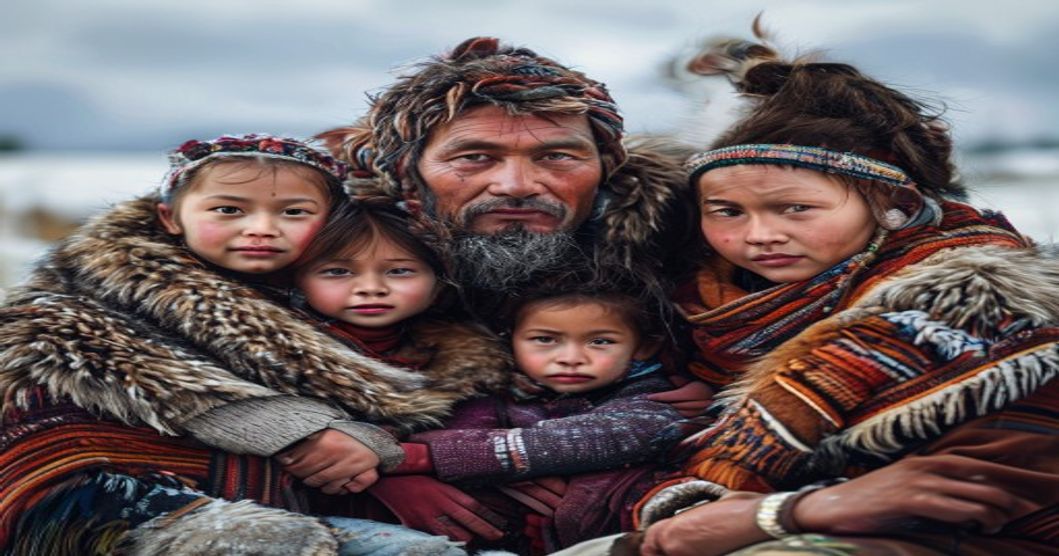
Why Family Ties Are Strong in Sami Culture: A Comprehensive Analysis
The structural resilience of Sami kinship networks originates from centuries of environmental adaptation and a subsistence economy that demands coordinated labor. Traditional livelihoods including reindeer herding, coastal fishing, and seasonal hunting require synchronized movement across vast territories. Extended families historically functioned as operational units, pooling grazing rights, sharing equipment, and managing migration routes that shifted with weather patterns. This economic interdependence established reciprocal obligations where every household member contributed specific skills, from elders interpreting ice conditions to younger generations tracking animal movements. The absence of institutional infrastructure in remote Arctic regions forced communities to rely entirely on blood relations for resource distribution and crisis management.
Cultural continuity reinforces these bonds through direct familial instruction rather than formal education systems. Language acquisition, ecological monitoring, and craft techniques transmit across generations within household boundaries. Grandparents maintain authority over practical knowledge including leather preparation, snow-reading, and traditional navigation methods. This apprenticeship framework preserves technical accuracy while embedding hierarchical respect into daily interactions. Oral traditions function as living archives where historical migration patterns and territorial boundaries remain encoded in familial narratives rather than written documents.
Modern pressures have not weakened these networks but recalibrated their operational focus. Contemporary land rights litigation frequently mobilizes clan structures, transforming ancestral grazing zones into coordinated defense campaigns. Community governance still requires multi-generational consensus for decisions involving resource allocation or dispute resolution. Digital communication tools supplement traditional face-to-face coordination yet cannot replace the trust mechanisms built through shared labor and historical precedent. When external support systems contract, familial units absorb administrative, financial, and psychological burdens collectively. This self-reliant architecture persists because it aligns with ecological necessity and historical precedent rather than cultural sentiment.
- Kinship networks dictate resource sharing during harsh winters when individual households cannot sustain livestock without communal support.
- Legal advocacy for grazing territories operates through extended family alliances that pool financial resources and coordinate cross-border negotiations.
- Elder-led decision-making structures prevent fragmentation by prioritizing collective survival metrics over individual economic gain.
Historical Foundations of Sami Kinship Networks
Before the imposition of Nordic border policies and state-driven assimilation campaigns, Sami social organization revolved around the duodna system, a complex framework of kinship-based resource rights. Each family group held hereditary claims to specific hunting grounds, fishing waters, and seasonal grazing routes across Sápmi. This territorial lineage was not merely economic but deeply genealogical, with authority passed through established bloodlines that regulated land use, trade, and dispute resolution. Historical records from the seventeenth and eighteenth centuries document how these kinship networks operated as autonomous governance structures, managing resource allocation without reliance on external authorities.
The duodna clan structure functioned as both a legal entity and a social safety net. Families maintained detailed oral genealogies that mapped relationships across generations, ensuring continuity of property rights and communal responsibilities. Marriages were strategically arranged to consolidate grazing territories, strengthen inter-village alliances, and preserve linguistic dialects within isolated valleys. Patrilineal inheritance dominated reindeer husbandry, while maternal networks controlled trade routes and craft production, creating a balanced kinship economy that resisted external disruption.
- Ancestral land tenure tied family identity to specific geographic coordinates, making migration a last resort and reinforcing multi-generational settlement patterns across harsh subarctic terrain.
- Cross-border kinship ties historically ignored modern political frontiers, with families maintaining active contact and resource-sharing agreements across what are now Norway, Sweden, Finland, and Russia.
- Customary law enforcement relied on elder councils composed of recognized lineage heads, who mediated conflicts without external judicial intervention until the nineteenth century.
Even during periods of aggressive missionary activity and state-mandated language suppression, these kinship networks adapted rather than dissolved. Families preserved genealogical records through coded folk songs, seasonal migration calendars, and craft motifs that encoded lineage data. The resilience of these historical foundations explains why contemporary Sami communities continue to prioritize clan affiliation, ancestral land claims, and intergenerational knowledge transfer as core cultural institutions.
Reindeer Herding Practices and Interdependent Household Structures
The traditional livelihood of the Sami people revolves around a highly coordinated reindeer herding system that fundamentally shapes their social architecture. At the core of this practice lies the siida, a self-governing cooperative unit where multiple households pool resources, labor, and grazing land to manage large migratory herds. This economic model does not merely sustain food security; it actively reinforces familial bonds through mandatory collaboration. During seasonal migrations, which can span hundreds of kilometers across Arctic tundra and boreal forests, every family member assumes a specialized role dictated by age, gender, and expertise. Elders map historical routes and monitor weather patterns, while younger adults handle animal tracking, veterinary care, and camp logistics. Children absorb navigational skills and herd management techniques through direct observation and gradual responsibility transfer.
- Resource Allocation: Shared grazing territories require collective decision-making, eliminating individual competition and embedding mutual reliance into daily operations.
- Skill Inheritance: Herding knowledge cannot be standardized or digitized; it passes exclusively through multi-generational household instruction, ensuring cultural continuity.
- Crisis Response: Sudden blizzards or predator attacks demand immediate coordinated action across household boundaries, reinforcing trust and interdependence as survival necessities rather than optional social norms.
Modern regulatory frameworks occasionally disrupt these historic patterns, yet the underlying household interdependence remains intact. Contemporary Sami families often operate hybrid livelihoods combining reindeer husbandry with digital mapping tools or seasonal tourism initiatives, but the core cooperative structure persists. Property rights, herd registration, and grazing permits are typically processed through extended family networks rather than individual applications. This institutionalized collaboration transforms economic necessity into enduring kinship solidarity. When one household faces veterinary costs or equipment failure, adjacent families within the same siida absorb the financial burden temporarily, knowing reciprocity will reverse during future cycles. Such mechanisms create a resilient social fabric where familial ties function as both cultural heritage and practical infrastructure. This structural interdependence explains why Sami family networks remain remarkably cohesive despite geographic dispersion and external socioeconomic pressures.
Language Transmission as a Core Family Responsibility
The preservation of Sami languages has never been a matter of institutional policy alone; it remains fundamentally rooted in the domestic sphere. Within traditional Sami households, language acquisition operates as an implicit daily practice rather than a formal curriculum. Children absorb vocabulary through direct engagement with subsistence activities, seasonal migrations, and ecological observation. The intricate terminology surrounding reindeer husbandry, snow conditions, and Arctic flora emerges organically from shared labor, ensuring that linguistic competence remains tightly coupled with cultural survival. Elders function as primary linguistic anchors, transmitting grammatical structures, dialectal variations, and narrative frameworks through oral storytelling rather than written instruction. This intergenerational transfer creates a closed-loop knowledge system where language functions simultaneously as communication tool, historical archive, and identity marker.
Historical assimilation policies systematically disrupted these transmission pathways by enforcing majority-language schooling and penalizing indigenous speech. The resilience of Sami families during these periods relied heavily on deliberate domestic language preservation. Parents maintained linguistic continuity through private conversation, bedtime narratives, and the strategic use of heritage vocabulary in agricultural and pastoral contexts. Contemporary revitalization efforts now build upon this foundational family structure, recognizing that institutional programs cannot replicate the emotional and cognitive depth of home-based acquisition.
- Ecological Lexicon Embedding: Specialized terminology for terrain, weather, and animal behavior is taught through direct field instruction rather than abstract memorization.
- Intergenerational Oral Archives: Elders transmit dialectal nuances, mythological references, and historical accounts during communal gatherings and seasonal transitions.
- Domestic Language Zoning: Families deliberately designate specific household spaces and daily routines exclusively for heritage language use to maximize cognitive retention.
Modern Sami households frequently implement dual-language frameworks, strategically structuring daily routines to maximize heritage language exposure. Community initiatives increasingly support these domestic strategies by providing elder-youth mentorship programs, digital recording projects, and localized educational materials designed for household integration. The sustainability of Sami linguistic diversity ultimately depends on maintaining this domestic transmission chain, where each generation actively
Spiritual Traditions and Intergenerational Knowledge Preservation
The spiritual architecture of Sami communities functions through daily practices that inherently link generations. Rather than relying on centralized religious institutions, traditional Sami cosmology emphasizes a reciprocal relationship with the landscape. This worldview demands direct transmission of ecological and ritual knowledge from elders to younger members. Reindeer herding operations serve as primary educational frameworks. Seasonal migration routes are not merely logistical pathways; they function as sacred corridors mapped through centuries of environmental observation. Elders instruct children how to read snow formations, interpret animal behavior, and navigate using celestial markers. These competencies carry significant spiritual weight because survival depends entirely on respecting land spirits and maintaining ecological balance.
Ritual practices continuously reinforce this intergenerational continuity. The noaidi, or traditional spiritual mediator, historically bridged the human and spirit realms through drumming and rhythmic chanting. While historical Christianization suppressed public ceremonies, families preserved these methods within private household settings. Modern revitalization efforts have triggered renewed apprenticeship cycles. Younger relatives now learn to prepare traditional medicinal compounds, interpret seasonal dreams, and conduct land-blessing rituals alongside grandparents. This hands-on transmission prevents knowledge fragmentation and ensures practical application.
- Oral Transmission Mechanisms: Families prioritize melody-based learning over written documentation. Joik performances encode genealogical lines, historical migration routes, and ethical guidelines into single compositions.
- Craftsmanship Integration: Traditional tool carving and textile weaving incorporate spiritual symbolism. Elders teach material selection based on ancestral recommendations, linking physical labor to ecological stewardship.
- Household Ceremonial Frameworks: Daily meals, seasonal festivals, and hunting expeditions require consultation with inherited calendars. These practices establish operational decision-making protocols that younger members must master before assuming adult responsibilities.
This knowledge transfer model eliminates generational isolation. Younger community members acquire autonomy through structured mentorship rather than independent experimentation. Elders maintain cultural authority without institutional backing, relying instead on practical utility and spiritual continuity. The resulting network adapts to contemporary environmental shifts while preserving core cosmological principles. Family cohesion strengthens because survival, identity, and spiritual fulfillment remain mutually dependent across age groups.
Economic and Social Mechanisms Reinforcing Kinship Bonds
The economic foundation of Sami kinship rests on cooperative resource management and collective labor, primarily structured around reindeer pastoralism. Unlike individualistic property models, traditional Sami households operate as joint family enterprises where grazing routes, herd composition, and seasonal camps are managed through shared decision-making. This structural interdependence necessitates continuous collaboration among siblings, cousins, and extended relatives, transforming economic survival into a social obligation that naturally strengthens familial bonds.
Historically, the siida system functioned as the primary socio-economic unit organizing these activities. A siida operated as a kinship-based corporation with defined membership rights, seasonal migration schedules, and internal governance rules. Land use was not governed by individual ownership but by usage rights passed through family lines, ensuring that economic stability remained tied to ancestral connections. Disputes over grazing territory or herd distribution were resolved through elder councils composed of related families, reinforcing hierarchical respect and collective responsibility.
- Joint herding operations: Seasonal roundtrips require coordinated labor across multiple households, with profits, risks, and losses distributed according to familial contribution agreements.
- Intergenerational knowledge transfer: Navigation, animal husbandry, duodji (handicraft) techniques, and weather forecasting are taught within family units, preserving cultural capital without external dependency.
- Mutual obligation networks: Emergency support systems trigger automatic resource pooling during harsh winters or herd losses, eliminating the need for state intervention in traditional contexts.
- Adaptive cooperatives: Modern Sami reindeer husbandry associations maintain kinship-based membership criteria, ensuring economic modernization does not fragment ancestral land rights.
Contemporary legal frameworks recognizing collective grazing rights further institutionalize these mechanisms. State policies that acknowledge siida-derived land tenure prevent the fragmentation of family herds through inheritance practices that favor keeping operational units intact. When economic survival depends on maintaining cohesive labor groups and shared infrastructure, kinship becomes a functional asset rather than merely a cultural ideal. The continuous negotiation of grazing schedules, equipment maintenance, and market participation requires regular communication and trust-building, creating self-reinforcing social loops that sustain familial cohesion across generations.
Communal Resource Management and Shared Survival Strategies
The Sami way of life has historically depended on precise coordination within extended family networks to navigate Arctic and subarctic environments. Reindeer herding, coastal fishing, inland hunting, and seasonal foraging require synchronized labor that no single household can sustain alone. Resource allocation operates through decentralized yet highly structured family units. When a herd faces winter scarcity, neighboring clans pool supplementary feed and share grazing rights along established migration corridors. This interdependence transforms survival into a collective endeavor rather than an individual pursuit.
Knowledge preservation forms the backbone of this system. Elders transmit route maps, animal behavior patterns, and weather forecasting techniques through oral tradition and hands-on demonstration. Children learn to read ice thickness, track reindeer movement, and process hides long before formal education systems exist in northern regions. The transmission is not merely educational; it is a binding mechanism that reinforces generational loyalty and mutual responsibility.
Historical records and ethnographic studies highlight the siida system as the operational framework for this cooperation. A siida functions as a cooperative management group, typically comprising related families who share pastures, equipment, and hunting grounds. Decision-making remains consensus-driven, with leadership rotating based on seasonal expertise rather than hierarchical rank. When one family experiences livestock loss or health complications, the broader network automatically redistributes labor and material support. This reciprocal arrangement eliminates isolation during crises and institutionalizes trust as a cultural asset.
Contemporary environmental pressures have altered traditional patterns, yet the underlying logic persists. Modern Sami communities adapt communal resource management through cooperative land trusts and digital tracking tools, but the foundational principle remains unchanged: survival depends on shared accountability. Family ties endure because they are not sentimental constructs but functional necessities embedded in centuries of adaptive strategy.
Marriage Patterns and Extended Family Integration
Traditional Sami marriage patterns function as structural bridges that actively merge distinct kinship networks rather than establishing isolated domestic units. Historically, matrimonial agreements were carefully calculated to consolidate grazing rights, secure seasonal migration routes, and reinforce inter-clan alliances across the Sápmi region. Couples rarely established independent households immediately following wedding ceremonies. Instead, they integrated into the spouse’s broader extended family structure, participating in shared labor divisions, resource pooling, and collective decision-making processes governed by elder councils.
The economic foundation of this integration stems directly from reindeer herding requirements. Successful herd management demands coordinated seasonal movements, specialized knowledge transfer, and risk mitigation across multiple generations. When two families unite through marriage, their combined land access rights and livestock pools expand significantly, creating a resilient economic buffer against harsh Arctic conditions. Childcare responsibilities distribute among grandparents, aunts, uncles, and older siblings, ensuring continuous skill transmission regarding animal husbandry, traditional crafting, and ecological navigation without disrupting adult herding schedules.
- Kinship Alliance Formation: Strategic marriages historically prevented territorial disputes by linking previously separate family groups through mutual obligation contracts and shared ceremonial obligations.
- Resource Consolidation: Combined grazing territories and reindeer herds increased after matrimonial unions, directly improving household survival rates during extreme weather events or disease outbreaks.
- Knowledge Transfer Mechanisms: Extended family integration ensures linguistic preservation, dialect variations, and region-specific navigation techniques pass continuously between generations without institutional mediation.
Modern legal frameworks have introduced individual property rights and nuclear family autonomy, yet underlying cultural expectations maintain strong communal dependencies. Contemporary Sami couples frequently reside within walking distance of ancestral homesteads, continue cooperative herding operations across marital lines, and participate in joint economic ventures that prioritize clan stability over individual accumulation. This persistent structural cohesion explains why demographic shifts, urbanization, and external legal influences have not fractured core relational networks. Matrimonial unions remain foundational mechanisms for preserving ecological knowledge, maintaining territorial claims, and reinforcing collective identity across the fragmented Sápmi landscape.
Impact of Colonial Policies on Traditional Family Dynamics
The consolidation of Nordic nation-states during the eighteenth and nineteenth centuries directly targeted indigenous kinship systems through systematic assimilation legislation. Colonial administrations in Norway, Sweden, and Finland implemented land privatization frameworks that dismantled communal grazing territories essential for Sami reindeer herding economies. This territorial fragmentation forced geographic dispersal across traditional siida networks, weakening the extended family units that historically coordinated seasonal migrations and resource allocation. Educational mandates explicitly prohibited Sami language use within schools, creating institutional barriers to intergenerational knowledge transfer and fracturing household-based cultural transmission.
- Land Dispossession & Economic Restructuring: State-sanctioned property laws replaced customary land stewardship with private ownership, compelling families to abandon mobile livelihood patterns and adopt sedentary agricultural models that conflicted with seasonal kinship labor divisions.
- Linguistic Suppression in Institutions: Mandatory schooling policies punished indigenous speech, effectively severing oral tradition pathways between grandparents, parents, and children while normalizing dominant Nordic linguistic frameworks within domestic spaces.
- Religious & Administrative Integration Mandates: Missionary institutions and civil registries replaced customary kinship documentation with standardized naming conventions and baptismal records, erasing traditional clan affiliations and altering inheritance pathways.
These structural interventions generated profound intergenerational displacement but simultaneously triggered adaptive resilience mechanisms. Extended family networks reorganized around household-level cultural preservation, utilizing private storytelling, domestic craft production, and covert language maintenance to sustain community continuity. Economic marginalization further accelerated urban migration, yet kinship bonds persisted through remittance networks, transregional visitation patterns, and shared subsistence practices that reinforced mutual obligation. Intergenerational trauma was systematically addressed through community-led counseling initiatives and indigenous-led pedagogical reforms. Policy shifts emphasizing cultural self-determination have further stabilized family cohesion by legitimizing customary dispute resolution and elder-led decision-making within contemporary community governance structures. Contemporary legal frameworks recognizing Sami land rights and linguistic education have gradually reconstructed institutional support for traditional kinship models, allowing families to reclaim historical governance patterns while navigating modern socioeconomic constraints.
Contemporary Challenges to Sami Family Cohesion
Geographic displacement remains a primary disruptor of traditional Sami family networks. As younger generations migrate from Sápmi to urban centers in Norway, Sweden, and Finland for higher education and employment, the physical proximity that historically sustained extended kinship structures diminishes. Reindeer herding communities, which rely on multigenerational cooperation for seasonal migrations and pasture management, face labor shortages when youth relocate permanently. This spatial fragmentation strains daily communication patterns and reduces opportunities for hands-on knowledge transfer regarding land stewardship and seasonal rhythms.
Educational frameworks often operate outside traditional cultural timelines. Standardized school calendars conflict with reindeer calving periods, migration routes, and winter hunting cycles. Families must choose between academic attendance and participation in essential livelihood activities. Consequently, children miss immersive experiences that reinforce familial roles and cultural identity. The dominant national curricula historically minimized Sami history and ecological knowledge, creating an institutional gap where families serve as the primary, yet overburdened, transmission channels for language and customary practices.
Economic restructuring further pressures kinship bonds. Wage labor demands rigid schedules that clash with the fluid, weather-dependent nature of traditional economies. When multiple generations work in separate industries across different municipalities, shared routines fracture. Property inheritance laws in Nordic countries often complicate communal land use agreements, forcing families to navigate bureaucratic systems that prioritize individual ownership over collective stewardship. These legal and financial complexities generate internal negotiations about resource allocation, sometimes creating tension between members advocating for integration into the mainstream economy and those committed to preserving ancestral practices.
- Linguistic erosion: Fewer households maintain daily fluency in North, South, or Inari Sami dialects, limiting intergenerational dialogue.
- Infrastructure gaps: Limited broadband and healthcare access in remote Sápmi regions forces youth to relocate for basic services.
- Policy fragmentation: Divergent national regulations across borders complicate cross-regional family coordination and resource sharing.
Digital connectivity offers partial mitigation, yet screen-based interaction cannot replicate the tactile learning embedded in traditional campsites or herding grounds. Family cohesion adapts through virtual gatherings and social media networks, but these tools lack the depth required to transmit nuanced ecological knowledge and ritual practices. Sustaining kinship ties now requires intentional scheduling, digital literacy training for elders, and community-led initiatives that bridge formal education with ancestral land-based learning.
Urban Migration and Geographic Dispersion Effects
Urban migration and geographic dispersion have fundamentally reshaped how Sámi communities maintain kinship structures across modern landscapes. Economic shifts, educational opportunities, and centralized healthcare services have drawn younger generations into cities like Tromsø, Oslo, Stockholm, and Helsinki. While conventional sociological models suggest that physical separation erodes familial cohesion, Sámi networks demonstrate a counterintuitive pattern of strengthened relational bonds through deliberate cultural adaptation.
Distance triggers systematic preservation strategies rather than fragmentation. Urban Sámi associations function as centralized kinship hubs, organizing seasonal gatherings, language immersion workshops, and reindeer husbandry exchanges that replicate traditional duodji-based social structures. Digital communication platforms serve as continuous threads connecting dispersed relatives, with video calls replacing daily face-to-face interaction during winter months when travel becomes logistically complex.
- Established Sámi cultural centers in metropolitan areas host intergenerational knowledge transfer programs that maintain clan affiliations across geographic boundaries.
- Seasonal migration patterns align with traditional herding cycles, ensuring physical reunions remain structurally embedded in modern life.
- Regional Sámi parliaments coordinate family registry systems and genealogical databases that preserve lineage documentation despite residential scattering.
- Educational institutions incorporate kinship mapping into curricula, reinforcing clan recognition among students who relocate for higher studies.
Geographic dispersion operates as a catalyst for cultural consolidation rather than dissolution. When Sámi individuals navigate urban environments, they frequently establish multi-generational household arrangements that accommodate extended family members pursuing employment or academic credentials. This structural flexibility allows kinship networks to absorb economic pressures while maintaining core relational obligations. The physical scattering of families across municipal boundaries actually intensifies collective identity formation, as dispersed communities develop sophisticated coordination mechanisms that transcend territorial limitations.
Language Shift and Digital Media Influence on Youth Identity
Digital platforms accelerate linguistic assimilation among Sámi youth through algorithmic content distribution and peer network dynamics. Major social media ecosystems prioritize Norwegian, Swedish, Finnish, and Russian due to advertiser revenue models and developer infrastructure. When adolescents consume entertainment, educational material, and social interaction primarily in these dominant languages, domestic vocabulary retention diminishes rapidly. Family households experience measurable communication pattern changes as children adopt code-switching behaviors that gradually replace traditional Sámi dialects during casual interactions.
- Algorithmic Content Filtering: Recommendation systems amplify mainstream cultural references while marginalizing indigenous media, reducing organic exposure to Sámi linguistic patterns.
- Digital Peer Conformity: Youth prioritize platform accessibility over linguistic heritage, creating feedback loops where non-Sámi communication becomes the default social currency.
- Domestic Language Relegation: Sámi language usage shifts from primary household communication to ceremonial or educational contexts, fragmenting natural acquisition pathways.
Despite these pressures, family structures function as critical resistance nodes. Multi-generational households frequently implement deliberate digital literacy interventions, curating Sámi-language YouTube channels, podcast subscriptions, and mobile applications that align with youth consumption habits. Elders transition from traditional oral storytelling to hybrid formats, recording narratives in Sámi while utilizing video editing software to distribute content across family networks. This adaptation preserves relational bonds while acknowledging technological reality.
Identity formation during this transition operates through strategic negotiation rather than cultural abandonment. Young adults develop bilingual or trilingual competencies that serve distinct social functions: dominant languages facilitate educational and professional mobility, while Sámi dialects maintain kinship verification, land-based knowledge transmission, and community belonging markers. Family gatherings increasingly incorporate digital documentation of linguistic practices, transforming language preservation into a shared technical project rather than a passive inheritance.
Contemporary youth navigate this landscape by establishing parallel communication ecosystems—public digital profiles utilize dominant languages for broader engagement, while encrypted family messaging groups and private social media circles maintain exclusive Sámi terminology. This compartmentalization protects linguistic integrity without isolating younger generations from economic or academic opportunities. Community-led initiatives further reinforce these boundaries by funding localized content creation, subsidizing Sámi-focused mobile
Economic Pressures and Alternative Livelihood Transitions
Historical land dispossession and restrictive state regulations systematically fragmented traditional Sami reindeer herding grounds, forcing communities to confront severe economic fragmentation. When grazing territories contracted due to forestry concessions, mining operations, and infrastructure development, seasonal migration patterns collapsed. This geographic and financial disruption did not dissolve kinship networks; instead, it intensified their functional necessity. Families responded by consolidating household resources, merging livestock assets, and establishing cooperative labor pools to maintain basic economic viability. The loss of autonomous territorial control transformed individual survival strategies into collective family enterprises.
Contemporary economic shifts further accelerated livelihood diversification. Climate volatility destabilizes reindeer forage cycles, while globalized markets devalue traditional crafts. Many Sami households now navigate hybrid income models that combine seasonal wage employment, digital entrepreneurship, cultural tourism, and formal education-driven professions. These transitional pathways demand upfront capital, technical training, and risk absorption capacity—resources rarely available to isolated individuals. Extended family structures fill this gap through intergenerational wealth pooling, shared housing arrangements, and coordinated financial planning. Kinship networks operate as informal credit unions, guaranteeing loans for equipment purchases or vocational certifications without institutional collateral.
- Pooled Labor Distribution: Family members rotate between wage employment, seasonal herding, and craft production to maximize income streams while minimizing individual exposure to market fluctuations.
- Shared Infrastructure Maintenance: Relatives jointly fund and maintain housing, transportation vehicles, and communication equipment across dispersed rural settlements.
- Cooperative Skill Transfer: Elders document traditional ecological knowledge while younger generations acquire digital marketing and business management competencies, creating complementary economic roles within the same household.
- Cross-Regional Resource Mapping: Kin networks leverage geographic mobility to monitor employment opportunities, housing vacancies, and subsidy programs across municipal boundaries.
This structural interdependence ensures that economic transitions reinforce rather than replace traditional reciprocity norms. When external markets contract or policy frameworks shift, family units function as immediate shock absorbers. The necessity of coordinated survival strategies cultivates continuous communication, shared decision-making protocols, and reinforced trust mechanisms. Economic pressure thus operates as a catalyst for kinship consolidation, transforming historical constraints into enduring organizational resilience.
Strategic Approaches for Cultural Continuity
Preserving Sami heritage requires deliberate frameworks that bridge historical practices with modern governance models. Communities implement structured initiatives focusing on intergenerational knowledge transmission, land-based education, and institutional support systems. These mechanisms operate through coordinated efforts between local families, regional councils, and national cultural agencies.
- Intergenerational Mentorship Programs: Elders lead seasonal workshops where youth learn reindeer herding techniques, traditional crafting methods, and oral storytelling formats. These sessions occur directly on ancestral territories, reinforcing spatial memory alongside skill acquisition.
- Linguistic Immersion Networks: Family units participate in dialect preservation collectives that document regional variations of Sami languages. Recorded conversations, folk narratives, and technical vocabulary enter digital archives accessible to schools and research institutions.
- Land-Based Curriculum Development: Educational frameworks integrate traditional ecological knowledge into formal schooling. Teachers collaborate with community knowledge holders to design modules covering sustainable resource management, weather pattern analysis, and historical migration routes.
- Policy Advocacy Coalitions: Family representatives join regional governance bodies to shape legislation protecting cultural sites and grazing corridors. These coalitions monitor environmental impacts and negotiate land-use agreements that maintain traditional access patterns.
Implementation relies on consistent funding streams and cross-sector collaboration. Municipal authorities allocate resources for community centers that host skill-sharing events, while academic partners provide methodological support for documentation projects. Digital platforms enable diaspora members to contribute archival materials and participate in virtual knowledge exchanges. Monitoring frameworks track participation rates, language proficiency levels, and land-access compliance to evaluate program effectiveness. Adjustments occur through annual community assemblies where families assess progress and prioritize emerging preservation needs. This structured approach transforms cultural continuity from passive inheritance into active stewardship, ensuring that family networks remain the operational core of heritage maintenance.
Community-Led Revitalization Programs and Elder Mentorship
Community-driven initiatives within Sami territories operate through decentralized networks that prioritize indigenous governance over external institutional frameworks. These programs establish localized cultural hubs where intergenerational knowledge transfer functions as the primary mechanism for societal continuity.
Elders occupy a structured mentorship tier rather than serving merely as historical references. They coordinate seasonal workshops covering reindeer husbandry, traditional textile weaving, joik vocal techniques, and land-based navigation systems. Each module follows a documented curriculum that maps ancestral practices onto contemporary environmental conditions.
- Language Immersion Protocols: Daily conversational sessions utilize dialect-specific terminology tied to terrain features, weather patterns, and animal behavior.
- Craft Transmission Frameworks: Apprenticeships require mastery of raw material processing before advancing to complex pattern construction.
- Ecosystem Mapping Exercises: Participants document historical grazing routes while overlaying modern climate data to identify sustainable migration corridors.
Organizational funding flows through municipal cultural grants and European Union indigenous development portfolios. Local councils manage resource allocation, ensuring that program expansion aligns with demographic distribution across Finnmark, Troms, Trøndelag, and Norrb
Policy Interventions Supporting Indigenous Family Rights
Governmental frameworks across Scandinavia have increasingly recognized that indigenous family structures function as the primary mechanism for cultural preservation and economic resilience. Policy interventions targeting Sami kinship networks prioritize legal recognition of customary inheritance practices, land tenure rights, and intergenerational knowledge transfer. These measures directly counteract historical assimilation policies that fragmented extended family units through residential schooling and forced relocation programs.
Land policy remains the most consequential intervention for family stability. When legislation guarantees communal grazing rights and seasonal migration routes, reindeer herding families maintain their economic independence while preserving household cohesion. Legal frameworks that acknowledge joint family ownership of traditional territories reduce state-mediated land disputes and allow grandparents to remain central figures in youth education and resource management.
- Mandatory Sami language instruction in regional schools sustains oral storytelling traditions that reinforce familial bonds across generations.
- Customary law recognition statutes permit indigenous kinship councils to resolve inheritance and custody matters without external judicial interference.
- Targeted healthcare funding establishes mobile clinics near nomadic settlements, ensuring consistent medical access for multi-generational households.
- Educational grants for family-led cultural programs subsidize seasonal camps where elders transmit hunting, crafting, and ecological knowledge directly to children.
Policy effectiveness depends on participatory governance models. Regional governments that integrate Sami parliamentary representatives into legislative drafting processes achieve higher compliance rates and community trust. When funding streams bypass municipal bureaucracy and flow directly to indigenous family organizations, administrative delays diminish and resource allocation aligns with actual household needs rather than standardized demographic projections.
The cumulative impact of these interventions extends beyond immediate economic relief. Legal protections for family-based land use, coupled with institutional support for language revitalization, create structural barriers against cultural erosion. Households that operate within recognized policy frameworks experience reduced stress from bureaucratic uncertainty, allowing elders to maintain their traditional advisory roles and younger generations to pursue formal education without severing kinship obligations. This alignment between state recognition and indigenous family architecture ensures that Sami household networks remain functionally intact while adapting to contemporary socioeconomic demands.
Digital Documentation and Archival Preservation Methods
Sami communities have long depended on intergenerational knowledge transfer, and modern digital documentation strategies now serve as vital infrastructure for preserving family lineage, land use patterns, and linguistic variations. Archives across Norway, Sweden, Finland, and Russia utilize high-resolution multispectral imaging to recover faded handwritten genealogical records, while lossless audio archiving captures traditional joik performances that historically functioned as oral family registries. These materials follow Dublin Core metadata schemas, enabling precise cross-referencing between kinship networks, reindeer management districts, and dialect regions. Community-controlled repositories enforce strict data governance protocols, requiring documented consent from knowledge keepers before publishing sensitive relational records. Linked open data frameworks connect previously fragmented archives, allowing descendants to reconstruct maternal and paternal branches with archival precision. Machine learning transcription tools assist in processing older manuscripts, though professional archivists manually verify each entry to preserve contextual accuracy and prevent algorithmic misinterpretation of Sami syntactic structures.
- Geospatial Mapping: Seasonal migration routes and family grazing territories are digitized through GIS integration, linking historical land claims to contemporary inheritance records.
- Immutable Verification: Select archival projects implement cryptographic timestamping to prevent unauthorized modification of genealogical documents across municipal databases.
- Accessibility Architecture: Low-bandwidth responsive interfaces ensure remote northern communities can navigate digital catalogs without
Educational Curricula Integrating Kinship Values in Schools
School systems across Sami territories have systematically embedded kinship frameworks into official learning standards, transforming traditional family structures into pedagogical foundations. Educational authorities collaborate with local reindeer herding communities and indigenous elders to design syllabi that prioritize relational knowledge over isolated academic metrics. Classrooms operate as extended kinship networks where students engage in multigenerational projects, recording oral histories, mapping ancestral grazing routes, and documenting seasonal migration patterns. These activities require direct interaction with grandparents and community members, reinforcing interdependent social bonds while meeting national curriculum requirements.
- Language acquisition modules explicitly connect kinship terminology to ecological practices, ensuring students distinguish familial roles through contextual usage rather than rote memorization.
- Assessment frameworks replace standardized testing with competency-based evaluations where learners demonstrate understanding through collaborative problem-solving and heritage documentation.
- Municipal education departments establish formal partnerships with indigenous governance councils to allocate funding toward teacher training programs focused on cultural pedagogy and historical context analysis.
School calendars align with traditional seasonal cycles, allowing students to participate in reindeer roundups and winter gathering ceremonies without academic penalty. Digital archives supplement classroom instruction by storing kinship diagrams, genealogical records, and recorded testimonies accessible through secure educational platforms. Longitudinal studies conducted within these programs demonstrate measurable retention of cultural competencies. Graduates exhibit stronger community engagement metrics, higher proficiency in indigenous dialects, and increased participation in traditional resource management. The structural alignment between pedagogical design and kinship preservation establishes a replicable model for indigenous education systems worldwide.
Frequently Asked Questions
What is Why Family Ties Are Strong in Sami Culture?
This concept refers to the deep interconnectedness, mutual reliance, and cultural traditions that bind Sámi families together. Historically shaped by survival in harsh Arctic climates, Sámi communities depend on extended family networks for resource sharing, knowledge transfer (such as reindeer herding and traditional crafts), and preserving their unique language and spiritual worldview.
Key facts about Why Family Ties Are Strong in Sami Culture
Key facts include the historical necessity of kinship networks for nomadic livelihoods, the central role of the family unit in transmitting joik (traditional singing) and oral history, collective child-rearing practices, strong intergenerational bonds rooted in land stewardship, and modern Sámi advocacy efforts that actively protect these familial structures from past assimilation policies.