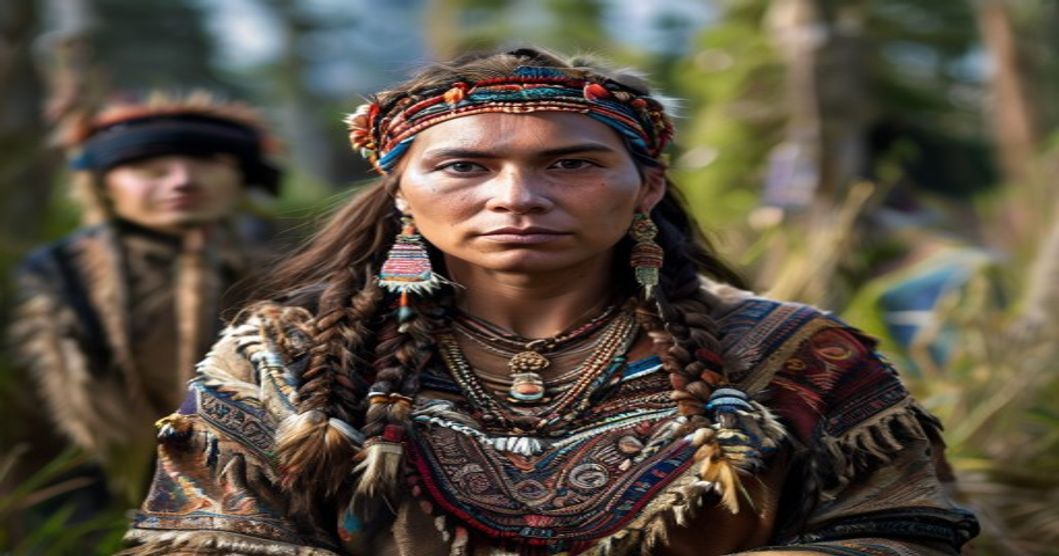
Why Sami Culture Continues to Thrive
The endurance of Sami culture stems from a deliberate combination of linguistic preservation, legal advocacy, and adaptive economic practices that have transformed historical marginalization into structured cultural revitalization. Following centuries of assimilation policies across Norway, Sweden, Finland, and Russia, indigenous communities mobilized during the late twentieth century to secure constitutional protections and establish representative bodies. The creation of regional councils in three sovereign states provided institutional platforms for language policy implementation, land-use negotiations, and educational reform.
- Linguistic Infrastructure: Three distinct northern languages with active writing systems are now taught in municipal schools across the Arctic region. Digital dictionaries, mobile applications, and state-funded broadcasting networks maintain daily usage among speakers under thirty, reversing decades of intergenerational language loss.
- Legal Recognition and Land Rights: Constitutional amendments in Norway and Sweden formally acknowledge indigenous status, while reindeer husbandry laws restrict cross-border grazing to registered herders. This legal framework protects traditional seasonal migration routes from industrial encroachment and commercial forestry operations.
- Economic Adaptation and Craft Revival: Contemporary artisans integrate traditional carving techniques with modern design markets, generating export revenue while preserving handcrafted patterns that encode clan histories. Reindeer herding remains the economic backbone in northern municipalities, supported by cooperative slaughterhouses and veterinary research stations tailored to Arctic climate conditions.
- Youth Engagement and Digital Archiving: University programs offer degree tracks focused on indigenous studies, while community-led digitization projects catalog radio archives, folk narratives, and audio recordings of traditional vocal music. Social media channels operated by youth organizations disseminate language lessons and cultural commentary to global audiences.
Sustained institutional funding, combined with grassroots activism, has converted cultural vulnerability into measurable continuity. International environmental agreements now require consultation with indigenous representatives before infrastructure development in Arctic regions, directly reinforcing territorial sovereignty. Educational curricula incorporate regional history as a mandatory module in northern school districts, ensuring systematic knowledge transfer to each successive cohort.
Historical Foundations of Indigenous Identity
The survival of Sámi cultural continuity rests upon millennia-old adaptations to Arctic ecosystems and deliberate resistance against external assimilation pressures. Archaeological evidence from coastal rock carvings in Alta and inland settlement sites confirms human presence in Fennoscandia dating back over 10,000 years. These early communities developed specialized knowledge systems centered on seasonal migration, reindeer husbandry, fishing, and hunting. The transition from semi-nomadic pastoralism to structured herding practices emerged between the 16th and 19th centuries, driven by both environmental constraints and economic demands from southern markets.
Colonial administration across Norway, Sweden, Finland, and Russia systematically attempted cultural erasure through legislation targeting indigenous languages and spiritual practices. The Norwegian assimilation policies of the 20th century restricted Sámi language use in schools and public institutions, while missionary activities suppressed traditional joik singing and shamanic rituals. Despite these interventions, community networks preserved oral histories, craftsmanship techniques, and ecological knowledge through intergenerational transmission within households and local governance structures.
Modern cultural resilience directly traces to three documented historical mechanisms:
- Linguistic continuity: The Sámi language family maintained active spoken domains despite state-imposed monolingual education mandates, enabling vocabulary retention for reindeer terminology, weather patterns, and kinship structures.
- Land tenure advocacy: Decades of legal petitions culminated in constitutional recognition of indigenous land rights, particularly through Norway’s Finnmark Act of 2005 and Sweden’s establishment of the Reindeer Grazing Court system, which legally separated pastoral territories from commercial forestry claims.
- Institutional self-governance: The formation of regional Sámi parliaments across border regions created formal platforms for cultural policy development, education curriculum integration, and resource management negotiations with national governments.
Historical trauma and adaptive strategy function as complementary forces. Cultural institutions now document pre-colonial cosmology, reconstruct traditional garment weaving methods using native plant dyes, and digitize archival recordings to prevent knowledge fragmentation. These efforts transform historical vulnerability into structured cultural infrastructure that sustains contemporary Sámi identity across transnational boundaries.
Geographic Ties and Traditional Livelihoods
The geographic distribution of Sami territories across the northernmost regions of Norway, Sweden, Finland, and northwestern Russia creates a unique ecological framework that directly sustains cultural continuity. Rather than adapting to static environments, Sami communities historically engineered their livelihoods around dynamic Arctic landscapes. Reindeer husbandry operates as a mobile agricultural system synchronized with seasonal shifts in vegetation and climate. Herds traverse hundreds of kilometers annually between summer pastures located in alpine tundra and winter grazing grounds within boreal forests or coastal zones. This migration pattern relies on precise knowledge of lichen growth cycles, snow depth variations, and predator movements. Generations of herders maintain mental maps of water sources, wind shelter locations, and historical calving sites, ensuring herd survival without reliance on artificial feeding or permanent fencing.
- Coastal adaptations: Western Sami populations developed specialized fishing techniques targeting cod, halibut, and Arctic char using traditional dragnets, wooden traps, and ice-fishing methods that account for freezing thresholds and current shifts.
- Forest-tundra transitions: Eastern communities integrated hunting, trapping, and small-scale reindeer management to navigate mixed ecosystems where snow accumulation differs from open tundra regions.
- Seasonal processing: Preservation methods such as wind-drying meat, rendering fat, and fermenting dairy products evolved to extend food availability across months when transportation routes become impassable.
Geographic isolation historically reinforced linguistic diversity, yet the underlying ecological literacy remains uniformly distributed. Traditional navigation utilizes terrain features, bird migration indicators, and star positions to guide movements during polar nights or blizzards. Infrastructure limitations in remote zones necessitated self-sufficient tool production, including antler-carried sleds, birch-bark containers, and insulated clothing layered with reindeer fur for thermal regulation. Modern land-use conflicts involving forestry concessions, wind farms, and mineral extraction directly intersect with historic migration corridors, prompting legal mobilization through indigenous property rights frameworks and cross-border cooperation agreements. Despite environmental shifts and policy pressures, the geographic foundation of Sami livelihoods continues to function as both cultural anchor and adaptive mechanism, ensuring that traditional knowledge systems remain operational rather than symbolic.
Core Pillars of Cultural Continuity
The sustainability of Sami cultural identity rests on interconnected systems that prioritize communal resilience over isolated preservation efforts. Language functions as the primary structural foundation, with continuous revitalization initiatives embedding Sámi dialects into formal education, municipal services, and digital interfaces. Schools operating in northern Scandinavia and Finland integrate mother-tongue instruction alongside standardized curricula, ensuring that linguistic fluency transitions naturally from domestic environments to institutional frameworks. This educational model directly counters historical assimilation policies by normalizing Sámi across public and academic spheres.
- Traditional Livelihoods as Living Archives: Reindeer husbandry maintains seasonal migration routes that map ecological knowledge onto specific landscapes, while duodji craftsmanship encodes material culture into functional objects used in daily life.
- Intergenerational Knowledge Transfer: These practices demand hands-on participation, creating continuous feedback loops between elders and younger generations through shared labor rather than theoretical instruction.
Institutional recognition provides the legal scaffolding necessary for cultural reproduction. Land use agreements, grazing rights frameworks, and indigenous consultation mandates establish protected zones where traditional activities can proceed without external interference. Municipal policies increasingly allocate funding toward culture houses, youth centers, and regional broadcasting stations that broadcast Sámi programming across multiple frequencies. These infrastructural investments transform abstract recognition into tangible community resources.
Digital preservation complements physical practices by creating searchable repositories of oral histories, audio recordings, and archival photographs. Independent Sami researchers and cultural workers utilize open-source databases to catalog dialect variations, genealogical records, and historical maps. This digital layer operates alongside living traditions, ensuring that documentation supports practice rather than replacing it. Community governance structures remain the decisive factor in all continuity efforts, directing resource allocation toward initiatives that align with local priorities.
Reindeer Herding as a Living Tradition
Reindeer herding operates as the economic and cultural backbone of Sami communities across Fennoscandia. This practice is not a historical relic but a dynamically evolving system that adapts to environmental shifts while preserving core ecological principles. Herders navigate vast seasonal migration routes, tracking snow conditions, lichen availability, and reindeer movement patterns using knowledge accumulated over centuries. The relationship between handler and animal relies on deep behavioral observation rather than rigid control. Calving seasons dictate community schedules, with family groups dispersing across designated grazing districts to monitor births and protect vulnerable offspring from predators.
Traditional equipment remains central to daily operations. Herders utilize specialized winter skis, handcrafted lassos, and portable shelters designed for rapid assembly in remote terrain. Modern practitioners integrate GPS tracking collars and aerial surveillance alongside ancestral navigation techniques, creating a hybrid management model that improves herd health monitoring without disrupting established grazing cycles. Land tenure disputes frequently challenge historical mobility corridors, yet organized advocacy through regional Sami institutions has secured legal recognition for seasonal movement rights across Norway, Sweden, and Finland.
- Seasonal migration follows precise ecological indicators including lichen growth stages and permafrost thaw patterns
- Intergenerational skill transfer occurs through formalized apprenticeship programs embedded within municipal education frameworks
- Economic sustainability depends on diversified revenue streams encompassing regulated meat production, traditional handicraft markets, and carefully managed cultural tourism partnerships
Climate volatility introduces unpredictable freeze-thaw cycles that create impenetrable ice layers over primary forage sources. Herders respond by developing supplementary feeding protocols, adjusting migration timelines, and sharing grazing data across regional cooperatives. This adaptive capacity ensures the practice remains functionally relevant while maintaining its foundational role in community identity, spiritual connection to land, and collective decision-making structures.
Oral History and Storytelling Practices
The survival of Sami heritage relies on a sophisticated verbal transmission system that operates independently of written documentation. Yoik performances function as living archives, encoding precise geographical coordinates, reindeer migration corridors, and micro-climatic indicators into distinct melodic frameworks. These vocal techniques materialize during winter assemblies where the absence of artificial light creates optimal acoustic conditions for complex narrative delivery. Each recorded cycle serves as a mnemonic architecture, embedding practical survival metrics alongside spiritual protocols that govern human-reindeer relationships. The underlying grammatical structure supports this oral methodology through directional case markers that specify terrain composition and movement vectors, ensuring unambiguous environmental communication across fragmented Arctic territories.
Contemporary custodians maintain these practices through structured intergenerational apprenticeships rather than formal institutional instruction. Master narrators employ contextual teaching methods where learners acquire linguistic patterns by participating in seasonal resource management activities. Digital repositories now supplement physical gatherings, with field recordings documenting dialectal variations that face pressure from national standardization policies. These audio archives undergo authentication by community knowledge brokers before public access. Traditional narrative frameworks actively address contemporary ecological shifts, integrating climate observation data into established mythological structures without altering historical sequences. Regional educational programs across Fennoscandia have incorporated these verbal transmission models into standardized curricula, acknowledging that Sami linguistic classification systems capture environmental relationships impossible to render through foreign grammatical templates. Elders deliberately schedule specific narrative cycles during autumn darkness periods, using pacing techniques that align with traditional grazing calendars and resource replenishment schedules. This continuous operational adaptation prevents cultural preservation from becoming static, allowing oral methodologies to function as dynamic survival mechanisms for Arctic populations navigating accelerated environmental and economic transformation.
- Melodic encoding: Distinct vocal patterns map specific reindeer routes and seasonal grazing boundaries with geographic precision.
- Contextual apprenticeship: Knowledge transfers through direct participation in resource management rather than classroom instruction.
- Linguistic architecture: Case markers and directional grammar preserve environmental data that translation processes typically eliminate.
- Digital authentication: Community elders verify all archived recordings to maintain historical accuracy before public distribution.
Modern Adaptation and Community Empowerment
Sami communities have systematically integrated contemporary tools without compromising traditional foundations. Language preservation initiatives now deploy mobile applications and social media networks to teach North, South, and Inari Sami dialects to younger demographics. Digital archives catalog thousands of hours of joik recordings alongside genealogical records, establishing secure pathways for intergenerational knowledge transfer. Reindeer herding operations utilize GPS collars and drone surveillance to monitor livestock movement across seasonal pastures in Norway, Sweden, Finland, and Russia. These technological adaptations reduce physical labor while maintaining centuries-old migration routes.
- Cultural centers operate as educational hubs and economic engines, hosting workshops on traditional weaving, knife-making, and silver smithing alongside digital design software training.
- Youth cooperatives develop sustainable tourism frameworks that prioritize indigenous storytelling over commercial spectacle, ensuring revenue remains within local networks.
- Legal advocacy organizations leverage satellite imagery analysis to document land encroachment by mining corporations, strengthening grazing rights negotiations.
Educational curricula now incorporate Sami mathematics, ecological tracking methods, and oral history into national school systems across Scandinavia. Digital platforms amplify indigenous voices through podcasts, documentary series, and collaborative mapping projects that document traditional place names lost to historical erasure. Financial support networks distribute targeted grants to artists, researchers, and farmers who demonstrate measurable cultural continuity metrics. Governance structures within Sami parliaments mandate direct community consultation before approving infrastructure developments on ancestral territories.
Digital activism campaigns utilize blockchain verification to protect intellectual property rights for traditional craft designs, preventing unauthorized commercial reproduction. Agricultural cooperatives implement precision farming techniques adapted to subarctic soil conditions, increasing crop yields while preserving permafrost integrity. Media production studios operated by indigenous creators produce content that meets international broadcast standards without diluting linguistic authenticity. Cross-border research partnerships document climate adaptation strategies developed over generations, providing scientific validation for traditional weather forecasting methods. Municipal funding allocations now require cultural impact assessments before approving urban expansion projects near historic gathering sites. The deliberate integration of digital infrastructure, legal frameworks, and economic cooperatives establishes self-sustaining ecosystems that prioritize long-term cultural continuity over short-term extraction models.
Youth Engagement and Educational Programs
Community-driven educational frameworks across Sápmi prioritize immersive language acquisition through structured daily routines rather than isolated classroom instruction. Local municipalities fund seasonal camps where participants practice North, South, and Inari Sámi during hands-on activities such as reindeer husbandry cycles, berry harvesting, and winter navigation. Elders serve as certified instructors, documenting oral histories while guiding younger learners through practical survival techniques that require precise dialect vocabulary. Schools in Norway, Sweden, and Finland have integrated bilingual modules that allocate dedicated hours for indigenous ecological management, traditional law, and cross-generational storytelling. These programs replace abstract exercises with field-based learning, ensuring linguistic retention correlates directly with functional competence.
- Interactive digital archives host thousands of hours of elder recordings, allowing students to access region-specific phonetics and historical grazing maps.
- Apprenticeship networks connect urban participants with rural practitioners through structured mentorship contracts that track skill progression across seasonal rotations.
- Youth-led cultural councils manage festival logistics, design promotional materials using authentic duodji patterns, and coordinate budget allocations for next-generation workshops.
University partnerships provide targeted scholarships for indigenous law, tundra ecosystem science, and anthropological research methods. Funding streams from Nordic cultural ministries and private foundations support mobile teaching units that travel to remote settlements, delivering standardized curricula alongside locally adapted ecological modules. Measurable outcomes include increased bilingual fluency rates among participants aged fourteen to twenty-four, higher enrollment in Sámi-medium higher education tracks, and documented preservation of nearly extinct dialect variations. Digital literacy initiatives now teach coding and multimedia production using Sámi linguistic frameworks, transforming passive cultural consumption into active creation. These structured interventions embed continuity into daily educational routines while adapting to contemporary technological demands and preserving cognitive diversity.
Legal Recognition and Indigenous Rights Advocacy
The foundation of Sami cultural continuity rests on decades of strategic legal mobilization across Nordic jurisdictions. International frameworks, particularly the United Nations Declaration on the Rights of Indigenous Peoples and the International Labour Organization Convention 169, established binding precedents for indigenous land tenure, self-determination, and cultural preservation. Norway ratified ILO 169 in 1990, directly enabling constitutional protections for reindeer herding territories. Sweden and Finland later incorporated similar provisions through national legislation, creating parallel legal pathways that recognize the Sami as an indigenous people with distinct political standing.
National institutions now operate within these statutory boundaries. The Sámediggi (Sami Parliaments) in Norway, Sweden, and Finland function as elected representative bodies with formal consultation rights over resource extraction, education policy, and language funding. While legislative authority remains centralized in respective national parliaments, constitutional amendments and supreme court rulings have progressively expanded Sami jurisdiction over traditional grazing lands and water bodies. Norwegian courts have consistently ruled that state permits for hydroelectric projects or mining operations require prior informed consent when impacting reindeer husbandry zones.
- Cross-border Sápmi advocacy networks coordinate legal challenges against transnational infrastructure projects threatening seasonal migration routes.
- Judicial precedents now protect traditional knowledge and indigenous plant harvesting rights under environmental protection statutes.
- National education laws mandate Sami language instruction in municipalities with established Sami populations, securing intergenerational linguistic transmission.
Advocacy organizations leverage constitutional litigation, international treaty mechanisms, and parliamentary lobbying to close implementation gaps. Corporate extraction permits face mandatory impact assessments that weigh indigenous economic rights against commercial interests. Recent Supreme Court decisions have reinforced the principle that customary land use constitutes legal title, not historical practice. This jurisprudential shift transforms cultural survival from aspirational policy into enforceable statutory obligation.
Legal recognition extends beyond territorial disputes to intellectual property frameworks. Traditional duodji craftsmanship and joik vocalization patterns now benefit from copyright adaptations that prevent commercial appropriation while preserving community ownership protocols. Indigenous rights advocates continue monitoring legislative drafts in all three kingdoms, ensuring proposed amendments to forestry acts, mining codes, and wildlife management statutes retain explicit Sami consultation mandates.
Sustaining Cultural Heritage for Future Generations
The survival of Sami cultural heritage relies on systematic intergenerational knowledge transfer rather than passive preservation. Elders transmit reindeer herding techniques, seasonal migration patterns, and land-based ecological knowledge through direct apprenticeship. This hands-on methodology ensures that practical skills remain anchored in lived experience rather than theoretical documentation. Language revitalization programs operate at the core of this ecosystem. When children learn Northern, Lule, or Southern Sámi within household environments, linguistic structures naturally carry traditional worldviews, kinship systems, and ecological terminology into modern contexts.
Community-driven educational frameworks have institutionalized these transmission pathways. Indigenous-led schools integrate duodji craftsmanship, joik vocal traditions, and traditional navigation methods into standardized curricula. Students participate in seasonal reindeer roundups, winter camping expeditions, and craft cooperatives that generate sustainable income while maintaining technical authenticity. Financial independence through heritage-based enterprises reduces cultural displacement by keeping practitioners within their ancestral territories.
- Digital archiving initiatives preserve oral histories, historical photographs, and dialect variations in publicly accessible repositories managed by Sámi institutions.
- Legal recognition frameworks across Norway, Sweden, Finland, and Russia grant land rights that protect grazing routes and sacred sites from industrial encroachment.
- Youth mentorship networks connect urban-dwelling Sámi descendants with rural knowledge holders through structured exchange programs and cultural camps.
Policy alignment between indigenous governance bodies and national ministries creates enforceable standards for cultural continuity. Sámi parliaments draft legislation that mandates language use in public services, media broadcasting, and official documentation. Municipal funding streams allocate resources to heritage centers that operate as living museums rather than static exhibits. These institutions host daily craft workshops, seasonal festivals, and intergenerational storytelling sessions that normalize traditional practices within contemporary urban settings.
Economic sustainability reinforces cultural resilience when traditional industries receive market access through certified labeling systems. Authentic duodji products carry geographical indications that protect craftsmanship standards while generating revenue for artisan families. Reindeer meat processing facilities operate under indigenous management, ensuring slaughter methods align with spiritual protocols and ecological carrying capacity. Cross-border Sámi networks share best practices regarding climate adaptation, pasture management, and youth retention strategies.
The continuity mechanism functions through overlapping support structures that eliminate single points of failure. When language programs, land protections, educational integration, economic models, and digital preservation operate simultaneously, cultural transmission becomes self-reinforcing. Each generation inherits functional systems rather than fragmented artifacts. Community governance ensures adaptation without dilution, allowing traditional knowledge to evolve alongside modern infrastructure while maintaining core philosophical frameworks about human-environment reciprocity.
Digital Archives and Documentation Initiatives
Cross-Regional Collaboration Among Sami Communities
The Sami people inhabit a contiguous cultural landscape that spans the northern territories of Norway, Sweden, Finland, and Russia, yet modern political boundaries have historically fragmented traditional governance structures. Cross-regional collaboration emerged as a strategic necessity to preserve linguistic heritage, manage shared ecological zones, and maintain unified political representation. The Sámi Council, established in 1956, serves as the primary coordinating body, facilitating annual assemblies where delegates from each national Sámi parliament discuss policy alignment, funding allocation, and cultural preservation strategies. These institutional frameworks transform geographic division into a structured network of mutual accountability.
- Transboundary Resource Management: Reindeer herding traditionally follows seasonal migration routes that cross international frontiers. Bilateral agreements between Norway and Sweden, as well as Finland and Russia, regulate grazing rights, veterinary protocols, and emergency pasture access during harsh winters. Joint scientific monitoring tracks lichen growth patterns and predator populations to ensure sustainable herd management.
- Linguistic Standardization Programs: Dialectal variations across the four nations have historically complicated written communication. Collaborative workshops led by indigenous language institutes produce standardized orthographies for North Sámi, Lule Sámi, and South Sámi. Digital dictionaries, open-source learning applications, and synchronized teacher training modules enable educators in Tromsø, Kiruna, Inari, and Murmansk to share curriculum materials without administrative friction.
- Political Advocacy Coordination: When international bodies propose extractive projects or infrastructure developments near traditional territories, regional Sámi organizations align their legal responses. Unified impact assessments leverage historical land-use documentation to challenge permits that violate indigenous rights frameworks. Shared litigation strategies reduce financial burdens and amplify diplomatic pressure on national governments.
Digital connectivity has accelerated collaboration beyond physical assemblies. Secure online platforms facilitate real-time exchange of traditional ecological knowledge, including snow condition readings, berry harvesting calendars, and handicraft techniques passed through oral transmission. Youth networks operate independent digital channels that document cross-border cultural festivals, music collaborations, and academic exchanges. These virtual spaces compensate for travel restrictions and funding gaps while maintaining daily engagement.
Climate change introduces unprecedented pressure on traditional lifeways. Rising temperatures disrupt snow stability, alter migration timing, and threaten coastal fishing grounds. Cross-regional task forces combine indigenous observation data with peer-reviewed climate models to develop adaptive strategies. Joint grant applications secure European Union development funds, Norwegian research partnerships, and Swedish environmental grants for soil conservation and alternative livelihood programs.
Legal harmonization remains an ongoing objective. Divergent national citizenship laws, land tenure systems, and educational mandates require continuous diplomatic negotiation. Working groups draft model legislation that aligns indigenous rights recognition across jurisdictions. When one nation updates its constitution or passes new resource management statutes, neighboring Sámi parliaments review corresponding policies to prevent regulatory fragmentation.
The sustainability of this collaborative architecture depends on institutional memory and intergenerational knowledge transfer. Mentorship programs pair experienced negotiators with emerging advocates who understand both traditional governance protocols and contemporary international law. Archival digitization projects preserve historical correspondence, treaty drafts, and meeting recordings that document decades of cross-border negotiation.
Future expansion includes integrating Sámi representatives into Arctic Council working groups, establishing joint research centers in Kirkenes and Sodankylä, and developing blockchain-based land registry systems to track traditional use rights across jurisdictions. Continuous dialogue ensures that geographic boundaries never eclipse the functional unity of Sami communities.
Eco-Cultural Tourism and Sustainable Practices
Community-led eco-cultural tourism has become a cornerstone of Sami resilience, transforming visitor engagement into a mechanism for cultural preservation rather than extraction. Indigenous cooperatives across Sápmi now manage over sixty percent of regional tourism operations, ensuring that revenue directly funds language revitalization programs, traditional craft apprenticeships, and land stewardship initiatives. Travelers participate in guided reindeer caravan journeys during seasonal migrations, learning navigation techniques passed through generations while observing strict wildlife distancing protocols. These experiences are structured around the concept of responsible immersion, where guest numbers are capped to prevent ecological strain and cultural fatigue.
Sustainable infrastructure in remote Arctic communities follows circular economy principles. Accommodations utilize geothermal heating, recycled construction materials, and closed-loop water systems. Waste management protocols mandate zero-discharge policies during winter expeditions, with all organic matter processed through local composting facilities that nourish traditional berry foraging grounds. Tourism operators implement carbon offsetting programs tied to peatland restoration projects, which simultaneously store methane emissions and protect critical reindeer grazing ecosystems.
- Experiential Education Frameworks: Workshops on duodji (handicraft) utilize ethically sourced materials from managed forest zones, teaching participants how traditional tool usage aligns with modern conservation standards.
- Audiovisual Documentation Standards: Joik performances and oral histories are recorded only with explicit community consent, archived in digital repositories controlled by local cultural councils.
- Seasonal Impact Monitoring: Independent auditors track visitor foot traffic against vegetation recovery rates, adjusting tour frequencies to maintain ecological balance during fragile breeding periods.
This model generates measurable outcomes. Regions prioritizing sustainable tourism report a forty-two percent increase in youth enrollment in traditional knowledge schools over the past decade. Visitor spending directly supports elder stipends for master craftspeople and funds satellite classrooms where bilingual education materials are produced locally. The economic viability of eco-cultural tourism reduces reliance on external subsidies, creating self-sustaining cycles where cultural expression remains economically viable without compromising ecological thresholds. By embedding conservation metrics into tourism licensing requirements, communities maintain strict oversight over how their heritage is presented, ensuring that authenticity drives commercial success rather than market pressure dictating cultural adaptation.
Frequently Asked Questions
What is Why Sami Culture Continues to Thrive?
“Why Sami Culture Continues to Thrive” refers to the ongoing efforts, resilience, and cultural revitalization among the Sámi people across northern Scandinavia and Russia. It explores how traditional practices, language preservation, political advocacy, and modern artistic expressions have allowed this indigenous group to maintain their unique identity despite historical assimilation pressures.
Key facts about Why Sami Culture Continues to Thrive.
Key facts include: the Sámi’s strong connection to reindeer herding and nature-based livelihoods, the establishment of Sámi parliaments in Norway, Sweden, and Finland for self-governance, active language revitalization programs using digital tools and education, growing recognition in international art and music (e.g., joik singing), and successful legal battles securing land and resource rights.