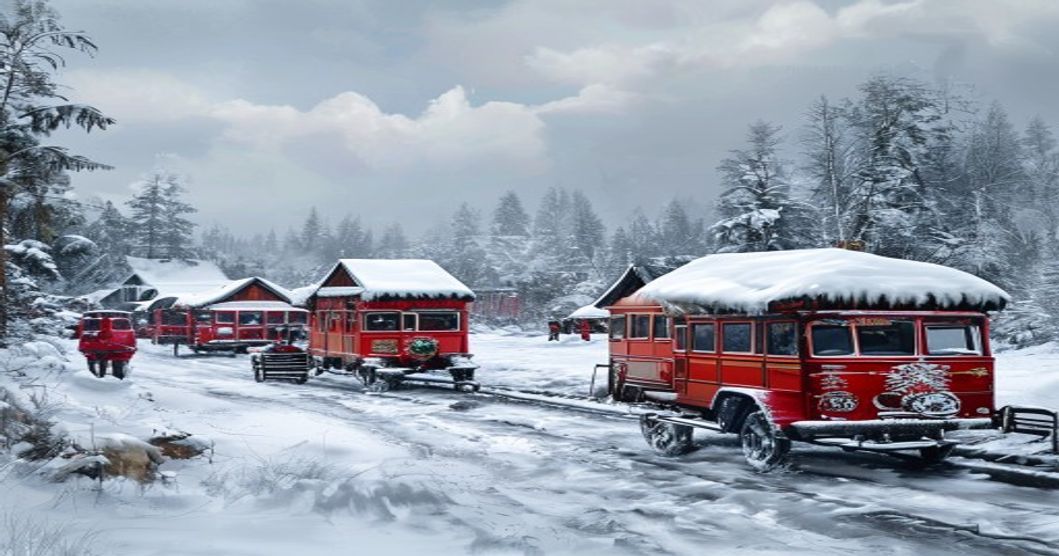
Historical Development of Indigenous Arctic Travel Methods
The historical evolution of indigenous Arctic travel methods in northern Fennoscandia and surrounding tundra zones reflects centuries of precise environmental adaptation. Before the arrival of wheeled vehicles or paved routes, Sami communities relied on a sophisticated network of seasonal pathways that synchronized with reindeer migration patterns, game availability, and glacial melt cycles. Early mobility strategies emerged during the late Holocene, approximately 4000 years ago, when nomadic groups began systematically tracking large ungulates across frozen landscapes. These travelers developed specialized gear long before external cultural exchanges introduced metal tools to the region.
Snowshoe construction represents one of the most critical innovations in pre-modern Arctic navigation. Crafted from spruce or birch frames laced with raw reindeer sinew or braided bark, these devices distributed body weight across compacted snow and deep drifts. Historical archaeological records indicate that binding techniques varied significantly by microclimate: coastal groups utilized flexible willow ribs to withstand coastal winds, while inland populations reinforced frame joints with boiled hide wraps for extreme thermal expansion. Ice navigation required distinct knowledge sets, including reading wind-drift patterns, identifying thin ice through acoustic resonance, and marking safe crossings with stacked cairns or carved wooden stakes.
- Reindeer-drawn sleds evolved from simple log platforms to curved runners shaped by steam-bending techniques, optimizing weight distribution across uneven terrain.
- Pole vaulting and ski-binding systems allowed rapid overland transit during winter months, with early leather straps securing footplates to carved wooden boards.
- Frost-hardened sled runners treated with animal fats reduced friction on glacial surfaces, a practice documented in medieval trading records between Sápmi and southern Scandinavian markets.
Knowledge transmission occurred through generational apprenticeship rather than written manuals. Elders taught route mapping via star positions, moss growth orientations, and wind-carved snow formations called sastrugi. Seasonal calendars dictated departure windows, ensuring herds remained viable while preventing overgrazing in fragile tundra ecosystems. These mobility systems sustained economic exchange, spiritual ceremonies, and territorial boundaries long before colonial surveys imposed fixed borders. The structural logic behind each tool remains embedded in modern sustainable transport design, demonstrating how indigenous engineering solved complex thermodynamic and logistical challenges without synthetic materials.
Reindeer Sled Design and Pulling Mechanics
The structural architecture of traditional Sami reindeer sleds prioritizes minimal ground clearance and maximum weight distribution across deep snow. Crafted from locally sourced pine or birch, the chassis features a pronounced upward curve at both ends, preventing the sled from burying itself in powder while maintaining stability during sharp directional changes. The runners are typically carved from solid elm or ash, treated with animal fat and resin to resist moisture absorption and ice buildup. This curvature creates a natural suspension effect, allowing the load to glide rather than drag, which significantly reduces draft resistance.
Pulling mechanics rely on a carefully calibrated harness system that aligns with reindeer anatomy. A padded breast strap transfers forward momentum from the animal’s sternum to a central yoke, positioned just behind the shoulder blades. This placement ensures the reindeer can utilize its powerful neck and forelimb muscles without restricting respiration or joint mobility. The breeching leather, wrapped around the hindquarters, provides critical counterforce during descents, preventing runaway acceleration on frozen slopes. Weight distribution remains strictly centralized; cargo is stacked symmetrically over the axle to maintain a low center of gravity, which minimizes lateral sway and preserves traction on uneven terrain.
- Draft Rope Placement: Tied at a precise 15-degree angle relative to the sled’s longitudinal axis, optimizing forward pull while preventing rotational torque.
- Runner Width Variance: Narrow profiles (4–6 cm) used for packed ice trails, expanded to 10–12 cm for untracked powder to increase surface area and reduce sinkage.
- Harness Padding Material: Layered reindeer fur and woven grass prevent chafing during extended journeys exceeding thirty kilometers daily.
- Axle Geometry: Fixed wooden pins replace modern bearings, allowing controlled flex under heavy loads while eliminating mechanical failure points in subzero conditions.
Snow interaction dictates operational efficiency. The sled’s shallow draft depth, typically under four inches, allows reindeer to maintain a steady walking pace without excessive energy expenditure. The curved runners displace snow laterally rather than pushing it forward, creating a self-cleared path that reduces drag by up to forty percent compared to flat-bottomed alternatives. When navigating steep gradients, handlers adjust harness tension to shift load weight rearward, increasing rear runner grip and preventing front-end lift. This mechanical synchronization between animal physiology, sled geometry, and environmental conditions forms the foundation of Sami winter mobility.
Ski Manufacturing Processes for Heavy Load Carrying
Traditional Sami ski crafting prioritized structural integrity over speed, ensuring reliable performance when transporting heavy supplies across frozen tundra and deep snowpacks. Artisans selected dense, straight-grained Scandinavian pine or ash for the core, materials chosen specifically for their resistance to compression under sustained weight. The timber underwent a controlled air-drying phase that spanned several months, reducing internal moisture to prevent warping during extended seasonal use. Once stabilized, craftsmen shaped the runners using drawknives and adzes, carefully tapering the edges while preserving a robust central spine to distribute load evenly across the snow surface.
The manufacturing workflow incorporated specific adaptations designed to handle dynamic weight shifts and prolonged friction exposure. Artisans followed precise technical protocols to maximize load-bearing capacity:
- Core Density Optimization: Seasonal timber harvesting cycles captured peak lignin concentration, ensuring maximum compression resistance under heavy sled harnesses.
- Laminated Reinforcement Layers: Additional wood strips positioned along high-stress zones prevented microfractures during extended traverses over ice-covered ridges.
- Sinew Binding Tension Calibration: Braided reindeer sinew provided consistent grip while allowing controlled flex under heavy packs and reindeer teams.
- Resin-Fat Waxing Sequences: Multi-layer surface treatments adjusted for sub-zero thermal contraction, maintaining glide efficiency across varying snow crystallization patterns.
Reinforcement techniques distinguished heavy-duty models from standard hunting skis. Layers of boiled leather were stitched along the underside to absorb shock during long hauls over frozen terrain. Bindings utilized braided reindeer sinew or cured rawhide, anchored through drilled channels and secured with iron pins that resisted freezing temperatures. The tip and tail sections received additional laminated wood strips, preventing fracture when bearing the sudden shifts in balance while carrying packs, sled harnesses, or reindeer teams. Heat bending was applied to create a subtle camber profile, allowing the ski to flex under load without permanent deformation.
Surface preparation involved repeated applications of rendered animal fat and pine resin, creating a hydrophobic barrier that maintained glide efficiency even when moisture accumulated from heavy packing gear. Edge sharpening followed a precise angle progression, ensuring stable traction on hard-packed trails while minimizing drag during long-distance crossings. Each pair underwent rigorous stress testing against frozen logs,
Terrain Assessment and Snow Depth Navigation Techniques
Traditional Sami winter travel required precise environmental reading before committing to any route across frozen landscapes. Navigating the duottar demanded immediate recognition of wind-sculpted ridges versus snow-filled depressions. Travelers tracked prevailing wind directions by observing exposed rock surfaces and lichen patches on leeward slopes. These visual markers revealed where drifting snow would accumulate, creating unstable layers over hidden crevasses or thin ice near watercourses.
Route selection relied heavily on crust evaluation. Experts tested snow density using a wooden gáhkku (ice auger) or reinforced ash pole. A solid windward crust supported reindeer sleds and foot traffic, while softer leeward zones required detours to avoid sinking. Seasonal thaw-freeze cycles produced distinct stratification patterns. Early winter brought granular surface hoar that fractured under weight, whereas mid-winter delivered dense, wind-packed slabs ideal for transit. Spring travel demanded constant monitoring of solar exposure on south-facing slopes, where crust collapse often triggered hidden drifts.
- Wind-Scoured Ridges: Hard-packed surfaces reduced sled friction and provided reliable anchor points for reindeer teams.
- Snow Depth Stratification: Travelers measured layer thickness by driving poles through surface hoar, refrozen crust, and basal ice to locate stable load-bearing zones.
- Vegetation Markers: Stunted dwarf shrubs and exposed birch roots indicated thin snow cover over rocky terrain, signaling safe passage across otherwise obscured drop-offs.
- Drift Pattern Mapping: Generations of oral route charts documented recurring snowdrift corridors along valley floors, allowing efficient corridor navigation during whiteout conditions.
Navigating deep snow required synchronized movement with the terrain. Skiers adjusted stride length based on subsurface resistance, while sled drivers rotated teams to prevent leg exhaustion on variable gradients. Sun compass readings supplemented visual landmarks when cloud cover eliminated horizon references. Every decision rested on continuous feedback between boot pressure, pole impact, and wind direction shifts. Mastery of these techniques separated successful winter migrations from stranded expeditions.
Equipment Repair and Maintenance During Extended Journeys
Maintaining functional equipment across the frozen landscapes of Sápmi requires meticulous preparation and rapid field adaptation. Traditional winter travelers carried specialized repair kits designed to address wear on wooden sled runners, reindeer leather harnesses, and ice-forged metal fittings. Cold temperatures accelerate material fatigue, causing leather to stiffen, wood to crack, and metal components to lose flexibility. Skilled practitioners anticipated these failures by carrying spare lashings, cured hide strips, pine resin sealant, and compact whetstones. When a runner developed a split or a harness strap fractured mid-journey, travelers relied on immediate improvisation rather than abandoning the route.
- Leather conditioning: Reindeer fat and rendered tallow were applied directly to straps to restore flexibility in sub-zero conditions.
- Wooden runner repair: Split runners were bound with birch bark strips and secured using heated pine resin for rapid adhesion.
- Metal fitting maintenance: Ice axes and sled hooks required regular sharpening on fine-grained stone pads to prevent edge degradation from abrasive ice crystals.
- Lashing replacement: Woven reindeer sinew and braided hide cords served as immediate substitutes for broken webbing or wire ties.
Field repairs followed generations of tested protocols optimized for thermal contraction, moisture management, and structural load distribution. Travelers monitored harness tension daily, adjusting buckles before cold-induced shrinkage caused sudden failure. Sled frames were inspected for hidden stress fractures near joint connections, where repeated impact on packed snow generated cumulative damage. When resin or sinew supplies ran low, alternative materials such as dried grass stems, caribou antler shards, and hardened birch bark provided functional substitutes without compromising mobility.
The success of extended winter routes depended entirely on this continuous maintenance cycle. A single unrepaired harness tear could strand a traveler across miles of unbroken snowpack. Conversely, consistent field care preserved equipment integrity, reduced fatigue from dragging damaged gear, and maintained predictable travel speeds. These practices remain documented in oral histories and ethnographic records as essential survival knowledge, demonstrating how indigenous Arctic communities engineered mobility solutions through material science and environmental observation long before synthetic alternatives existed.
Cultural Significance of Seasonal Movement Patterns
The seasonal migration patterns of the Sami people are not merely logistical responses to Arctic climate conditions but foundational elements of a living cultural ecosystem. Winter transportation methods—such as reindeer-drawn sleds, wooden skis, and dog-powered carts—emerge from centuries of adaptive knowledge that intertwines survival with spiritual worldview. These movement cycles dictate the rhythm of community life, governing when families gather, when trade occurs, and when ancestral rites are performed across frozen lakes and snow-covered taiga.
Seasonal mobility structures Sami social organization. The annual transit routes, known as jourds, function as cultural corridors where oral histories, hunting techniques, and reindeer husbandry practices are transmitted intergenerationally. Elders guide younger members through terrain features that serve as natural landmarks, reinforcing a deep ecological literacy passed down without written documentation. This navigational expertise ensures route safety during whiteout conditions while preserving territorial claims tied to historical grazing grounds.
- Winter passage routes align with lunar cycles and auroral activity, embedding astronomical observation into daily travel decisions.
- Transportation tools are crafted from locally sourced materials like spruce wood, reindeer antler, and rawhide, reflecting a sustainable resource philosophy.
- Ritual pauses during migrations honor ancestral spirits and maintain reciprocal relationships with the natural environment.
The cultural weight of these patterns extends beyond practical utility. Seasonal movement reinforces collective identity through shared labor, synchronized departure times, and communal processing of winter provisions. When families traverse frozen rivers or navigate narrow mountain passes using traditional sled runners, they reenact historical resilience that has sustained Sami autonomy across centuries of external pressure. This continuous practice acts as a living archive, where every journey becomes an act of cultural preservation against assimilation and ecological disruption.
Modern conservation efforts increasingly recognize these movement traditions as intangible heritage requiring legal protection. The seasonal rhythm dictates land-use policies, wildlife management strategies, and cross-border cooperation among Nordic states. By maintaining historical transit corridors, Sami communities safeguard not only their transportation practices but the entire knowledge system that supports Arctic biodiversity, traditional ecology, and indigenous sovereignty.
Environmental Shifts Affecting Frozen Route Reliability
Frozen corridors across Sami territories historically depended on sustained sub-zero temperatures, consistent snow accumulation, and uniform ice development over lakes and rivers. Recent climatic volatility has fundamentally altered these prerequisites. Extended periods of above-freezing air temperatures trigger repeated thaw-refreeze cycles, which fracture internal ice structures and reduce load-bearing capacity by up to forty percent compared to stable winter formations. Precipitation patterns have shifted toward rain-on-snow events, creating dense ice layers that prevent reindeer hooves from penetrating forage and destabilize packed snow tracks used by traditional sleds.
Permafrost degradation across northern Fennoscandia compounds these challenges. Thawing ground subsidence creates uneven terrain beneath thin snow cover, concealing potholes, exposed bedrock, and weakened riverbanks. Herders now encounter sudden drop-offs along established migration paths that previously offered predictable footing. Microclimatic variations further complicate route planning, as localized wind patterns redistribute fresh powder into drifts while leaving adjacent sections bare or glazed.
- Ice integrity monitoring requires manual thickness measurements at regular intervals, supplemented by thermal sensors embedded along critical crossings.
- Precipitation forecasting must account for rapid phase changes that transform soft powder into hazardous black ice within hours.
- Navigation systems face interference when rain obscures traditional cairns and tree notches, forcing reliance on GPS backup during whiteout conditions.
Adaptation strategies now integrate ancestral route memory with real-time meteorological feeds. Communities establish dynamic safety thresholds that dictate when frozen passages become impassable, triggering pre-planned detours over higher elevation terrain or reinforced dry-land corridors. These adjustments increase travel distance by fifteen to twenty-five percent during unstable periods, elevating fuel consumption for snowmobile convoys and accelerating livestock fatigue. Maintaining reliable winter mobility demands continuous environmental assessment, infrastructure reinforcement at vulnerable crossings, and flexible scheduling that respects both ecological limits and cultural imperatives.
Frequently Asked Questions
What is Traditional Winter Transportation in Sami Regions?
Traditional winter transportation in Sámi regions primarily relies on reindeer sleds, snowshoes, and dog sleds. These methods have been used for centuries by the indigenous Sámi people across northern Scandinavia and Russia to navigate deep snow and frozen landscapes efficiently.
Key facts about Traditional Winter Transportation in Sami Regions
Key facts include: reindeer are central to Sámi culture and transport; sleds are often crafted from locally sourced birch wood and antler; dog sledding was historically used for hunting and mail delivery; these methods require deep knowledge of weather, terrain, and animal behavior; and many traditional techniques are still practiced today alongside modern vehicles.