Cultural Preservation and Language Revitalization Challenges
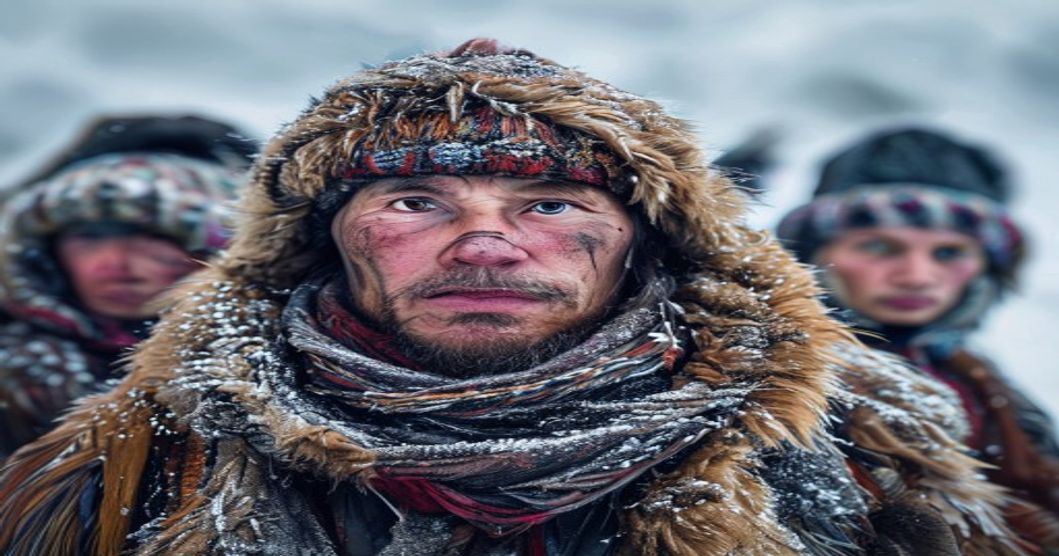
The Sámi people, Indigenous to the northern regions of Norway, Sweden, Finland, and Russia’s Kola Peninsula, face systemic pressures that threaten their linguistic and cultural continuity. Despite decades of advocacy, only a fraction of the estimated 80,000–100,000 Sámi individuals currently speak one of the eleven recognized Sámi languages fluently. Language shift accelerated during the 20th century due to state-sponsored assimilation policies, including residential schools that punished Indigenous speech. Contemporary revitalization efforts rely heavily on bilingual education programs, digital language applications, and community-led immersion camps, yet funding disparities and urban migration continue to fracture intergenerational knowledge transfer.
Erosion of Traditional Knowledge and Oral Histories
Traditional Sámi cosmology, seasonal calendars, and craftsmanship techniques are transmitted orally and through practice. The disruption of youth mentorship networks and the decline of pastoral lifestyles have created critical gaps in ecological literacy and artisanal skills. While digital archives and UNESCO-backed documentation projects preserve recorded materials, they cannot fully replicate the embodied transmission of joik (traditional song), duodji (handicraft), and reindeer husbandry expertise.
Institutional Support vs. Grassroots Activism in Language Education
Government-funded Sámi language institutes operate alongside independent cultural collectives that critique bureaucratic delays and tokenistic representation. Grassroots organizations increasingly leverage open-source platforms and social media to bypass institutional bottlenecks, creating decentralized learning ecosystems. However, standardized curriculum requirements often dilute region-specific dialects, prioritizing politically recognized variants over living linguistic communities.
Land Rights and Sovereignty Conflicts Across Sápmi
The ancestral territory of the Sámi, known as Sápmi, spans approximately 388,000 square kilometers across four sovereign states. Despite legal frameworks like Norway’s Finnmark Act (2005) and Sweden’s establishment of specialized land courts for Indigenous claims, industrial development consistently overrides customary land use rights. The core conflict centers on resource extraction, including mining, forestry, wind energy infrastructure, and hydroelectric dams, which fragment migration routes and degrade grazing lands.
Resource Extraction and Industrial Encroachment
Green transition policies have paradoxically intensified land conflicts. Offshore and onshore wind farms, critical for European decarbonization goals, are frequently planned over traditional Sámi pastures without Free, Prior, and Informed Consent (FPIC). Similarly, rare earth mineral mining in northern Sweden targets deposits located directly beneath reindeer winter feeding grounds. Corporate partnerships with national governments often marginalize Sámi consultative bodies, reducing them to advisory roles with veto power rarely exercised.
Legal Battles and the Definition of Indigenous Title
Sámi land rights litigation hinges on proving continuous occupation since at least 1960 (per Norwegian precedent) or establishing customary law recognition under international frameworks like ILO Convention 169. Legal victories remain fragmented; while some district courts recognize collective grazing rights, supreme courts in Norway and Sweden frequently defer to state sovereignty and economic development mandates. Transnational legal coordination among Sámi representatives remains essential but logistically complex due to divergent national jurisdictions.
Climate Change Impacts on Reindeer Herding and Ecosystems
Reindeer herding, the economic and cultural cornerstone for approximately 3,000 active Sámi pastoralists, is acutely vulnerable to rapid Arctic warming. The Sápmi region is experiencing temperature increases nearly double the global average, disrupting millennia-old ecological synchrony.
Shifting Pastures and Unpredictable Weather Patterns
Rain-on-snow events form impenetrable ice layers that prevent reindeer from accessing lichen beneath the snowpack, leading to mass starvation. Thawing permafrost destabilizes infrastructure such as fences, corrals, and seasonal camps, while altered precipitation patterns shift vegetation zones northward faster than herding routes can adapt. Phenological mismatch between calving seasons and peak forage availability further compromises herd survival rates.
Adaptation Strategies and Traditional Ecological Knowledge
Sámi pastoralists integrate Traditional Ecological Knowledge (TEK) with modern monitoring tools, utilizing satellite imagery, drone surveys, and meteorological data to adjust grazing rotations. Community-led early warning systems track ice formation and snow density in real time. Nevertheless, adaptive capacity is constrained by bureaucratic permitting processes that restrict mobility and limit investment in climate-resilient infrastructure.
Intersectionality of Cultural, Legal, and Environmental Threats
The Sámi crisis cannot be siloed into isolated domains; cultural survival, territorial sovereignty, and ecological stability are mutually reinforcing. The loss of land directly accelerates linguistic attrition, while climate-driven displacement undermines legal standing in land courts. Effective intervention requires intersectional policy frameworks that
Frequently Asked Questions: Modern Challenges Facing Sami People
What is Modern Challenges Facing Sami People?
Modern challenges facing the Sami people include land rights disputes, cultural assimilation, climate change impacting traditional reindeer herding, and the preservation of the Sami languages in an increasingly globalized world.
Key facts about Modern Challenges Facing Sami People
Key facts include: the Sami are the only indigenous people in the EU; over 80,000 Sami live across Norway, Sweden, Finland, and Russia; climate change is rapidly altering Arctic ecosystems critical to their livelihoods; and language revitalization programs are actively working to prevent the extinction of several Sami dialects.