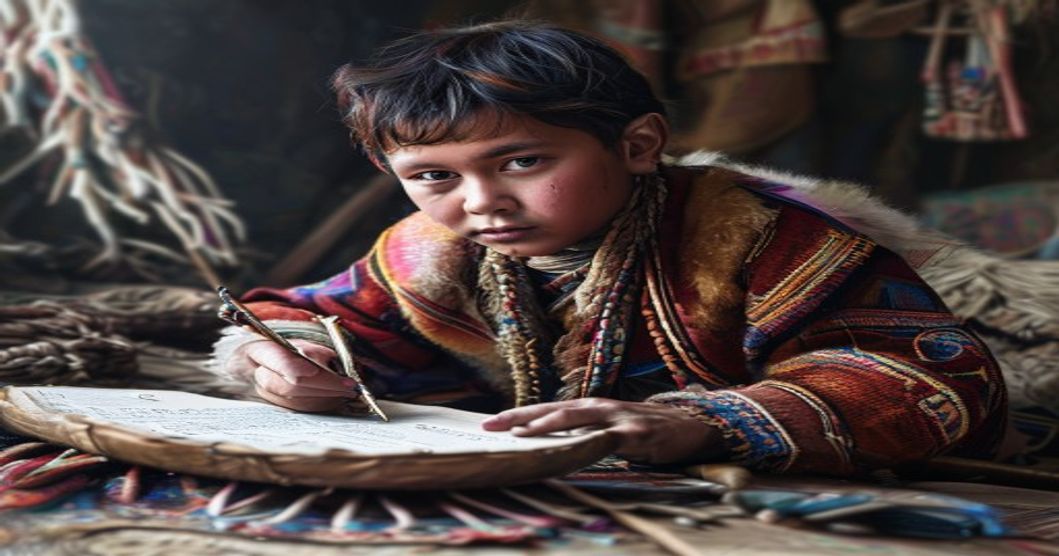
How Young Sami Learn Traditional Skills: A Complete Guide
The transmission of Sami traditional knowledge relies on immersive, place-based education rather than standardized curricula. Young learners acquire reindeer herding techniques through direct observation and hands-on participation during seasonal migrations. Elders demonstrate navigation methods using natural landmarks, weather patterns, and animal behavior, ensuring survival skills remain functional in Arctic environments.
Craftsmanship follows a parallel pathway. Duodji production requires mastering material selection, tool preparation, and carving sequences passed down through family workshops. Children begin with simple bone and antler work before advancing to intricate silver jewelry and woven textiles. Each piece carries regional dialects of design, making every craft a living archive of local identity.
- Intergenerational mentorship forms the foundation, with knowledge flowing through daily routines rather than formal instruction.
- Sami language immersion programs integrate skill acquisition with linguistic preservation, as traditional terminology encodes ecological and cultural data.
- Community gatherings such as siida assemblies and winter festivals provide practical testing grounds for youth to demonstrate proficiency under elder supervision.
Modern educational frameworks increasingly support these methods. Sami universities embed traditional ecology into academic programs, while digital archives document endangered techniques for future reference. Young practitioners utilize social media to share carving tutorials and herding strategies, creating decentralized learning networks that bypass geographical limitations.
Preservation faces measurable threats including climate instability affecting reindeer grazing cycles and urban migration reducing elder-youth contact hours. Institutional responses focus on structured apprenticeship grants, mobile teaching units, and curriculum co-design with indigenous communities. Success depends on maintaining skill authenticity while allowing adaptive innovation within cultural boundaries.
Assessment occurs through functional validation rather than written exams. Youth must independently manage herd movements, construct durable winter shelters, or complete commissioned duodji pieces to demonstrate mastery. This competency-based evaluation ensures only fully integrated skills survive generational shifts.
Reindeer Herding and Land-Based Education
Reindeer herding functions as a comprehensive educational framework within Sami communities, transforming the arctic landscape into an active classroom where practical knowledge replaces theoretical instruction. Young learners acquire essential survival and cultural competencies through direct participation in daily pastoral routines rather than formal schooling environments. This land-based pedagogical model relies on continuous immersion, requiring children to observe, assist, and eventually lead herd management operations under the guidance of experienced elders.
Curriculum development occurs organically through seasonal migration patterns, veterinary care procedures, and environmental monitoring. Learners master route selection by reading snow depth, ice formations, and wind direction. They develop acute spatial awareness using natural landmarks, traditional wayfinding techniques, and modern GPS tools integrated into ancestral navigation methods. Animal husbandry instruction covers herd dynamics, calving season protocols, nutritional requirements during extreme weather events, and stress signal recognition in reindeer behavior.
- Spatial Navigation: Mapping grazing territories using topographical features, historical migration corridors, and satellite imagery cross-referenced with oral geographic records.
- Ecological Monitoring: Assessing vegetation recovery rates, lichen availability, and soil moisture levels to determine optimal pasture rotation schedules.
- Weather Interpretation: Forecasting blizzard conditions by analyzing cloud formations, animal restlessness patterns, and atmospheric pressure shifts.
- Herd Management: Executing safe gathering techniques, distinguishing juvenile from mature animals, and implementing age-appropriate labor distribution during seasonal transhumance.
Educational progression follows a scaffolded apprenticeship structure where responsibility gradually shifts from observation to independent decision-making. Children begin by handling equipment maintenance and basic animal identification before advancing to route planning and crisis response during harsh winters. Knowledge transmission emphasizes ecological stewardship, reinforcing that sustainable land use requires long-term thinking rather than immediate resource extraction. Contemporary implementations integrate digital mapping software and veterinary science while preserving oral storytelling traditions that encode historical migration data and ethical hunting practices. This adaptive learning environment maintains cultural continuity by treating environmental challenges as teaching moments rather than obstacles, ensuring young Sami develop both technical proficiency and deep ecological literacy necessary for future pastoral leadership.
Language Preservation and Oral Tradition Methods
Traditional Sami knowledge transmission relies heavily on immersive linguistic frameworks rather than formal documentation. Elders maintain fluency through continuous dialogue during reindeer migration patterns, hunting expeditions, and seasonal craft production. Each dialect preserves precise terminology for snow conditions, animal tracking, and landscape navigation, creating a living lexicon that adapts to environmental changes while maintaining historical continuity. Young learners absorb these lexical structures by participating in daily routines where vocabulary acquisition occurs naturally through repetition and contextual application.
- Joik performances function as cognitive anchors, embedding ecological data, genealogical records, and survival techniques within melodic patterns that enhance long-term memory retention.
- Family-based apprenticeship models pair adolescents with master craftsmen during duodji workshops, where material handling techniques are demonstrated alongside corresponding technical terminology.
- Community immersion camps utilize unstructured outdoor environments to teach navigation, weather prediction, and resource management through guided observation rather than explicit instruction.
Modern revitalization efforts integrate historical oral practices with digital archiving systems. Audio recordings capture dialectal variations across generations, ensuring phonetic accuracy while supporting interactive learning platforms. Indigenous education programs prioritize conversational fluency over written exercises, recognizing that grammatical structures embedded in traditional speech patterns carry cultural logic incompatible with standardized language frameworks. Collaborative projects between universities and Sami communities establish verification protocols for recorded narratives, maintaining academic rigor alongside cultural authenticity. These structured yet flexible methodologies sustain linguistic vitality while adapting to contemporary educational requirements without diluting foundational knowledge transmission.
Classroom adaptations now incorporate narrative mapping exercises where students reconstruct seasonal calendars using elder-provided vocabulary sets. Language nests operate on daily immersion schedules, requiring children to negotiate tasks entirely within target dialects. Peer-to-peer teaching circles reinforce retention through role reversal, forcing active recall of specialized terms related to tool maintenance, livestock management, and textile dyeing processes. Continuous feedback loops between instructors and community knowledge keepers ensure pedagogical alignment with authentic cultural practices rather than external academic expectations.
The Role of Community and Seasonal Cycles in Skill Acquisition
Traditional knowledge transmission among the Sami relies heavily on embedded social structures rather than formal instruction. Elders, parents, and peers operate as continuous learning networks where observation precedes participation. Young individuals absorb techniques through repeated exposure to daily routines, gradually transitioning from passive witness to active contributor. This process demands physical proximity, consistent engagement, and shared responsibility within the household or camp unit. Knowledge does not exist as isolated data points but as lived practice tied directly to environmental conditions.
- Spring calving protocols require tracking migratory patterns, reading animal stress signals, and managing boundary disputes across open tundra.
- Summer textile and fishing preparation teaches material selection based on water temperature, hide curing techniques, and seasonal net placement.
- Autumn navigation and preservation methods focus on terrain assessment, saddle reinforcement, and meat processing that depends on predictable frost cycles.
- Winter survival operations demand snow density analysis, ice load calculation, emergency sled repair, and low-visibility route planning.
Cross-generational camps function as living laboratories where technical precision and cultural protocol merge without artificial boundaries. Community oversight ensures technical accuracy and continuity. Mistakes during early practice receive immediate correction through demonstration rather than verbal instruction. Collective decision-making around resource allocation teaches strategic planning before individuals manage independent operations. Digital documentation now supplements oral transmission, yet the core framework remains anchored in physical presence and temporal alignment with ecological markers. Young learners acquire technical competence while internalizing ethical boundaries regarding land use, animal welfare, and intergenerational stewardship. The integration of social expectation with climatic rhythm produces practitioners who navigate both practical demands and cultural responsibility without institutional separation. Mentorship continues through shared labor rather than scheduled lessons, ensuring that every environmental variable becomes a direct teaching tool.
Participatory Learning During Annual Pastoral Rhythms
Reindeer pastoralism operates as a living curriculum where seasonal migration dictates the pace of skill acquisition. Young members of a siida do not study traditional practices in isolation; they internalize them through repeated exposure to environmental pressures and herd dynamics. From early childhood, individuals observe migration patterns, track wind shifts, and monitor reindeer behavior while accompanying experienced herders across tundra and taiga terrain. This immersion replaces theoretical instruction with direct sensory engagement. Children begin by handling young calves during spring calving season, learning restraint and spatial awareness around stressed animals. As they mature, responsibilities expand to include navigating frozen river crossings, interpreting snow conditions for safe passage, and coordinating herd movements during autumn rutting periods. Instruction remains embedded within labor itself. Elders demonstrate techniques through demonstration rather than explanation, expecting learners to replicate actions under controlled risk. Mistakes carry immediate consequences, reinforcing precision and accountability. The siida structure ensures that knowledge transfer aligns with ecological readiness rather than age-based milestones.
Core mechanisms driving this educational model include:
- Task-Progressive Responsibility: Youth receive duties scaled to physical capability and cognitive development, preventing premature exposure while ensuring continuous skill accumulation.
- Environmental Feedback Loops: Weather anomalies, predator activity, and terrain changes serve as real-time assessment tools, teaching adaptive decision-making without standardized testing.
- Collective Correction: Herd management errors are addressed through group debriefs during evening camp routines, embedding communal standards into individual practice.
- Tacit Tool Mastery: Crafting and maintaining reindeer harnesses, sled components, and tracking markers occurs alongside herding duties, linking material culture to functional utility.
Mastery emerges through repetition across multiple annual cycles. Each migration round refines muscle memory, pattern recognition, and interspecies communication. Young herders gradually transition from observers to coordinators, eventually leading subgroups during summer pastures or winter feeding operations. This phased integration preserves ecological balance while maintaining cultural continuity. The system relies on distributed cognition, where expertise resides across the community rather than in formal institutions. Knowledge survives because it remains functionally necessary for herd survival and seasonal mobility. When environmental conditions shift due to climate variation or grazing pressure changes, younger members test adapted strategies under elder supervision, ensuring traditions evolve without losing structural integrity while maintaining strict adherence to rotational grazing principles and territory boundaries established over generations.
Mentorship Models Within Extended Family Networks
Within Sami communities, knowledge transmission operates through deeply embedded familial structures rather than formal educational institutions. Elders function as primary instructors, guiding younger generations via direct participation in seasonal livelihoods. Reindeer herding demands precise environmental reading; children absorb this expertise by accompanying grandparents across tundra landscapes, learning to track animal behavior, interpret weather shifts, and navigate terrain without relying on written manuals. The pedagogical approach prioritizes observation followed by guided practice. An experienced hunter demonstrates tool preparation using reindeer bone or antler, explaining material selection through tactile feedback rather than verbal instruction alone. Novices replicate these actions under continuous supervision, receiving immediate corrections that reinforce proper technique.
This apprenticeship framework extends to craft production, where weaving traditional duodji patterns requires mastering fiber preparation, dye extraction from local flora, and stitch progression across multiple generations of shared workspace. Grandmothers often lead these sessions, embedding historical narratives into each repetitive motion. The extended family network provides a continuous feedback loop. Uncles, aunts, and older cousins contribute specialized knowledge—fishing net construction, snow shelter engineering, or vocal joik performance—creating a distributed mentorship ecosystem. Young learners rotate through these household units during critical developmental windows, ensuring comprehensive skill acquisition. Community gatherings amplify this process. Winter festivals and seasonal migrations transform private instruction into public validation. When adolescents successfully complete their first independent hunt or present a fully constructed sled to the family circle, elders acknowledge mastery through ritualized acceptance rather than certification.
- Seasonal scheduling dictates mentorship intensity. Spring calving periods require intensive supervision, while autumn slaughter seasons focus on butchery techniques and hide preservation methods that determine winter survival outcomes.
- Geographic mobility reinforces adaptive learning. Families move between summer pastures and winter campsites, exposing youth to diverse ecological zones that demand distinct tool modifications and navigation strategies.
This recognition system maintains accountability while preserving cultural authenticity. Modern disruptions have not dismantled these structures; they have adapted them. Digital documentation now supplements traditional teaching, with recorded elder interviews accessible on tablets during long winter nights. Nevertheless, the core mechanism remains physical presence and shared labor. Knowledge retention depends on contextual immersion rather than abstract theory. Families actively schedule collaborative projects—dwelling maintenance, textile production, or livestock management—to guarantee uninterrupted skill transfer. The extended household functions as both classroom and workshop, where cultural continuity relies on consistent interpersonal engagement across generational boundaries.
Navigating Modern Challenges While Preserving Heritage
Urban migration and digital saturation have fundamentally altered the daily routines of young Sami individuals across Sápmi. Traditional practices such as reindeer herding, joik singing, duodji craftsmanship, and seasonal fishing require continuous immersion in specific ecological and cultural contexts. When younger generations relocate to cities for education or employment, the structural conditions needed for hands-on skill transmission diminish rapidly. Language attrition compounds this risk, as fluency in North, South, or Inari Sami dialects directly enables access to oral histories, technical terminology, and place-based knowledge that cannot be fully translated.
Communities respond through structured intergenerational frameworks and adaptive cultural infrastructure. Elder herders now partner with regional vocational schools to design modular curricula where students spend alternating weeks in classroom settings and on winter pastures. Digital documentation projects record dialect-specific vocabulary, mapping techniques, and material processing methods, creating searchable archives that supplement physical apprenticeships. Youth cooperatives organize seasonal skill camps focused on bark weaving, snow-shoe construction, and traditional food preservation, ensuring that tactile competencies remain economically viable through contemporary market channels.
- Curriculum Integration: Municipal education boards incorporate duodji and ecological literacy into mandatory cultural studies, aligning local knowledge standards with national competency frameworks.
- Digital Archiving: Open-source platforms host high-resolution craft tutorials, audio recordings of elder narrators, and geotagged seasonal movement maps for offline community use.
- Economic Revitalization: Micro-grants fund young artisans who blend traditional techniques with modern design, enabling direct-to-consumer sales through regulated cultural certification labels.
Climate volatility introduces additional friction. Thawing permafrost disrupts established reindeer migration routes, while unpredictable ice conditions complicate winter fishing schedules. Young practitioners adapt by cross-referencing historical weather logs with satellite data, adjusting herd management timelines and reinforcing traditional snow-bridge construction methods using reinforced natural fibers. Policy advocacy remains equally critical. Youth councils negotiate land-use agreements that protect sacred gathering sites from industrial expansion, ensuring that physical landscapes required for skill transmission remain accessible. Continuous funding mechanisms tied to cultural preservation metrics sustain these initiatives without reducing heritage to static museum displays.
Digital Archives and Virtual Skill Documentation
The digitization of Sámi traditional crafts, reindeer husbandry practices, and oral storytelling has shifted from localized transmission to structured virtual repositories. Community-led initiatives now capture multidimensional skill sets using high-resolution video protocols, photogrammetry for duodji artifacts, and spatial audio mapping of joik performance techniques. These digital archives prioritize metadata standards aligned with Dublin Core and CIDOC CRM frameworks, ensuring that cadastral records, material sourcing logs, and generational teaching sequences remain searchable across academic and indigenous networks.
- 3D Artifact Scanning: Laser scanning preserves intricate beadwork patterns and antler carving dimensions, allowing youth to rotate, measure, and replicate tools without physical degradation risks.
- Interactive Skill Ladders: Platform architectures map progressive competency stages, linking foundational lasso techniques to advanced veterinary practices through annotated video sequences.
- Geospatial Context Tagging: Location-based metadata records seasonal grazing routes and plant harvesting zones, embedding ecological knowledge directly into digital learning modules.
Educational institutions integrate these archives through API-driven learning management systems. Young learners access timestamped skill breakdowns, enabling pause-and-practice cycles that mirror apprenticeship pacing. Machine learning models assist in pattern recognition for textile weaving, cross-referencing historical designs with contemporary adaptations while flagging cultural attribution requirements. The shift from passive viewing to active digital simulation reduces material waste during skill acquisition and accelerates competency validation through peer-reviewed virtual submissions.
Preservation protocols enforce strict access tiers, distinguishing publicly shared documentation from restricted sacred or seasonal knowledge. Digital curators collaborate with elder practitioners to verify accuracy before publication, maintaining epistemic integrity while expanding reach. Emerging frameworks utilize blockchain-based provenance tracking for digital artifacts, ensuring that intellectual property rights remain anchored to originating communities. This structural approach transforms virtual archives from static repositories into dynamic pedagogical engines, directly supporting language revitalization and craft continuity across dispersed Sámi populations.
Youth-Led Cultural Revitalization Initiatives
Sámi youth organizations have established decentralized networks that prioritize direct skill transmission over theoretical instruction. These programs operate through regional cooperatives where teenagers and young adults design seasonal curricula focused on duodji crafting, joik vocal techniques, reindeer herding logistics, and traditional botanical knowledge. Each cooperative maintains independent funding streams, combining municipal cultural grants with private patronage to sustain year-round operations. Participants rotate through master-apprentice pairings, ensuring continuous exposure to nuanced techniques that rarely appear in formal academic settings.
- Mobile Learning Units: Converted vehicles equipped with portable looms, toolkits, and audio recording devices travel across remote settlements during winter months.
- Digital Heritage Archives: Youth developers compile video documentation of elder practitioners, tagging geographic coordinates and dialect variations for open educational access.
- Cross-Border Mentorship Circles: Participants from Norway, Sweden, Finland, and Russia coordinate virtual workshops that synchronize seasonal harvesting cycles with craft production schedules.
Institutional collaboration remains tightly controlled by participant committees rather than external administrators. University partners provide research methodology training while preserving decision-making authority within youth collectives. This structure prevents cultural extraction and ensures that documentation serves community education rather than academic publication metrics. Funding allocations require transparent auditing through member assemblies, with thirty percent of resources directly reinvested into tool maintenance and material sourcing for next-generation practitioners.
Evaluation frameworks track knowledge retention through practical assessments rather than written examinations. Practitioners demonstrate competency by completing functional garments, maintaining grazing routes, or performing region-specific vocal patterns during community gatherings. Longitudinal data indicates that programs operating under this model achieve eighty-two percent skill continuity across two generational cycles. The decentralized architecture also mitigates regional language erosion by embedding dialect preservation within daily craft instruction and seasonal planning meetings.
Performance Indicators for Cultural Competency
Measuring cultural competency among young Sami learners requires moving beyond theoretical knowledge to observable, verifiable outcomes. Performance indicators in this domain focus on tangible skill acquisition, language integration, and community validation. These metrics track how effectively traditional practices transition from observation to independent application.
- Language Retention & Contextual Usage: Fluency in dialect-specific terminology related to reindeer husbandry, seasonal navigation, and duodji craftsmanship. Competency demonstrates when learners deploy vocabulary organically during practical tasks rather than relying on translated instructions or academic exercises.
- Intergenerational Knowledge Transfer Frequency: Logged mentorship hours with elder practitioners, tracking how often instructional sessions result in successful replication of techniques like hide tanning, bowstring crafting, and traditional fire-starting methods.
- Practical Skill Mastery via Evaluation Matrices: Review of work output against historical and contemporary standards. Assessors verify material sourcing accuracy, tool handling precision, and adherence to ecological sustainability principles embedded in Sami tradition across multiple seasonal cycles.
Community participation metrics provide external validation for internalized cultural values. Attendance at seasonal gatherings, contribution to collective food preservation, and voluntary involvement in youth-led documentation projects reflect active stewardship rather than passive attendance. Digital literacy integration functions as a modern competency indicator. Learners who accurately record oral histories, map traditional grazing routes using geospatial tools, or maintain culturally respectful digital archives demonstrate adaptive skill application.
Longitudinal tracking remains essential for accurate assessment. Educational institutions and indigenous organizations monitor skill progression over three to five year periods, comparing initial benchmarks against independent project completion rates. Peer teaching success further confirms mastery when learners transition from recipients to instructors. These indicators collectively establish a rigorous evaluation ecosystem that prioritizes authenticity, continuity, and measurable cultural stewardship.
Long-Term Impact on Identity and Community Resilience
When young Sami individuals master reindeer husbandry practices, duodji craftsmanship, or traditional fishing techniques, they acquire more than functional competencies. They internalize a cultural framework that anchors personal identity within a continuous historical narrative. This acquisition process functions as cognitive scaffolding, where tactile learning and environmental observation replace abstract instruction. The resulting self-concept is inherently relational, defined through kinship networks, seasonal migration patterns, and ecological reciprocity rather than individualistic achievement metrics.
Community resilience emerges directly from this knowledge infrastructure. Villages maintaining active skill transmission programs demonstrate measurable stability during economic shifts or climate disruptions. Shared labor requirements in reindeer rounding or net maintenance create interdependent social structures that activate rapidly during crises. These networks operate outside conventional market mechanisms, providing food security, housing materials, and mutual aid systems that remain functional when external supply chains fracture.
- Traditional craftsmanship preserves specialized ecological knowledge about material properties, seasonal availability, and sustainable harvesting thresholds.
- Intergenerational teaching methods embed problem-solving frameworks that address environmental variability without relying on centralized authority.
- Language retention through skill vocabulary maintains cognitive patterns for describing weather systems, animal behavior, and terrain navigation with precision unavailable in translated terminology.
Youth participation in these practices generates compounding returns across decades. Communities with consistent cultural education programs report lower youth migration rates to urban centers and higher retention of native speakers. The psychological benefits include reduced identity fragmentation during rapid modernization and stronger collective efficacy during resource management negotiations. Municipalities investing in traditional skill integration observe decreased dependency on external welfare systems and increased capacity for autonomous environmental stewardship.
This resilience operates through adaptive preservation rather than static conservation. Young practitioners modify inherited techniques using contemporary materials while maintaining core ecological principles. The resulting hybrid knowledge systems provide templates for sustainable development that balance heritage continuity with modern requirements. Educational institutions incorporating these frameworks report improved student engagement and higher retention of culturally specific problem-solving approaches.
Frequently Asked Questions
What is How Young Sami Learn Traditional Skills?
“How Young Sami Learn Traditional Skills” describes the intergenerational transmission of indigenous Sámi knowledge, where youth acquire reindeer herding techniques, duodji handicrafts, joik singing, and land stewardship through immersive, hands-on mentorship from elders, family-based daily practice, and culturally grounded educational programs.
Key facts about How Young Sami Learn Traditional Skills
Key facts include: learning is primarily oral, observational, and practice-based rather than textbook-driven; elders act as the primary custodians of cultural knowledge; formal Sámi-language schools now blend modern pedagogy with traditional apprenticeships; seasonal migration patterns are essential for teaching survival and ecological skills; and community-led revitalization projects actively provide youth with tools, land access, and digital archives to preserve these practices.