Mastering the Tundra: Sámi Navigation and Terrain Reading
Sámi wayfinding relies on centuries-old observation of microclimates, glacial formations, and migratory patterns. Unlike modern electronic navigation, traditional practitioners interpret wind-shift indicators, lichen growth gradients, and the subtle curvature of frozen riverbeds to maintain directional accuracy during whiteout conditions.
Decoding Snow Patterns and Wind Directions
Wind-loaded snowdrifts reveal prevailing atmospheric currents. Sámi herders analyze sastrugi formations and frost crust layers to predict storm trajectories. By tracking the angle of wind-scoured ice ridges against mountain silhouettes, survival experts can estimate travel time before precipitation events and identify safe passage corridors.
Utilizing Natural Landmarks for Wayfinding
Historical Sámi routes connect seasonal grazing zones, glacial passes, and sacred sites through a network of persistent geographic anchors. Birch bark strips, stone cairns, and carved wooden posts serve as long-term markers. When horizon visibility eliminates during polar nights, practitioners rely on tactile navigation, using reinforced trekking poles to measure ground gradient and detect hidden crevasses or ice thickness variations.
Insulation and Shelter Architecture in Sub-Zero Environments
Arctic thermal management demands precise material selection and structural engineering. The Sámi developed climate-responsive dwellings that regulate internal temperature through passive heat retention, strategic ventilation, and moisture vapor diffusion.
Constructing Lavvu and Goahti Structures
The lavvu utilizes a conical wooden frame covered with layered reindeer hides, creating a draft-excluding envelope that minimizes convective heat loss. Central fire pits generate updraft currents that circulate warm air while smoke extraction at the apex prevents carbon buildup. In permanent encampments, the goahti incorporates turf roofing, peat insulation, and compacted earth floors to stabilize internal temperatures against extreme diurnal fluctuations.
Layering Strategies Using Reindeer and Animal Skins
Sámi cold-weather garments prioritize moisture-wicking base layers, wind-blocking middle panels, and vapor-permeable outer shells. Reindeer fur is worn with the hair facing inward to trap a stable boundary layer of air that reduces conductive heat loss. Traditional boot construction employs dual-layer leather systems that isolate skin temperature from ground conduction, preventing frostbite during prolonged stationary periods.
Food Preservation and Nutritional Adaptation
Sub-zero foraging and preservation techniques ensure caloric continuity during extended polar nights. Sámi communities historically optimized fat intake, protein sourcing, and enzymatic fermentation to sustain metabolic heat production and immune function.
Fermentation, Drying, and Fat-Dependent Diets
Meat preservation relies on natural freeze-drying (suovas) and anaerobic fermentation in reindeer stomachs, which breaks down connective tissue and preserves essential fatty acids. High-fat consumption from seal blubber, caribou marrow, and fermented fish provides sustained thermogenesis. Traditional diets maintain electrolyte balance through mineral-rich bone broths and lichen-based supplements that prevent vitamin deficiency during winter months.
Foraging in Frozen Ecosystems
Winter foraging targets resilient flora such as crowberry, cloudberry, and wild rose hips. Sámi practitioners identify snow-melt zones near geothermal vents and south-facing rock faces to locate viable plant matter. Lichens like reindeer moss are processed through repeated boiling and water-washing to remove usnic acid, transforming them into emergency carbohydrate sources that prevent metabolic fatigue.
Traditional Knowledge Transfer and Ecological Stewardship
Indigenous Arctic resilience depends on intergenerational pedagogy and ecosystem monitoring. Sámi survival frameworks integrate behavioral ecology with spiritual reciprocity, ensuring long-term habitat viability and operational safety.
Oral Histories and Seasonal Survival Cycles
Skill transmission occurs through immersive apprenticeship rather than textual documentation. Elders teach route memorization, animal tracking, and emergency wound management during extended camping periods. Knowledge is encoded in yoik chants and seasonal calendars that align human activity with reindeer migration windows, auroral visibility patterns, and ice stability thresholds.
Sustainable Hunting and Reindeer Herding Practices
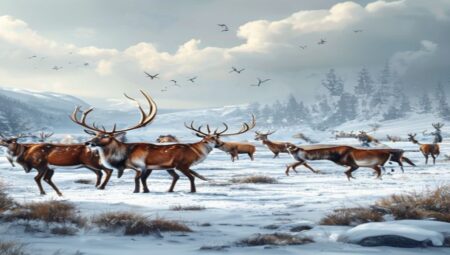
Ethical harvesting protocols limit population disruption through rotational grazing maps and selective culling based on herd health indicators. Herders monitor behavioral shifts to detect early signs of nutritional deficiency or predator pressure. Modern adaptations combine satellite telemetry with traditional terrain reading, preserving ecological balance while maintaining operational efficiency in extreme latitudes.
Frequently Asked Questions
What is How the Sami Survive Arctic Winters?
“How the Sami Survive Arctic Winters” refers to the traditional knowledge, cultural practices, and adaptive strategies employed by the indigenous Sámi people to endure the extreme cold, long nights, and harsh conditions of the Arctic environment. It encompasses reindeer herding, specialized clothing, shelter construction, food preservation, and a deep spiritual connection to the land.
Key facts about How the Sami Survive Arctic Winters
The Sámi survive Arctic winters through a combination of reindeer-based livelihoods, traditional duodji (handicrafts) like the warm gákti clothing, knowledge of snow and ice, mobile lavvu (tent) shelters, and communal sharing of resources. Their survival is deeply rooted in generations of ecological wisdom, sustainable hunting and herding practices, and an adaptive culture that respects the rhythms of the Arctic ecosystem.