This isn’t just a casual appreciation for the great outdoors; it’s a profound respect that permeates their traditions. For example, the Sami have an age-old practice of reindeer herding, which isn’t merely about survival. It’s about understanding the land, the seasons, and how to coexist with wildlife. Think of it as a timeless dance—each step taken with care, ensuring the balance between human needs and the health of the ecosystem remains intact.

Their spiritual beliefs underscore this bond, with nature often personified, reflecting a broader understanding that all living things are interconnected. The Sami view the land as a living entity, deserving of respect and care, much like you would for a cherished elder or a close friend. This recognition that nature is a vital part of their identity influences day-to-day decisions, from sustainable hunting practices to seasonal festivals that celebrate the changing cycles of life in the Arctic.
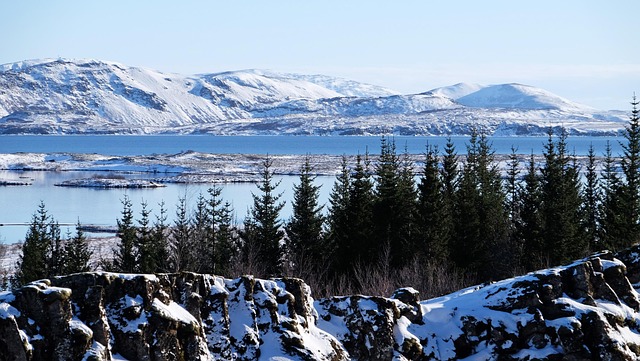
Ever wonder why these values matter today? In a world facing climate change and environmental degradation, the Sami’s way of life serves as a beacon of hope. They remind us that embracing local knowledge and respecting our surroundings can lead to sustainable futures. By learning from their traditions, we might just find the key to connecting with our planet in a way that feels authentic and meaningful.
Roots in the Tundra: How Sami Traditions Uphold Environmental Stewardship
Imagine the tundra as a vibrant classroom where every blade of grass, every reindeer track, teaches valuable lessons about coexistence. For the Sami, this isn’t just about living off the land; it’s about respecting it. They view themselves as stewards of nature, guardians of a fragile ecosystem that needs to be preserved for future generations. Their traditional practices, from reindeer herding to fishing in the crystal-clear waters, are done with care, ensuring that they harvest resources without depleting them. Just like a skilled artist who knows when to put down the brush, the Sami understand the balance of nature.
When you walk in a Sami’s shoes, you realize that there’s profound wisdom in their seasonal migrations and rituals. These practices aren’t just nostalgic—they’re essential for maintaining biodiversity. By following the natural rhythms of the tundra, they avoid overgrazing and allow flora and fauna to flourish, much like rotating crops to rejuvenate the soil. Don’t you think it’s fascinating how a community can teach us so much about sustainability simply by living in harmony with nature?
Their vibrant stories, passed down through storytelling and song, are like gentle reminders of our duty to protect the land. Through every song sung and every ritual performed, the Sami breathe life into the idea of environmental consciousness, showing us all that caring for our planet isn’t just an obligation—it’s a way of life.
Preserving the Past: The Sami People’s Lessons on Sustainable Living

The Sami have a unique relationship with their environment, which teaches us invaluable lessons on living sustainably. For them, resource management isn’t just a concept; it’s a way of life. They rely heavily on herding reindeer, which shows an incredible understanding of animal husbandry. Rather than depleting their resources, they practice rotational grazing to ensure that pastures recover naturally. Isn’t it fascinating how they turn to the Earth for guidance, instead of against it?
Now, think about the modern cities we live in. We often chase convenience at the cost of our planet. The Sami challenge this mindset by using every part of the reindeer, from food to clothing, demonstrating an ideology of zero waste that seems almost revolutionary today. It’s like having a multi-tool in your pocket—all parts are useful, and nothing goes to waste!
Moreover, their deeply rooted respect for nature teaches us about balance. They celebrate the seasons, understanding when to hunt and when to gather, aligning their lives with the rhythm of the earth. It’s like dancing with the cycles of nature rather than battling against them. This delicate balance is a lesson we all need, especially in our rapid-paced world where it’s easy to overlook the impact of our choices on the environment.
Nature’s Guardians: The Role of Environmental Values in Sami Culture
The Sami people, indigenous to the Arctic regions of Norway, Sweden, Finland, and Russia, have thrived for centuries by respecting and preserving their natural surroundings. Their relationship with the land is akin to a dance, where each step is in sync with the rhythms of the earth. From reindeer herding to fishing, every practice reflects a deep-seated belief in sustainability. It’s like they have a built-in compass that points towards balance, ensuring the landscape remains vibrant for generations to come.
Imagine walking through the tundra, where every blade of grass tells a story. The Sami listen—not just with their ears but with their hearts. They understand that nature is not merely a backdrop to their lives but a vital part of their very identity. In their eyes, disrespecting the environment is akin to sabotaging your own home. How can one truly thrive if their surroundings are in ruins?
From Reindeer to Rivers: Exploring the Sami Connection to the Land
Think about the reindeer, those graceful creatures that roam the frostbitten landscapes. To the Sami, they’re more than just animals; they’re a lifeline, a partner in the dance of life. These majestic beings provide food, clothing, and even transportation, mirroring the Sami’s deep respect for nature. It’s like a symbiotic relationship where both the reindeer and the Sami thrive, each reliant on the other’s existence.
Now, let’s take a detour to the rivers that weave through the Sami homeland. These waterways are not mere bodies of water; they’re vibrant veins that pulse with stories of generations past. Picture this: a riverbank adorned with sights and sounds, where Sami families gather to fish, share tales, and celebrate traditions. These rivers serve as connectors, uniting communities with their flowing essence, much like how a family gathering stirs warmth in a home.
As we explore this connection further, it’s clear the Sami way of life advocates for a sustainable existence. They’ve mastered the art of living in harmony with nature, treating it as a cherished relative rather than a resource to exploit. It’s a philosophy that’s becoming more critical as we face ecological challenges today. The Sami remind us that true wealth lies in nurturing our relationship with the earth, where every reindeer and river plays a part in the beautiful symphony of life.
A Different Perspective: Sami Traditions Offer Vital Insights for Modern Environmentalism
Picture this: the Sami view the land, animals, and seasons as interconnected, much like a vast web. They understand that every action has a ripple effect—going beyond the “me” to encompass the “we.” By respecting natural cycles, such as the migration of reindeer, they promote sustainability in a way that modern society often overlooks. It’s akin to an orchestra—each instrument complements the others, creating a harmonious symphony rather than a chaotic clash of noise.
Moreover, the Sami’s use of traditional ecological knowledge (TEK) emphasizes a hands-on approach to conservation. They don’t just study the environment; they live it, embodying principles of stewardship that modern environmentalists are only beginning to recognize. Imagine if urban planners or farmers turned to these ancient practices for insights! Instead of solely relying on technology, integrating Sami wisdom could lead to more sustainable practices that nurture the earth.
But here’s the kicker: embracing Sami traditions isn’t just about learning from them; it’s about collaborating. By honoring these indigenous insights, we can foster a more inclusive dialogue around environmental issues, tapping into diverse perspectives that enrich our understanding of ecology. After all, in this globalized world, isn’t it time we realized that wisdom comes in many forms? The Sami way of life shows us that caring for the planet transcends borders—it’s a shared responsibility that we all must shoulder.
Cultural Heritage and Eco-Consciousness: The Sami Way of Life
At the heart of Sami culture is reindeer herding, a practice that might seem simple, but is so much more. It’s a sustainable way of life that thrives on deep ecological knowledge. The Sami move with the seasons, guiding their herds across the tundra, ensuring that both the reindeer and the fragile ecosystem can flourish. Think of it as a well-choreographed dance where every step is in sync with nature’s rhythm. Not only do they maintain this age-old tradition, but they also infuse modern eco-consciousness into their practices—promoting biodiversity and ensuring that future generations can enjoy the land’s bounty.
But it doesn’t stop at herding. Sami craftsmanship, from intricate handicrafts to their vibrant clothing, showcases both tradition and environmental awareness. Each item tells a story, often using materials sourced ethically. It’s like wearing a piece of the Earth’s own history. The Sami approach to life reminds us of the importance of balance between heritage and sustainability, urging us to reconsider our own impact on the planet. Through their eyes, we see that protecting our cultural roots can go hand-in-hand with caring for the environment, creating a world that honors both who we are and where we live.
Frequently Asked Questions
How Are Sami Cultural Practices Linked to Environmental Conservation?
Sami cultural practices incorporate traditional ecological knowledge that fosters a sustainable relationship with the environment. By utilizing methods such as reindeer herding, fishing, and foraging, the Sami promote biodiversity and maintain natural habitats. Their practices emphasize respect for nature, ensuring that natural resources are used responsibly and preserved for future generations.
How Do Sami Traditions Reflect Sustainability?
Sami traditions emphasize a harmonious relationship with nature, showcasing sustainable practices in reindeer herding, fishing, and foraging. These customs prioritize ecological balance, respect for resources, and cultural heritage, illustrating how their lifestyle promotes sustainability in their northern environments.
In What Ways Do Sami Values Influence Land Management?
The values of the Sami people significantly shape land management practices by emphasizing sustainability, respect for nature, and communal stewardship. These principles guide decision-making processes that balance ecological preservation with traditional uses of land, ensuring that practices are culturally relevant and environmentally responsible.
What Role Does Nature Play in Sami Spiritual Beliefs?
Nature is central to Sami spiritual beliefs, symbolizing a deep connection to the earth and its elements. The Sami view the land, animals, and natural phenomena as sacred, believing that they are intertwined with their identity and culture. This relationship fosters a respect for the environment and underpins their traditional practices, rituals, and worldviews.
What are the Key Environmental Values in Sami Traditions?
Sami traditions emphasize a deep respect for nature, viewing the environment as an integral part of their identity and culture. Key values include sustainability, harmony with wildlife, and the sacredness of land and water. These principles guide their practices in reindeer herding, fishing, and foraging, advocating for the preservation of biodiversity and ecological balance.