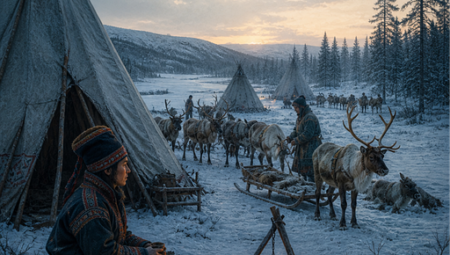
You see, the Sami have been keen astronomers for centuries, using the stars like a navigation tool. Picture this: before maps and GPS, these skilled observers relied on the constellations to guide their reindeer herding and seasonal migrations. Isn’t it fascinating how the simple act of looking up could lead to survival in such a harsh environment? They didn’t just see stars; they saw stories and lessons from their ancestors, reflecting a profound connection to nature and the cosmos.
Think of the auroras, those mesmerizing displays of light that dance across the polar skies. To the Sami, these weren’t just beautiful phenomena; they held significant meaning and were often tied to spiritual beliefs. Each flicker and glow was a messenger from the heavens, telling tales of the past while guiding them toward the future. So, next time you gaze at the stars, consider what stories they might tell if only you took the time to listen.
Starlit Wisdom: Exploring the Sami Perspective on the Cosmos
The Sami perspective on the cosmos is a blend of spirituality and practicality. For them, stars aren’t just distant suns; they serve as guides, storytellers, and even companions. Picture this: the shimmering lights above represent ancestral spirits, lighting the way for the living. Just as the North Star has helped countless travelers find their way, the Sami perceive these celestial bodies as beacons of wisdom, whispering secrets of the universe directly into their hearts.
Have you ever felt a strong connection to a place or a moment? For the Sami, every constellation carries a story, a lesson, or an emotion. They don’t just see stars; they interpret them. The patterns in the night sky are akin to a cosmic diary, with each twinkle revealing chapters of their existence. Wind whispers through the trees, and those sounds mix with starry lore, planting deep roots in Sami identity.
The Sami also respect the rhythms of nature, aligning their lives with the cosmic cycles. Each season brings its own lessons, much like the various phases of our lives. Just as winter yields to spring, their stories remind us to embrace change and find balance with the world around us. When you look up at the night sky, remember that each glimmer of light holds the rich history and wisdom of a culture intricately tied to the cosmos.
Guardians of the Night: How Sami Culture Shapes Astronomical Understanding
For centuries, the Sami have gazed up at the night sky, allowing the stars to guide both their spirituality and daily lives. Stars weren’t mere dots of light; they were guardians, storytellers whispering ancient tales. Every constellation is a chapter, each one revealing a slice of Sami mythology. Imagine navigating through the icy plains with the North Star as your only compass—this is how the Sami ancestors lived, their lives intertwined with the cosmos.
But it’s not just about navigation. Sami folklore is rich with tales like that of the “Sun Goddess” and “Moon Father,” providing a unique lens through which they interpret celestial phenomena. When the northern lights flicker across the sky, they see spirits dancing rather than just atmospheric interactions. Doesn’t that add an enchanting twist to what we might write off as just science?
Furthermore, understanding seasonal changes plays a crucial role in Sami culture. The shifting stars mark migratory patterns for reindeer herding, a lifeblood activity. It’s as if the night sky becomes a nature documentary, outlining the rhythms of life on Earth. With this celestial connection, one can’t help but wonder how our own culture might seem, if we viewed the universe through such a vibrant narrative.
Sky Stories: The Sami Tradition of Astronomy and Celestial Navigation
In the frigid Arctic, where the landscape is often barren and windswept, the night sky becomes a trusted companion. Sami reindeer herders have long studied the stars to find their way across vast stretches of snow-covered land. Picture this: a sprawling white canvas under a dazzling starry dome, where each constellation holds clues about the world just beyond the horizon. Isn’t it amazing to think that ancient wisdom is embedded in the very constellations we see today?
Beyond navigation, the Sami traditions also speak of spirits and nature, interlinking everything into a grand cosmic dance. For example, the Northern Lights, or Aurora Borealis, were often seen as a communication from ancestors, lighting up the icy nights with warmth and meaning. It’s like the universe is putting on a spectacular show just for them! By sharing these astronomical stories—passed down through generations—the Sami not only preserve their history but also create a deeper connection to the land they inhabit.

So, next time you find yourself stargazing, consider the Sami perspective. Each star could be a guide, a storyteller, or even a friend. What adventures await within their glimmer? The sky is indeed full of stories waiting to be unraveled.
The Stars Above: Unveiling the Sami Connection to the Night Sky

The Sami, indigenous to regions of Norway, Sweden, Finland, and Russia, have watched the stars for generations. Each star, constellation, and celestial event is like a bookmark in their folklore, filled with stories passed down through centuries. Take the Big Dipper, for instance. To many, it’s simply a constellation. But for the Sami, it represents a hunting path or embodies a fable wrapped in their rich oral traditions. Can you imagine how these legends come alive under the vast, twinkling sky?
Their understanding of the cosmos isn’t just poetic; it’s practical too. The Sami have long used the movements of celestial bodies to navigate the frigid landscapes, hunt, and even predict the changing seasons. It’s like using a cosmic GPS, perfectly tuned to nature’s rhythm. Plus, the Sami celebrate the natural world, viewing it as a canvas painted with divine elements that require respect and stewardship.
From Myths to Measurements: Sami Contributions to Indigenous Astronomy
Picture this: generations of Sami have navigated their snowy landscapes using the constellations as their compass. While many of us might turn to our smartphones for directions, the Sami relied on a profound understanding of celestial movements. They observed how stars shift with the seasons, tracking the rhythms of nature long before the advent of GPS. The result? A lifetime of wisdom passed down through oral traditions, blending cosmology with daily life.
Ever heard of the “bear constellation”? The Sami called it “Bear in the Sky,” embodying their symbiotic relationship with nature. This wasn’t just casual stargazing; it was a fundamental part of their identity. Their stories, brimming with vibrant imagination, painted the night sky with narratives about animals, spirits, and the changing seasons. It’s like their version of storytelling—just, you know, elevated to a whole new dimension!
Apart from the enchanting tales, the Sami also made significant strides in observational astronomy. They skillfully noted lunar phases and seasonal changes, helping them plan hunting and fishing trips effectively. This meticulous attention to the cosmos reflects an ancient wisdom that science is only beginning to recognize.
So, the next time you find yourself gazing upward, remember that the Sami’s celestial legacy isn’t just about navigation—it’s a bridge connecting culture and the cosmos, reminding us that the universe is alive with stories waiting to be told. How remarkable is that?
Celestial Landscapes: How Sami Communities Interpret the Northern Night
In the Sami worldview, the night sky pulses with life. The shimmering auroras, often referred to as the “Northern Lights,” are seen as manifestations of spirits and the energy of their loved ones. These ethereal lights dance across the dark canvas, painting emotions and stories that speak to their rich heritage. Picture this: as the colors swirl and flicker, the Sami gather around a campfire, sharing tales of their ancestors’ journeys, resonating with every flicker in the sky above.
The moon, too, plays a pivotal role in Sami traditions. Full moons aren’t just for admiring; they mark seasons, signify the cycle of nature, and guide reindeer migrations. Have you ever pondered how something as ordinary as the moon can shape a community’s way of life? For the Sami, it shapes their very existence, informing their hunting practices and lifestyles.
So, next time you find yourself gazing at the stars or marveling at the northern lights, think of the Sami. They don’t just see a celestial display – they see the embodiment of their identity, stories of resilience, and a deep-rooted connection to the rhythms of the universe. The Northern night, for them, is more than beauty; it’s their sacred narrative, a cosmic connection binding them to the land and each other.
Frequently Asked Questions
What Are Common Constellations in Sami Culture?
In Sami culture, constellations are often related to mythology and nature. Commonly recognized patterns include the Big Dipper, which is associated with hunting and the movement of reindeer, and the Pleiades, linked to seasonal changes and agricultural cycles. Sami storytelling frequently incorporates these star patterns, reflecting their deep connection to the land and celestial navigation.
What Are the Key Features of Sami Astronomy?
Sami astronomy encompasses the traditional knowledge and practices of the Sami people regarding celestial phenomena. Key features include their understanding of the movements of the sun, moon, and stars, which influence their seasonal activities. Sami astronomy is deeply connected to nature, guiding hunting, fishing, and reindeer herding. The Sami also use constellations and related folklore to navigate and mark time, reflecting their relationship with the environment and cultural heritage.
How Did the Sami People Use the Night Sky for Navigation?
The Sami people utilized the night sky for navigation by observing stellar patterns, specifically the position of stars and constellations. They relied on the North Star to determine direction and used seasonal variations in celestial bodies to navigate across their vast, often harsh, landscapes. Knowledge of the night sky was essential for tracking time and seasons, aiding in hunting, herding, and migration.
What Role Does Nature Play in Sami Astronomical Knowledge?
Nature serves as a foundational element in Sami astronomical knowledge, guiding their understanding of celestial phenomena. The Sami closely observe natural cycles, such as seasonal changes and animal behavior, which inform their navigation and timekeeping. Their cultural narrative intertwines with natural elements, creating a rich tapestry of knowledge that emphasizes the interconnectedness of the environment and the cosmos.
How Do Sami Traditions Relate to Celestial Events?
Sami traditions are deeply intertwined with celestial events, as they often rely on natural phenomena for guidance in agriculture, hunting, and cultural rituals. Seasonal changes, determined by the position of the sun and stars, influence important aspects of Sami life, including reindeer herding and community celebrations. Understanding these relationships highlights the significance of astronomy in Sami heritage and practices.