The Geographic Extent of Sápmi Across Northern Europe
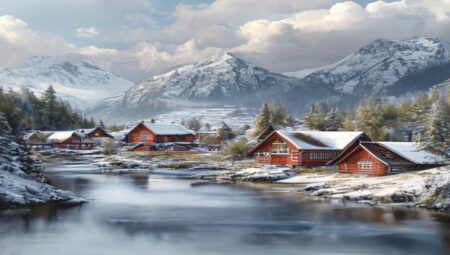
Sápmi represents the ancestral homeland of the Sami people Norway, a vast Arctic and subarctic region that spans across the northern territories of Norway, Sweden, Finland, and the Russian Kola Peninsula. Within Norwegian borders, Sápmi encompasses approximately 56% of Finnmark county, extensive portions of Troms og Finnmark, Nordland county, and scattered municipalities in Trøndelag. The region stretches roughly from the Lofoten archipelago in the south to the Arctic Ocean coastline in the north, covering diverse topographies that include tundra, fjords, mountain ranges, coastal archipelagos, and boreal forests. Modern administrative boundaries rarely align with traditional Sami land use patterns, which historically followed migratory routes dictated by ecological zones rather than political lines.
Defining the Core Territory in Norway
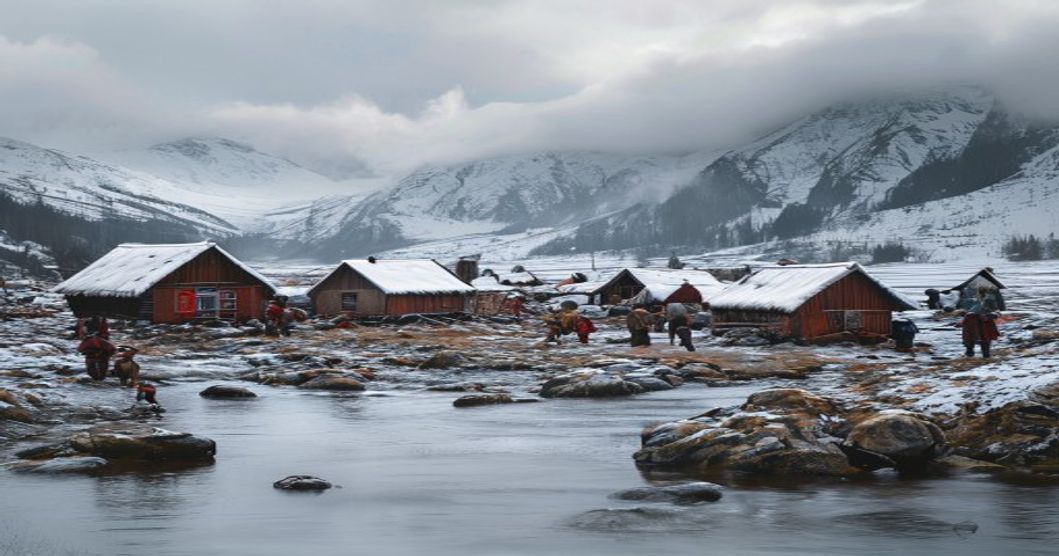
The heart of Norwegian Sápmi centers around the municipalities of Kautokeino, Karasjok, Tana, Porsanger, and Sør-Varanger, where indigenous populations maintain the highest cultural continuity. These areas feature critical grazing lands, winter pastures, and breeding grounds that sustain traditional livelihoods. The Finnmark plateau serves as a vital ecological corridor, providing alpine terrain during summer months and snow-stable lowlands during winter. Settlement patterns remain highly decentralized, with communities strategically positioned near waterways, mountain passes, and coastal fjords to optimize seasonal resource access.
Cross-Border Regions and Historical Context
Sami migration routes historically crossed what are now international borders established through treaties in the 18th and 19th centuries. The 1751 Strömstad Border Convention between Sweden and Denmark-Norway formalized grazing rights but failed to recognize indigenous land ownership, a legal gap that persists in modern land management disputes. Contemporary Sámi organizations advocate for transboundary cooperation frameworks that acknowledge ecological continuity over political fragmentation. Climate-driven shifts in vegetation lines and snowpack stability are further complicating traditional navigation methods, requiring adaptive land-use strategies that respect both indigenous knowledge systems and national conservation policies.
Traditional Livelihoods and Economic Foundations
The Sami economy has historically operated on a mixed subsistence model adapted to extreme Arctic conditions. Unlike conventional agricultural systems, Sámi resource management prioritizes mobility, ecological balance, and intergenerational knowledge transfer. Modern economic participation includes state-supported reindeer herding cooperatives, municipal employment sectors, tourism enterprises, and craft industries, yet traditional practices remain the cultural and economic backbone of many communities.
Reindeer Herding as a Cultural Pillar
Reindeer herding (boazovázzi) functions as both an economic activity and a legal right protected under Norwegian law and international indigenous frameworks. Approximately 8,000 registered reindeer owners operate within Norway, with the majority concentrated in Finnmark and Troms counties. The practice requires extensive geographical knowledge, including migration route planning, pasture rotation schedules, calf branding techniques, and veterinary care adapted to remote terrain. Legal restrictions on hunting and fishing during calving seasons ensure herd sustainability, while modern tracking technology complements traditional snow-reading skills and animal behavior interpretation.
Fishing, Hunting, and Seasonal Adaptations
Beyond reindeer husbandry, Sámi communities historically relied on coastal fisheries, inland salmon and trout harvesting, waterfowl hunting, and wild plant gathering. Traditional fish weirs, ice-fishing shelters, and seasonal drying racks remain visible across the landscape, reflecting generations of hydrological and climatic observation. Modern food systems integrate these practices with contemporary preservation methods, while commercial fishing licenses operate under quota systems that occasionally conflict with indigenous harvesting rights. Seasonal festivals and communal meals continue to reinforce ecological literacy and community resilience.
CWhere Do the Sami People Live in Norway? Mapping the Sápmi Homeland
The geographic distribution of the Sami people in Norway centers on a transboundary region known as Sápmi, which extends across northern latitudes from 68°N to 71°N. Within Norwegian borders, this indigenous territory spans three primary counties: Nordland, Troms, and Finnmark. The core administrative and cultural heart of the region lies in the upper Finnmark plateau and the coastal fjords of northern Troms. Historically, Sami habitation followed ecological corridors rather than political lines, but modern mapping places approximately 40,000 to 50,000 ethnic Sami within Norway’s sovereign territory, with the highest population density concentrated in municipalities that grant special linguistic and cultural protections.
Historical Boundaries and Modern Administrative Divisions
The traditional grazing lands of the Sami were never formally demarcated by colonial borders, but contemporary governance has established clear administrative zones where indigenous rights are legally recognized. The Norwegian government designates the Sami administrative area across 21 municipalities in Finnmark and Troms, alongside select communes in Nordland. This legal framework stems from the ratification of International Labour Organization Convention No. 169 and domestic legislation that acknowledges ancestral land use. Municipalities such as Kautokeino, Karasjok, Tana, Porsanger, and Sør-Varanger function as primary governance centers where Sami language holds official status in public services, education, and local administration.
Key Municipalities and Cultural Hubs Across Northern NorwayFrequently Asked Questions
What is Where Do Sami People Live in Norway??
This phrase refers to the traditional homelands and current inhabited regions of the Sámi indigenous people within Norway, primarily concentrated in the northern counties of Troms og Finnmark, Nordland, and parts of Trøndelag.
Key facts about Where Do Sami People Live in Norway?
The Sámi homeland, known as Sápmi, spans across northern Norway, Sweden, Finland, and Russia. In Norway, the Sámi population is estimated between 60,000 and 100,000, with the highest densities in Finnmark and Troms. They are legally recognized as Norway’s only indigenous people, with protected rights to language, culture, and reindeer herding, and the Sámi Parliament of Norway is headquartered in Karasjok.