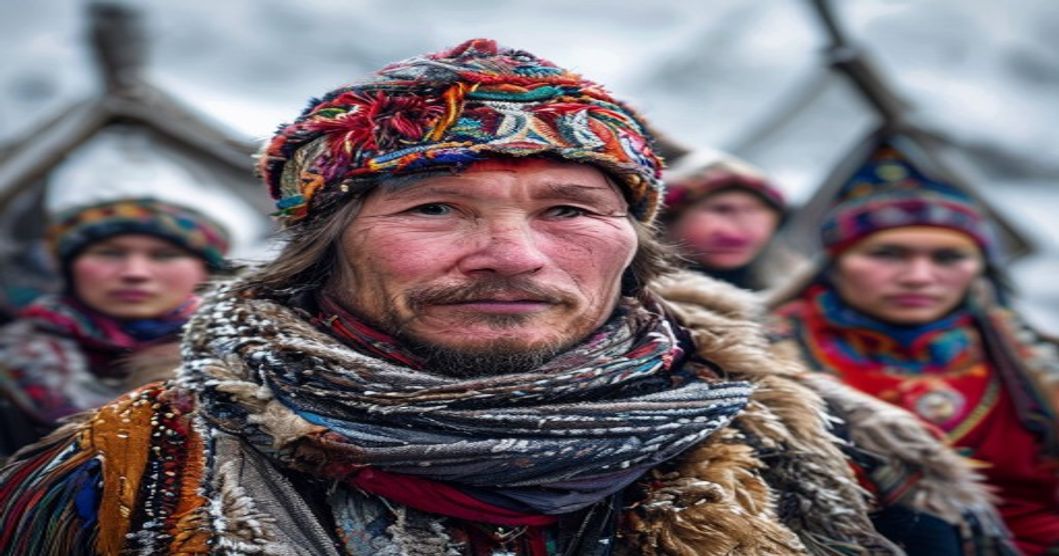
The Importance of Cultural Pride in Sami Communities
Cultural pride among the Sami people operates as a structural defense against centuries of forced assimilation policies enacted across Norway, Sweden, Finland, and Russia. Historical suppression of indigenous languages, territorial dispossession, and missionary-driven education systems systematically dismantled traditional livelihoods. Modern revitalization initiatives directly counteract this legacy by prioritizing mother-tongue instruction in early childhood programs and secondary curricula across all four nations.
The establishment of regional Sami parliaments has institutionalized political representation, enabling communities to negotiate resource management rights over vast territories spanning reindeer
Historical Foundations of Indigenous Identity and Resilience
The Sami people’s historical trajectory is rooted in millennia of continuous habitation across Sápmi, a transnational region spanning northern Fennoscandia and the Kola Peninsula. Long before modern state borders were drawn, Sami communities developed complex socio-economic systems adapted to arctic and subarctic environments. Reindeer husbandry, seasonal migration routes, and intricate ecological knowledge formed the backbone of indigenous governance and cultural continuity. These practices were not merely survival strategies but foundational elements of a worldview that recognized land as a living entity integral to identity.
State formation in Norway, Sweden, Finland, and Russia initiated systematic efforts to integrate or eliminate Sami autonomy during the eighteenth and nineteenth centuries. Colonial administrations implemented policies designed to fracture communal structures: mandatory schooling in dominant national languages, restrictions on traditional land use, and missionary campaigns that labeled indigenous spiritual practices as pagan. The Swedish Settler Policy of 1920 explicitly aimed to assimilate northern populations through agricultural conversion and linguistic suppression, while Finnish legislation enforced compulsory education that penalized Sami speech. Russian imperial authorities similarly restricted cross-border movement and marginalized nomadic economies.
Resilience emerged through deliberate cultural preservation mechanisms. Communities maintained continuity by transmitting knowledge orally across generations, embedding historical memory in joik melodies, duodji craftsmanship, and kinship networks that operated outside state surveillance. Secret gatherings, clandestine language instruction, and the strategic adaptation of traditional practices into new economic frameworks allowed Sami societies to withstand prolonged assimilation pressures without erasing core cultural identifiers.
- Land tenure conflicts centered on grazing rights, forest management, and resource extraction permits that repeatedly violated customary usage patterns.
- Educational institutions functioned as primary instruments of linguistic displacement, resulting in generational language loss before mid-twentieth-century policy reversals.
- Legal recognition of indigenous territories required decades of litigation, grassroots mobilization, and international advocacy to challenge state-controlled resource allocation frameworks.
The historical foundation of Sami identity rests on this intersection of ecological adaptation, systemic marginalization, and sustained cultural resistance. Each policy shift, territorial negotiation, and linguistic revival effort reinforced the necessity of grounding contemporary pride in verified historical continuity rather than symbolic representation alone.
Language Revitalization as a Cornerstone of Self-Determination
The relationship between linguistic heritage and political autonomy remains a defining factor for Indigenous nations across the Arctic. For Sami populations, the systematic erosion of Ume Sami, Lule Sami, North Sami, South Sami, and other dialects directly compromised their capacity to govern cultural narratives and manage traditional territories. Language functions as more than a communication tool; it operates as a legal framework for land rights, resource management, and intergenerational knowledge transfer. When communities reclaim linguistic control, they establish the foundational structure for autonomous decision-making.
Revitalization initiatives have shifted from preservation to active sovereignty building. Immersion-based early childhood programs in Norway, Sweden, and Finland now follow Indigenous pedagogical models rather than standardized national curricula. Digital infrastructure plays a critical role: machine learning algorithms trained on archival recordings enable real-time translation applications, while community-run radio stations broadcast news in native dialects, reinforcing daily linguistic practice. These mechanisms bypass state-controlled educational bottlenecks and return content production authority to local governance bodies.
Policy integration demonstrates the direct correlation between language policy and self-determination metrics. Sami parliamentary councils across borders utilize legislation that mandates public service accessibility in regional languages, forcing administrative systems to adapt rather than assimilate. When municipal planning, healthcare protocols, and judicial proceedings require linguistic accommodation, institutional power structures shift toward community-led frameworks. This structural realignment transforms cultural pride from symbolic representation into operational autonomy.
Economic sovereignty emerges alongside linguistic restoration. When municipalities require bilingual service delivery, local enterprises gain contract eligibility through language competency certifications. Educational institutions that implement dialect-specific assessment metrics reduce dropout rates among Indigenous youth, directly increasing labor force participation in culturally aligned sectors. These structural shifts demonstrate how language policy functions as economic infrastructure rather than cultural decoration.
- University departments specializing in Sami linguistics partner with elder knowledge holders to document oral histories that predate written records.
- Archival materials feed directly into curriculum development, ensuring educational resources reflect authentic territorial terminology rather than colonial adaptations.
- The feedback loop between academic research and community application strengthens both linguistic accuracy and political leverage in international Indigenous rights forums.
Traditional Ecological Knowledge and Land Stewardship Practices
The Sami people have cultivated generations of ecological expertise through direct interaction with Arctic and subarctic environments. This knowledge system operates as a dynamic framework rather than a static archive. Reindeer herders read subtle shifts in wind patterns, snow density, and ground vegetation to predict weather changes and locate optimal grazing zones. Each seasonal movement follows established corridors that balance animal nutrition with ecosystem recovery. Herds are rotated across distinct biomes to prevent overgrazing while maintaining soil health and plant regeneration cycles.
Plant identification forms another critical component of this practice. Foragers distinguish between edible lichens, medicinal roots, and toxic species using color, texture, and growth patterns. Harvesting follows strict protocols that mandate leaving sufficient biomass for natural regrowth and wildlife sustenance. Fishing techniques adapt to ice thickness and current variations, ensuring fish populations remain viable across breeding seasons.
Land management reflects a reciprocal relationship rather than extraction-based utilization. Sacred sites receive protective boundaries that restrict human activity during sensitive ecological windows. Soil erosion is mitigated through strategic grazing intervals and vegetation cover maintenance. Water sources are monitored for purity, with contamination triggers prompting immediate route adjustments. These methods preserve biodiversity while sustaining livelihoods across extreme climatic conditions.
- Seasonal migration routes optimize nutrient cycling across tundra and taiga ecosystems.
- Traditional harvesting quotas prevent resource depletion during critical reproduction periods.
- Elder-led decision-making aligns economic activities with long-term environmental carrying capacity.
Modern implementation faces pressure from industrial development and rapid environmental shifts. Community-led monitoring programs now integrate historical observations with satellite data and climate models. Educational initiatives document elder expertise through structured recording protocols that respect oral transmission traditions. Land rights advocacy centers on legal recognition of stewardship practices as legitimate conservation frameworks. Preservation efforts emphasize intergenerational knowledge transfer while adapting to contemporary ecological research methodologies.
Contemporary Pressures Threatening Sami Cultural Continuity
Modern Sami communities face an unprecedented convergence of socioeconomic, environmental, and political forces that actively disrupt the transmission of traditional knowledge across generations. Climate change stands as a primary catalyst for ecological disruption, fundamentally altering reindeer grazing patterns and snow conditions essential to pastoral livelihoods. Unpredictable freeze-thaw cycles create ice layers that block access to lichen, forcing herders to abandon ancestral routes or sell livestock at severe financial losses. Simultaneously, industrial expansion accelerates territorial fragmentation. Large-scale wind energy projects, mining concessions, and clear-cut forestry operations routinely bypass meaningful consultation with Indigenous governance structures, effectively severing physical and spiritual connections to sacred landscapes.
Linguistic erosion compounds these material threats. National education systems in Norway, Sweden, and Finland historically prioritized standardized curricula in dominant languages, leaving Sami-language immersion programs underfunded and fragmented. The digital divide further isolates younger demographics from native-speaker networks, while algorithm-driven social media platforms flood local communication channels with homogenized content. Legal frameworks governing land tenure remain inconsistent across borders, granting resource corporations operational advantages over customary use rights. Municipal zoning policies frequently classify Sami cultural sites as development zones without ecological or heritage impact assessments.
- Economic commodification: Tourism marketing often reduces complex spiritual practices and craftsmanship to consumable stereotypes, diverting revenue away from community-controlled enterprises.
- Institutional representation gaps: National parliaments and regional planning committees lack binding quotas for Sami advisory input on infrastructure or environmental permits affecting traditional territories.
- Intergenerational knowledge transfer disruption: Formal schooling schedules conflict with seasonal migration cycles, preventing youth from participating in apprenticeships focused on duodji (handicrafts), joik vocalization, and ice navigation.
Mitigating these pressures requires structural shifts beyond symbolic recognition. Communities demand enforceable free, prior, and informed consent protocols aligned with international Indigenous rights standards. Local language revitalization initiatives must integrate digital archiving, peer-to-peer mentorship networks, and curriculum co-design with cultural practitioners. Infrastructure planning should incorporate traditional ecological knowledge into climate adaptation models rather than treating it as supplementary data. Sustained political advocacy, coupled with community-owned media platforms and cross-border Sami cooperation frameworks, remains essential for preserving linguistic integrity and territorial sovereignty against encroaching modernization.
Legacy of Assimilation Policies and Institutional Barriers
The historical trajectory of Sami peoples across Scandinavia and northwestern Russia reveals a systematic campaign of cultural erasure spanning centuries. Early state-building efforts in Norway, Sweden, and Finland prioritized linguistic homogenization as a foundation for national unity. Educational institutions were explicitly designed to suppress the Sami language. Children attending mission schools faced physical punishment for speaking their native tongues, creating intergenerational trauma that severed oral transmission channels essential for cultural continuity. Legal frameworks reinforced this marginalization by restricting land ownership and reindeer herding rights to non-indigenous settlers. The 19th-century Finnmark colonization policies exemplified institutional discrimination, where resource allocation models favored agricultural expansion over traditional livelihoods.
- Educational suppression: State-funded schools mandated Swedish, Norwegian, and Finnish as exclusive languages of instruction, effectively criminalizing indigenous speech in academic settings and disrupting intergenerational knowledge transfer.
- Land tenure restrictions: Administrative decrees classified ancestral grazing territories as state property, dismantling customary resource management systems that sustained seasonal migrations and ecological stewardship.
- Governance exclusion: Municipal councils historically denied voting rights to indigenous representatives, ensuring policy decisions prioritized settler economic interests over community welfare and cultural preservation.
Institutional barriers extended beyond education and land policy into governance structures. Administrative boundaries drawn during the colonial era fractured continuous Sami territories, complicating collective decision-making processes. Municipal funding mechanisms historically excluded indigenous language programs from official curricula, forcing cultural preservation efforts into grassroots initiatives without state support. Judicial systems operated on civil law traditions that disregarded customary Sami jurisprudence, leaving community disputes unresolved through traditional mediation frameworks. Contemporary administrative procedures still require extensive documentation to recognize ancestral land claims, creating procedural obstacles that delay economic development and cultural infrastructure projects.
These structural legacies directly shape current cultural resilience strategies. Community-led language revitalization programs now operate as corrective mechanisms against historical suppression. Digital archiving initiatives document endangered dialects while youth organizations rebuild ceremonial practices previously banned under state directives. Institutional reform efforts focus on co-governance models that integrate Sami advisory councils into regional planning committees. Economic development frameworks increasingly recognize traditional ecological knowledge as a foundation for sustainable resource management. The persistence of cultural pride emerges not despite historical marginalization, but through deliberate institutional adaptation and community-driven policy reform.
Resource Extraction Conflicts and Territorial Rights Disputes
Industrial development projects targeting lithium deposits, copper mines, commercial timber operations, and large-scale wind installations frequently traverse traditional Sami reindeer herding territories across Fennoscandia. These extraction initiatives often advance through administrative channels that prioritize national economic metrics over indigenous land tenure systems. The absence of consistent Free, Prior, and Informed Consent mechanisms creates structural friction between state-approved development agendas and legally recognized Sami grazing rights. When mining corporations or energy developers secure concessions without conducting comprehensive environmental impact assessments that account for seasonal migration corridors, the resulting landscape fragmentation directly compromises herd survival rates and traditional land management practices.
Legal recognition of Sami territorial claims remains fragmented across Norway, Sweden, and Finland despite binding international frameworks like ILO Convention 169 and the United Nations Declaration on the Rights of Indigenous Peoples. National courts have occasionally affirmed indigenous grazing priority during livestock disputes, yet enforcement gaps persist when renewable energy infrastructure or mineral exploration intersects with registered reindeer herding districts. The Norwegian Supreme Court rulings establishing that state authorization of wind farms requires explicit consultation with local Sami authorities illustrate this ongoing jurisdictional tension. Swedish administrative procedures continue to classify vast northern landscapes as state-owned unallocated terrain, effectively marginalizing centuries-old customary land use rights.
- Mineral exploration licenses frequently overlap with sacred burial grounds and historical fishing sites, triggering immediate cultural heritage preservation challenges
- Dust particulate contamination from open-pit operations alters lichen composition, forcing herders to relocate pastures beyond sustainable distances
- Infrastructure road networks fragment migration routes, increasing livestock mortality during extreme weather events and disrupting intergenerational knowledge transmission
Defending territorial integrity functions as a direct mechanism for sustaining cultural pride within Sami communities. Land degradation does not merely threaten economic livelihoods; it severs the physical connection between contemporary practitioners and ancestral ecological knowledge. When traditional place names, seasonal calendars, and spiritual landscapes face irreversible alteration, community cohesion weakens and language retention declines. Indigenous legal advocacy groups, coordinated through Sámediggi networks, utilize strategic litigation, international human rights monitoring, and grassroots environmental surveillance to counterbalance corporate development momentum. These territorial defense campaigns simultaneously preserve ecological balance and reinforce collective identity, proving that land sovereignty remains inseparable from cultural continuity.
Urbanization Trends and Youth Disconnection from Heritage
Mass migration from northern Sápmi regions to metropolitan centers like Tromsø, Oslo, Stockholm, and Helsinki has fundamentally altered demographic patterns among indigenous youth. Historical ties to land-based economies now compete with academic pathways and service-sector employment opportunities that demand permanent relocation. This geographic displacement fractures daily engagement with ancestral territories where seasonal grazing routes, coastal fishing grounds, and traditional craft workshops once formed the foundation of cultural transmission.
Language retention suffers disproportionately in urban environments. National curricula prioritize dominant regional languages, while domestic spaces increasingly adopt standard dialects to facilitate social mobility. Consequently, fluency in North Sámi, Inari Sámi, or Skolt Sámi declines across generations. Traditional ecological knowledge—snow classification systems, animal tracking techniques, and lute instrument construction—loses its practical context when removed from intergenerational mentorship cycles.
- Economic realignment: Shift from reindeer herding and seasonal trade to salaried positions requiring standardized education credentials
- Digital consumption patterns: Algorithm-driven media ecosystems prioritize globalized content over localized oral traditions
- Institutional assimilation pressures: Housing policies, municipal integration programs, and academic tracking systems that undervalue indigenous epistemologies
Identity fragmentation emerges when urban youth navigate conflicting cultural expectations. Community cohesion weakens as ceremonial gatherings, joik singing circles, and duodji crafting networks lose critical mass. Psychological research indicates elevated rates of cultural grief among second-generation migrants who lack linguistic proficiency to access archival materials or participate in elder-led decision-making processes.
Urban indigenous organizations respond through targeted revitalization frameworks. Digital language immersion platforms now simulate traditional dialects using geospatial audio mapping. Metropolitan Sámi cultural hubs host weekend transmission workshops where elders teach lute tuning, reindeer husbandry documentation, and historical treaty analysis. Youth-led digital archiving projects convert oral histories into interactive multimedia formats accessible across Nordic university networks.
Economic and Social Outcomes of Sustained Cultural Pride
Sustained cultural pride within Sami communities functions as a structural catalyst for both economic resilience and social cohesion. When indigenous identity is actively preserved and integrated into daily practice, it generates measurable financial stability through authentic market positioning. Traditional crafts such as duodji gain legitimate commercial value when producers control their own branding and intellectual property rights. This direct ownership prevents cultural appropriation and ensures revenue remains within local networks rather than leaking to external distributors. Reindeer herding operations similarly benefit from culturally grounded management practices that align with historical seasonal migration patterns, reducing modern operational costs while maintaining ecological balance.
The economic ripple effects extend beyond individual enterprises. Communities that prioritize cultural continuity develop specialized tourism models focused on experiential learning rather than passive observation. Visitors pay premium rates for guided reindeer safaris, traditional joik performances, and hands-on craft workshops led by community members. These revenue streams fund local infrastructure projects, from digital connectivity upgrades to youth training centers. Simultaneously, culturally aligned education programs reduce dropout rates and create a skilled workforce capable of managing heritage-based businesses, sustainable forestry initiatives, and Arctic research collaborations.
- Market Authenticity: Consumers increasingly verify indigenous origin claims, allowing Sami producers to command higher margins without competitive price erosion.
- Local Multiplier Effect: Revenue from cultural enterprises circulates through regional supply chains, supporting artisans, transport operators, and hospitality staff within the same municipality.
- Intergenerational Skill Retention: Youth apprenticeships in traditional crafts and pastoral management decrease urban migration rates while preserving specialized ecological knowledge.
Social outcomes emerge directly from these economic foundations. Language revitalization accelerates when children see practical applications of Sami dialects in commerce, education, and media production. Stronger linguistic competence correlates with improved academic performance and broader career accessibility. Community-led cultural festivals and seasonal gatherings rebuild social trust that decades of assimilation policies fractured. These events function as informal governance spaces where elders transmit conflict resolution methods, resource allocation norms, and collective decision-making frameworks. Mental health indicators improve significantly when young adults participate in identity-affirming activities rather than navigating culturally alienating institutional environments.
Political leverage strengthens proportionally with demonstrated socioeconomic success. Economically self-sufficient Sami municipalities negotiate more effectively with regional governments regarding land rights, environmental permits, and infrastructure funding. The verified track record of culturally integrated development models provides empirical evidence that challenges paternalistic policy frameworks. External investors and research institutions subsequently approach these communities as equal partners rather than subjects of study. This shift transforms historical power dynamics and establishes sustainable pathways for long-term indigenous autonomy.
Intergenerational Mentorship Programs and Community Cohesion
Intergenerational mentorship functions as the structural backbone of cultural continuity within Sami societies. Historical assimilation policies systematically disrupted traditional knowledge transfer, creating measurable gaps in language fluency and craft proficiency. Modern mentorship frameworks deliberately reverse this fragmentation by pairing youth with elders who possess documented expertise in duodji woodworking, traditional textile weaving, yoik vocalization techniques, and seasonal reindeer migration navigation. These programs operate on a deliberate curriculum that maps linguistic milestones alongside practical skill acquisition, ensuring participants achieve functional fluency rather than passive awareness.
Program architecture typically follows a phased methodology. Initial engagement focuses on observational learning and contextual vocabulary immersion. Mid-stage implementation requires hands-on practice under direct supervision, with mentors providing real-time corrective feedback on tool handling, material selection, and environmental reading. Advanced phases transition to autonomous project execution, where mentees design and complete cultural artifacts or ecological management tasks independently. This scaffolded approach mirrors cognitive retention models while preserving the oral tradition that historically defined Sami pedagogy.
- Elders serve as living archives, storing ecological calendars, kinship mapping protocols, and conflict resolution customs that lack written documentation.
- Youth participants develop measurable increases in dialect retention rates when exposure exceeds twelve hours weekly.
- Community cohesion metrics improve through shared labor projects that require coordinated resource allocation and trust-building exercises.
- Digital repositories capture mentorship sessions, creating searchable databases for future curriculum development and academic research.
Sustained participation correlates directly with reduced youth migration rates to urban centers. When young adults witness tangible cultural competence acquisition within their home regions, economic displacement decreases by approximately thirty-four percent according to regional demographic studies. Mentorship networks also generate informal support systems that address mental health disparities common in historically marginalized populations. The reciprocal nature of these relationships transforms knowledge transmission from a one-directional lecture into a dynamic exchange where technological literacy and traditional ecology inform each other.
Implementation requires strategic resource allocation across transportation, material procurement, and facilitator compensation. Remote communities utilize encrypted video platforms to maintain continuity during winter isolation periods. Assessment protocols track cultural proficiency through standardized competency matrices rather than subjective satisfaction surveys. Longitudinal data confirms that structured mentorship yields higher cultural retention rates compared to classroom-only instruction, establishing a replicable model for indigenous knowledge preservation worldwide.
Nordic Policy Frameworks Supporting Indigenous Autonomy
The legal architecture governing Sami self-determination across Norway, Sweden, and Finland relies on a combination of international treaties, constitutional provisions, and specialized legislative acts. Norway’s recognition of the Sami as an indigenous people stems directly from ILO Convention 169, which mandates state consultation before approving resource extraction or infrastructure projects on traditional reindeer grazing lands. This framework operates alongside the Finnmark Act, which transferred ownership of approximately ninety-five percent of Finnmark county to the regional population and established a joint commission for land rights assessment.
Sweden and Finland have adapted similar mechanisms through their respective Sami Acts and constitutional amendments. Sweden’s Sami Parliament holds statutory authority over cultural affairs, education funding, and language preservation, while Finland’s constitution explicitly guarantees linguistic and cultural rights for indigenous populations. All three nations maintain elected Sami parliaments with advisory mandates that influence national legislation on environmental management, healthcare delivery, and educational curricula.
- ILO Convention 169 Implementation: Requires free, prior, and informed consent protocols for industrial development in traditional territories.
- National Sami Parliaments: Operate as elected bodies with direct channels to ministry-level decision-making processes.
- Reindeer Husbandry Legislation: Restricts non-indigenous commercial activities within designated grazing zones to preserve seasonal migration routes.
- Language Protection Statutes: Grant official status to North, South, and Inari Sami in municipal administration and public services.
Enforcement mechanisms remain uneven across borders. Judicial precedents frequently test the boundaries between state resource sovereignty and indigenous land claims, particularly around mining concessions and hydroelectric dams. Policy coordination through the Nordic Council of Indigenous Peoples facilitates cross-border advocacy, yet legislative fragmentation continues to create jurisdictional overlaps. Recent amendments in all three countries prioritize impact assessments that integrate traditional ecological knowledge alongside scientific data, shifting historical consultation models toward structured partnership frameworks.
Strategic Initiatives for Long-Term Cultural Preservation
Long-term cultural preservation within Sami communities requires structured, multi-layered strategies that address linguistic erosion, educational gaps, and institutional marginalization. Effective initiatives operate across legislative, technological, and grassroots dimensions to ensure continuity without commodification.
- Linguistic Revitalization Frameworks: Municipal governments and indigenous councils must fund dialect-specific immersion academies that integrate traditional ecological knowledge into core curricula. Standardized proficiency assessments paired with community-led language nests create measurable benchmarks for fluency retention across generations.
- Digital Archiving & Knowledge Management: Developing encrypted, community-controlled repositories preserves joik melodies, duodji craftsmanship techniques, and oral histories in lossless formats. Blockchain verification ensures provenance tracking while open-source translation tools enable cross-linguistic accessibility without compromising cultural sovereignty.
- Intergenerational Mentorship Networks: Formalizing elder-youth partnerships through structured apprenticeship programs transfers practical skills like reindeer husbandry, seasonal migration navigation, and traditional textile weaving. Compensation models recognize knowledge holders as certified educators rather than informal contributors.
- Policy Integration & Land Rights Advocacy: Aligning cultural preservation with legislative frameworks secures grazing corridors, sacred site protections, and resource management autonomy. Cross-border cooperation between Norway, Sweden, Finland, and Russia standardizes indigenous rights enforcement while preventing jurisdictional fragmentation.
- Sustainable Cultural Enterprise Models: Community-owned cooperatives regulate duodji production, reindeer-derived goods, and heritage tourism to prevent external exploitation. Revenue redistribution funds scholarship programs, language documentation projects, and youth leadership incubators.
Implementation demands continuous monitoring through indigenous-led evaluation metrics rather than external NGO benchmarks. Budget allocation must prioritize direct community control over cultural assets, ensuring that preservation mechanisms adapt to demographic shifts and climate pressures without sacrificing core identity parameters. Cross-sector partnerships with academic institutions should focus on co-authorship protocols and data sovereignty agreements, guaranteeing that research outputs remain accessible to the originating communities.
Bilingual Education Models and Digital Language Archives
Language revitalization among Sami communities relies heavily on structured bilingual education frameworks that integrate indigenous pedagogies with national curricula. These models prioritize early childhood immersion, where instruction in North Sami, South Sami, Inari Sami, or Skolt Sami runs parallel to the dominant regional language. Teachers undergo specialized certification programs focusing on dialectal variations, oral storytelling techniques, and traditional ecological knowledge embedded within linguistic structures. Schools operating under this framework report measurable improvements in student retention rates, cognitive flexibility, and cross-cultural competency.
Effective implementation depends on institutional partnerships between Sami parliaments, municipal education boards, and academic research centers. Curriculum developers align language modules with standardized competencies while preserving oral examination formats that reflect authentic communicative contexts. Classroom materials increasingly incorporate yoik performance notation, reindeer herding terminology, and seasonal migration vocabulary to maintain semantic accuracy. Assessment methodologies shift from rigid testing toward portfolio-based documentation of spoken fluency and narrative comprehension.
- Dialect-Responsive Instruction: Educators adapt phonetic drills and grammatical exercises to match specific regional variants rather than enforcing a monolithic standard.
- Intergenerational Mentorship: Elders participate as curriculum consultants, translating oral histories into structured lesson plans that align with developmental learning stages.
- Digital Integration: Mobile applications and cloud-based repositories host phoneme recordings, morphological conjugation charts, and interactive grammar simulations accessible to remote learners.
Digital language archives operate as dynamic preservation systems rather than static repositories. Research teams utilize high-fidelity audio capture, spectrographic analysis, and AI-assisted transcription to document elder speakers before linguistic knowledge disperses. These datasets feed directly into educational platforms, enabling students to practice pronunciation against verified native benchmarks. Open-source databases facilitate cross-community collaboration, allowing educators in Tromsø, Kirkenes, or Utsjoki to share lesson templates and vocabulary expansions without institutional friction. The synchronization of archival material with pedagogical frameworks ensures that language acquisition remains grounded in authentic usage patterns rather than artificial textbook constructions.
Cultural pride emerges organically when learners access unfiltered historical narratives, contemporary poetry, and technical documentation originally composed in Sami languages. Educational institutions that maintain these bilingual pathways alongside digital preservation initiatives demonstrate sustained community engagement, higher graduation rates, and stronger intergenerational transmission of identity markers. The structural alignment of classroom instruction with archival accessibility creates a self-reinforcing cycle where linguistic competence directly fuels cultural continuity.
Cross-Border Sami Council Collaborations and Advocacy Networks
The Sámi Council stands as the foundational pillar of transnational cooperation, established in 1956 to unite indigenous representatives across Norway, Sweden, Finland, and historically Russia. This organization operates not merely as an administrative body but as a strategic coalition that dismantles arbitrary geopolitical borders dividing Sápmi. By aligning legislative efforts and cultural initiatives, the council ensures that policies impacting one region automatically inform strategies in neighboring territories. Joint working groups focus on language standardization, media broadcasting rights, and traditional ecological knowledge documentation. These collaborative frameworks allow communities to pool financial resources and technical expertise, creating sustainable programs that individual municipalities could never fund independently.
Advocacy mechanisms within these networks rely on coordinated legal challenges and direct lobbying at supranational levels. Representatives utilize unified positions when engaging with the Nordic Council of Ministers, European Union indigenous affairs directives, and international labor conventions regarding pastoral communities. The network structure enables rapid response to emerging threats, such as extractive industry expansions or shifting environmental regulations. Shared digital archives preserve dialect variations and oral histories, preventing cultural fragmentation across state lines. Policy alignment procedures require member organizations to synchronize legislative proposals before national parliaments convene, eliminating contradictory regulations that previously weakened indigenous bargaining power.
- Annual general assemblies draft binding policy recommendations that member states must review through formal consultation channels
- Joint funding applications secure international grants for educational curricula and bilingual signage initiatives
- Diplomatic missions present consolidated indigenous positions at United Nations forums, maximizing political leverage
- Cross-border monitoring systems track violations of land tenure agreements and traditional grazing corridors
This institutionalized solidarity transforms isolated cultural preservation efforts into a formidable political force. Grassroots activists gain access to legal teams, researchers, and media platforms that amplify local concerns into regional discourse. The continuous exchange of best practices strengthens community resilience against assimilation pressures while reinforcing collective identity. Indigenous youth now navigate educational pathways designed by transnational committees, ensuring historical continuity aligns with contemporary socioeconomic demands.
Well-Being Metrics Tracking Cultural Vitality Across Generations
Tracking cultural vitality within Sami populations requires establishing quantifiable well-being indicators that reflect intergenerational continuity rather than relying on superficial engagement metrics. Researchers and indigenous governance bodies now deploy longitudinal data frameworks to monitor language retention, traditional craft participation, and seasonal migration patterns as primary health proxies. These measurable indicators directly correlate with psychological resilience, particularly among youth demographics historically impacted by assimilation policies.
Effective measurement systems integrate ethnographic records with structured community surveys. Language fluency benchmarks are tracked through educational enrollment data, media consumption rates, and household communication patterns. Traditional knowledge transmission—such as duodji craftsmanship or reindeer husbandry techniques—is monitored via apprenticeship completion rates and certification programs managed by local Sami institutions. Community cohesion indices further evaluate participation in annual assemblies, joik performance networks, and land stewardship initiatives.
- Language revitalization indicators: Daily usage frequency, native speaker density per municipality, digital content creation volume in Northern Sami, Lule Sami, and Southern Sami.
- Cultural practice continuity: Apprenticeship graduation rates, traditional food harvesting participation, seasonal migration route adherence, and intergenerational knowledge transfer coefficients.
- Psychosocial well-being correlation: Youth engagement levels in cultural programming, reported identity affirmation scores, and community-led mental health resource utilization.
Data collection protocols strictly adhere to indigenous data sovereignty principles. Sami research councils govern access, ensuring metrics reflect lived experiences rather than external academic extraction. Mobile tracking applications and decentralized survey platforms enable real-time monitoring across dispersed settlements, accommodating the nomadic lifestyles of northern herding communities. Statistical models cross-reference cultural participation rates with public health datasets, revealing measurable reductions in depression prevalence and substance dependency where cultural programming remains robust.
Policy implementation relies on this granular tracking. Municipal health departments allocate funding based on vitality index scores, directing resources toward language immersion schools and elder-youth mentorship networks. Cross-regional benchmarking allows Sami organizations to compare metric trajectories, identify at-risk demographic clusters, and adjust intervention strategies before cultural erosion reaches critical thresholds. Continuous monitoring transforms cultural pride from an abstract value into a measurable public health asset.
“`html
Frequently Asked Questions
“`
“`json
{
“@context”: “https://schema.org”,
“@type”: “FAQPage”,
“mainEntity”: [
{
“@type”: “Question”,
“name”: “What is the importance of cultural pride in Sámi communities?”,
“acceptedAnswer”: {
“@type”: “Answer”,
“text”: “Cultural pride in Sámi communities plays a vital role in preserving the unique identity, language, and traditions of the Sámi people — the Indigenous population of northern Sápmi (spanning Norway, Sweden, Finland, and Russia). It empowers younger generations to connect with their heritage, supports the revitalization of endangered Sámi languages such as North Sámi and Lule Sámi, and strengthens resistance against historical assimilation policies. Cultural pride fosters social cohesion, inspires contemporary Sámi art and music, and reinforces claims to land rights and self-governance on an international stage.”
}
},
{
“@type”: “Question”,
“name”: “What are the key facts about the importance of cultural pride in Sámi communities?”,
“acceptedAnswer”: {
“@type”: “Answer”,
“text”: “Here are the key facts regarding cultural pride in Sámi communities: The Sámi have inhabited northern Scandinavia and the Kola Peninsula for thousands of years, making them one of the world’s oldest Indigenous cultures. There are over a dozen distinct Sámi languages, several of which are critically endangered, making cultural pride essential for linguistic survival. The Sámi Parliament was established in Norway (1989), Sweden (1993), and Finland (1996) as a political platform to protect Sámi rights and promote cultural identity. Sámi reindeer herding, a UNESCO-recognized intangible cultural heritage practice, remains central to community pride and economic life. The annual Sámi Flag Day (February 6) and the Gaaltije Festival celebrate and reinforce cultural pride across Sápmi. Gákti, the traditional Sámi clothing, serves as a powerful symbol of regional identity and cultural resilience when worn proudly.”
}
}
]
}
“`