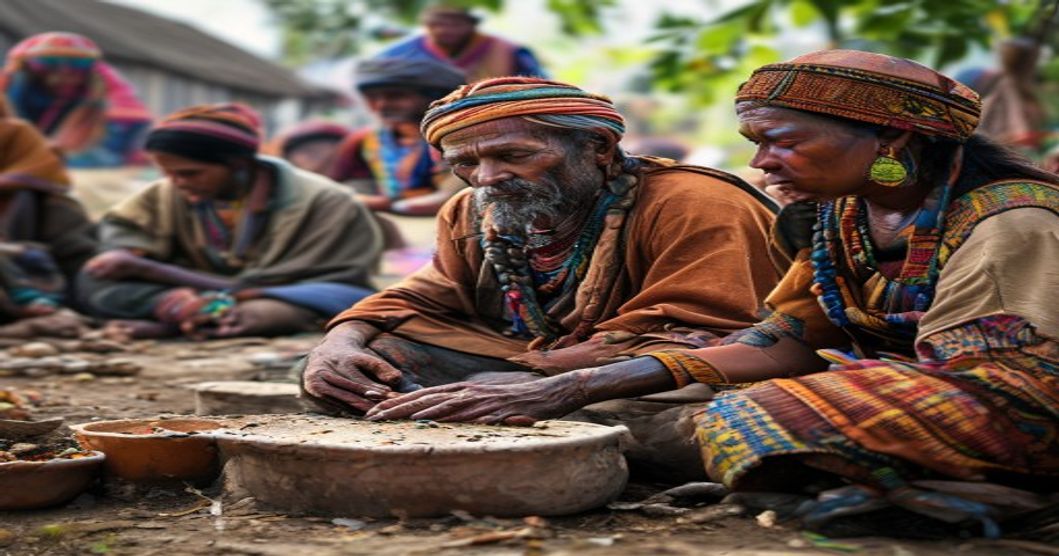
How Sami Communities Build Social Trust
Trust within Sami communities functions as a practical survival mechanism rather than an abstract social ideal. Centuries of reindeer husbandry across Arctic tundra required precise coordination among dispersed herders. Movement patterns followed migratory routes dictated by seasonal forage availability, demanding constant communication and mutual reliance. When a storm isolates one group, neighboring herders provide emergency supplies without written contracts or financial exchange. This ecological interdependence established a baseline expectation that collective welfare supersedes individual accumulation.
The siida system historically structured this cooperation. A siida operated as a flexible work unit comprising extended families who shared grazing land, labor, and equipment. Leadership emerged through demonstrated competence in navigation, animal husbandry, and conflict mediation rather than hereditary privilege. Decisions regarding slaughter quotas, breeding stock, and seasonal routes required unanimous consent. Disagreements were resolved through structured dialogue where every adult participant held equal voting weight. Reputation functioned as currency; breaking promises or hoarding resources resulted in immediate exclusion from future labor exchanges.
- Language preservation reinforces cognitive alignment across generations. Sami dialects contain specialized terminology for snowpack density, reindeer behavior, and terrain navigation that standardizes environmental assessment.
- Economic reciprocity operates through non-market exchange networks. Families pool meat, hides, and tools based on seasonal yield variations rather than monetary valuation.
- Youth integration follows apprenticeship models embedded in daily tasks. Children learn trust-building by participating in real-time decision-making during herding operations before reaching adulthood.
Contemporary land rights disputes and climate-driven ecosystem shifts have forced adaptation while preserving core trust architectures. Communities now combine ancestral consensus protocols with modern legal frameworks to secure grazing permits and protect sacred sites. Digital mapping projects document traditional routes, creating transparent databases that prevent boundary conflicts between neighboring siidas. Emergency response networks remain active during extreme weather events, distributing food and fuel according to documented need rather than commercial availability. These mechanisms demonstrate how social trust persists through functional repetition, shared linguistic frameworks, and continuous ecological feedback loops.
Historical Foundations and Indigenous Resilience Patterns
The architecture of Sami social trust originates from centuries of navigating territorial pressures while preserving internal cohesion through decentralized governance. Traditional community organization revolved around the siida, a flexible kinship network that coordinated seasonal migrations, reindeer management, and resource allocation without centralized leadership. This structure demanded absolute transparency among members, establishing reliability as a practical requirement for survival in harsh Arctic conditions. Historical archives reveal how shared risk management became institutionalized through mutual obligation systems. When external administrations introduced taxation regimes, land confiscation policies, and linguistic suppression during the nineteenth and twentieth centuries, these ancestral frameworks transformed into instruments of cultural continuity. Knowledge transmission occurred through direct apprenticeship rather than formal instruction, reinforcing intergenerational accountability. Elders documented weather patterns, grazing boundaries, and animal behavior through repeated communal verification, creating a living repository of verified experience. The physical landscape operated as a permanent trust anchor; navigation routes and seasonal territories were maintained through generational memory rather than written contracts. Contemporary Sami institutions deliberately reference these historical mechanisms by prioritizing consensus-based decision-making and transparent resource distribution. Community governance models across Fennoscandia explicitly integrate ancestral conflict resolution methods to maintain institutional credibility. Indigenous resilience functions through adaptive continuity, where documented historical precedents directly inform modern collective action and dispute mediation. Trust remains anchored in demonstrated reciprocity, shared labor obligations, and the consistent execution of communal agreements across multiple generations. Historical records from the 1700s demonstrate how boundary disputes were resolved through multi-generational testimony rather than legal documentation. Resource pooling during famine periods established baseline expectations for future cooperation. Language preservation efforts functioned as trust infrastructure, maintaining semantic precision around ecological knowledge. Modern community organizations replicate these patterns by implementing transparent financial reporting and rotating leadership responsibilities. The durability of indigenous social systems depends on continuous validation through shared practice rather than static institutions. Seasonal assembly meetings reinforced accountability through public resource auditing. Cross-community alliances formed during periods of external pressure strengthened collective bargaining power. Ancestral land stewardship protocols established long-term ecological commitments that transcended individual lifespans.
Kinship Networks and Reciprocal Resource Sharing
Sami social trust emerges directly from kinship networks that structure economic survival and cultural continuity across extreme northern latitudes. The traditional sijda system organizes households into extended familial units bound by blood, marriage, and shared pastoral responsibilities. These units function as decentralized governance frameworks where resource allocation follows lineage-based entitlements rather than market transactions. Territory access derives from ancestral herding routes established over centuries, with land management governed by customary law rather than state jurisdiction.
- Reindeer migration corridors operate through collective stewardship where family groups coordinate seasonal movements along established leavvut pathways.
- Hunting territories and fishing grounds remain embedded within kinship boundaries, preventing resource depletion through negotiated rotation schedules.
- Knowledge transmission occurs via direct apprenticeship patterns where elders dictate grazing protocols, weather interpretation methods, and traditional craft techniques.
Reciprocal exchange mechanisms replace monetary valuation in critical survival contexts. When a family experiences livestock loss during winter storms or equipment failure during spring calving, neighboring kinship units deploy immediate material support through documented debt-credit relationships that carry intergenerational weight. This system operates on strict accountability where reputation functions as collateral. Individuals who fail to honor sharing obligations face progressive social exclusion from grazing cooperatives and marriage networks. The enforcement relies on continuous community surveillance rather than formal institutions.
Modern legal frameworks increasingly recognize these kinship-based trust structures through indigenous land rights legislation, yet the underlying reciprocity remains rooted in historical pastoral economics. Contemporary Sami organizations maintain traditional resource distribution patterns while adapting to digital communication and climate-driven ecological shifts. The persistence of this system demonstrates how geographic isolation and environmental volatility generate highly reliable social contracts based on demonstrated reliability rather than contractual documentation.
Reindeer Herding as a Catalyst for Collective Reliance
Reindeer herding operates as a complex social infrastructure where survival depends on synchronized action and unwavering interdependence. The siida, a traditional Sami herding community, functions as a decentralized governance model rather than a formal institution. Membership requires active participation in seasonal transhumance routes that span hundreds of kilometers across Arctic tundra and boreal forests. Each family manages specific herd segments, but the success of the entire operation hinges on shared decisions regarding grazing land rotation, predator management, and emergency resource allocation.
When weather patterns shift or pasture quality declines, herders rely on real-time information exchange rather than institutional contracts. Trust emerges from repeated cooperative exposure to high-stakes environmental variables. Younger generations acquire ecological literacy through direct observation of animal behavior, snow conditions, and lichen growth cycles—knowledge that cannot be digitized or standardized. This embodied learning reinforces accountability because individual negligence directly impacts collective yield.
- Shared migration logistics require synchronized departure times, trail maintenance, and emergency routing across unmarked terrain.
- Pasture recovery protocols depend on communal monitoring of lichen depletion rates and mandatory rest periods enforced by peer consensus.
- Breeding and culling decisions utilize transparent record-keeping systems where lineage data and health metrics are publicly verified.
The boazovddu (reindeer yard) serves as both a logistical hub and a social calibration point, where herd health metrics, breeding records, and pasture recovery rates are openly audited. Financial transparency remains implicit rather than codified; debts are tracked through social memory and future labor reciprocity rather than written ledgers. Ecological limits enforce natural checks on overextension, preventing the kind of competitive individualism that fractures rural economies elsewhere.
When drought or extreme winter ice occurs, neighboring siida networks activate mutual aid protocols established over centuries. These frameworks operate without centralized oversight because reputation functions as the primary currency. Herders who consistently fulfill migration commitments, share calving grounds, or provide emergency veterinary support accumulate social capital that translates directly into operational resilience during lean seasons. The physical demands of dragging sleds through deep snow, repairing winter shelters, and conducting aerial herding require precise coordination that leaves no room for unilateral decision-making. This structural interdependence transforms trust from an abstract virtue into a measurable survival metric.
Cultural Rituals That Reinforce Interpersonal Accountability
The foundation of interpersonal accountability within Sami communities emerges from deeply embedded cultural practices that prioritize collective responsibility over individual autonomy. Seasonal reindeer migrations require coordinated labor across multiple households, where every participant’s actions directly impact herd survival and resource distribution. When a herder fails to maintain fence lines or misses migration checkpoints, the entire group bears immediate economic consequences. This interdependence transforms abstract moral expectations into tangible daily obligations. Community members monitor each other’s contributions through continuous observation rather than formal oversight, creating an organic accountability network that operates without institutional enforcement.
Communal Gathering Structures as Behavioral Audit Mechanisms
- Traditional feasts following seasonal transitions function as informal evaluation sessions where resource sharing patterns receive public scrutiny. Elders facilitate discussions about contribution equity, ensuring households that received disproportionate support during lean periods acknowledge their reciprocal duties.
- Breaking trust triggers subtle but effective exclusion from future labor exchanges and knowledge transmission networks. The siida governance model institutionalizes accountability through rotating leadership roles, preventing power concentration while reinforcing collective decision-making standards.
- Apprenticeship systems tied to traditional crafts require years of supervised practice where masters evaluate ethical conduct alongside technical proficiency. Practitioners demonstrating selfishness face prolonged mentoring periods before regaining full operational status within the community hierarchy.
Oral history recitations during winter assemblies similarly serve as accountability frameworks, embedding historical examples of both successful cooperation and costly breaches of trust into collective memory. These narrative structures ensure behavioral standards remain culturally internalized rather than externally imposed. The continuous transmission of ecological knowledge through generational mentorship further tightens mutual obligations, as survival in Arctic environments demands precise adherence to shared protocols and unspoken reciprocal commitments.
Oral History Transmission and Shared Memory Preservation
The preservation of Sami social trust relies heavily on continuous oral transmission rather than written documentation. Generations have depended on spoken narratives to encode ecological knowledge, kinship obligations, and historical precedents into communal memory. This process operates through structured intergenerational exchange where elders function as living archives. Younger members absorb land navigation techniques, reindeer husbandry rhythms, and seasonal migration patterns through direct participation rather than abstract instruction. The practice transforms abstract cultural values into lived experience.
- Joiik tradition functions as both musical expression and mnemonic device. Each melody carries specific geographic coordinates, historical events, or personal lineages that listeners decode through contextual familiarity.
- Kinship-based storytelling circles establish predictable interaction patterns where reciprocity becomes automatic. Participants learn conflict resolution protocols by observing how disputes get mediated through shared ancestral references rather than external authority.
- Seasonal gathering sites serve as temporal memory anchors. Repeated seasonal relocations reinforce spatial relationships while simultaneously testing communal adaptability. Trust emerges from successfully navigating environmental uncertainty together.
Language serves as the primary vector for this transmission process. Sami dialects contain specialized terminology for snow conditions, wildlife behavior, and ice stability that cannot be directly translated. When communities maintain these lexical frameworks, they preserve decision-making frameworks that keep groups safe during extreme weather events. The vocabulary itself becomes a trust mechanism because it requires collective comprehension to function properly.
Material culture reinforces oral traditions through tactile engagement. Traditional duodji woodworking and silverwork techniques get taught through guided practice rather than theoretical explanation. Apprentices learn patience, resource allocation, and aesthetic standards by handling tools alongside masters. This hands-on transmission creates accountability networks where quality work reflects personal reputation within the group.
Intergenerational knowledge transfer operates without centralized institutions. Trust builds through repeated verification of ancestral claims against observable reality. When elders describe historical hunting grounds or past environmental shifts, younger members validate these accounts through direct territorial experience. This continuous feedback loop prevents memory distortion while maintaining cultural continuity. Communities that maintain this practice demonstrate higher resilience during external pressures because their internal coordination relies on verified shared experience rather than imposed regulations.
Joik Performances and Emotional Community Bonding
The joik operates as a foundational architectural element within Sami social structures, functioning far beyond conventional musical performance. Vocal techniques encode precise geographic markers, ancestral lineages, and ecological observations into melodic frameworks that listeners decode through shared cultural literacy. When a performer initiates a traditional joik, the vocal modulation requires sustained breath control and harmonic layering that mirrors natural acoustic environments. This deliberate sonic mapping creates an immediate physiological synchronization among attendees. Heart rates align, breathing patterns converge, and collective attention narrows toward a singular focal point. Such physiological coordination establishes baseline trust by demonstrating mutual vulnerability and acoustic attunement.
Performance contexts traditionally prioritize communal participation over individual virtuosity. Singers adapt rhythmic structures to match the emotional temperature of the gathering, reading micro-expressions and adjusting vocal intensity accordingly. This real-time feedback loop reinforces relational accountability because performers depend entirely on audience resonance to validate their interpretive choices. Listeners reciprocate through silent acknowledgment, harmonic humming, or subsequent vocal contributions that extend the original melodic motif. The absence of commercial scoring mechanisms removes competitive pressure, allowing participants to witness authentic emotional expression without defensive posturing. Repeated exposure to unguarded vulnerability across multiple gatherings systematically reduces interpersonal suspicion and strengthens network reliability.
- Intergenerational Knowledge Transfer: Elders transmit region-specific joik variants during seasonal assemblies, requiring youth to memorize melodic contours and lyrical references that anchor community history.
- Sonic Synchronization Rituals: Coordinated vocal breathing exercises during group performances establish physiological trust markers that persist beyond the immediate gathering.
- Non-Commercial Validation Systems: Community approval relies on emotional authenticity rather than technical perfection, reinforcing relational bonds over individual prestige.
Modern adaptations maintain these trust-calibrating functions through structured community workshops and digital documentation archives. Facilitators deliberately preserve the acoustic intimacy of traditional settings while integrating contemporary recording methods that capture vocal nuances otherwise lost in large venues. Participants continue to experience measurable reductions in social friction after sustained joik engagement, confirming the practice’s role as active social infrastructure rather than historical preservation. The continuous cycle of creation, reception, and reinterpretation ensures that emotional community bonding remains a living mechanism for trust formation.
Seasonal Assemblies for Consensus Based Governance
Seasonal assemblies operate as the structural backbone of Sami communal decision-making, aligning governance cycles with ecological rhythms rather than arbitrary administrative calendars. These gatherings typically coincide with reindeer migration patterns, critical fishing windows, and seasonal resource transitions across Sápmi. Participants convene not merely to exchange information but to negotiate shared responsibilities through structured dialogue. The process begins with environmental observation reports from herders and land users, followed by iterative discussions where every attendee holds equal speaking rights. Elders facilitate without dictating outcomes, ensuring that historical knowledge and contemporary field observations merge into actionable agreements.
Consensus within these assemblies relies on layered verification rather than simple majority voting. Proposals undergo multiple validation stages, including cross-referencing with ancestral land-use records and peer review from neighboring clusters. Disagreements trigger cooling periods where parties return to their territories to gather additional data before reconvening. This deliberate pacing prevents rushed decisions and embeds accountability into the system. Trust emerges naturally because outcomes reflect collective scrutiny rather than hierarchical imposition.
- Resource Allocation Protocols: Winter pastures, summer grazing zones, and fishing waters are assigned through transparent mapping exercises that document historical usage rights and current ecological capacity.
- Conflict Mediation Frameworks: Boundary disputes or livestock interference cases are resolved through reciprocal witness testimonies and land marker verification, reducing reliance on external legal systems.
- Intergenerational Knowledge Transfer: Youth participate in observational logging and decision recording, ensuring institutional memory remains active rather than archived.
The assemblies function as living archives where trust compounds through repeated verification cycles. When communities witness that agreements withstand seasonal stressors and resource fluctuations, confidence in the system solidifies. This resilience stems from embedded feedback loops: post-assembly monitoring tracks implementation outcomes, which directly inform the next gathering’s agenda. The absence of centralized authority does not create governance voids; instead, it distributes oversight across multiple nodes, making corruption or unilateral manipulation structurally difficult. Social trust here operates as a measurable asset, continuously reinforced by transparent processes, ecological alignment, and shared accountability.
Economic Frameworks Driving Mutual Dependence
Sami economic architecture operates through reciprocal resource allocation rather than competitive accumulation. Reindeer herding establishes the foundational framework, requiring synchronized labor across extended kinship networks. Herders share grazing territories, distribute veterinary costs, and allocate seasonal harvests according to household vulnerability metrics. This structural interdependence neutralizes individual exposure to extreme weather events and fluctuating commodity prices.
Commercial cooperatives institutionalize these traditional practices by standardizing output quality and controlling distribution channels. Membership mandates active participation in governance assemblies, ensuring that financial returns prioritize community stability over individual profit maximization. Collective bargaining with external suppliers eliminates exploitative middlemen while maintaining price transparency across all transactions.
- Seasonal labor pooling: Families exchange herding assistance during calving and autumn slaughter periods, reducing operational costs through shared equipment and coordinated migration routes.
- Informal credit systems: Experienced producers guarantee livestock purchases for younger households. Repayment terms adapt to calf survival rates and pasture conditions rather than fixed financial calendars.
- Knowledge capitalization: Practical expertise in animal husbandry, navigation, and traditional craftsmanship functions as a non-monetizable asset that external markets cannot replicate.
Digital commerce platforms now extend these historical mechanisms by connecting producers directly with international buyers, bypassing regional distributors. Revenue streams fund language preservation initiatives, youth apprenticeship programs, and infrastructure maintenance. Wealth distribution remains tightly coupled with ecological monitoring and social reputation metrics. When financial decisions align with collective survival strategies, communities achieve long-term economic resilience while reinforcing interpersonal accountability. Trust emerges organically from predictable resource flows and shared risk management protocols.
Traditional Cooperatives and Sustainable Livelihood Models
The foundation of social cohesion within Sami communities rests heavily on historically rooted cooperative structures that prioritize collective welfare over individual accumulation. Traditional cooperatives, often organized around reindeer husbandry, seasonal fishing grounds, and shared grazing territories, operate through unwritten but strictly observed agreements. These arrangements dictate resource allocation, labor distribution, and conflict resolution, creating a predictable environment where every participant understands their responsibilities and expected returns. Trust emerges not from legal contracts but from repeated interactions, cultural accountability, and the immediate visibility of one’s contributions to the group.
- Shared Resource Management: Reindeer herding cooperatives divide pastures according to seasonal migration patterns, ensuring no single household monopolizes grazing land. This rotational system prevents overgrazing and maintains ecological balance while reinforcing interdependence.
- Collective Risk Mitigation: During harsh winters or market fluctuations, cooperative networks pool surplus meat, hides, and cash reserves to support vulnerable families. This mutual aid framework eliminates the need for external welfare systems and strengthens communal resilience.
- Intergenerational Knowledge Transfer: Elders guide younger members through practical training in navigation, animal behavior, and weather prediction. Skill transmission occurs during daily operations rather than formal education, embedding trust within lived experience.
Sustainable livelihood models within these cooperatives rely on adaptive practices that have evolved over centuries. Herders adjust herd sizes based on snow conditions and lichen availability, while fishing groups implement seasonal closures to protect spawning cycles. Economic decisions remain tied to ecological thresholds rather than profit maximization. This approach minimizes environmental degradation and ensures long-term viability for subsequent generations. External pressures from industrial extraction or tourism often challenge these systems, yet communities that maintain cooperative governance consistently demonstrate higher levels of economic stability and cultural continuity. The transparency of financial records, open assembly meetings, and rotating leadership roles further institutionalize accountability. When trust operates as a functional currency rather than an abstract ideal, communities develop robust mechanisms to navigate uncertainty without fracturing.
Land Rights Advocacy and Ecological Stewardship Trust
The foundation of Sami social cohesion rests on a legally contested yet culturally unbroken relationship with ancestral territories. Control over grazing corridors, forest management zones, and waterways operates as more than an economic necessity; it functions as a structural mechanism for reinforcing collective identity and mutual accountability. When communities mobilize around property claims, they establish transparent resource-allocation frameworks that bind members through shared legal strategies and standardized governance protocols. This alignment between territorial sovereignty and internal organization directly elevates institutional credibility across settlement networks.
Land rights advocacy operates through coordinated lobbying, strategic litigation, and cross-border indigenous coalitions. These campaigns demand rigorous documentation of historical usage patterns, which simultaneously creates verifiable records accessible to all community stakeholders. The transparency inherent in these processes cultivates structural trust, as decision-making shifts from centralized administrative control to participatory governance models. Legal victories frequently trigger internal audits of resource distribution, ensuring that economic benefits align with traditional ecological knowledge rather than external commercial extraction. Communities that maintain documented land registries report significantly lower rates of internal factionalism and higher compliance with seasonal movement agreements.
- Collective mapping initiatives digitize ancestral boundaries while preserving oral histories, creating shared reference points that eliminate territorial ambiguity and reduce dispute frequency.
- Legal advocacy coalitions distribute litigation costs and strategic planning across multiple villages, preventing resource monopolization by localized elite groups.
- Ecosystem monitoring protocols standardize data collection methods for soil regeneration and herd migration, enabling objective evaluation of land-use decisions and fostering evidence-based consensus.
- Intergenerational mentorship programs pair experienced herders with youth during seasonal migrations, embedding relational trust through repeated cooperative tasks and shared risk management.
Ecological stewardship functions as a practical framework for maintaining social contracts. Reindeer herding cycles, berry harvesting quotas, and freshwater restrictions are governed by consensus-based rules that adapt to climate data and animal behavior. Communities that implement these adaptive management systems demonstrate accelerated intergenerational knowledge transfer and stabilized resource access patterns. The physical labor of monitoring landscapes creates regular touchpoints for dialogue, reinforcing interpersonal reliability across geographically dispersed settlements. When land claims succeed, communities gain leverage to dictate development parameters on their territories. This autonomy directly strengthens internal trust by eliminating external dependency for economic survival. Ecological practices that prioritize biodiversity and watershed protection become measurable indicators of institutional credibility, prompting broader political participation and cultural preservation initiatives.
Adapting Trust Mechanisms to Modern Social Dynamics
Traditional Sami trust frameworks rely on kinship networks, shared land stewardship, and oral consensus. These mechanisms functioned effectively in tightly knit pastoral societies but face structural shifts as digital infrastructure expands and legal systems standardize cross-regional interactions. Modern adaptation requires deliberate integration of proven cultural practices with contemporary governance tools without diluting core relational values.
- Digitized Consensus Platforms: Community-led messaging networks replace informal gathering circles for time-sensitive decisions. Elders facilitate structured digital deliberations that preserve face-to-face negotiation norms while enabling remote participation across dispersed settlements. Verification protocols require multi-signature approval from recognized knowledge holders, preventing unilateral decision-making.
- Hybrid Resource Allocation Models: Reindeer herding cooperatives combine GPS tracking data with traditional seasonal calendars. Transparent sharing of grazing maps reduces disputes and reinforces mutual accountability among neighboring clans. Automated notification systems alert stakeholders to environmental changes, triggering rapid consensus cycles that mirror historical emergency response patterns.
- Intergenerational Knowledge Transfer Protocols: Formal mentorship programs embed trust-building exercises into vocational training. Youth participants engage in joint land-management projects that require negotiated resource-sharing agreements, replicating historical reciprocity patterns in regulated environments. Assessment metrics track cooperative stability rather than individual output, aligning evaluation methods with cultural priorities.
- Legal-Cultural Bridging Mechanisms: Sami advisory boards collaborate with municipal authorities to draft localized governance charters. These documents codify customary conflict resolution procedures while aligning with national statutory requirements, creating enforceable yet culturally grounded frameworks. External auditors verify compliance through community-led self-assessment cycles rather than top-down inspections.
Implementation success depends on maintaining relational continuity during structural transitions. Communities that prioritize gradual integration over abrupt system replacement retain higher participation rates and stronger cooperative outcomes. Digital transparency tools complement rather than replace interpersonal verification processes. When external stakeholders engage with Sami groups, standardized data-sharing agreements must include culturally specific accountability measures that recognize collective responsibility models. Continuous evaluation of adaptation metrics ensures mechanisms remain responsive to demographic shifts and environmental pressures. Structural resilience emerges when technological efficiency supports established reciprocity patterns instead of overriding them.
Digital Platforms Bridging Geographically Isolated Clans
Geographic dispersion has historically fragmented Sami clans across the Arctic regions of Norway, Sweden, Finland, and Russia. Traditional face-to-face gatherings required weeks of travel through harsh terrain, leaving many families disconnected for extended periods. Modern digital infrastructure has eliminated those physical barriers. Dedicated online forums, encrypted messaging channels, and cross-border video networks now operate as continuous communal spaces. These platforms host daily conversations in North Sami, Lule Sami, and South Sami, preserving linguistic nuance that often disappears in standardized media.
Digital architectures prioritize decentralized hosting models, preventing corporate data extraction while ensuring community-generated content remains under indigenous control. Clan elders use moderated broadcast groups to share hunting conditions, grazing schedules, and weather alerts, ensuring synchronized decision-making across scattered territories. Youth engagement relies on mobile applications designed with indigenous interface patterns, allowing younger generations to participate in cultural documentation without geographic constraints.
- Real-time location sharing tracks reindeer movements across municipal borders
- Blockchain-verified contribution logs eliminate administrative opacity in resource allocation
- Consensus-based voting mechanisms grant each clan equal representation in platform governance
- Archived joik recordings and craft techniques populate community-controlled digital libraries
Emergency coordination has improved significantly through these shared tools. When sudden weather shifts threaten livestock, clans exchange route adjustments instantly, preventing economic loss and maintaining cooperative labor structures. Social trust emerges from consistent digital presence rather than occasional physical meetings. Regular virtual councils replicate traditional thing assemblies, where disputes are mediated through transparent audio recordings and shared decision logs. Educational networks connect remote village schools with urban cultural centers, standardizing curriculum delivery while respecting regional dialects. Platform reliability depends on redundant server routing and offline-first synchronization protocols, guaranteeing functionality during seasonal connectivity drops. Trust compounds through predictable interaction patterns, verified identity frameworks, and operational continuity that functions identically across time zones. Geographic isolation transitions from a structural limitation into a manageable variable
Youth Leadership Programs and Cultural Continuity
Youth-driven initiatives within Sami territories operate as structural bridges between historical governance models and contemporary community needs. These programs do not merely replicate traditional roles; they adapt them through structured mentorship frameworks that place young participants alongside experienced herders, artisans, and language revitalization specialists. The curriculum emphasizes experiential learning across seasonal cycles, requiring direct engagement with land-based practices such as migration route mapping, reindeer husbandry logistics, and sustainable resource management. This hands-on transmission reduces knowledge fragmentation and establishes predictable patterns of mutual reliance.
- Intergenerational apprenticeship models replace top-down instruction by pairing adolescents with community elders who hold proprietary ecological data and diplomatic experience.
- Decentralized youth councils operate parallel to municipal structures, enabling participants to draft policy recommendations on education, cultural preservation, and land rights.
- Digital-oral hybrid archives allow young creators to document joik traditions, duodji techniques, and oral histories while maintaining community-controlled access protocols.
Cultural continuity emerges not through static preservation but through active adaptation managed by youth cohorts. When participants lead language immersion camps or coordinate cross-border Sápmi networking events, they generate observable proof of competence within the wider population. This visibility triggers a feedback loop: demonstrated capability increases community confidence, which in turn expands resource allocation for subsequent cohorts. Trust compounds because outcomes remain transparent and directly tied to collective benchmarks rather than individual achievement metrics.
The operational design of these programs deliberately avoids external dependency by embedding financial oversight within local cooperatives. Grant management, equipment procurement, and program evaluation follow consensus-based approval processes that require multi-generational sign-off. This structure forces continuous dialogue between younger administrators and traditional knowledge holders, preventing policy drift and ensuring alignment with historical precedents. Social trust solidifies when participants witness consistent adherence to agreed-upon protocols across multiple leadership cycles. The resulting governance networks demonstrate measurable resilience during environmental shifts or political negotiations, as decision-making authority remains distributed rather than concentrated in transient administrative roles.
Evaluating Long Term Cohesion and Future Pathways
Long-term social cohesion within Sami communities relies on the continuous adaptation of traditional governance structures alongside institutionalized knowledge preservation. The historical siida system, originally designed for sustainable reindeer herding and resource allocation, now functions as a foundational model for modern cooperative decision-making. Communities map contemporary challenges onto these ancestral frameworks by establishing localized councils that integrate elders, youth representatives, and municipal officials. This hybrid governance approach ensures that policy implementation remains culturally grounded while meeting statutory requirements across Norwegian, Swedish, Finnish, and Russian jurisdictions.
- Intergenerational knowledge transfer occurs through formalized apprenticeship programs in reindeer husbandry, boatbuilding, and traditional textile arts, each requiring documented competency milestones.
- Land rights advocacy utilizes satellite monitoring combined with oral history archives to validate territorial claims during environmental impact assessments.
- Bilingual education curricula embed indigenous legal concepts into civic instruction, strengthening institutional trust at municipal levels.
Future resilience pathways depend on strategic alignment between ecological adaptation and economic sovereignty. Arctic warming disproportionately affects pasture migration routes, necessitating cross-border data sharing agreements that standardize climate modeling methodologies. Communities establish digital land registries using blockchain-verified timestamps to prevent resource disputes while maintaining communal ownership principles. Youth engagement initiatives deploy mobile applications that translate dialect-specific terminology into standardized formats, preserving linguistic continuity without fragmenting regional identities.
- Sustainable tourism frameworks require revenue-sharing contracts with municipal governments and ecological carrying capacity audits.
- Renewable energy cooperatives prioritize microgrid installations powered by wind and hydroelectric sources to reduce dependency on external utility providers.
- Legal advocacy teams monitor parliamentary developments in Nordic states to anticipate legislative shifts affecting indigenous land use rights.
Evaluating long-term cohesion demands measurable indicators beyond demographic retention. Communities track trust metrics through participation rates in resource management assemblies, frequency of inter-village collaboration networks, and retention levels of traditional ecological knowledge across age cohorts. Digital archives undergo annual peer reviews by independent anthropologists to prevent data fragmentation. Economic diversification strategies balance commercial reindeer product distribution with cultural preservation grants, ensuring financial stability does not override communal decision-making protocols.
Community Led Metrics for Social Capital Assessment
External evaluation frameworks frequently miss the nuanced mechanisms that sustain resilience within indigenous networks. Sami groups address this gap by developing measurement systems rooted in local governance structures and historical continuity. These metrics prioritize relational wealth over monetary indicators, tracking how knowledge, resources, and mutual obligations circulate across generations. The assessment process begins with community assemblies where elders, youth representatives, and local coordinators define which social behaviors warrant documentation. Rather than imposing standardized questionnaires, facilitators co-design data collection tools that align with seasonal migration patterns, traditional livelihoods, and cultural rituals.
Core indicators often include the frequency of cross-husbandry cooperation during calving seasons, documented participation in language immersion programs, recorded instances of informal resource sharing during harsh weather periods, and the number of youth actively engaged in mastering duodji techniques under master craftsman mentorship. Tracking these elements requires decentralized recording systems that respect privacy norms while maintaining transparency. Digital platforms are frequently adapted to allow asynchronous logging through voice notes, photo documentation, and geotagged site visits that map grazing routes or gathering grounds without extracting raw data from local servers.
- Intergenerational knowledge transfer rates measured through structured apprenticeship completion logs and oral history archival submissions.
- Reciprocal labor exchange frequency tracked via community registers that log contributions to snowmobile convoy maintenance, net mending cooperatives, and shared storage facility upkeep.
- Ceremonial participation density calculated by documenting attendance across seasonal festivals, naming ceremonies, and land rights assemblies over rolling five-year cycles.
Validation occurs through layered review panels comprising district representatives, cultural heritage officers, and independent indigenous auditors who verify data integrity against historical baselines. This approach prevents metric inflation while ensuring that assessments reflect actual social cohesion rather than superficial attendance counts. When communities control the definition of success, measurement instruments naturally adapt to environmental shifts, policy changes, and demographic transitions without losing their foundational focus on relational accountability.
Longitudinal tracking reveals how trust compounds during resource scarcity or administrative friction. Communities that maintain consistent documentation practices demonstrate faster recovery times after external disruptions because baseline social capital remains measurable and actionable. The shift from extractive research to co-owned analytics fundamentally repositions evaluation as a governance tool rather than an academic exercise.
Intergenerational Education and Language Revitalization
Traditional Sami knowledge transmission operates through continuous oral exchange rather than formal institutional frameworks. Elders guide youth in reindeer husbandry, seasonal navigation, and craft techniques while embedding ethical principles that prioritize collective welfare over individual gain. This daily pedagogical cycle establishes predictable relational patterns where elders receive tangible respect and younger members gain navigational competence within harsh Arctic environments.
Language revitalization initiatives directly reinforce these educational networks by reversing decades of assimilation policies. Community-organized immersion programs, mobile teaching units, and documented oral archives restore lexical precision for ecological and social concepts that standard curricula historically omitted. When families actively participate in dictionary compilation, recording elder narratives, or hosting seasonal language workshops, they reconstruct linguistic confidence across age groups. This shared linguistic labor generates measurable social trust because communication barriers dissolve and mutual accountability replaces cultural fragmentation.
- Family-based skill transfer: Daily instruction in traditional crafts and land navigation creates interdependent learning loops that validate elder authority while empowering youth competence.
- Community immersion cycles: Seasonal gatherings establish consistent language practice environments where younger participants demonstrate acquired vocabulary through practical application rather than examination.
- Digital knowledge repositories: Crowdsourced audio archives and collaborative translation platforms enable geographically dispersed Sami speakers to maintain dialectal continuity without relying on centralized educational infrastructure.
- Conflict mediation protocols: Elders utilize traditional terminology during disputes, ensuring nuanced understanding and preventing misinterpretations that historically weakened community cohesion.
Social trust materializes through these repeated educational interactions. When language becomes a practical tool for resource management, conflict resolution, and cultural documentation, community members develop reliable expectations about each other’s commitments. The intergenerational model transforms abstract cultural preservation into observable cooperative behavior, ensuring that linguistic vitality directly correlates with economic collaboration, ecological stewardship, and long-term community resilience.
Transborder Collaboration Among Nordic Sami Territories
The Sámi people inhabit a continuous cultural landscape stretching across Norway, Sweden, and Finland, yet modern political borders fracture this territory into distinct administrative zones. Despite these divisions, transborder collaboration has emerged as a foundational mechanism for preserving language, managing reindeer herding routes, and advocating for indigenous rights.
Institutional coordination relies heavily on the Sámi Parliament Conference, established in 1956, which serves as the primary diplomatic platform where elected representatives from all three nations align policy frameworks. This assembly does not hold supranational legislative power but functions as a critical channel for harmonizing reindeer husbandry regulations that routinely cross sovereign lines during seasonal migrations. Synchronized veterinary standards and pasture rotation schedules prevent ecological degradation while maintaining traditional mobility patterns.
- Joint environmental monitoring programs track lichen biomass, snowpack depth, and wildlife corridors using satellite telemetry across the Scandinavian
Frequently Asked Questions
What is How Sami Communities Build Social Trust?
“How Sami Communities Build Social Trust” refers to the cultural practices, kinship networks, and traditional governance mechanisms that the Sámi people use to foster cooperation, mutual support, and collective resilience within their indigenous communities across northern Scandinavia and Russia.
Key facts about How Sami Communities Build Social Trust
Sámi social trust is built through shared reindeer herding practices, strong oral traditions, community decision-making via assemblies (Siida), and a deep cultural emphasis on reciprocity and environmental stewardship. These elements create resilient networks that sustain cultural identity and collective well-being.