Origins and Historical Migration of the Sámi
The Sami people, recognized as the indigenous Europeans of Northern Europe, trace their ancestral roots to prehistoric populations that settled across Fennoscandia during the early Holocene epoch. Archaeological excavations in Finnmark, Troms, and Lapland reveal continuous habitation dating back over ten thousand years, with material evidence pointing to a distinct cultural trajectory separate from later Scandinavian migrations.
Prehistoric Settlements and Archaeological Evidence
Stratigraphic analysis of coastal sites in northern Norway and Sweden demonstrates that early Sámi communities relied on marine resources, hunting caribou, and seasonal foraging before transitioning toward semi-nomadic pastoralism. Carbon dating of bone tools and dwelling foundations confirms adaptation to subarctic climates long before the arrival of Indo-European speaking groups.
Interaction with Neighboring Civilizations and Colonial Pressures
Medieval sagas, Norse trade records, and Russian chronicles document centuries of contact between Sámi communities and expanding Scandinavian states. The gradual imposition of taxation systems, religious conversion campaigns, and land confiscation policies during the eighteenth and nineteenth centuries forced many indigenous groups into marginalization, yet preserved core cultural structures through oral transmission.
Cultural Heritage and Traditional Practices
Sámi cultural identity rests upon a resilient framework of linguistic diversity, ecological knowledge, and artisanal traditions that have adapted to modern globalization while maintaining ancestral continuity.
Linguistic Diversity and Language Preservation
The Sami languages belong to the Uralic language family, sharing distant genetic links with Finnish and Hungarian rather than Scandinavian tongues. Nine recognized dialects span from Norway through Sweden, Finland, and into Russia’s Kola Peninsula, with Northern Sámi serving as the most widely spoken variety. Contemporary revitalization programs utilize immersive schooling, digital dictionaries, and broadcast media to counteract historical suppression.
Reindeer Husbandry and Sustainable Livelihoods
Reindeer herding remains a cornerstone of Sámi economic and cultural life, governed by intricate seasonal migration routes known as siida systems. Herders manage approximately two hundred thousand animals across northern territories, utilizing traditional tracking methods, veterinary knowledge, and climate-responsive grazing patterns that align with ecological sustainability standards.
Duodji, Textiles, and Artisan Craftsmanship
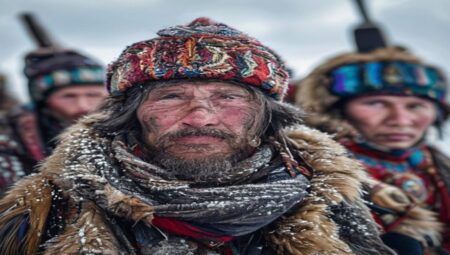
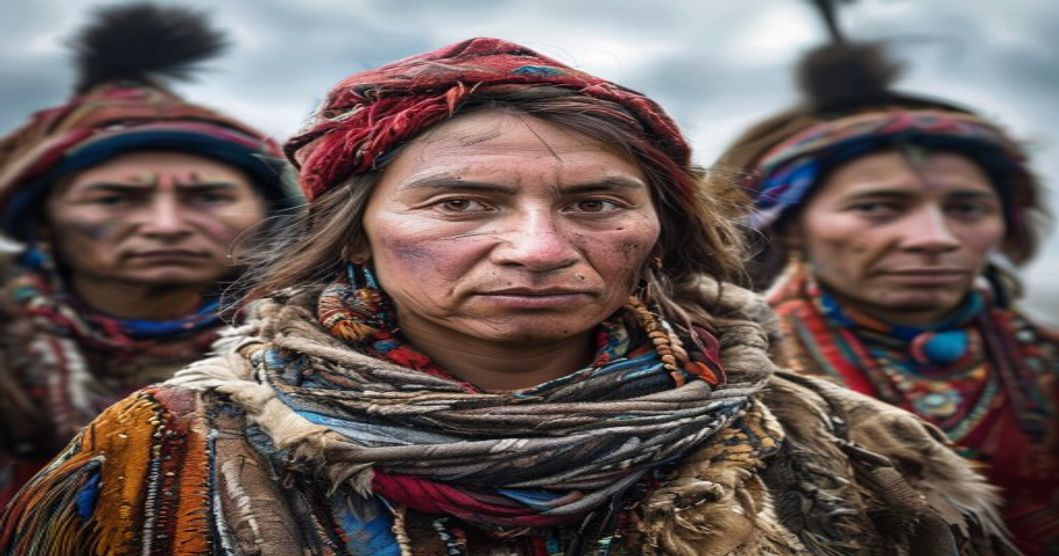
The practice of duodji, the Sámi artisan craft tradition, encompasses woodworking, bone carving, antler inlay, and textile weaving. Traditional garments feature geometric motifs representing regional lineage, celestial navigation, and spiritual symbolism, with wool processing techniques passed through generational apprenticeship networks.
Spiritual Beliefs and Contemporary Expressions
Sámi cosmology historically centered on animistic worldviews that recognized sacred landscapes, animal spirits, and seasonal cycles as interconnected forces governing human survival.
Shamanism, Animism, and the Role of Joik Music
The noaidi, or Sámi shaman, historically conducted rituals using drumming, chanting, and trance states to communicate with spiritual entities. The vocal tradition of joik functions as both historical documentation and emotional expression, employing melodic patterns that evoke individuals, landscapes, or events without linear narrative structure.
Modern Cultural Revival and Digital Activism
Recent decades have witnessed a robust indigenous resurgence driven by youth-led organizations, academic research partnerships, and multimedia productions. Streaming platforms, social media campaigns, and cross-border Sámi councils amplify political advocacy while reinterpreting ancestral aesthetics through contemporary design and film.
Geographic Distribution and Political Recognition
The Sámi inhabit a transnational homeland stretching across four sovereign states, each maintaining distinct legal frameworks regarding indigenous rights and land tenure.
Cross-Border Indigenous Identity Across Four Nations
Approximately eighty thousand individuals identify as Sámi, distributed primarily within Norway’s Finnmark region, Sweden’s Norrbotten province, Finland’s Lapland county, and Russia’s Murmansk Oblast. Despite shared linguistic and cultural foundations, national policies create varying degrees of recognition, funding access, and educational autonomy.
Legislative Frameworks and Self-Governance Institutions
The establishment of Sámi parliaments in Norway, Sweden, and Finland represents institutional progress toward self-determination, granting authority over language policy, cultural funding, and rein
Frequently Asked Questions
What is Are Sami People Indigenous Europeans??
Yes, the Sami people are the indigenous population of the northern parts of Norway, Sweden, Finland, and the Kola Peninsula of Russia. They have inhabited these Arctic and sub-Arctic regions for thousands of years, maintaining distinct cultural, linguistic, and traditional practices despite colonial borders.
Key facts about Are Sami People Indigenous Europeans?
The Sami are the only officially recognized indigenous people in the European Union. They speak the Sami languages (part of the Uralic family), traditionally rely on reindeer herding, fishing, and hunting, and have their own parliamentary councils in four countries. Their indigenous status is legally recognized under international frameworks like the ILO Convention 169 and the UN Declaration on the Rights of Indigenous Peoples.