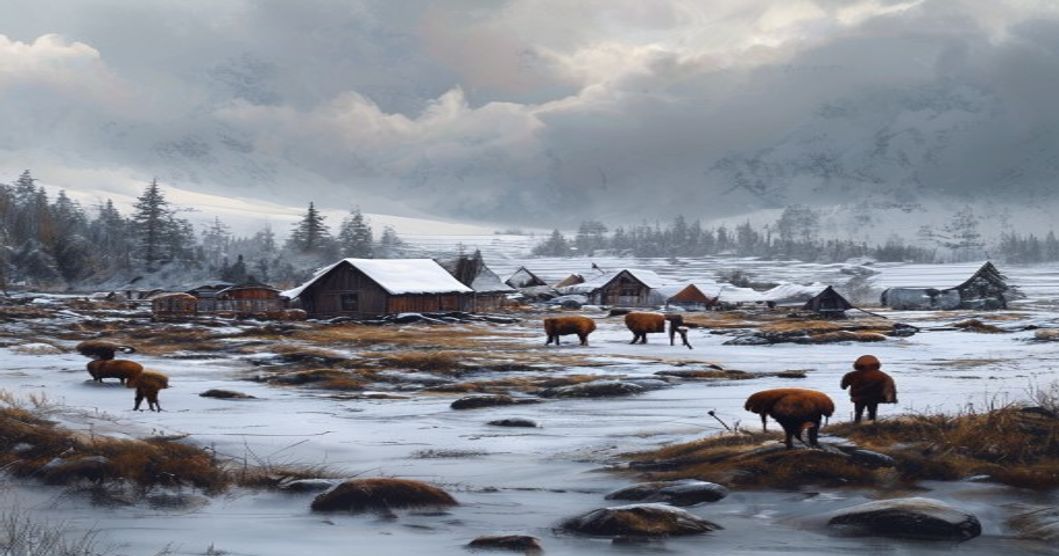
Exploring the Homeland of the Sami People
Sápmi spans a continuous Arctic and subarctic territory across Norway, Sweden, Finland, and Russia, defined by traditional grazing boundaries rather than modern political lines. The landscape transitions from coastal fjords and archipelagos to inland fells, boreal taiga, and high-mountain tundra. Seasonal light cycles dictate human activity: extended daylight during summer accelerates vegetation growth and creates critical windows for livestock movement, while polar nights in winter require navigational techniques based on wind patterns, snow drift formations, and celestial positioning.
Reindeer husbandry functions as the primary economic and cultural framework for thousands of Sámi households. Herding districts operate on established migration corridors that shift annually based on lichen density, snow depth, and predator activity. Pasture management relies on precise knowledge of microclimates, water table levels, and historical land use records passed through oral documentation and community mapping initiatives.
- Linguistic ecosystem: Eleven distinct Sámi languages survive across the region, each encoding specialized terminology for terrain types, animal behavior, weather phenomena, and traditional tool construction. Language vitality correlates directly with continued land-based livelihoods and intergenerational teaching programs.
- Material production: Duodji artisans process reindeer hide, moose antler, copper wire, and birch root into functional items that reflect regional hunting grounds and family lineages. Silver jewelry motifs follow established visual codes indicating clan affiliation, marital status, and geographic origin.
- Eco-regulation practices: Traditional resource stewardship includes seasonal grazing rotations, controlled berry patch burning to stimulate regrowth, sustainable fish weir placement in coastal watersheds, and culturally enforced resting periods for calving territories.
Modern land-use conflicts center on mining permits, wind energy infrastructure, and logging operations intersecting designated reindeer pastures. Sámi parliamentary councils maintain grazing licenses, cultural heritage databases, and water rights registries while coordinating legal challenges against unauthorized extraction projects. Climate data collected by herding communities documents accelerated permafrost thaw, shifted migration timelines, and declining winter forage quality that directly impact multi-generational livelihood sustainability.
Ethical tourism partnerships prioritize certified Sámi-guided experiences focusing on historical homesteading methods, traditional food preservation techniques, and acoustic documentation of regional dialects. Educational materials clarify the legal distinction between commercial reindeer farming and culturally regulated herding, ensuring visitors understand pasture access restrictions, seasonal movement corridors, and indigenous territorial governance structures.
Mapping the Geographic Boundaries of Sápmi Across Four Nations
Sápmi operates as a continuous indigenous landscape rather than a politically unified entity, stretching across the northern reaches of Fennoscandia where administrative lines intersect with centuries-old cultural geography. The region’s geographic scope is defined by ecological zones, traditional reindeer grazing corridors, and linguistic continuity rather than formal treaties. Political boundaries established in the nineteenth and twentieth centuries divided the territory among Norway, Sweden, Finland, and Russia, yet Sámi communities maintain historical ties that ignore modern jurisdictional limits.
The Norwegian portion encompasses Finnmark and Troms counties, extending from the Swedish border eastward to the Barents Sea. Municipalities such as Karasjok, Tana, and Kautokeiko sit at the administrative center of Sámi governance, while coastal settlements like Hammerfest preserve maritime reindeer husbandry traditions. In Sweden, the territory covers Norrbotten County, stretching from the Norwegian frontier to the Gulf of Bothnia. Luleå, Kiruna, and Gällivare municipalities fall within recognized Sámi village boundaries, which dictate seasonal migration routes and land-use rights under Swedish law.
- Finland: The Lapland region (Lappi) includes Enontekiö, Utsjoki, Inari, and Sodankylä. These municipalities host the core of Finnish Sámi cultural institutions and fall within the official Sámi Parliament district.
- Russia: The Kola Peninsula constitutes the easternmost segment, primarily occupying Murmansk Oblast. Indigenous groups such as the Skolt Sámi and Kildin Sámi historically inhabited areas around Lovozero and the Barents coastline, though contemporary recognition remains limited under Russian federal frameworks.
Geographically, Sápmi spans subarctic tundra, dense boreal forests, and jagged mountain passes that shape traditional livelihoods. The Arctic Circle traverses the region at approximately 66°33′N, dictating extreme photoperiod cycles that influence reindeer behavior and agricultural planning. While no single legal document defines Sápmi’s limits, academic cartography typically aligns boundaries with historical Sami language distribution, UNESCO cultural heritage zones, and modern Sámediggi electoral districts. Cross-border cooperation initiatives continue to map ecological continuity against fragmented administrative jurisdictions, ensuring that geographic accuracy remains tied to living indigenous practice rather than colonial surveying methods.
Climate Patterns and Seasonal Shifts in the Arctic Circle
The Arctic climate operates on a strict solar-driven cycle that dictates ecological rhythms across Sami territories. Winter extends darkness for months, pushing temperatures well below minus thirty degrees Celsius and forming deep snowpacks that protect reindeer lichen pastures beneath frozen crusts. This polar night phase requires precise food storage methods and layered wool garments engineered for extreme wind chill.
Spring triggers rapid hydrological shifts as river ice fractures and meltwater floods low-lying valleys. These seasonal inundations replenish peat bogs and create temporary wetlands that support migratory waterfowl and regulate regional humidity levels through evapotranspiration cycles. The thawing process also releases dormant soil microbes, accelerating nutrient cycling across the tundra ecosystem.
- Summer daylight compresses biological activity into a narrow window of continuous illumination. Photosynthesis rates peak during the midnight sun period, driving rapid
Understanding Indigenous Governance and Land Rights Frameworks
The Sami territorial governance system functions through a structured integration of customary land stewardship and contemporary legislative frameworks. Historically, territory was allocated based on seasonal migration patterns critical to reindeer husbandry, coastal fishing, and inland hunting, with management decisions made through village assemblies rather than registered property deeds. Centralized Scandinavian land registration policies in the 18th and 19th centuries systematically replaced these customary arrangements with state-owned registries, effectively nullifying indigenous tenure claims.
Institutional evolution accelerated after the late 1970s following sustained advocacy and comparative legal analysis across Nordic jurisdictions. Norway’s Finnmark Act of 2005 established a landmark co-management structure by transferring nearly ninety-six percent of county land to the Finnmark Estate, overseen by a commission with parity between Sami representatives and national authorities. Sweden and Finland operate similar elected Sami Parliaments that exercise administrative authority over cultural affairs, yet constitutional land rights remain legally contested due to inconsistent judicial interpretations of historical usage versus formal title transfer.
- International instruments significantly shape current policy implementation, particularly ILO Convention 169, which mandates free, prior, and informed consent for commercial activities on traditional territories.
- The UNDRIP reinforces collective jurisdiction over cultural heritage sites and resource extraction zones, compelling domestic courts to prioritize indigenous consultation protocols.
- Norwegian appellate rulings consistently affirm that documented continuous use establishes independent ownership rights, bypassing state grant requirements in municipal zoning appeals.
Despite these mechanisms, administrative overlap continues to generate conflict between forestry concessions, renewable energy infrastructure, and designated reindeer grazing districts. Accelerated climate-driven ecological changes further disrupt traditional movement corridors, necessitating adaptive monitoring frameworks that combine indigenous seasonal tracking with statutory environmental impact assessments. The Russian Kola Peninsula lacks comparable statutory frameworks, leaving communities dependent on informal municipal negotiations rather than codified territorial rights. Effective administration now requires transferring substantive decision-making authority from advisory committees to operational governance bodies, ensuring direct control over biodiversity conservation and intergenerational resource distribution.
Cultural Foundations and Historical Resilience of Indigenous Communities
The cultural architecture of the Sami people rests upon a profound symbiosis between language, spirituality, and the Arctic landscape. Unlike conventional agrarian societies, indigenous communities across Sápmi developed worldviews where nature functioned as a living kinship network rather than a commodity. The concept of siida governed social organization, emphasizing cooperative resource management, rotational grazing cycles, and shared responsibility across generations. Linguistic diversity flourished in this region, with Northern Sami, Lule Sami, Southern Sami, and several regional dialects encoding precise ecological knowledge about snow stratification, reindeer migration patterns, and seasonal weather shifts. This lexical precision operated as a survival technology, preserving environmental data long before modern meteorological instruments existed.
Historical resilience emerged through sustained engagement with external pressures rather than geographic isolation. From the eighteenth century onward, state-building initiatives in Norway, Sweden, Finland, and Russia implemented systematic assimilation campaigns that prohibited indigenous languages in schools, restricted traditional religious practices, and reclassified centuries-old land use as illegal encroachment. Despite these coordinated erasure efforts, cultural continuity persisted through clandestine transmission and adaptive resistance. Families maintained oral histories by embedding genealogical narratives within seasonal work rhythms and craft motifs. Educational institutions became sites of quiet defiance, where parents taught ancestral vocabulary in domestic spaces while formally complying with state curricula.
- Joik tradition: A melodic expression system that encodes identity, geography, and spiritual connection without relying on literal narration
- Duodji craftsmanship: Functional artistry utilizing bone, antler, and wood to produce tools reflecting ecological timing and material ethics
- Reindeer husbandry: A mobile pastoral framework that evolved alongside climate fluctuations through strategic herd management rather than territorial fixation
Contemporary cultural preservation operates through institutionalized knowledge systems and legal advocacy. Indigenous language revitalization programs now document dialectal variations using digital archives, while land rights litigation has shifted regional frameworks toward co-management agreements. Historical continuity demonstrates that resilience does not require static preservation but dynamic adaptation. Communities maintain sovereignty through continuous negotiation of tradition and modernity, ensuring that ancestral frameworks remain operational governance models rather than historical artifacts.
Traditional Reindeer Herding Cycles and Livelihood Adaptations
Reindeer herding among the Sami communities follows a strict annual rhythm dictated by environmental cues and animal biology. Each spring, herders guide their animals toward coastal or inland calving grounds where snowmelt reveals early vegetation. The birthing period demands constant monitoring; weak calves require immediate intervention, while predators like wolves and golden eagles influence grazing patterns. By summer, the herd disperses across mountain plateaus and lichen-rich fells to build fat reserves before autumn rutting season. During this phase, bulls compete for dominance, and breeders carefully track lineage to maintain genetic diversity within the flock.
Pasture management remains central to long-term viability. Herders rotate grazing zones to prevent lichen depletion, relying on oral knowledge passed down through family lines to identify optimal routes and resting camps. The autumn slaughtering period requires precise timing. Traditional practices prioritize sustainable harvests, with every part of the animal utilized—meat preserved through smoking or air-drying, hides tanned for clothing and footwear, sinew processed into thread, and bones carved into tools.
- Ecosystem adaptation: Seasonal migration corridors shift in response to snowpack stability and vegetation cycles, requiring real-time adjustments to grazing routes.
- Resource optimization: Zero-waste processing extends household food security through winter months while minimizing market dependency.
- Territorial negotiation: Herders secure land-use agreements with forestry agencies and municipal authorities to protect migration pathways from infrastructure fragmentation.
Climate variability has accelerated the adoption of hybrid monitoring systems. GPS collars and drone surveillance supplement traditional wind-reading and terrain assessment techniques, enabling faster decisions during unpredictable weather windows. Economic resilience relies on complementary income streams, including controlled eco-tourism operations, handicraft distribution through regional cooperatives, and direct sales of certified reindeer products. Institutional frameworks established by Sami governing bodies continue to enforce grazing rights, provide veterinary support, and mediate cross-border herding agreements with Norway and Finland.
Duodji Craftsmanship and Contemporary Indigenous Art Movements
Traditional Sami Duodji represents a centuries-old system of functional artistry deeply intertwined with Arctic survival and cultural identity. Artisans shape materials sourced directly from the tundra ecosystem, including cured reindeer hides, polished antler, root wood, silver, and wolfsbane dye. Each piece follows strict ergonomic principles designed for reindeer herding, fishing, or winter habitation. The aesthetic language relies on geometric patterns and color symbolism that map territorial boundaries, clan affiliations, and seasonal migration routes.
Mastery requires multi-generational knowledge transfer through direct apprenticeship rather than formal academic instruction. Carvers, weavers, and knife makers learn pressure control, material grain orientation, and tool maintenance by observing elders during processing cycles. Knowledge accumulates around ecological calendars; silverwork peaks during summer grazing periods when metalworking workshops operate near seasonal camps. Birch root carving demands precise moisture timing to prevent splitting during the drying phase.
- The official Duodji certification mark guarantees handcrafted authenticity and protects against industrial replication.
- National artisan cooperatives establish pricing standards that reflect material scarcity, labor hours, and cultural valuation.
- Cross-border Sámi networks coordinate quality inspections across Norway, Sweden, Finland, and the Kola Peninsula.
Contemporary Indigenous art movements have recontextualized Duodji techniques within gallery spaces and digital platforms. Younger practitioners combine traditional silver filigree with laser-cut birch plywood, or embed reindeer hair into resin installations that document climate shift impacts on grazing territories. Major Nordic museums now curate rotating exhibitions where functional prototypes transition into conceptual statements about land rights and linguistic preservation. International Indigenous art fairs increasingly feature Sami makers alongside Inuit carvers and First Nations textile artists, establishing comparative frameworks for craft sovereignty.
Economic models surrounding contemporary Duodji emphasize direct-to-collector sales through verified artisan databases, bypassing tourist market inflation. University programs in Sápmi now offer hybrid curricula that merge materials science with traditional dye extraction methods. Digital archives record pressure angles, temperature thresholds, and tool wear patterns to prevent knowledge erosion. The movement continues expanding through youth workshops, open-source pattern repositories, and collaborative residencies that position Duodji as a living technical discipline rather than historical artifact.
Navigating the Natural Environment of Sápmi
The Sápmi region spans across the northern reaches of Norway, Sweden, Finland, and the Russian Kola Peninsula, characterized by a stark Arctic landscape that shifts dramatically with the seasons. This territory encompasses coastal fjords, expansive tundra plains, dense boreal forests, and high mountain plateaus. Navigating these terrains requires an intimate understanding of microclimates, permafrost layers, and seasonal light cycles. Traditional Sámi wayfinding relied on reading wind patterns, animal behavior, and geological markers rather than modern cartography. The terrain itself dictates movement; summer brings thawed ground and accessible river systems, while winter transforms the landscape into a network of frozen waterways and snow-covered trails.
Each ecological zone within Sápmi supports distinct survival strategies that have been refined over millennia. The taiga belt provides critical resources through berry gathering, medicinal plant harvesting, and controlled burning techniques that maintain forest health. Coastal communities historically depended on marine ecosystems, utilizing seasonal fish runs and seal migrations to sustain winter stores. Mountainous regions demand vertical mobility, with herders moving reindeer between summer highland pastures and sheltered lowland valleys. The midnight sun accelerates vegetation growth during brief summers, creating concentrated foraging windows that require precise timing. Polar nights, conversely, force a shift toward indoor craftsmanship, ice fishing, and reliance on stored provisions, fundamentally altering daily routines and social structures.
Contemporary navigation in Sápmi integrates ancestral knowledge with satellite mapping, GPS tracking, and real-time weather data. Climate change has disrupted traditional seasonal markers, causing unpredictable snowpack depth, earlier thaw cycles, and altered reindeer grazing patterns. Indigenous rangers now monitor glacier retreat, permafrost degradation, and shifting migratory corridors to preserve ecological balance. Sustainable land management practices emphasize rotational grazing, wetland conservation, and low-impact trail routing to prevent soil erosion. Digital mapping projects led by local communities document sacred sites, historical hunting grounds, and water sources, ensuring that geographic data respects cultural heritage while supporting modern infrastructure planning.
- Coastal Navigation: Relies on tidal charts, bird flight paths, and submerged rock formations visible during low water levels.
- Mountain Transit: Requires knowledge of avalanche-prone slopes, wind-scoured ridges, and natural shelter caves.
- Forest Wayfinding: Utilizes lichen density on tree trunks, moss growth direction, and historical fire breaks as reference points.
Arctic Tundra, Boreal Forests, and Coastal Fjord Ecosystems
The Arctic tundra spanning the northern reaches of the Sami homeland operates under extreme seasonal light cycles and permafrost conditions that dictate biological rhythms. Vegetation here remains low-growing by necessity, with dwarf birch, arctic willow, and lichens forming the foundational layer of the landscape. Mosses and cushion plants withstand desiccating winds and short growing seasons, while caribou lichen serves as a critical winter forage source. These ecological constraints have directly shaped traditional reindeer husbandry practices, where migration routes follow lichen-rich plateau corridors between summer grazing grounds and sheltered winter valleys. The tundra’s fragile soil crust requires careful management to prevent irreversible erosion from overgrazing or mechanized disturbance.
Permafrost thaw patterns now influence hydrological networks, creating temporary wetlands that support breeding populations of tundra-breeding waders and amphibians dependent on ephemeral meltwater pools. Southward, the boreal forest transitions into a dense coniferous belt dominated by Norway spruce, Scots pine, and silver birch. This taiga zone experiences deeper snowpack and longer winter
Wildlife Observation Guidelines and Conservation Status Updates
Observing wildlife in Sápmi requires precise adherence to ecological boundaries and indigenous land-use protocols. The region spans northern Fennoscandia and the Kola Peninsula, where Arctic ecosystems operate under extreme seasonal shifts. Reindeer herds migrate across vast territories, intersecting with protected reserves and working reindeer pastures. Visitors must recognize that grazing corridors are active economic zones, not tourist attractions. Maintain a minimum distance of fifty meters from all mammals and one hundred meters from nesting birds. Use optical equipment rather than approaching on foot. Avoid spring and early summer when animals guard vulnerable young against predators and weather extremes. Sudden movements or loud voices trigger flight responses that deplete critical energy reserves during short feeding windows.
- Reindeer Populations: Managed under traditional Sámi husbandry practices, herd numbers fluctuate annually due to winter icing events and summer insect harassment. Recent monitoring indicates stabilization in Norwegian counties but decline in Finnish Lapland where climate anomalies disrupt lichen growth cycles.
- Arctic Fox Recovery: Conservation programs in Sweden and Norway have reversed decades of population collapse through captive breeding and habitat protection. Wild sightings remain rare outside designated observation hides, which operate on strict reservation systems to prevent disturbance during denning periods.
- Wolverine Tracking: These solitary predators occupy remote mountain ridges and require specialized survey methods. Researchers rely on camera traps and genetic sampling from scat deposits. Amateur photographers should avoid off-trail movement in known territory zones marked by conservation authorities.
- Ptarmigan Declines: Willow and rock ptarmigan populations show pressure from winter trail networks and snowmobile traffic. Protected nesting islands in alpine wetlands receive seasonal patrols to deter unauthorized access during incubation phases.
Legal frameworks enforce layered restrictions across Sápmi. The Nordic Nature Conservation Act prohibits feeding or habituating wildlife under any circumstances. Reindeer herding communities retain grazing rights that supersede general tourism access in designated summer pastures. Wind energy developments and mining concessions fragment corridors, prompting cross-border monitoring initiatives coordinated by the Sámi Parliament councils. Visitors must consult current boundary maps before entering subarctic zones. Local rangers enforce seasonal closures when weather conditions compromise animal thermoregulation or when snow cover disappears prematurely. Equipment checks include GPS trackers for emergency contact in areas with zero cellular coverage. Photography permits remain mandatory within state-managed wildlife reserves. All observations should be logged through official citizen science platforms to support long-term population modeling and habitat restoration funding.
Planning a Responsible Journey to Sápmi
Visiting Sápmi requires a deliberate shift from conventional tourism to a framework built on cultural reciprocity and environmental preservation. The region spans across Norway, Sweden, Finland, and Russia, making it essential to recognize the Sami as the original inhabitants with distinct legal rights, languages, and governance structures. Travelers should prioritize visiting during winter months when reindeer herding activities are most visible, yet remain mindful that Sápmi is a living community, not an open-air museum.
Cultural protocols dictate how visitors engage with indigenous landscapes and traditions. Always seek permission before photographing reindeer herds, private grazing lands, or sacred sites like noaidie. Engage with certified Sami guides who hold official credentials from the Sami Parliament councils. These professionals provide accurate historical context while ensuring that tourism revenue directly supports local households and language preservation initiatives.
- Eat intentionally: Seek out restaurants and cafes owned or operated by Sami entrepreneurs. Sample traditional dishes like suovas and boazu meat only from establishments that source ethically and explain the cultural significance of the ingredients.
- Respect protected zones: Many national parks in Sápmi, including Øvre Pasvik and Sarek, enforce strict leave-no-trace policies. Off-trail hiking disrupts fragile tundra ecosystems and interferes with reindeer migration routes. Use marked trails and designated campsites exclusively.
- Purchase authentic duodji: Handcrafted Sami art carries specific regional patterns that denote family lineage and geographic origin. Buy directly from certified artisans who display the official Duodji mark, ensuring fair compensation and cultural authenticity rather than importing mass-produced souvenirs.
- Support indigenous-led initiatives: Direct your tourism budget toward accommodations and tour operators registered with Sámi Dálgo or local Sami Parliament tourism programs. These networks guarantee that visitor spending reinforces community autonomy and language revitalization projects.
Transportation choices also carry ethical weight. Opt for electric buses, shared shuttles, or snowmobiles operated by local cooperatives rather than large commercial fleets. When traveling by car, familiarize yourself with private grazing boundaries marked by seasonal fences and warning signs. Ignoring these markers can severely disrupt livelihoods and result in legal penalties.
Seasonal awareness completes responsible preparation. Summer offers midnight sun conditions ideal for birdwatching and botanical tours, while winter provides access to traditional reindeer sledding and ice fishing practices. Regardless of timing, maintain a low environmental footprint by packing reusable supplies, using biodegradable toiletries, and leaving wildlife undisturbed. Sápmi thrives when visitors approach it as guests rather than consumers.
Optimal Travel Periods and Weather Preparation Checklists
Visiting the Sami homeland requires precise seasonal planning due to extreme Arctic climate shifts. Winter travel runs from late November through early March, offering consistent snow cover and extended darkness ideal for viewing the northern lights. Temperatures regularly drop between -20°C and -35°C in inland regions like Finnmark and Lapland. Daylight shrinks to three to five hours, creating a unique atmospheric environment for traditional reindeer migration observation and ice-based cultural tours. Summer access spans June to August, characterized by continuous daylight and stabilized ground conditions. Average temperatures range from 10°C to 20°C, enabling accessible hiking trails, birdwatching expeditions, and attendance at regional Sami gatherings such as the Rijaáigge festival or Kautokeino reindeer racing events. Each season demands distinct logistical preparation.
- Base Layer System: Merino wool or synthetic thermal underwear covering torso and legs. Avoid cotton entirely due to moisture retention risks in subzero conditions.
- Insulation Layer: Fleece jackets or down vests rated for at least -20°C wind chill. Pack a lightweight synthetic alternative for wet spring thaw periods.
- Outer Shell: Windproof and waterproof hardshell jacket with sealed seams. Arctic conditions demand GORE-TEX or equivalent breathable membrane technology.
- Footwear: Insulated winter boots rated to -40°C with deep lug soles for ice traction. Line them with removable wool socks and carry extra pairs in waterproof dry bags.
- Accessories: Thermal face mask, neck gaiter, insulated gloves with touchscreen-compatible fingertips, and UV-protective sunglasses for snow glare reflection.
- Navigational Gear: Physical compass, topographic maps of Saami territories, and a fully charged power bank. GPS devices require backup batteries due to rapid cold-drainage.
- Emergency Supplies: High-calorie trail food, fire-starting materials, emergency shelter blanket, and a satellite communicator for areas beyond cellular coverage.
Seasonal transitions in Lapland occur rapidly. Late autumn brings unpredictable whiteout conditions while early summer creates slushy trails that complicate vehicle access. Always verify local road conditions through regional transport authorities before departure. Respect established Sami reindeer herding routes marked by seasonal fencing and avoid unauthorized drone usage near grazing lands. Weather forecasting services specific to northern coordinates provide more accurate microclimate updates than generic meteorological models.
Regional Transportation Hubs and Rural Transit Navigation
Navigating Sápmi requires understanding a fragmented but highly adaptive transit network that bridges Arctic municipalities and remote indigenous settlements. Major regional hubs like Tromsø, Narvik, Kiruna, and Rovaniemi function as critical interchange nodes where rail corridors converge with coastal shipping lanes and domestic flight paths. These cities host centralized booking terminals for intercity operators such as Vy, SJ, and VR, yet direct connections into deeper Sámi territories remain sparse and heavily scheduled around seasonal logistics.
Rural transit operates on a modified timetable system that shifts dramatically between summer and winter. Coastal ferries managed by regional authorities replace highway segments during freezing months, while land-based bus networks expand onto frozen lakes and riverbeds when ice thickness reaches safe thresholds. Travelers relying on digital mapping tools often encounter outdated route data because many local roads follow reindeer migration corridors rather than fixed municipal boundaries. Cross-border navigation demands careful attention to customs checkpoints near the Norwegian-Swedish-Finnish tripoint, where transit documentation must align with agricultural movement permits for livestock transport zones.
Key transit considerations include:
- Rail networks terminate at Kiruna and Rovaniemi; onward connections require charter buses or helicopter services during heavy snowfall periods.
- Winter road maintenance follows ice quality reports published by local county authorities, with routes opening only after structural testing completes.
- Digital navigation applications frequently mislabel indigenous grazing zones as restricted areas, requiring manual verification through official Sámi parliament transport guidelines.
- Coastal ferry schedules adjust to ecological monitoring windows and wildlife migration patterns, often prioritizing conservation corridors over standard timetables.
Logistics operators coordinate departure times with municipal ice councils and reindeer herding associations to prevent route conflicts. Real-time traffic updates rely on SMS-based alert systems rather than mobile data networks, which remain unreliable beyond municipal borders. Visitors planning extended transit must secure advance permits for off-road movement near protected wetlands and register vehicle weight limits at county inspection stations. The integration of traditional wayfinding markers with modern GPS coordinates has gradually standardized rural navigation, yet seasonal weather shifts still dictate primary routing decisions across the entire region.
Ethical Homestays and Community-Led Tourism Network Access
Choosing accommodation in Sápmi requires moving beyond conventional booking platforms to prioritize structures that channel revenue directly into Indigenous hands. Ethical homestays operate under cooperative frameworks where host families retain full control over property management, cultural sharing boundaries, and pricing models. These networks eliminate third-party commissions that typically drain local economies. Instead, they function through regional tourism alliances that standardize host training, establish transparent revenue distribution, and enforce seasonal occupancy limits to prevent habitat disruption.
Network access relies on verified digital directories operated by Sámi-led organizations rather than commercial travel aggregators. These platforms cross-reference accommodations against strict criteria: documented profit-sharing agreements with local reindeer husbandry cooperatives, mandatory cultural sensitivity training for hosts, and adherence to land-use protocols negotiated with municipal authorities. Travelers gain entry through membership-linked portals or direct partnerships with regional visitor centers that maintain updated inventory lists.
- Revenue Transparency: Host networks publish quarterly financial breakdowns showing exact percentages allocated to community development, language preservation programs, and infrastructure maintenance.
- Cultural Access Protocols: Visits require prior written consent outlining which traditions, stories, or crafts may be shared. Unauthorized photography or commercial use of Sami symbols triggers immediate network suspension.
- Environmental Carrying Capacity: Each homestay operates within strictly defined ecological zones. Guest numbers are capped seasonally based on reindeer migration patterns and sensitive tundra restoration cycles.
- Language Preservation Integration: Hosts receive stipends for maintaining Sami language instruction in guest interactions, ensuring linguistic continuity rather than treating it as a tourist performance.
Securing placement within these networks demands proactive verification. Independent travelers must consult the Sámi Tourism Certification Registry, which audits annual compliance reports and publishes unredacted sustainability metrics. Direct contact with regional tourism boards in Finnmark, Troms, or Lapland provinces provides access to unlisted cooperative listings that never appear on mainstream sites. Booking through these channels guarantees that accommodation fees fund reindeer welfare initiatives, traditional craft workshops, and emergency response systems for remote settlements. This structured approach transforms lodging from a passive expense into an active mechanism for Indigenous economic resilience and cultural continuity.
Sustainable Practices in Indigenous Territories
Traditional Sami land management relies on rotational grazing systems that maintain ecological equilibrium across Arctic and subarctic biomes. The siida structure functions as a decentralized governance model where resource allocation follows seasonal migration patterns rather than fixed property boundaries. This adaptive approach prevents overgrazing, preserves critical lichen beds, and sustains caribou population dynamics across vast territories.
- Seasonal transhumance routes connect summer pastures with winter grazing zones, allowing vegetation recovery periods that align precisely with natural snowpack cycles and freeze-thaw gradients.
- Indigenous-led monitoring programs track permafrost thaw rates and reindeer forage quality by integrating satellite telemetry data with generational observation records preserved through oral documentation.
- Community-managed peatland restoration projects capture atmospheric carbon while maintaining traditional bog navigation routes essential during winter migrations across frozen waterways.
Modern conservation frameworks increasingly recognize that indigenous stewardship outperforms state-run protected areas in biodiversity retention. The integration of traditional ecological knowledge with contemporary environmental science creates hybrid management protocols that address climate volatility more effectively than static regulations. Local herding cooperatives implement adaptive stocking densities based on real-time forage assessments rather than administrative quotas.
- Wildlife corridor preservation maintains genetic diversity across fragmented habitats where industrial infrastructure previously disrupted historical movement patterns and breeding grounds.
- Traditional fire management techniques reduce catastrophic wildfire risks through controlled early-season burns that clear underbrush without damaging underlying root systems or soil microbiomes.
- Berry and medicinal plant harvesting follows strict seasonal windows that ensure seed dispersal cycles remain uninterrupted while preserving soil structure for subsequent growth seasons.
Legal recognition of indigenous land rights directly correlates with improved environmental metrics. Territories governed by native councils show significantly lower deforestation rates, higher water quality indices, and stronger soil stability compared to commercially exploited zones. The economic model prioritizes long-term resource renewal over extraction yields, establishing measurable sustainability benchmarks that guide regional policy development and secure intergenerational ecological resilience.
Respecting Sacred Sites and Cultural Protocol Compliance
Visiting Sápmi requires a fundamental shift in perspective regarding land interaction. The landscape functions not as recreational terrain but as a living archive of indigenous cosmology and ancestral memory. Sacred sites known as sieidi operate as spiritual anchors where historical offerings maintained equilibrium between human activity and natural forces. These locations frequently present as unremarkable rock formations,
Environmental Regulations and Leave No Trace Implementation
The Sami homeland spans Norway, Sweden, Finland, and Russia, each jurisdiction enforcing distinct environmental statutes that directly govern outdoor access and land management. Norwegian Allemannsretten grants roaming rights but legally prohibits camping within 150 meters of occupied structures or active Sámi winter camps. Swedish Freedom to Roam legislation has been progressively amended to ban motorized vehicles in vulnerable tundra and peatland ecosystems, where tire compaction causes irreversible vegetation loss. Finnish nature conservation laws mandate designated camping zones in national parks such as Urho Kekkonen and Lemmenjoki, with seasonal access restrictions enforced during reindeer calving periods from April through June. In the Russian Kola Peninsula, federal zapovednik regulations require written permits for any off-trail traversal near protected wildlife corridors.
Leave No Trace implementation aligns strictly with these regulatory frameworks. Campfires remain permissible only on mineral soil or within established stone rings during low-fire-risk months. Biodegradable materials must be packed out from alpine and subarctic zones where frozen ground suppresses microbial decomposition. Reindeer migration routes function as active working landscapes; travelers must halt movement, secure equipment, and maintain acoustic distance when herds approach grazing pastures to prevent stress-induced displacement. Digital mapping applications should be cross-referenced with Sámi place name databases and traditional land-use registries to avoid overlapping sacred sites or seasonal corrals.
- Soil protection: Walk exclusively on durable surfaces such as rock, gravel, or established trails. Avoid trampling moss beds and lichen patches that require decades to recover from mechanical damage.
- Waste management: Pack out all synthetic materials. Human waste must be buried in catholes 15 to 20 centimeters deep, located at least 60 meters from water sources and trail networks.
- Cultural preservation: Do not disturb wooden boundary markers, traditional hunting tools, or reindeer carcasses left for scavengers. These elements maintain ecological balance and indigenous heritage continuity.
Local environmental agencies monitor trail erosion through satellite imagery and ground sensors, requiring backcountry registration in designated zones. This data-driven approach enables rapid incident response during sudden weather shifts or wildlife emergencies. Strict adherence to these protocols preserves fragile Arctic habitats while respecting Sámi land stewardship traditions.
Funding Community-Led Preservation Initiatives and Educational Programs
Securing sustainable financial frameworks for Sami cultural continuity demands precise capital allocation strategies that prioritize indigenous governance structures over external administrative mandates. Municipal budgets and regional development agencies increasingly channel resources through direct cooperative accounts managed by local duodji craft collectives and reindeer husbandry associations. These pooled funds operate on transparent ledger systems, directing capital toward seasonal language immersion camps, elder-to-youth knowledge transfer workshops, and traditional architecture restoration projects. Institutional grant applications now require documented community consent protocols, ensuring that financial support aligns with established cultural preservation blueprints rather than top-down heritage narratives.
Educational programming receives targeted investment through specialized scholarship networks and digital infrastructure grants. District education authorities allocate dedicated funding streams for Sami-language textbook development, phonetic pronunciation software engineering, and bilingual teacher certification courses. University partnerships establish endowed chairs focused on Uralic linguistics and indigenous land management, while municipal libraries receive equipment subsidies to digitize historical audio recordings and manuscript collections. These financial inputs directly impact curriculum delivery capacity, enabling schools to integrate joik vocalization techniques and seasonal migration tracking into standardized learning modules without compromising academic rigor.
- Direct Cooperative Funding Models: Community-managed investment pools bypass traditional grant bureaucracy, allowing rapid deployment of resources for emergency cultural site stabilization and mobile language instruction units.
- Digital Archive Subsidies: Equipment grants cover high-resolution scanning technology and secure cloud storage infrastructure, preserving fragile textile patterns and historical mapping documents against environmental degradation.
- Teacher Residency Programs: Stipend-based placements connect experienced duodji artisans and reindeer herders with urban schools, creating sustainable pedagogical bridges between traditional practice and formal education frameworks.
Economic sustainability within these initiatives relies on hybrid revenue structures that combine public allocation with ethical tourism levies and certified cultural product exports. Revenue-sharing agreements mandate that a fixed percentage of visitor center admissions and artisan marketplace commissions flow directly into youth scholarship funds and elder care subsidies. Financial oversight committees composed exclusively of community elders track expenditure metrics against measurable cultural continuity indicators, including native speaker retention rates, traditional craft apprenticeship completion percentages, and intergenerational land stewardship transfers. This financial architecture eliminates dependency cycles while maintaining strict alignment with Sami self-determination principles.
“`html
Sami Homeland FAQ Frequently Asked Questions About Exploring the Homeland of the Sami People
What is Exploring the Homeland of the Sami People?
Exploring the Homeland of the Sami People refers to traveling through Sápmi, the traditional cultural region spanning northern parts of Norway, Sweden, Finland, and Russia’s Kola Peninsula. This journey immerses visitors in the rich heritage of the indigenous Sámi community—known for their reindeer herding traditions, joik singing, distinct duodji handicrafts, and vibrant seasonal festivals such as the Sami National Day celebrations on February 6th.
Travelers can experience lavvu (traditional tent) stays, witness the spectacular Northern Lights from a Sámi perspective, learn about reindeer-led expeditions, and engage respectfully with local Sámi guides who share stories of their ancestral lands, language, and enduring cultural resilience.
Key facts about Exploring the Homeland of the Sami People
- Sápmi covers four countries: The Sámi homeland spans across northern Norway, Sweden, Finland, and Russia’s Kola Peninsula. Each region offers distinct landscapes and cultural nuances.
- Population: There are approximately 80,000 to 100,000 Sámi people living in Sápmi today, with around 45,000 in Norway alone.
- Language diversity: The Sámi language family includes over a dozen distinct variants. North Sámi is the most widely spoken and has official status in Norway, Sweden, and Finland.
- Reindeer herding: Roughly 15% of the Sámi population engages in reindeer husbandry, a practice central to their economy, culture, and identity for thousands of years.
- Best time to visit: Winter (December–March) offers Arctic wilderness, Northern Lights, and snow-based activities. Summer (June–August) provides midnight sun, hiking opportunities, and cultural festivals.
- Key destinations: Notable Sámi cultural hubs include Karasjok (Norway), Jokkmokk (Sweden), Inari (Finland), and the Kautokeino area known for its annual Sami Festival.
- Cultural respect is essential: Visitors are encouraged to hire Sámi guides, purchase authentic duodji crafts directly from artisans, and learn about Sámi rights and ongoing efforts to preserve their language and traditions.
“`