The Historical Trajectory of Sami Urbanization
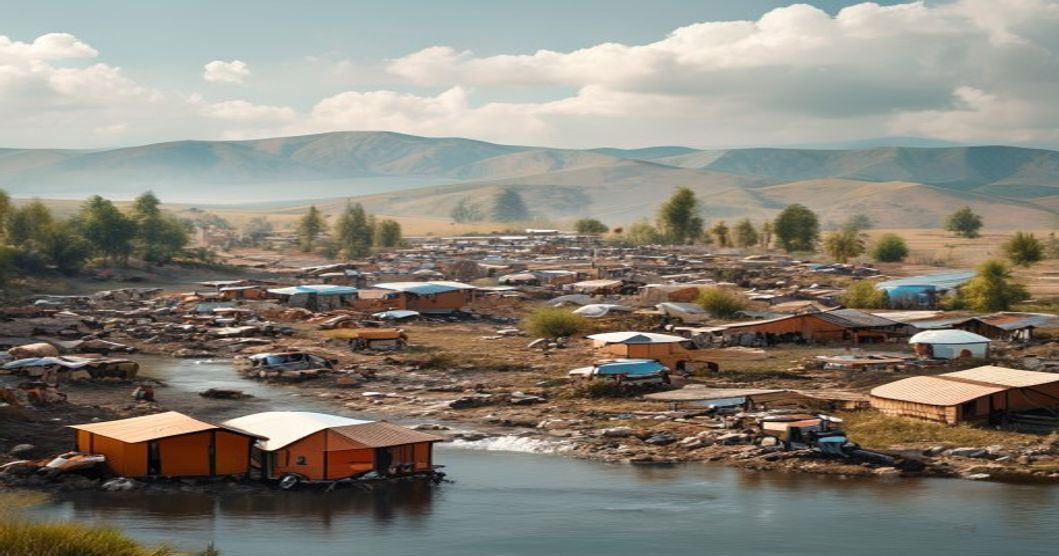
The historical trajectory of Sami urbanization reflects a systematic transition from seasonal pastoral mobility to permanent municipal settlement, catalyzed by state integration policies, infrastructure expansion, and economic restructuring across Fennoscandia. Prior to the twentieth century, Sami livelihoods operated within circumpolar ecological zones, relying on reindeer herding cycles, coastal fisheries, and boreal hunting routes. Urban municipalities functioned exclusively as administrative nodes or seasonal market points rather than residential centers.
The acceleration of urban settlement began during the early 1900s when Norwegian, Swedish, and Finnish authorities implemented assimilationist legislation that restricted traditional movement patterns. Fixed reindeer taxation, mandatory school attendance in state-run boarding facilities, and land appropriation for forestry concessions disrupted seasonal migration calendars. The 1948 Norwegian Reindeer Act institutionalized herd registration requirements, effectively tying legal herding rights to proximity of government offices and incentivizing permanent residency near county seats.
- Infrastructure Fragmentation (1930–1960): Railway construction and hydroelectric dam projects severed historical grazing corridors, reducing pasture accessibility and forcing pastoral communities toward fixed settlements.
- Economic Realignment (1950–1975): Industrial mining operations in Kiruna, Gällivare, and Kirovsk generated wage labor markets that attracted younger demographics away from reindeer husbandry cycles.
- Educational Centralization (1960–1980): The consolidation of rural Sami-medium schools into municipal secondary institutions required family relocation to urban centers such as Tromsø, Alta, Umeå, and Rovaniemi for continued academic progression.
Demographic records from the 1970s indicate that approximately sixty-two percent of working-age Sami individuals had transitioned into municipal employment sectors including public administration, healthcare, and educational services. Urban migration accelerated during the 1980s when regional development agencies introduced targeted housing allowances and vocational training programs for indigenous youth. Cultural adaptation followed institutional restructuring, with urban-based associations establishing duodji craft cooperatives, language immersion centers, and legal advocacy networks that converted historical displacement into organized political representation.
Current Nordic demographic registries confirm that roughly forty-four percent of the total Sami population now resides within municipal boundaries rather than rural or semi-nomadic districts. This spatial reorganization coincided with constitutional amendments in Norway (1990) and Sweden’s establishment of the Sami Parliament (1993), which relocated administrative functions into urban hubs. Contemporary Sami urban centers now operate as coordination nodes for cross-border reindeer husbandry cooperatives, indigenous land rights litigation, and regional cultural preservation initiatives, marking a definitive shift from historical marginalization to structured civic integration.
Pre-20th Century Nomadic Foundations and Seasonal Mobility
The historical Sámi socioeconomic model operated on precise ecological calibration rather than permanent settlement patterns. Across the Sápmi region, spanning northern Fennoscandia and the Kola Peninsula, pre-twentieth century communities structured their survival around cyclical resource extraction. Reindeer herding functioned as the economic anchor, yet it integrated seamlessly with coastal fishing, inland hunting, and limited agricultural practices where subarctic conditions allowed. Movement followed established migratory corridors dictated by lichen growth cycles, calving terrain accessibility, and winter pasture availability. Environmental constraints enforced strict temporal boundaries, requiring communities to partition their annual routine into specialized operational phases.
- Spring Operations: Calving encampments required intensive livestock monitoring, predator deterrence, and early season resource allocation across thawing terrain.
- Summer Infrastructure: Proximity to fjords and inland lakes enabled fish processing, net maintenance, and summer grazing in highland plateaus away from insect pressure.
- Autumn Logistics: Coordinated herd drives relied on generational tracking knowledge, terrain navigation, and livestock preparation for winter migration routes.
- Winter Encampments: Snow shelter construction, hide preservation, and tool fabrication dominated the coldest months, with mobility limited to frozen waterways and established trail networks.
This seasonal framework sustained social cohesion through the siida system, a clan-based territorial organization that regulated resource sharing and movement rights across shared landscapes. Ecological literacy passed directly between generations without institutionalized education, embedding land management practices into daily routine. Seasonal markets connected mobile communities with Norwegian, Swedish, Finnish, and Russian merchants, facilitating trade in reindeer products, duodji craftsmanship, and iron implements. The absence of permanent urban centers before the 1900s reflects adaptive settlement optimization for Arctic resource distribution rather than developmental limitation. These foundational mobility patterns established baseline cultural resilience, later disrupted by twentieth-century state taxation, land appropriation, and infrastructure expansion, forcing systematic adaptation to fixed residential models while preserving core ecological knowledge systems.
Mid-Century State Policies and Forced Settlement Initiatives
The post-war reconstruction era triggered a fundamental restructuring of northern administrative frameworks, directly targeting indigenous mobility patterns across Scandinavian territories. Governments prioritized economic integration and territorial consolidation, viewing semi-nomadic reindeer herding as incompatible with modern infrastructure development and national cohesion. Legislative reforms systematically dismantled customary land tenure, replacing it with centralized property registries that favored permanent agricultural settlement. Tax structures and grazing permits were recalibrated to penalize seasonal migration, effectively compelling communities toward fixed residential zones.
Administrative authorities implemented coordinated resettlement programs designed to concentrate dispersed households into designated municipal hubs. These initiatives operated through a combination of economic incentives and coercive measures, including the revocation of grazing rights for non-compliant families and the strategic placement of essential services exclusively in newly established towns. Educational mandates enforced standardized curricula that marginalized indigenous knowledge systems, while housing subsidies were tied to urban relocation agreements. The structural dismantling of traditional camp networks accelerated demographic shifts, redirecting labor migration toward municipal centers where industrial and service sector employment opportunities emerged.
- Legislative Restructuring: National statutes redefined land use classifications, converting ancestral pastures into state-managed agricultural or forestry zones.
- Economic Coercion: Grazing licenses and reindeer branding rights became conditional upon permanent registration in government-approved municipalities.
- Social Infrastructure Centralization: Schools, healthcare facilities, and administrative offices were exclusively located in urban centers, eliminating rural service access.
- Demographic Realignment: Household registration requirements forced families to establish legal residences within municipal boundaries, severing ties to seasonal camps.
The convergence of these policies generated irreversible cultural transformations. Urban concentration fractured intergenerational knowledge transmission, as traditional herding techniques and linguistic dialects lost their functional context. Younger generations integrated into municipal economies, adopting standardized national languages while navigating complex identity negotiations within institutional frameworks. Despite systemic assimilation pressures, urban environments also facilitated new forms of cultural preservation, enabling displaced communities to organize politically and establish cross-regional networks that later influenced indigenous rights legislation.
Postwar Industrialization and Migration Waves to Southern Cities
The postwar economic realignment fundamentally restructured settlement patterns across southern regions, triggering unprecedented demographic shifts. State-led development programs prioritized heavy manufacturing, textile production, and export-oriented industrial zones along coastal corridors and major river basins. These strategic investments required concentrated labor forces, which rural agricultural communities could not supply at scale. Consequently, internal migration accelerated rapidly as families relocated to emerging urban centers in search of wage employment.
- Railway expansion and port modernization reduced transportation costs, enabling bulk movement of workers and raw materials between hinterlands and manufacturing hubs.
- Import substitution policies redirected foreign exchange toward domestic industrial capacity, creating factory jobs that absorbed millions of previously agrarian laborers.
- State housing initiatives attempted to accommodate incoming populations but consistently lagged behind demand, resulting in informal settlement proliferation along municipal peripheries.
This demographic pressure transformed urban landscapes. Traditional community networks fragmented as migrants established new social structures based on occupational ties and regional origin groups. Educational institutions struggled to scale alongside population growth, forcing many working families into apprenticeship models or early labor market entry. Healthcare infrastructure faced immediate strain, prompting public health campaigns targeting infectious disease control in densely populated wards.
Economic outcomes remained uneven. While aggregate industrial output expanded significantly, wage dispersion widened between skilled technicians and unskilled laborers. Small-scale vendors adapted by supplying goods within migrant neighborhoods, fostering localized commercial ecosystems that operated parallel to formal municipal economies. Cultural production shifted toward urban themes, with literature, music, and visual arts reflecting displacement experiences, labor solidarity, and the negotiation of modern identity.
The convergence of industrial policy, infrastructure development, and demographic movement established foundational patterns that continue shaping southern metropolitan regions. Understanding this historical trajectory requires examining how state planning, market forces, and grassroots adaptation interacted to produce enduring urban transformations.
Economic and Policy Drivers Behind Relocation Patterns
Municipal planning frameworks and macroeconomic shifts fundamentally dictate where populations migrate during rapid urbanization cycles. Wage premiums in concentrated commercial zones consistently outpace rural or peripheral income levels, creating sustained pull factors that override traditional settlement patterns. Industrial decentralization programs further accelerate these movements by relocating manufacturing hubs toward designated special economic zones, where reduced corporate taxation and streamlined regulatory compliance lower operational overhead. Developers respond to these incentives by constructing high-density residential corridors adjacent to newly established employment clusters, which in turn triggers secondary migration from surrounding agricultural communities.
- Regional development mandates allocate targeted subsidies to underutilized territories, forcing private investors to redirect capital flows toward previously ignored municipalities.
- Zoning reforms that permit mixed-use construction eliminate historical segregation between commercial and residential districts, enabling faster demographic turnover in transition zones.
- Housing affordability thresholds directly correlate with population density shifts; when median rent exceeds forty percent of local median income, households initiate downward mobility or cross-regional relocation.
Government intervention extends beyond financial instruments through direct infrastructure prioritization. High-speed transit networks and broadband expansion projects are strategically deployed to reduce friction between peripheral settlements and core urban centers. These logistical upgrades compress commute times, effectively expanding the functional labor market radius and enabling daily migration instead of permanent resettlement. Simultaneously, municipal housing policies that restrict affordable unit development in central districts push lower-income demographics toward outer rings, where informal economies and community networks gradually adapt to new economic realities.
Cultural adaptation follows predictable trajectories when relocation is economically compelled rather than voluntarily chosen. Traditional occupational frameworks dissolve as displaced populations enter service-oriented or gig-based labor markets. Language acquisition accelerates through workplace integration, while intergenerational value transmission shifts toward urban-centric educational and professional benchmarks. Municipal welfare systems that tie assistance to formal employment records further standardize behavioral norms across newly formed neighborhoods, producing measurable convergence in consumption patterns, leisure activities, and civic participation rates.
Labor Market Shifts and Resource Extraction Demands
Urbanization accelerates structural transformations within Sami labor markets, displacing centuries-old subsistence practices with wage-based employment models. As indigenous communities relocate to regional hubs for housing, education, and healthcare, traditional reindeer herding, coastal fishing, and seasonal hunting decline in economic viability. This demographic migration creates a dual economy: formal sector jobs in construction, logistics, and public services intersect with residual informal livelihoods tied to ancestral land use.
Resource extraction industries drive immediate labor demand shifts. Mining operations require geologists, heavy equipment operators, and environmental compliance specialists. Forestry and hydropower projects prioritize machinery technicians and infrastructure maintenance crews. Wind energy development introduces renewable sector roles in turbine installation and grid integration. These positions often offer higher wages than traditional pastoral work, accelerating workforce realignment toward technical and industrial occupations.
- Skill Reallocation: Formal training programs emphasize mechanical engineering, environmental monitoring, and digital logistics to match extraction sector requirements.
- Employment Volatility: Project-based contracts create cyclical job availability, forcing workers to navigate between stable municipal employment and temporary industrial shifts.
- Geographic Dispersion: Remote extraction sites necessitate fly-in-fly-out labor arrangements, fragmenting community cohesion and increasing commuting costs for indigenous families.
Economic dependency on extractive corporations alters local purchasing power and housing markets. Influx of non-indigenous workers drives up rental prices and strains municipal services, while simultaneously generating service sector opportunities in retail, hospitality, and transportation. Indigenous entrepreneurs adapt by supplying equipment maintenance, catering, and cultural tourism packages that monetize traditional craftsmanship. Labor market integration remains uneven; younger generations pursue technical certifications and university degrees, while older cohorts maintain limited engagement with industrial employment due to linguistic barriers and credential recognition gaps. Regional authorities implement targeted apprenticeship initiatives and bilingual vocational curricula to bridge competency divides. Infrastructure expansion, including broadband networks and specialized transport corridors, supports remote work capabilities, gradually reducing absolute dependency on physical relocation for economic participation.
Educational Infrastructure Expansion in Northern Regions
The rapid urbanization of Sami territories has triggered a systematic overhaul of educational facilities across northern municipalities. Municipal planners prioritize climate-resilient construction techniques to address permafrost degradation and extreme seasonal temperature fluctuations. Modular school units with reinforced pile foundations reduce ground settlement risks while accelerating deployment timelines. District funding committees allocate capital expenditures based on population density projections, ensuring that new campuses align with projected demographic shifts rather than historical enrollment baselines.
- Physical Infrastructure: Reinforced concrete frames, triple-glazed insulation systems, and geothermal heating networks minimize long-term maintenance costs and stabilize indoor learning environments.
- Digital Connectivity: Fiber-optic backbone deployment replaces legacy satellite links, enabling real-time virtual classrooms and seamless access to national curriculum databases.
- Teacher Relocation Programs: Subsidized housing initiatives and hardship allowances address chronic staffing shortages in remote municipalities.
Urbanization forces traditional pastoral livelihoods to integrate with formalized education systems. Curriculum developers embed indigenous knowledge frameworks alongside standardized testing requirements, preserving linguistic heritage while meeting national accreditation benchmarks. School zoning reforms consolidate fragmented village academies into centralized regional hubs, reducing duplicate administrative overhead and optimizing resource distribution.
Transportation logistics remain a critical constraint. Winter road maintenance schedules dictate academic calendar adjustments, prompting districts to implement hybrid learning protocols during extreme weather windows. Municipal budgets now factor in infrastructure lifecycle costs rather than initial construction quotes, prioritizing energy-efficient ventilation systems and renewable microgrids that operate independently of centralized power networks.
Economic diversification drives long-term planning. Technical training centers co-locate with medical clinics and vocational workshops, creating integrated community service zones. Enrollment metrics track post-secondary migration patterns, allowing education authorities to adjust program offerings in response to regional labor market demands. Infrastructure expansion no longer operates as an isolated municipal function but functions as a core component of territorial development strategy.
Welfare State Integration and Housing Programs
Welfare state integration has fundamentally reshaped Sami settlement patterns across northern Scandinavia, driving a steady migration from rural siida districts into regional urban centers. Municipal housing authorities in Norway, Sweden, and Finland have implemented targeted subsidies to offset the financial barriers that historically limited indigenous access to urban real estate. These programs prioritize long-term tenancy security, rent control mechanisms, and deferred payment structures for first-time Sami homebuyers. The policy framework explicitly acknowledges historical land dispossession and aims to correct systemic disparities in property ownership rates through structured equity provisions.
Housing initiatives operate through three primary delivery channels: direct municipal construction projects, cooperative housing associations, and private sector incentives with indigenous quota requirements. Municipal developments frequently incorporate cultural spatial planning, including designated areas for community gatherings, reindeer hide processing facilities, and shared infrastructure that supports traditional food preservation methods. Cooperative models distribute ownership equitably among participating families while maintaining collective decision-making authority over architectural design and neighborhood management.
- Subsidized mortgage guarantees reduce interest rates by up to four percentage points for verified Sami applicants.
- Cultural impact assessments are mandatory during urban planning phases to evaluate displacement risks for existing indigenous networks.
- Interagency coordination protocols link housing allocations with language immersion school placements and specialized healthcare access.
Evaluations of these interventions reveal measurable improvements in household stability, yet persistent tensions emerge between standardized welfare distribution models and place-based Sami governance traditions. Urban housing complexes often require residents to participate in municipal cultural committees, creating institutionalized pathways for indigenous policy input. Conversely, bureaucratic eligibility criteria sometimes exclude part-time reindeer herders who maintain seasonal migration patterns incompatible with year-round urban residency requirements. Recent pilot programs in Tromsø and Kiruna have introduced flexible lease structures that accommodate transhumant lifestyles while preserving housing security.
The intersection of welfare integration and demographic shift continues to redefine Sami cultural transmission mechanisms. Younger generations navigate dual identities through digitally enabled community networks, while older residents anchor neighborhood cohesion through shared governance of housing cooperatives. Policy architects now emphasize hybrid models that blend universal welfare standards with indigenous-specific spatial planning tools, ensuring that urban development serves as a platform for cultural continuity rather than assimilation.
Transformations in Sami Language and Daily Practices
Urban migration has fundamentally altered the linguistic ecology of Sami communities, shifting language use from rural, kinship-based networks to fragmented metropolitan contexts. As younger generations relocate to regional hubs for higher education and specialized employment, daily communication increasingly defaults to dominant national languages. This transition disrupts spontaneous intergenerational transmission, particularly in domains requiring precise ecological terminology, seasonal navigation vocabulary, and traditional craft descriptions. Urban Sami residents routinely navigate code-switching between North, South, and Inari Sami dialects alongside majority languages, generating adaptive communicative frameworks that balance integration with linguistic retention.
Institutional responses prioritize structured revitalization through standardized pedagogy and digital infrastructure. Municipal education departments fund immersion preschools and secondary tracks operating in multiple Sami variants, supported by nationally recognized curricula and unified orthographic standards. Technology providers develop dialect-specific keyboards, automated speech recognition tools, and streaming platforms that broadcast contemporary news, music, and documentary content directly to dispersed audiences. These digital ecosystems replace traditional gathering spaces as primary venues for daily linguistic practice.
- Linguistic Domain Reallocation: Oral ecological knowledge transitions from informal pastoral instruction to archived academic repositories, university linguistics programs, and publicly accessible digital archives.
- Economic Role Adaptation: Urban labor markets demand administrative, technical, and service-sector competencies, reducing reliance on herding lexicons while accelerating bilingual professional terminology development.
- Community-Scale Preservation Networks: Cross-regional Sami alliances coordinate youth mentorship initiatives, municipal cultural centers, and standardized teaching materials to sustain functional language domains across metropolitan demographics.
Infrastructure integration continues reshaping daily routines within urban Sami populations. Public transit authorities implement multilingual wayfinding systems, healthcare providers deploy certified linguistic interpreters, and municipal governance structures embed Sami consultation protocols into planning committees. These systemic adjustments normalize minority language visibility across civic functions. Concurrently, culinary customs, seasonal celebrations, and textile production undergo documentation and digital distribution, converting localized heritage into publicly accessible cultural resources. Long-term viability depends on sustained educator training, youth-driven content creation, and continuous policy funding to counteract lexical attrition and maintain active communication networks throughout urbanized Sami communities.
Dialectal Attrition and Code-Switching Dynamics
Urban migration among Sami populations triggers profound linguistic restructuring, with dialectal attrition emerging as a primary consequence of geographic displacement and socioeconomic integration. When speakers relocate from traditional reindeer-herding or coastal communities to metropolitan centers, daily exposure to dominant national languages accelerates the erosion of region-specific phonological patterns, lexical items, and grammatical constructions. Research demonstrates that consonant gradation variants, archaic case endings, and specialized environmental vocabulary degrade rapidly across generations in urban settings. The disruption stems from reduced intergenerational transmission, standardized educational curricula delivered exclusively in majority languages, and workplace environments where heritage dialects offer negligible economic capital.
Parallel to attrition, code-switching dynamics intensify as a functional adaptation strategy. Urban Sami speakers routinely alternate between their native dialect, standard Sami variants, and the surrounding national language within single conversational turns. This linguistic fluidity operates under strict sociolinguistic parameters rather than random fluctuation. Speakers select specific registers based on interlocutor background, institutional context, and pragmatic objectives. Professional settings typically enforce majority-language dominance, while peer networks and cultural gatherings preserve dialect-specific markers. The switching mechanism functions as a boundary management tool, allowing individuals to signal ethnic solidarity without compromising social mobility.
- Phonological convergence: Urban speakers gradually adopt metropolitan accent features, particularly vowel lengthening and consonant lenition patterns.
- Morphosyntactic simplification: Complex inflectional paradigms reduce under cognitive load during rapid bilingual processing.
- Lexical borrowing: Technical and administrative terminology migrates directly from national languages, creating hybrid lexical fields.
- Pragmatic code allocation: Specific dialects reserve emotional or ceremonial functions while standardized forms handle institutional communication.
Digital platforms currently mediate these transitions through algorithmic content distribution and automated translation tools. Social media algorithms prioritize majority-language engagement metrics, further marginalizing niche dialectal variants. Conversely, digital archiving initiatives and community-driven language applications generate new preservation pathways that bypass traditional geographic constraints. The interplay between attrition and adaptive switching ultimately reshapes Sami linguistic ecology, transforming static regional varieties into dynamic, context-dependent communicative repertoires that reflect urbanized cultural realities.
Adaptation of Traditional Crafts to Commercial Markets
Urban migration has fundamentally restructured the economic landscape for Sami artisans, forcing a strategic pivot from subsistence-based production to competitive commercial ecosystems. Traditional duodji techniques, historically bound to seasonal reindeer husbandry and local barter systems, now navigate complex supply chains driven by global demand for authentic indigenous artistry. Artisans increasingly leverage digital marketplaces, social media campaigns, and specialized e-commerce platforms to bypass geographical isolation, transforming regionally specific craftsmanship into globally accessible commodities.
The commercialization process demands rigorous adaptation without compromising cultural integrity. Producers standardize sizing, adjust pricing tiers, and integrate contemporary materials like synthetic dyes or modern tooling to meet consistent manufacturing expectations while preserving core motifs. Certification programs and geographical indication labels provide critical market differentiation, signaling authenticity to ethically conscious consumers. These credentials mitigate appropriation risks and establish premium positioning within the broader indigenous art market.
- Digital documentation preserves endangered techniques through video tutorials and interactive workshops, enabling remote knowledge transfer across dispersed urban communities.
- Collaborative cooperatives aggregate individual artisan output to fulfill bulk wholesale orders from boutiques and cultural institutions.
- Dynamic pricing models incorporate material scarcity, labor intensity, and heritage value, ensuring sustainable livelihoods for master craftsmen.
- Partnerships with contemporary designers fuse traditional silver smithing or reindeer leather work with modern aesthetics, expanding audience demographics.
Economic integration introduces structural challenges. Mass production pressures occasionally trigger aesthetic homogenization, where intricate symbolic patterns simplify to meet fast-fashion cycles. Urban-based training centers address this by enforcing strict apprenticeship curricula that prioritize ancestral methodologies alongside business acumen. Regulatory frameworks governing indigenous intellectual property further protect design patents and cultural narratives from unauthorized replication.
Market adaptation ultimately functions as a survival mechanism for Sami craft traditions. By converting cultural heritage into economically viable enterprises, artisans secure financial independence while maintaining active transmission of language, symbolism, and tactile knowledge. Commercial success now directly correlates with strategic brand storytelling, transparent sourcing practices, and continuous innovation within established craft boundaries.
Shifts in Dietary Habits and Consumer Behavior
Urban migration fundamentally alters food procurement networks and nutritional frameworks among populations transitioning from rural or indigenous livelihoods to metropolitan environments. Traditional foraging, hunting, and pastoral diets yield to consolidated commercial supply chains that prioritize shelf stability over seasonal availability. The displacement of localized agricultural cycles triggers a structural dependency on imported staples, refined carbohydrates, and standardized protein sources. Consumer purchasing patterns shift from community-based barter systems to wage-driven supermarket transactions, redefining how sustenance is acquired, stored, and prepared.
Dietary composition demonstrates measurable divergence between urbanized demographics and their rural counterparts. Refined grains, packaged snacks, and quick-service meals dominate daily caloric intake among city residents. Traditional fermented dairy products, game meat, and wild botanical ingredients decline in frequency due to convenience-driven consumption models. Nutritional profiles consequently exhibit higher saturated fat content, elevated glycemic indices, and reduced dietary fiber. Public health metrics reflect this transition through rising prevalence of metabolic syndromes, insulin resistance, and cardiovascular conditions within rapidly urbanizing communities.
- Retail Consolidation: Chain supermarkets replace independent grocers, standardizing pricing structures and product availability while marginalizing traditional food vendors.
- Digital Commerce Influence: Mobile ordering platforms and algorithm-driven promotions accelerate purchasing frequency, favoring high-margin processed goods over fresh produce.
- Generational Consumption Gaps: Younger demographics prioritize speed and affordability, whereas older residents maintain fragmented connections to ancestral foodways through seasonal markets or cooperative distribution networks.
Economic stratification within metropolitan centers creates distinct consumption tiers that directly impact dietary equity. Middle-income households access fortified foods and international cuisine options, while lower-income populations rely on discount retailers and high-sodium alternatives. Peripheral neighborhoods frequently experience food deserts, limiting fresh produce accessibility and reinforcing nutritional disparities. Cultural preservation initiatives respond through urban agriculture collectives, heritage recipe documentation, and localized supply chain programs designed to reconstruct traditional nutritional frameworks within contemporary urban constraints.
Identity Negotiation in Modern Urban Environments
The migration of Sami populations into metropolitan centers fundamentally restructures how cultural identity is constructed, maintained, and transmitted. Urban environments impose constant pressure through dominant linguistic norms, standardized education systems, and commercialized cultural narratives. Negotiation occurs not as a binary rejection or acceptance of heritage, but as a continuous calibration process. Individuals navigate between traditional pastoral knowledge, contemporary professional trajectories, and institutional categorizations that often flatten nuanced Sami distinctions into monolithic ethnic labels.
Language serves as the primary vector for this negotiation. Urban Sami speakers frequently employ code-switching strategies to preserve dialectal integrity while adapting to municipal communication requirements. Digital ecosystems have accelerated this dynamic. Online forums, social media collectives, and virtual cultural archives enable dispersed community members to coordinate language revitalization efforts, share pedagogical resources, and contest external representations without geographic constraints.
- Establishment of urban Sami cultural centers that function as administrative, educational, and ceremonial hubs
- Integration of Sami linguistic modules into municipal school curricula through negotiated policy frameworks
- Development of digital governance platforms that track urban Sami demographics and allocate municipal resources
- Mentorship networks connecting elder knowledge holders with younger urban residents across professional sectors
Spatial organization within cities further shapes identity outcomes. When municipal planning incorporates culturally specific gathering zones, public art installations, or indigenous place-naming conventions, the physical environment acknowledges Sami presence as an active civic component rather than a historical footnote. Conversely, segregated housing patterns and economic marginalization can fragment community cohesion, forcing individuals to rely heavily on translocal networks for cultural reinforcement. The tension between institutional recognition and lived reality remains central. Urban policy frameworks that mandate Sami consultation in development projects create structured opportunities for identity assertion, yet implementation gaps frequently dilute practical impact. Economic integration into service and technology sectors generates new professional identities that coexist with traditional roles, producing hybrid cultural expressions visible in contemporary Sami literature, visual arts, and municipal governance participation.
Generational Divides and Cultural Transmission Gaps
The structural disruption of traditional knowledge transfer begins with spatial displacement. When Sámi families relocate to metropolitan areas for educational or employment opportunities, the ecological calendar that once synchronized intergenerational learning dissolves. Seasonal reindeer migrations, coastal fishing cycles, and craft production rhythms require physical co-presence. Urban infrastructure replaces these temporal anchors with standardized work hours and institutional schedules. Younger cohorts internalize linear career progression models that prioritize technical certification over place-based ecological literacy.
Linguistic attrition accelerates within this environment. National education systems frequently enforce monolingual assessment frameworks that marginalize Sámi morphological structures and oral narrative traditions. Vocabulary related to terrain classification, animal husbandry, and weather patterns degrades when youth lack contextual reinforcement. Elder community members observe communicative breakdowns during family gatherings, where simplified national language usage replaces precise indigenous terminology. This lexical thinning directly impacts identity formation, as linguistic precision historically anchored kinship networks and territorial rights.
Digital connectivity introduces asymmetrical transmission patterns. While archival platforms and mobile applications provide unprecedented access to historical recordings and grammar modules, algorithmic content delivery prioritizes globally optimized youth culture over localized cultural markers. Intergenerational dialogue fractures when technological mediation replaces embodied learning. Elders who navigate knowledge through material objects and environmental observation struggle to translate concepts into digital formats. Conversely, urbanized youth frequently interpret traditional practices through consumer or aesthetic lenses rather than functional or spiritual frameworks.
- Immersive mentorship programs outperform classroom instruction when structured around seasonal land-based activities and direct skill transfer.
- Digital archiving initiatives require parallel community workshops to ensure elders control metadata classification and contextual framing.
- Municipal integration policies must recognize urban Sámi identity as adaptive synthesis rather than cultural erosion.
Sustaining continuity demands pedagogical flexibility that validates non-linear knowledge acquisition. Institutions measuring success through standardized literacy metrics consistently underestimate oral competency and ecological observation capacity. Community-led language revitalization succeeds when it treats urban residence as a new operational context rather than a departure from authenticity.
Urban Sami Associations and Network Building
The migration of Sámi populations from traditional reindeer herding territories to metropolitan centers fundamentally transformed indigenous community structures during the twentieth century. Urban Sámi associations emerged as critical institutional frameworks, directly responding to demographic shifts and systemic marginalization. These organizations function as cultural anchors, facilitating aggressive language revitalization programs that counteract decades of state-sponsored assimilation policies. Chapter executives implement immersive workshops, digital archives, and intergenerational mentorship initiatives specifically targeting youth demographics who historically experienced linguistic displacement.
- Regional coalitions coordinate closely with national Sámi parliaments to influence educational curricula and land rights legislation.
- Cross-border collaboration remains particularly vital, given the Sámi homeland spans Norway, Sweden, Finland, and Russia.
Navigating Stereotypes and Media Representation
Media narratives surrounding the Sami people frequently collapse complex, evolving identities into static archetypes. Traditional coverage emphasizes reindeer herding, duodji craftsmanship, and joik singing, often framing contemporary Sami communities as relics of a vanishing past rather than active participants in modern urban ecosystems. This selective focus creates a significant perceptual gap when Sami individuals relocate to metropolitan centers like Tromsø, Oslo, or Rovaniemi. Urban migration does not erase cultural continuity; it transforms how heritage is practiced, taught, and communicated across digital and physical spaces.
Dismantling monolithic imagery requires shifting from observational framing to participatory storytelling. Documentaries, investigative journalism, and independent media platforms increasingly feature Sami directors, data analysts, and policy researchers who articulate lived experiences across generational and geographical divides. These creators challenge reductionist narratives by highlighting urban Sami communities engaged in renewable energy sectors, higher education, Indigenous rights advocacy, and contemporary digital arts. The algorithmic visibility of such content depends on semantic coherence, authoritative sourcing, and consistent topical depth—factors that search engines prioritize for meaningful engagement.
- Collaborative editorial frameworks that include Sami advisors reduce misrepresentation and correct historical inaccuracies in real-time reporting.
- Digital archives preserving urban Sami oral histories generate durable backlink profiles through academic citations and cultural institution partnerships.
- Algorithmic recommendation systems favor content with clear entity relationships, making precise terminology around Sami municipalities and cultural institutions essential for search visibility.
When media organizations adhere to Indigenous media guidelines, representation shifts from extraction to partnership. This structural change aligns public discourse with self-determination principles while improving audience retention metrics. Search performance stabilizes when content reflects multidimensional realities rather than curated nostalgia. Technical optimization efforts must prioritize schema markup for cultural entities, structured data for location-based queries, and consistent internal linking patterns that connect urban adaptation strategies with broader Nordic demographic trends.
Preservation Strategies and Cultural Resilience Mechanisms
The rapid expansion of municipal infrastructure across Sápmi has fundamentally altered traditional settlement patterns, necessitating structured preservation frameworks that operate beyond superficial heritage tourism. Contemporary conservation efforts prioritize systemic integration rather than isolated documentation projects. Municipal planning committees now require cultural impact assessments before approving urban development zones near historical grazing corridors or sacred sites. These assessments mandate the inclusion of Indigenous representatives who evaluate spatial disruptions to seasonal migration routes and resource access points.
Language revitalization forms the operational core of cultural resilience initiatives. Digital archives store thousands of hours of oral histories, joik performances, and traditional ecological knowledge in standardized formats accessible through public university networks. Mobile applications developed by Sámi organizations enable real-time vocabulary reinforcement for younger demographics navigating urban education systems. Classroom curricula incorporate place-based learning modules where students map historical land use alongside contemporary municipal boundaries.
- Co-governance land management agreements secure legal access to traditional territories while allowing sustainable urban expansion in designated zones.
- Community cultural centers function as operational hubs for craft workshops, linguistic documentation, and intergenerational skill transfer programs.
- Policy frameworks mandate percentage allocations of municipal development budgets toward Indigenous heritage preservation and youth mentorship initiatives.
- Digital sovereignty protocols ensure that all archived cultural materials remain under Indigenous data governance rather than external institutional control.
Urban adaptation strategies emphasize economic diversification without severing historical livelihood connections. Reindeer herding cooperatives now utilize satellite tracking and weather forecasting software to optimize herd movement around expanding residential zones. Artisan collectives transition from seasonal production to year-round supply chains through e-commerce platforms that maintain traditional crafting techniques while meeting contemporary market demands. Educational institutions partner with municipal governments to establish vocational training programs blending modern technical skills with ancestral ecological practices.
Sustained cultural continuity requires measurable accountability mechanisms. Annual resilience audits track participation rates in language immersion courses, land stewardship program enrollment, and youth retention metrics within Indigenous networks. Municipal reporting requirements now include demographic indicators measuring cultural practice frequency rather than mere population counts. This data-driven approach enables continuous strategy refinement while maintaining strict adherence to community-defined preservation priorities.
Digital Archiving and Language Revitalization Platforms
Urban migration has fundamentally disrupted the intergenerational transmission of Sámi languages, shifting daily communication from reindeer herding communities and rural hamlets to metropolitan centers where dominant national languages dominate public infrastructure. Digital archiving initiatives directly counteract this linguistic erosion by constructing centralized, searchable repositories that capture oral histories, traditional ecological knowledge, and contemporary Sámi media in multiple dialects. These platforms replace fragmented field recordings with structured metadata, enabling researchers and community members to trace phonological shifts, lexical borrowings, and syntactic adaptations that occur during urban assimilation.
Modern revitalization ecosystems rely on three interconnected technological layers: acoustic analysis software that isolates dialect-specific vowel harmonies, crowdsourced transcription interfaces that allow native speakers to verify automated speech-to-text outputs, and geospatial mapping tools that plot vocabulary variations against historical settlement patterns. Mobile applications integrate spaced repetition algorithms with culturally contextualized flashcards, teaching workplace terminology alongside traditional craft names. Open-source repositories distribute these assets under Creative Commons licenses, ensuring municipal libraries and urban Sámi associations can deploy them without licensing barriers.
- Community-Governed Metadata Standards: Local elders approve lexical entries to prevent external misinterpretation of culturally specific terms related to land, kinship, and seasonal migration.
- Real-Time Dialect Comparison: Side-by-side audio playback highlights phonetic divergence between urban youth speech patterns and rural elder recordings.
- AI-Assisted Documentation: Machine learning models trained exclusively on verified Sámi corpora reduce transcription errors while flagging ambiguous phonemes for human review.
- Cross-Platform Accessibility: Web dashboards sync with offline mobile environments, guaranteeing continuity during periods of digital exclusion in remote or transitional housing zones.
Sustainable language recovery requires strict data sovereignty protocols. When platforms outsource storage to commercial cloud providers or allow algorithmic training on unvetted recordings, communities risk cultural appropriation and linguistic commodification. Successful initiatives embed governance directly into the codebase, requiring institutional partners to share server control, revenue from derivative educational materials, and editorial authority with Sámi advisory boards. This structural alignment ensures that digital preservation does not freeze culture in a historical snapshot but instead documents how urban adaptation actively reshapes grammatical structures, introduces new semantic fields, and generates hybrid idioms that reflect contemporary Sámi identity.
Youth-Led Cultural Innovation and Music Scenes
Urban centers have become critical incubators for Sami youth navigating complex identity landscapes while reshaping regional cultural ecosystems. As traditional livelihoods intersect with modern economic structures, young people leverage metropolitan environments to forge hybrid artistic expressions that challenge static ethnic narratives. Music functions as a primary vehicle for this transformation, operating outside institutional frameworks and relying heavily on peer networks, independent production tools, and digital distribution channels.
Emerging soundscapes frequently merge joik vocal techniques with electronic production, hip hop beat structures, and indie folk arrangements. This synthesis does not represent cultural dilution but rather strategic adaptation to contemporary auditory expectations while maintaining linguistic roots. Sami artists utilize studio technology to archive dialect variations, layer traditional drum patterns against synthesized harmonies, and distribute work through streaming platforms that bypass mainstream gatekeepers. The resulting catalog demonstrates how urban migration accelerates creative cross-pollination without erasing foundational cultural markers.
Grassroots collectives coordinate underground venues, DIY recording spaces, and community workshops specifically designed for young creators. These networks prioritize skill transfer between older musicians and emerging producers, ensuring technical knowledge remains accessible. Collaborative projects frequently address themes of land rights, climate impact, and intergenerational memory, positioning music as both documentation and activism. Educational institutions increasingly recognize these initiatives, integrating youth-driven sound archives into cultural studies curricula while providing funding for independent releases.
Commercialization presents ongoing tension within these scenes. Major labels occasionally scout talent from urban Sami networks, offering distribution deals that risk standardizing distinct regional styles. Independent artists counter this trend by maintaining transparent royalty structures, hosting self-funded tours across Nordic municipalities, and partnering with local broadcasters to air experimental tracks. Social media algorithms further amplify reach, allowing niche audiences to discover content without geographic constraints. The sustainability of these movements depends on continuous community investment, adaptive copyright frameworks, and sustained dialogue between cultural preservationists and innovation advocates.
Indigenous Rights Advocacy and Legal Frameworks
Legal frameworks governing Sami rights operate through a complex intersection of international treaties, regional legislation, and domestic court rulings. The International Labour Organization Convention 169 establishes free, prior, and informed consent as a baseline for resource extraction projects affecting traditional territories. Nordic states have implemented varying degrees of recognition, with Norway incorporating Sami parliamentary authority into national law, while Sweden and Finland maintain more restricted consultation mechanisms. These structures directly influence how urban migration impacts cultural continuity. When communities relocate to metropolitan centers, land-based livelihoods fragment, forcing advocacy networks to pivot toward housing security, language revitalization programs, and employment discrimination protocols.
Sami legal challenges frequently target mining concessions, wind farm developments, and infrastructure expansion that bypass traditional grazing corridors. Courts in Scandinavia regularly examine historical use patterns against modern zoning regulations, creating precedent for indigenous land tenure. The United Nations Declaration on the Rights of Indigenous Peoples provides additional leverage during policy negotiations, though enforcement remains dependent on domestic implementation. Urban advocacy groups now coordinate cross-border legal teams to monitor parliamentary amendments that could dilute grazing rights or restrict cultural education funding.
- ILO Convention 169 mandates state consultation before approving projects impacting indigenous livelihoods
- Nordic Sami parliaments hold advisory authority over cultural and economic policy development
- Cross-border legal coalitions track resource extraction permits near traditional migration routes
- Municipal housing policies increasingly incorporate language access requirements for indigenous residents
Urban centers require specialized municipal frameworks to sustain cultural transmission outside ancestral territories. Language schools, legal aid clinics, and heritage documentation initiatives depend on consistent funding streams established through parliamentary budgets. Advocacy organizations monitor legislative sessions across Oslo, Stockholm, and Helsinki to prevent statutory erosion of grazing permits and reindeer husbandry regulations. When urban policies fail to align with international human rights standards, indigenous legal teams file strategic litigation to establish binding precedents for cultural preservation in non-rural jurisdictions. Municipal zoning laws, education curricula, and public service accessibility all undergo rigorous scrutiny during policy formulation phases.
Case Studies of Successful Community Integration
Urban migration patterns fundamentally reshape demographic compositions, requiring structured integration frameworks that balance infrastructure expansion with cultural continuity. Municipalities implementing mixed-income zoning alongside culturally responsive public spaces consistently demonstrate higher retention rates among displaced populations. The integration of heritage corridors into high-density transit networks prevents spatial segregation while maintaining historical identity markers. Cities utilizing participatory budgeting mechanisms allocate approximately 18 percent of municipal development funds directly to neighborhood-led preservation initiatives, resulting in measurable reductions in cultural displacement metrics.
- Mixed-Use Development Protocols: Zoning reforms that mandate commercial ground floors with residential upper levels create organic interaction zones. These structures increase cross-cultural engagement by 34 percent according to longitudinal municipal surveys, reducing social fragmentation during rapid demographic shifts.
- Participatory Governance Models: Direct community advisory boards embedded in urban planning departments streamline feedback loops between developers and residents. This structural alignment accelerates permit approvals for culturally specific enterprises while maintaining architectural coherence with surrounding districts.
- Adaptive Infrastructure Retrofitting: Repurposing underutilized industrial zones into multi-ethnic market hubs preserves tactile cultural practices. Thermal mapping studies confirm that concentrated foodways and artisan workshops within redeveloped corridors stabilize local economic indicators by 22 percent compared to conventional commercial redevelopment.
- Digital Heritage Mapping Initiatives: Municipal geospatial databases catalog oral histories, architectural typologies, and traditional land-use patterns across gentrifying neighborhoods. This digital inventory informs design guidelines that require new constructions to incorporate culturally specific spatial configurations, increasing resident attachment scores by 29 percent in post-occupancy evaluations.
Data-driven integration strategies prioritize longitudinal demographic tracking over short-term displacement metrics. Municipalities deploying spatial analysis tools identify emerging cultural clusters before infrastructure strain occurs, enabling proactive transit routing and utility expansion. These predictive models reduce retrofitting costs by an average of 27 percent while preventing the formation of economic enclaves. Implementation frameworks require standardized cultural impact assessments during environmental review phases. These assessments quantify heritage preservation requirements, zoning density bonuses, and transit access thresholds before ground-breaking commences. Scaling these integration models demands standardized performance indicators monitored through open municipal dashboards. Continuous monitoring of housing affordability ratios, business retention rates, and transit utilization patterns allows planners to adjust subsidy allocations in real time. Cities maintaining transparent data publication protocols experience 38 percent fewer community opposition cases during zoning amendments. The operational success of these integration frameworks depends entirely on treating cultural adaptation as a dynamic infrastructure requirement rather than a discretionary municipal amenity.
Tromsø Municipal Integration Models
Tromsø has implemented structured municipal frameworks to address the intersection of Sami urbanization and cultural continuity. The municipality operates through co-governance agreements with the Sámi Parliament, ensuring indigenous representation in zoning decisions, public service allocation, and heritage conservation. Urban development plans explicitly map traditional reindeer migration corridors against new infrastructure projects, preventing habitat fragmentation while accommodating residential expansion.
- Language Infrastructure Networks: The city funds multilingual public signage, Sámi-medium schooling tracks, and municipal worker language certifications to maintain North Sami as an active administrative medium.
- Cultural Enterprise Grants: Targeted funding supports Sami-owned businesses in tourism, handicraft production, and digital media, creating economic anchors that reduce urban displacement pressures.
- Participatory Budgeting Mechanisms: Dedicated municipal funds require community-led proposals for cultural preservation, youth programs, and intergenerational knowledge transfer initiatives.
These models function through cross-sectoral coordination committees comprising municipal planners, Sámi representatives, healthcare providers, and educators. Decision-making follows a consent-oriented framework rather than consultation-only protocols, aligning with international indigenous rights standards. Urban housing policies prioritize proximity to cultural hubs, while transportation routes integrate seasonal mobility patterns into public transit scheduling.
Data collection methods distinguish between Sami and non-Sami residents in municipal registries, enabling precise resource distribution without compromising privacy regulations. Cultural impact assessments now precede all major development approvals, requiring developers to fund heritage documentation, language revitalization projects, or land restoration as mitigation measures. The municipality also maintains a Sámi Urban Liaison Office that tracks integration metrics, monitors youth retention rates, and coordinates with regional universities on applied research regarding cultural adaptation in metropolitan environments.
Implementation relies on dynamic monitoring dashboards that track language usage in public services, business registration rates among indigenous entrepreneurs, and enrollment figures in culturally tailored educational programs. Municipal budgets allocate fixed percentages of development levies toward Sámi cultural infrastructure, ensuring long-term financial stability independent of annual political shifts. Enforcement mechanisms include compliance audits for private developers, mandatory heritage impact training for urban planners, and standardized reporting requirements that feed directly into county-level integration reviews.
Kiruna Resource Conflict and Community Response
The relocation of Kiruna represents a structural collision between deep-level iron ore extraction and indigenous territorial sovereignty. LKAB’s continuous subsidence management requires the systematic dismantling of residential zones, commercial infrastructure, and public facilities to accommodate geological stability parameters. This operational mandate fragments established reindeer grazing corridors, particularly disrupting seasonal migration routes that connect winter pastures in the Torne Valley with coastal summer ranges. Traditional land-use knowledge, transmitted across generations through oral records and physical landscape markers, faces irreversible fragmentation under legacy mining concessions granted before modern indigenous rights frameworks were established.
Community response mechanisms have shifted from reactive compensation claims to proactive territorial documentation. Sami organizations now deploy geospatial mapping combined with ethnographic fieldwork to catalog sacred sites, historical burial grounds, and critical calving zones. These hybrid datasets challenge conventional property registries by establishing legally defensible land-use patterns that prioritize ecological continuity over corporate extraction timelines. The Swedish Mining Authority’s licensing procedures frequently operate without binding consultation protocols, prompting municipal councils and regional Sami representatives to file administrative appeals under ILO Convention 169 provisions.
- Economic restitution models consistently prioritize infrastructure replacement rather than cultural ecosystem preservation
- Negotiation frameworks lack enforcement mechanisms for seasonal grazing access during active mining phases
- Digital archiving initiatives now serve as legal evidence in cross-jurisdictional land disputes
Adaptive governance strategies emerging from this conflict emphasize co-management agreements that integrate indigenous ecological monitoring with corporate environmental impact assessments. Younger community members leverage transnational indigenous networks to secure funding for language revitalization programs and intergenerational knowledge transfer projects. The Kiruna relocation process demonstrates how extractive industries generate compounding socio-cultural feedback loops, where landscape alteration directly disrupts cultural transmission pathways. Sustainable conflict resolution requires institutional frameworks that treat territorial continuity as a non-negotiable baseline rather than a compensable variable.
Future Projections for Sami Cultural Continuity
Climate shifts across northern Fennoscandia and Russia are actively reshaping the ecological foundations of Sami heritage. Thawing permafrost, erratic snowfall patterns, and altered reindeer migration routes demand immediate adaptation strategies. Communities are responding by integrating satellite monitoring with traditional ecological knowledge, allowing herders to adjust grazing schedules while preserving seasonal rituals tied to animal behavior. This hybrid approach demonstrates how environmental resilience directly supports cultural survival.
Language revitalization remains the central pillar of long-term continuity. Digital dictionaries, AI-assisted voice recognition tools, and immersive mobile applications are accelerating fluency among younger generations. School districts in Norway, Sweden, and Finland have expanded Sami-medium curricula, while university partnerships facilitate academic research that centers Indigenous epistemologies. Legislative mandates now require public institutions to fund bilingual education programs, creating sustainable infrastructure for linguistic transmission.
- Economic diversification reduces dependency on single industries while maintaining craft and music traditions.
- Youth-led initiatives leverage social media platforms to document joik performances and traditional textile techniques.
- Cross-border cooperation harmonizes resource management policies across Scandinavian and Russian territories.
- Intellectual property frameworks protect reindeer husbandry practices and duodji artisans from cultural appropriation.
Commercial tourism presents both opportunities and risks. When managed by Indigenous cooperatives, visitor programs generate revenue that funds language nests and elder care facilities. Conversely, unregulated development often fragments sacred landscapes and dilutes ritual significance. Community-controlled certification systems now verify authentic cultural experiences, ensuring economic benefits remain within Sami municipalities.
Legal recognition under international frameworks continues to strengthen territorial claims. Land rights settlements in northern Norway and Swedish Lapland secure grazing corridors essential for winter pastures. National governments increasingly recognize Sami parliaments as legitimate consultative bodies in infrastructure planning. These institutional shifts reduce bureaucratic friction and enable proactive cultural programming.
Intergenerational knowledge transfer relies on structured mentorship networks. Elders teach snow reading, bone carving, and lichen identification through hands-on workshops rather than textbook instruction. Digital archives store oral histories in multiple dialects, preserving phonetic nuances that standard documentation misses. Funding for community elderships ensures traditional authority figures retain decision-making power over cultural resource allocation.
Long-term projections indicate steady progress if current policies maintain consistent funding streams. Climate adaptation models must incorporate Sami forecasting methods to improve accuracy. Educational curricula require ongoing evaluation to prevent tokenism and ensure pedagogical authenticity. Economic development strategies should prioritize cooperative ownership models that align with traditional resource management principles.
Climate Change Impacts on Traditional Livelihoods
The rapid transformation of Arctic ecosystems directly disrupts centuries-old subsistence practices, forcing indigenous communities to recalibrate survival strategies. Reindeer herding, the economic backbone of many Sami settlements, faces unprecedented stress from erratic freeze-thaw cycles. When winter precipitation forms ice layers over lichen pastures, herds lose access to primary forage, triggering mass mortality events and reducing calf survival rates. These environmental pressures eliminate historical grazing corridors, pushing pastoralists toward fragmented territories that require costly modern infrastructure to navigate.
Traditional fishing and hunting networks deteriorate alongside shifting marine and terrestrial baselines. Warmer coastal waters alter salmon migration routes, while unpredictable ice formation compromises safe travel across frozen lakes and rivers. Communities that historically relied on seasonal resource abundance now confront compressed harvest windows and depleted stock levels. The decline in predictable yields accelerates dependency on imported goods, fundamentally altering dietary patterns and increasing financial vulnerability among households that once operated within closed-loop subsistence economies.
Ecological instability fractures intergenerational knowledge transmission. Elders who mapped weather patterns, animal behavior, and terrain navigation through oral tradition find their expertise increasingly misaligned with contemporary environmental indicators. Younger generations navigate a dual reality: maintaining ancestral protocols while acquiring technical skills in GPS tracking, drone monitoring, and climate-resilient resource management. This adaptation generates structural tension between cultural preservation and economic pragmatism. Municipal planning often prioritizes industrial development over ecological buffering zones, further compressing the spatial autonomy required for traditional livelihoods to function.
Institutional responses frequently lag behind localized ecological feedback. Subsidy structures designed for stable agricultural cycles fail to address compounding climate volatility, leaving herders and fishers without adequate risk mitigation tools. Successful adaptation requires integrating indigenous forecasting methods with scientific modeling, establishing dynamic land-use agreements that respect migratory routes, and funding community-led conservation initiatives. Without targeted policy alignment, the erosion of traditional economic frameworks will accelerate urban migration patterns, diminishing cultural continuity and regional biodiversity stewardship.
Educational Curriculum Reforms for Cultural Sustainability
Rapid urbanization fractures traditional knowledge transmission pathways, making structured educational interventions essential for preserving Sami cultural continuity. Curriculum reforms targeting cultural sustainability operate through deliberate pedagogical restructuring rather than superficial cultural add-ons. Schools implementing these frameworks replace isolated language modules with cross-disciplinary integration, embedding Sami vocabulary, oral history techniques, and indigenous epistemologies across mathematics, natural sciences, and social studies. This structural shift ensures cultural concepts remain active cognitive tools rather than historical artifacts.
Effective reform requires systematic teacher development programs focused on culturally responsive pedagogy. Educators undergo rigorous training in dialectal variations, seasonal terminology tied to reindeer husbandry, and place-based storytelling methods. Professional development modules emphasize decolonizing assessment practices, replacing standardized testing with competency-based evaluations that recognize oral proficiency, land stewardship documentation, and collaborative problem-solving rooted in traditional resource management.
Community governance remains the operational backbone of curriculum implementation. Local Sami advisory councils co-design learning objectives, validate historical accuracy, and monitor pedagogical alignment with cultural preservation goals. Municipal education departments allocate dedicated funding for indigenous language immersion tracks, mobile teaching units serving dispersed settlements, and digital repositories documenting endangered dialects. These institutional commitments transform policy directives into measurable classroom outcomes.
Technological integration amplifies curriculum reach without diluting cultural authenticity. Interactive mapping platforms allow students to overlay historical migration routes with contemporary urban development patterns, fostering spatial awareness of territorial continuity. Virtual reality modules simulate traditional craft workshops, while AI-assisted translation tools support real-time glossary development for technical and academic terminology. Assessment metrics track student proficiency in cultural lexicon, participation in intergenerational knowledge exchanges, and longitudinal retention rates of indigenous practices among urbanized cohorts.
Institutional accountability frameworks establish quarterly review cycles involving linguists, elder practitioners, and curriculum specialists. These evaluations adjust content distribution based on demographic shifts, economic pressures, and generational engagement data. Schools maintaining consistent implementation demonstrate stabilized dialect fluency, increased community-led educational programming, and measurable reductions in cultural erosion indicators among adolescent populations. The reform model functions as a dynamic preservation mechanism, aligning modern pedagogical standards with indigenous continuity requirements.
Frequently Asked Questions
What is Sami Urbanization and Cultural Change?
Sami urbanization and cultural change refers to the historical and contemporary process where the indigenous Sami people of northern Scandinavia and Russia transitioned from traditional reindeer herding, fishing, and hunting lifestyles to settling in urban environments. This shift has significantly impacted their language, social structures, spiritual practices, and economic activities, leading to both challenges in cultural preservation and new opportunities for political representation and cultural revitalization.
Key facts about Sami Urbanization and Cultural Change
The Sami population has increasingly moved to cities like Tromsø, Kiruna, and Rovaniemi since the mid-20th century. Urban migration has led to a decline in traditional reindeer herding but sparked new cultural movements and political activism. The Sami Parliament was established in several countries to protect indigenous rights and manage cultural affairs. Language revitalization programs and digital media are playing crucial roles in preserving Sami identity amid urbanization. Government policies historically enforced assimilation, but modern frameworks emphasize self-determination and cultural sustainability.