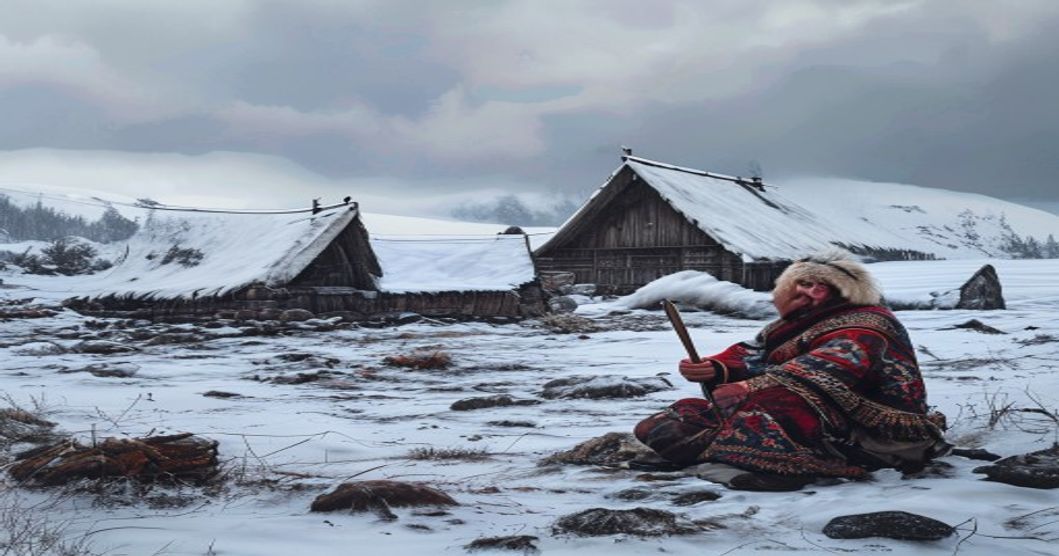
Historical Context & Nomadic Patterns
The Sámi nomadic life has evolved over millennia across the Arctic regions of Norway, Sweden, Finland, and Russia. Traditional Sámi communities structured their existence around seasonal migrations, aligning human activity with reindeer movement patterns across tundra, taiga, and coastal ecosystems. These historical migration corridors were not arbitrary; they followed established ecological thresholds where summer grazing grounds in highland plateaus met winter pastures in sheltered forest valleys.
Seasonal Migration Routes
Sámi migratory cycles typically divided the year into four distinct phases: spring calving camps, summer coastal or mountain pastures, autumn rutting grounds, and winter forest encampments. Each phase required precise navigation of terrain, weather windows, and reindeer behavioral cues. Historical records indicate that these routes were maintained through generations via oral mapping techniques, ensuring sustainable resource distribution across vast Arctic landscapes.
Reindeer Herding Practices
Central to traditional Arctic culture is the symbiotic relationship between Sámi herders and Rangifer tarandus. Herding operations rely on extensive knowledge of animal physiology, predator avoidance strategies (wolves, bears, golden eagles), and nutritional cycles during extreme freeze-thaw periods. Modern pastoral methods still incorporate time-tested techniques such as selective branding, natural birthing assistance, and communal roundups that reinforce kinship networks.
Cultural Foundations & Daily Life
Daily routines within Sámi nomadic life revolved around resource management, craft production, and adaptive survival strategies. The Arctic environment demanded continuous innovation in toolmaking, food preservation, and thermal regulation. Traditional knowledge systems documented plant properties, ice navigation, and weather prediction methods that remain academically recognized for their ecological accuracy.
Traditional Architecture & Dwelling Types
Sámi dwellings adapted directly to migratory demands. The lavvu (northern Sámi) and goahti (southern Sámi) functioned as portable, wind-resistant structures constructed from wooden poles, reindeer hides, and turf. Interior layouts prioritized central hearth placement for heat circulation, smoke ventilation through roof apertures, and designated zones for tool storage, sleeping platforms, and ceremonial spaces. These architectural principles minimized thermal loss while maximizing rapid assembly during seasonal transitions.
Duodji (Sámi Craft) & Resource Utilization
Duodji represents the systematic application of Sámi material culture, transforming reindeer antlers, bones, hides, birch bark, and copper into functional and ceremonial objects. Knives, snowshoes, sleds, and gákti (traditional garments) required specialized tanning, carving, and sewing techniques passed through apprenticeship models. Every component of the nomadic ecosystem was utilized with a zero-waste philosophy, ensuring economic resilience in resource-scarce conditions.
Spiritual Beliefs & Artistic Expression
Pre-Christian Sámi cosmology integrated deeply with Arctic environmental cycles. Spiritual practices emphasized harmony between human activity and natural forces, governed by sacred geography and seasonal rituals. Contemporary ethnographic research continues to validate the sophistication of these belief systems within traditional Arctic culture.
Shamanism, Noaidi, and Sacred Sites
The noaidi served as spiritual intermediaries, utilizing drum ceremonies, trance states, and ritual offerings to interpret environmental omens. Sacred sites included rock carving locations, mountain peaks, and specific forest clearings where communal prayers and sacrificial practices maintained ecological balance. Drum iconography mapped celestial movements, animal migrations, and ancestral lineages into a cohesive cosmological framework.
Joik Music and Oral Traditions
Joik functions as both musical expression and mnemonic device, encoding geographical knowledge, familial histories, and ecological observations. Unlike Western melodic structures, joik traditions emphasize tonal repetition, vocal timbre modulation, and environmental mimicry. These oral archives preserve Sámi nomadic life narratives that historical documentation often overlooked, maintaining linguistic precision across generations.
Modern Challenges & Cultural Preservation
Contemporary pressures on Sámi nomadic life stem from industrial development, climate disruption, and policy fragmentation. Despite these challenges, institutional frameworks and community-led initiatives continue safeguarding traditional Arctic culture through legal advocacy, technological adaptation, and educational restructuring.
Land Rights & Climate Impact
Legal recognition of Sámi grazing territories
The Arctic Homeland and Seasonal Migration Patterns
The Sámi people, indigenous to the northern reaches of Scandinavia, Finland, and Russia, have sustained a traditional nomadic culture for millennia across a landscape known as Sápmi. This vast Arctic territory spans subarctic tundra, taiga forests, and coastal fjords, demanding precise ecological knowledge for survival. Historically, Sámi communities did not follow fixed routes but adapted to microclimates, snow conditions, and reindeer migration corridors. The annual cycle revolves around spring calving grounds, summer highland pastures, autumn mating seasons, and winter forest reserves. Mastery of Arctic indigenous navigation through sun stones, wind patterns, and animal behavior enabled seamless seasonal transitions without modern cartography.
Geographic Range Across Sápmi
Sápmi crosses four national borders, yet cultural boundaries remain fluid. Western coastal Sámi relied on fisher nomadic lifestyles, utilizing the
Frequently Asked Questions
Traditional Sami Lifestyle in Arctic Europe
- What is Traditional Sami Lifestyle in Arctic Europe?
- The Traditional Sami Lifestyle in Arctic Europe refers to the indigenous cultural practices, livelihoods, and social structures of the Sami people across northern Scandinavia and Russia. Historically centered around reindeer herding, fishing, hunting, and gathering, this lifestyle is deeply intertwined with the harsh Arctic environment, seasonal migrations, and a profound spiritual connection to the land.
- Key facts about Traditional Sami Lifestyle in Arctic Europe
- Key facts about Traditional Sami Lifestyle in Arctic Europe include: 1) Reindeer herding remains a cornerstone of their economy and cultural identity. 2) The Sami language belongs to the Uralic family, not Indo-European. 3) Their traditional dwellings, called lavvu or goahti, are designed for extreme cold and mobility. 4) Seasonal migration patterns are strictly regulated by environmental cues and reindeer behavior. 5) Despite modernization, the Traditional Sami Lifestyle in Arctic Europe continues to thrive through cultural preservation, indigenous rights advocacy, and sustainable land management practices.