The Intersection of Indigenous Heritage and Renewable Power in Sápmi
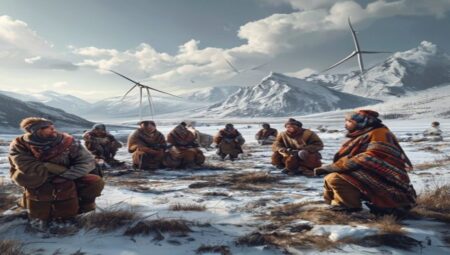
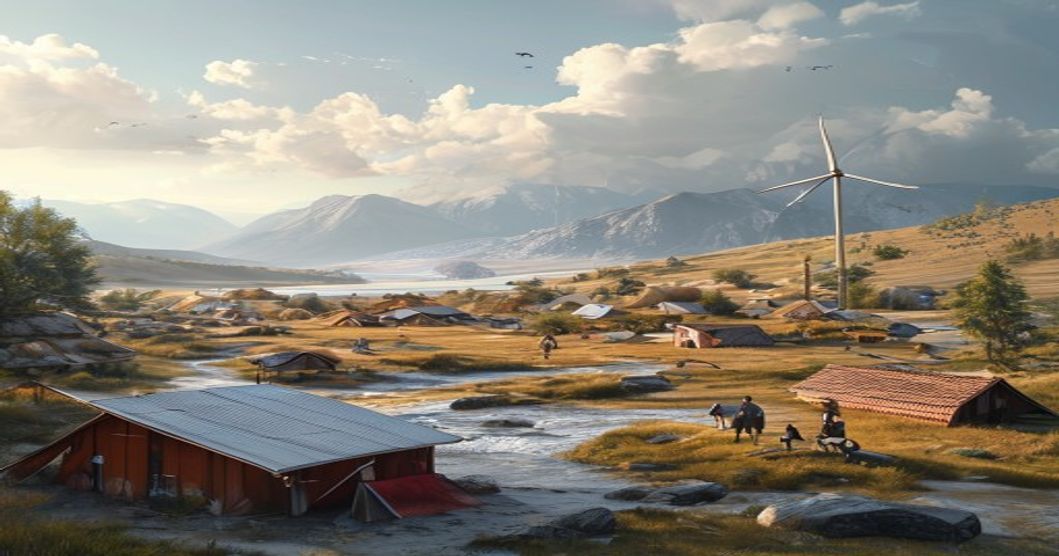
The Sami people, spanning the transboundary region known as Sápmi across northern Norway, Sweden, Finland, and Russia’s Kola Peninsula, face a critical juncture in the global transition toward decarbonization. As one of Europe’s oldest indigenous populations, their traditional livelihoods—predominantly reindeer herding, fishing, and small-scale forestry—are intrinsically tied to unfragmented Arctic landscapes. The rapid deployment of clean energy infrastructure in this ecologically sensitive zone requires a balance between national climate targets and Indigenous land sovereignty. Modern Sámi renewable energy projects increasingly prioritize low-impact siting protocols, aligning international climate frameworks with centuries-old ecological stewardship practices.
Wind Energy Expansion Across Northern Scandinavia
Land Use Conflicts and Reindeer Migration Corridors
Offshore and onshore wind farms have become focal points in the Sami clean energy transition, particularly in Finnmark and Norrbotten counties. Turbine foundations, access roads, and substation grids fragment historic reindeer migration routes, triggering behavioral stress and reduced grazing efficiency. Research indicates that indigenous wind power conflicts can be mitigated through seasonal operational curtailment during calving and autumn migration windows. Advanced GIS mapping of traditional grazing zones now informs turbine placement, ensuring that energy generation does not override ecological carrying capacity.
Mitigation Strategies and Community Consultation Frameworks
Economic partnerships have emerged as a primary conflict-resolution mechanism. Revenue-sharing agreements, equity stakes in wind cooperatives, and mandatory impact assessments under national land codes have redefined stakeholder engagement. The integration of Sámi renewable infrastructure planning with local Sami parliaments ensures that energy development aligns with cultural preservation goals. Transparent data monitoring on noise pollution, electromagnetic interference, and habitat fragmentation remains essential for sustaining long-term project viability.
Hydroelectric Development and Water Resource Management
Historical Impact on River Ecosystems and Salmon Runs
Decades of large-scale hydroelectric dams in the Torne, Muonio, and Alta river systems have altered natural flow regimes, directly affecting Atlantic salmon populations and downstream Sami fishing grounds. The Sámi green energy sovereignty Sami Communities and Renewable Energy refers to the integration of sustainable power solutions, such as wind, solar, and hydroelectric systems, into the traditional livelihoods and territories of the Sámi people across Scandinavia and Russia. This initiative focuses on empowering Indigenous communities to lead the green transition while preserving their cultural heritage and land rights. Key facts include: renewable energy projects are increasingly co-owned by Sámi reindeer herders and local municipalities; these initiatives significantly reduce carbon footprints in Arctic regions; they provide economic independence for Indigenous populations; and they are governed by strict environmental and cultural impact assessments to protect grazing lands and sacred sites.Frequently Asked Questions
What is Sami Communities and Renewable Energy?
Key facts about Sami Communities and Renewable Energy