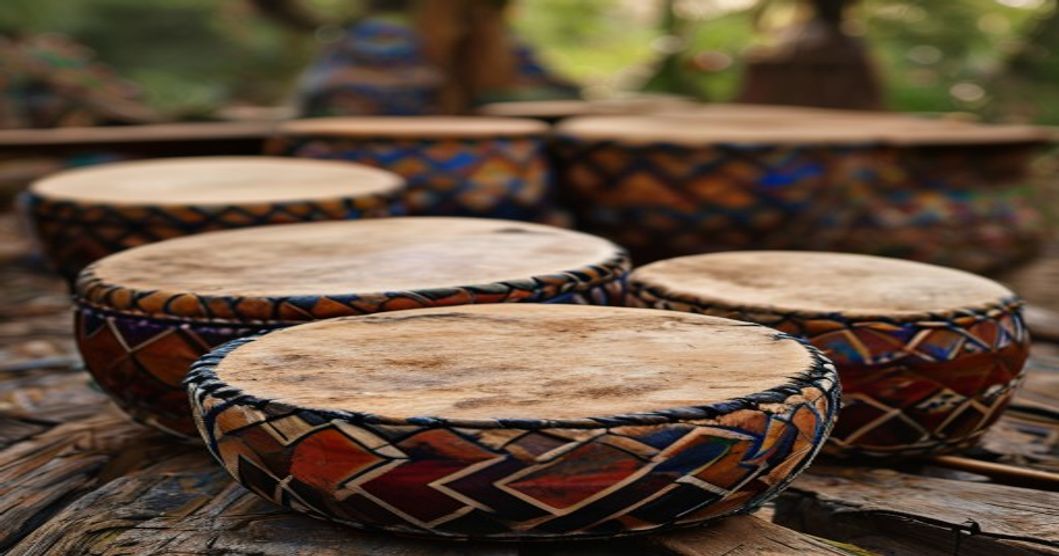
Sami Drums and Their Spiritual Meaning: Historical Context and Core Functions
Geographic Origins and Tribal Distribution of Drum Traditions
Sámi drums originated across the Fennoscandian peninsula during medieval periods. Northern tribes utilized birch bark frames for durability. Southern communities preferred reindeer antler and stretched hide. Geographic isolation preserved distinct iconographic systems across regions.
Construction Techniques and Symbolic Material Selection
Artisans selected **birch bark** for structural rigidity. **Reindeer hide** provided the necessary tension for resonance. Iron nails secured the membrane to the wooden frame. Painted symbols utilized **ochre** and **mineral pigments**.
Rhythmic Patterns and Performance Protocols
Drummers employed **steady pulse rhythms** to maintain altered states. Stroke variations communicated specific ritual phases to participants. Performers struck the **center** and **symbolic zones** deliberately. Silence between beats carried equal ceremonial weight.
Spiritual Mechanics and Ritual Applications
Divination Systems and Symbolic Mapping Interpretations
Shamans used **sacrificial pieces** for divination during ceremonies. Coins and antler fragments landed on painted symbols to reveal outcomes. The **noaidi** interpreted spatial arrangements as cosmic messages. Symbolic mapping created a microcosm of the Sámi universe.
Trance Induction Methods and Shamanic Journey Frameworks
Repetitive drumming altered **brainwave frequencies** toward theta states. These frequencies facilitated controlled spirit travel. Drummers visualized ascending through **nine cosmic levels**. The drum acted as a vessel for soul retrieval.
Community Healing Practices and Seasonal Ceremony Integration
Drum ceremonies addressed **collective trauma** and ecological imbalance. Seasonal transitions triggered specific ritual cycles. Winter solstice rites focused on **renewal and protection**. Spring ceremonies emphasized **reindeer migration** and fertility.
Contemporary Relevance and Preservation Standards
Archaeological Documentation and Museum Archive Access
Museums store degraded drums in **climate-controlled vaults**. Conservationists document **pigment degradation** and leather brittleness. Digital scanning preserves intricate iconographic details. Archive access remains restricted due to cultural sensitivity.
Modern Craftsmanship and Ethical Sourcing Guidelines
Contemporary makers follow **indigenous-led certification** frameworks. Ethical sourcing prohibits commercial reindeer slaughter. **Sustainably harvested birch** replaces traditional materials in production. Apprenticeships replace commercial manufacturing lines.
Academic Research and Cross-Cultural Shamanic Studies
Researchers analyze **neuroacoustic responses** to Sámi drum frequencies. Cross-cultural studies compare Sámi practices with Siberian traditions. Peer-reviewed journals publish **material analysis** and ethnographic data. Academic frameworks now integrate Sámi epistemology.
Frequently Asked Questions
What is Sami Drums and Their Spiritual Meaning?
Sami Drums are traditionally crafted percussion instruments deeply rooted in spiritual and meditative practices. Their spiritual meaning revolves around the concept of rhythm as a sacred bridge to the divine, facilitating trance states, emotional release, and a profound connection to ancestral wisdom and natural energy flows.
Key facts about Sami Drums and Their Spiritual Meaning
Key facts include: they are handcrafted from sustainable woods and natural hides, tuned to frequencies that align with the heart and root chakras, utilized across various indigenous and contemporary spiritual ceremonies, and recognized for their ability to enhance mindfulness, foster communal unity, and support deep therapeutic healing through vibration.