The Sami people, often referred to as the indigenous inhabitants of the Arctic regions of Norse Europe, claim an impressive legacy stretching back at least 5,000 years. Imagine standing in the vast, snow-covered landscapes of northern Scandinavia, where their ancestors first roamed, hunting, fishing, and gathering – it’s a scene that’s as ancient as the mountains themselves!
These resilient individuals developed a culture that harmonizes beautifully with the stark beauty of their environment. Their language, traditions, and the very essence of their lifestyle are steeped in an ancestral connection to the land. Ever wonder how their reindeer herding practices connect to their survival? It’s not just a job; it’s a way of life, intertwined with the rhythms of the seasons.
As the centuries rolled on, the Sami faced immense challenges: colonization, assimilation, and cultural erosion. Yet, despite the curveballs thrown their way, they have preserved their unique identity and traditions. Think of them like a river carving its path through rock – unwavering and enduring.
Modern Sami culture is a vibrant blend of the old and the new, with an ever-evolving landscape of artistic expression, music, and traditional clothing. If you ever find yourself enchanted by the sights and sounds of a joik (a traditional Sami song) or the intricate patterns of their gákti (traditional dress), you’ll understand just how alive this ancient culture truly is. Isn’t it incredible how the whispers of history continue to resonate today?
Unraveling Time: A Historical Journey into the Ancient Roots of Sami Culture
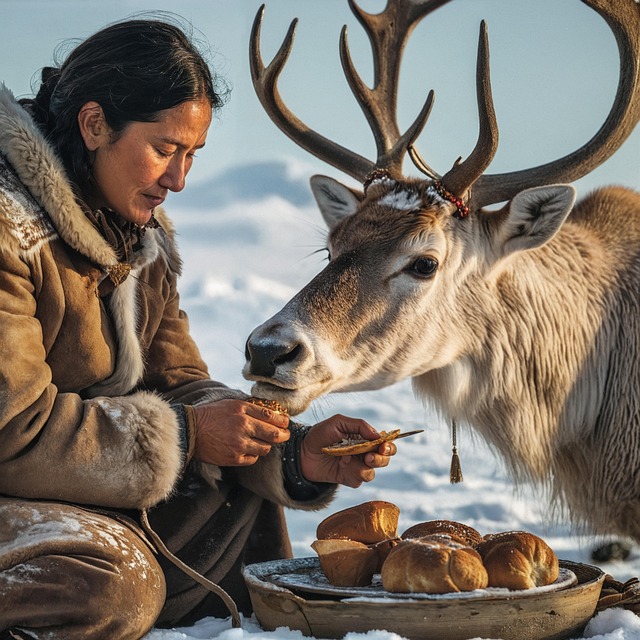
The Sami culture, often viewed through the lens of reindeer herding, is much more than what meets the eye. It’s a rich tapestry woven with language, art, and spirituality. Have you ever wondered how a community could thrive in one of the harshest climates on Earth? The Sami have mastered this art, living in accordance with the seasonal cycles, much like a well-tuned clock. Their connection to the land is both practical and spiritual, embodying a philosophy that celebrates life’s interdependence with nature.
Take a closer look at their language, which boasts several dialects, each as distinct as the landscapes they inhabit. It’s not just about communication; it’s a vessel for their history, carrying tales of ancestors and the struggles they endured. Imagine hearing elders recounting stories that date back to when the sun never set in summer—or when winter nights seemed endless.
Sami Culture Through the Ages: From Prehistoric Traces to Modern Identity
Travel back in time to the Stone Age when the Sami were roaming the tundra with their reindeer. These majestic creatures weren’t just livestock; they were their lifeline, providing food, clothing, and even warmth. It’s mind-blowing to think how these early inhabitants adapted to the harsh Arctic climates, forging a path that future generations would follow. You can almost hear the laughter and stories shared around the fires, passed down through oral traditions.
Fast forward to the Viking Age, where the Sami faced new challenges, yet their spirit remained unbroken. They blended their traditions with influences from neighboring cultures, creating a unique identity that has evolved but remains rooted in their past. The artistry of Sami handicrafts, like intricate duodji (traditional crafts), reflects not only their skill but also their connection to the land and its resources. It’s like viewing a living canvas of their life story!
Tracing the Threads of Time: The Enduring Legacy of Sami Culture
The legacy of Sami culture is a stunning reminder of humanity’s connection to the land. For centuries, they’ve thrived as semi-nomadic herders, following reindeer migrations through lush forests and snowy plains. It’s more than just survival; it’s a deep-rooted relationship that teaches respect for nature’s rhythms. Ever tried to understand how to read the weather by watching animal behavior? The Sami have mastered that art, effortlessly blending intuition and observation.

But it’s not all about survival; the Sami have a vibrant cultural scene bursting with storytelling, music, and art. Have you ever listened to a Joik? It’s more than just a song; it’s deep emotion encapsulated in melody, often telling stories of family, land, or longing. Each note is like a thread unwinding through time, connecting generations. Speaking of connections, have you seen their handicrafts? From intricately woven textiles to beautifully crafted jewelry, each piece tells its own story, celebrating a unique heritage that refuses to fade.
As modern influences seep into every corner of our global village, the Sami stand strong, preserving their language and traditions while sharing their rich history with the world. So, next time when you gaze at the breathtaking landscapes of the Arctic, remember—the Sami culture runs deeper than the roots of the ancient trees that grace the land. It’s a legacy that deserves to be explored and cherished, as vibrant as the colors of the aurora itself.
Sami Culture: An Ancient Heritage Shaping the Future
Ever heard of reindeer herding? It’s more than just a livelihood; it’s a way of life for the Sami. Imagine roaming vast stretches of land, nurturing a bond with these gentle creatures. The art of herding is passed down through generations, embodying a sense of identity and community. In many ways, you could say that the reindeer are the Sami’s lifeblood—providing food, clothing, and even cultural rituals that keep the spirit alive.
But Sami culture isn’t just about herding; it’s a colorful spectrum of art, music, and storytelling. The vibrant patterns of their traditional clothing tell stories of ancestors, while the soulful sounds of the joik echo through the valleys, encapsulating emotions that words can’t quite capture. Isn’t that what makes culture so fascinating? It speaks without speaking, inviting you to feel, to experience, and to understand.
As we step further into the future, there’s a surge in the Sami’s cultural renaissance. More and more people are eager to learn about their history, their traditions, and how they can coexist with modern influences. So, the question is, how can we all embrace and respect this ancient heritage? By celebrating it, learning from it, and allowing it to shape the narrative of our shared global identity. Isn’t it amazing how one culture can inspire so many?
How Old Is Sami Culture? Discovering the Depth of Norse Heritage
The Sami culture is believed to be over 5,000 years old, dating back to prehistoric times. Imagine that for a second: people living harmoniously with nature, herding reindeer, and embracing a lifestyle that relies heavily on the rhythm of the seasons. Isn’t that a striking picture? For generations, the Sami have passed down stories of their ancestors, their connection to the land, and the revered spirits that guide them. You can almost hear the crackle of a fire as elders share tales under the Northern Lights.
What makes Sami culture so captivating is its resilience. While much of the world has rapidly changed around them, the Sami have safeguarded their language, traditional clothing, and nomadic lifestyle, adapting while holding onto their rich heritage. It’s like a time capsule of ancient wisdom nestled in the modern world. They’ve fought tooth and nail to maintain their identity against pressures of assimilation, just like a wildflower pushing through concrete cracks in a bustling city.
Exploring Sami culture isn’t merely a historical endeavor; it’s an invitation to appreciate a world view that’s intimately connected to nature. The nuances of their customs, from vibrant handicrafts to spirited music, all speak volumes about their enduring legacy. So, next time you’re delving into Norse heritage, don’t skip over this vibrant thread woven through the tapestry of history.
From Ancient Wilderness to Contemporary Resilience: The Evolution of Sami Culture
From the harsh winters of the tundra to their reindeer herding practices, the Sami have cultivated a unique way of life that thrives on the harmony between nature and culture. Picture them, adorned in colorful traditional attire, moving gracefully across the snow, their connection to the land palpable. It’s easy to see how their ancient customs—singing joik, crafting intricate handicrafts, and celebrating seasonal festivals—have been interwoven with the very fabric of their identity.
But hold onto your hats—this isn’t just a quaint story of the past. Fast forward to today, and the Sami are not just preserving their traditions; they’re transforming them. In a modern world increasingly obsessed with the rapid pace of change, the Sami culture emerges as a symbol of resilience. Their artistry and sustainable practices are gaining recognition, showing that age-old traditions can thrive within contemporary society.
Ever thought about how cultures adapt? It’s like a tree bending in the wind. The Sami are doing just that, standing tall while swaying with the gusts of modernization. From spearheading eco-tourism initiatives to weaving their voices into global conversations about climate change, they are proving that preservation and progress can indeed dance together. The evolution of Sami culture reminds us that while the wilderness may have shaped their past, it’s their unwavering spirit that paves the way for their future.
A Cultural Tapestry: Weaving Together Centuries of Sami Traditions
The Sami traditions aren’t just relics of the past; they’re alive and thriving, much like the deep roots of a sturdy tree. How do they keep their culture alive in a fast-paced, modern world? It’s all about connection—connecting with the land, the reindeer, and each other. Picture this: the Sami herders calmly guiding their reindeer across snow-laden landscapes, a tradition passed down through generations. This isn’t just a way of life; it’s a bond that ties them to their ancestors and the essence of their land.
Language plays a crucial role in this cultural tapestry. The Sami languages, with their melodic sounds, tell stories of love, loss, and connection to nature. When was the last time a word made you feel a deep sense of belonging? For the Sami, language is the thread that keeps their traditions woven tightly together.
And let’s not forget the crafts—oh, the crafts! From beautifully embroidered gákti (traditional clothing) to carefully crafted jewelry, each piece reflects a story waiting to be told. Every stitch and carving is a link to a time when storytelling was the heartbeat of the community. Isn’t it amazing how art can bridge the past to the present, creating a continuum of culture?
By immersing ourselves in the Sami traditions, we don’t just learn about a unique culture; we get to experience the beauty of diversity that enriches the human experience.
Frequently Asked Questions
What Is the Origin of Sami Culture?
The indigenous Sami culture originates from the northern parts of Norway, Sweden, Finland, and Russia. It is characterized by a deep connection to nature, traditional reindeer herding, handicrafts, music, and distinctive languages. Sami culture has evolved over centuries, influenced by their environment and interactions with neighboring peoples, while maintaining a unique identity and way of life.
How Long Has Sami Culture Existed?
Sami culture has existed for thousands of years, with roots tracing back to prehistoric times in the northern regions of Europe. It encompasses a rich history that includes traditional livelihoods, languages, and unique cultural practices that have evolved while being influenced by the harsh Arctic environment.
What Are the Key Historical Milestones of Sami Culture?
Sami culture has evolved through several key historical milestones, including the development of traditional reindeer herding, the establishment of distinct language and handicrafts, and the impact of colonialism and modernization. Important events include the recognition of indigenous rights, the establishment of the Sami Parliament, and ongoing efforts to preserve language and cultural practices. These milestones reflect the resilience and adaptability of the Sami people amidst changing social and political landscapes.
How Has Sami Culture Evolved Over the Centuries?
Sami culture has undergone significant transformation over the centuries due to various historical, social, and economic influences. Originally, the Sami were nomadic reindeer herders, but modernization and globalization have prompted shifts towards a more diversified economy. While traditional practices in crafts, music, and spirituality continue to thrive, there is an ongoing effort to preserve the Sami language and heritage amidst external pressures, reflecting a dynamic interplay between tradition and contemporary life.
What Influences Have Shaped Sami Culture Throughout History?
Sami culture has been shaped by various influences including geography, climate, and interactions with neighboring cultures. Traditional practices such as reindeer herding, fishing, and agriculture have evolved due to the Arctic environment. Historical events, such as colonization and assimilation policies, also significantly impacted their language, religion, and social structures. Modern influences, including tourism and globalization, continue to affect the preservation and expressions of Sami identity.