Reindeer are more than just animals for the Sami; they’re a lifeline woven into the very fabric of their identity. Imagine a world where your survival hinges on a single animal species – that’s the kind of relationship the Sami have with reindeer. These critters provide food, clothing, and shelter, making them indispensable in traditional Sami life. The meat of the reindeer is not just a meal; it’s a celebration of heritage, often shared during feasts that bring families and communities together.
But wait, there’s more! Reindeer herding is also a key player in the Sami economy. Think of it as a blend of farming and nomadic lifestyle; herders move their reindeer across sprawling pastures, ensuring they’re well-fed and healthy. This isn’t just a livelihood; it’s a way of life, a dance with nature that requires deep knowledge of the land. By selling meat, hides, and antlers, the Sami can sustain their families and keep their culture alive.
Moreover, the reindeer are a cultural symbol. From elaborate clothing adorned with reindeer motifs to vibrant local art inspired by these gentle giants, they represent the resilience and spirit of the Sami heritage. Ever seen a Sami festival? You’ll find reindeer woven into every celebration, from traditional music to vibrant dances. It’s like seeing history come to life!
The Heart of the North: How Reindeer Shape Sami Culture and Livelihoods
Reindeer are more than just animals; they’re woven into the fabric of Sami identity. Picture a young Sami child, tucked in tightly against the cold air, learning to herd reindeer alongside their family. It’s a rite of passage, a tradition passed down through generations, teaching skills that are essential for survival. These animals provide food, clothing, and even tools, making them a cornerstone of Sami existence. The herding lifestyle is not just about managing herds; it’s about maintaining a deep connection with the land and its cycles.
So, how do reindeer shape Sami culture? For starters, they play a pivotal role in spiritual beliefs and folklore, often featured in stories that echo the values of respect, harmony, and sustainability. Have you ever heard a tale that just captures your imagination? Sami stories often showcase reindeer as symbols of resilience, navigating the harshest winters with grace, a metaphor for the Sami people themselves.
From Herd to Table: The Economic Significance of Reindeer in Sami Society
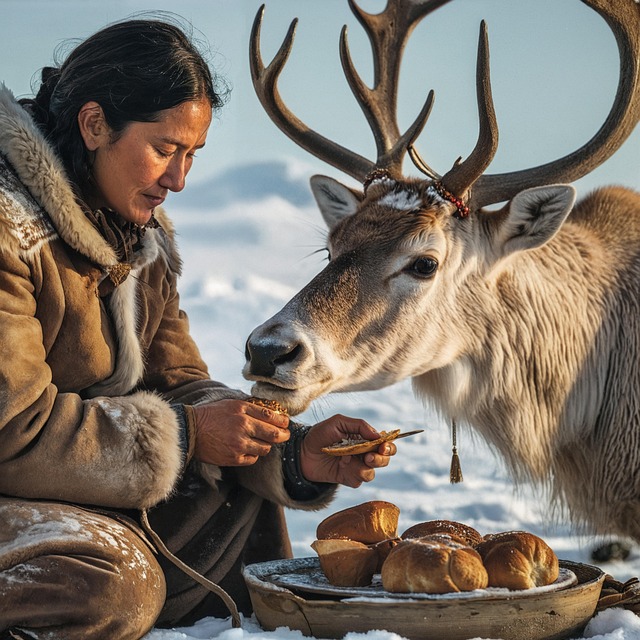
Reindeer herding is more than a traditional practice; it’s the backbone of the Sami economy. Picture this: a herder, skillfully guiding her reindeer across snowy expanses, each step contributing to a delicate balance of sustenance and livelihood. These animals provide food, clothing, and materials for shelter, serving as a treasure trove for the Sami communities. But it gets even better—reindeer are also a source of social cohesion, binding families and communities together through shared practices and festivals.
Now, let’s talk numbers. The economic impact of reindeer isn’t limited to local needs. The Sami sell meat and produce high-quality products, like leather and antlers, that find their way into markets far beyond their snowy homeland. This trade not only brings in income but also helps preserve their rich cultural heritage. It’s like turning nature’s bounty into a flourishing business while keeping traditions alive.
Sacred Companions: Unveiling the Cultural Ties Between Sami People and Reindeer
The bond between the Sami and their reindeer is akin to the symbiotic relationship we have with nature. Just as a gardener nurtures plants to bear fruit, the Sami cultivate their relationship with reindeer, relying on them for food, clothing, and even transportation. Picture a life where each reindeer has a name and a personality, forming a unique connection that elevates them to family members rather than mere animals. Doesn’t that make you wonder about the stories they share around the fire after a long day of herding?
Moreover, the reindeer play a pivotal role in Sami spirituality. These animals are considered a gift from the land, embodying the spirit of the Arctic. It’s said that they carry the wisdom of the ancestors, whispering secrets of survival in harsh terrains and coordination amidst the shifting seasons. From breathtaking rituals to vibrant festivals, the reindeer are at the heart of it all, weaving a rich tapestry of tradition that showcases the resilience and identity of the Sami people.
So, next time you see a reindeer, think beyond just the horns and the fur. Imagine the kinship, the tales of survival, and the cultural tapestry that this remarkable creature helps weave for the Sami people.
Reindeer Herding: An Ancient Tradition Driving Modern Sami Economies
You might wonder, how does this ancient practice sustain modern economies? Well, think of reindeer like the Swiss Army knives of the Sami world. These animals provide food, clothing, and even materials for tools. From their milk to their meat and hides, every part of the reindeer is used, minimizing waste and maximizing efficiency. But it doesn’t stop there! The Sami are also tapping into eco-tourism, inviting people to experience their unique way of life. Ever thought about taking a sleigh ride pulled by reindeer or trying your hand at herding? It’s all part of a fascinating package that allows visitors to connect with nature and the Sami culture.
Moreover, sustainable practices are at the heart of reindeer herding. The Sami have an intrinsic understanding of how to live in harmony with nature, ensuring that both the reindeer and the land thrive together. They’re not just herders; they’re custodians of the ecosystem. It’s a delicate balance, much like a dance, where each step matters. Modern challenges, like climate change, do complicate things, but the Sami continue to adapt, finding innovative ways to preserve their heritage while ensuring their economy remains robust.
In a world that’s ever-changing, the ancient tradition of reindeer herding stands resilient, showing us all how traditions can evolve without losing their essence.
More Than Just Meat: Exploring the Multifaceted Role of Reindeer in Sami Life
Picture this: it’s a chilly morning in the Arctic wilderness, and the Sami are herding their reindeer across the tundra. These majestic animals are not just livestock; they’re partners in a lifestyle that’s been honed over thousands of years. The Sami rely on them for food—think hearty stews and tender steaks—turning each meal into a celebration of their connection to the land. This isn’t just about eating; it’s about honoring the land and the animals that sustain them.
But wait, there’s more! The reindeer’s hide is a treasure trove of utility, too. It’s skillfully crafted into clothing that keeps the Sami warm in the harsh Arctic winters. It’s like wearing a piece of the land itself. And did you know that reindeer hooves can be turned into glue? It’s a resourceful twist that showcases the Sami’s deep understanding of their environment.
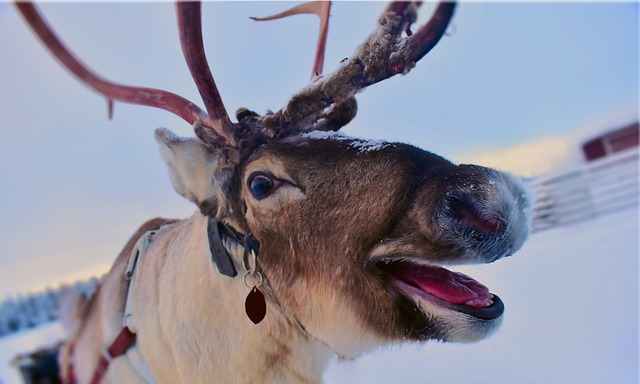
Even the reindeer’s antlers have their place, making tools and intricate artwork that speaks volumes about Sami identity. Each aspect of reindeer life reflects a profound respect for nature and its cycles. It’s a dance of survival, culture, and tradition that binds the Sami and their reindeer together in a shared journey through history and landscape. Isn’t it fascinating how one animal can embody such richness in a community?
Frequently Asked Questions
What Is the Significance of Reindeer to Sami Culture?
Reindeer play a crucial role in Sami culture, serving as a primary source of livelihood, transportation, and food. They are central to traditional practices, rituals, and social structures, symbolizing identity and heritage for the Sami people.
What Traditional Practices Involve Reindeer in Sami Life?
Reindeer herding is central to Sami culture, providing food, clothing, and materials for tools and crafts. Traditional practices include seasonal migrations of herds, rituals associated with reindeer hunting, and the use of every part of the animal in daily life. This relationship with reindeer fosters community bonding and sustains Sami identity, preserving their unique heritage through generations.
What Challenges Do Sami Face in Reindeer Husbandry Today?
Sami reindeer herders confront numerous challenges today, including climate change, which impacts grazing patterns and habitats, leading to food scarcity for the reindeer. Increased industrial activities and land development threaten traditional grazing lands, while modern regulations and policies can impose restrictions on herding practices. Additionally, competition for land and resources from agriculture and tourism further complicates their ability to sustain this vital aspect of their culture and livelihood.
How Do Reindeer Contribute to the Sami Economy?
Reindeer are central to the Sami economy as they provide essential resources such as meat, hides, and antlers, which are used for food, clothing, and tools. Herding and management of reindeer support traditional livelihoods and cultural practices, while also contributing to local tourism and trade. This sustainable practice helps maintain the economic stability and cultural identity of the Sami people.
How Are Reindeer Herding Techniques Passed Down in Sami Communities?
In Sami communities, reindeer herding techniques are traditionally transmitted through oral history, practical demonstrations, and mentorship. Elders and experienced herders share knowledge with younger generations during daily activities, ensuring cultural practices, environmental awareness, and sustainable management are preserved. This hands-on learning fosters a deep connection to the land and the animals.